


There’s a particular kind of grief that comes with losing someone you never really had. This, That and Everything in Between, the new Filipino drama that just arrived on Netflix, understands that grief intimately. It’s not a story about a daughter mourning a mother who was always there. It’s about a daughter mourning a mother who left, came back too late, and then died before either of them could figure out what they were supposed to be to each other. The ending doesn’t offer the comfort of a miracle cure or a perfect reconciliation. What it offers is something quieter and, in its own way, more honest: the possibility of peace, even when healing is incomplete.
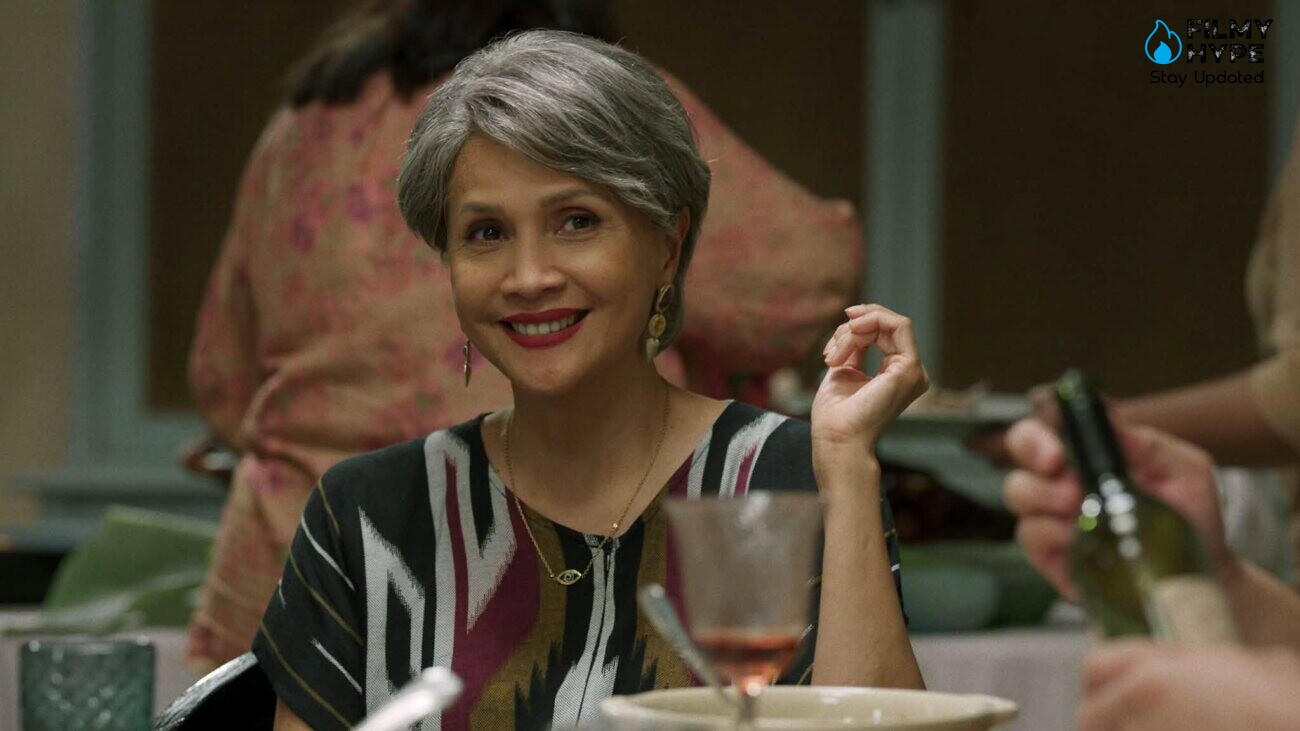
The film stars Jodi Sta. Maria as Jo, a screenwriter whose carefully constructed life in Manila is upended when her biological mother reappears after 27 years of silence. Paz, played by Agot Isidro, doesn’t return alone. She brings Matti, her 20-year-old son—a half-brother Jo never knew existed. The double shock of her mother’s return and the revelation of a sibling forces Jo to confront everything she thought she’d processed about her abandonment. And then comes the harder news: Paz is dying.
This, That and Everything in Between Ending Explained: The Story
Jo has built a stable life. She’s a working screenwriter, she’s about to start a new chapter with a scholarship to study in Brooklyn, and she’s learned—over decades of effort—to manage the wound left by her mother’s departure. When Paz shows up without warning, that wound reopens immediately.
The film doesn’t present Paz as a simple villain. It’s not that easy. Paz left to reclaim a career and a freedom she felt she’d lost after becoming a mother. From her perspective, she was suffocating. From Jo’s perspective, she was abandoned. Both things can be true at once, and the film refuses to pick sides. It just shows the damage.
Matti’s presence complicates everything further. Here’s the son Paz did raise, the one who got the years Jo didn’t. And yet Matti isn’t some charmed figure who had the perfect life. He’s struggling too, carrying his own burdens from a childhood that was complicated in different ways. The film slowly reveals that Paz’s second family wasn’t a rejection of Jo so much as another flawed attempt at building a life, with its own failures and disappointments.
The Revelation
Paz’s secret comes out gradually. She’s sick. Terminal cancer. She came back not just to make amends but because she’s running out of time. This is her last chance to see her daughter, to explain herself, to try—however imperfectly—to bridge a gap that’s been widening for nearly three decades.
For Jo, the news is devastating in ways that don’t resolve neatly. On one hand, there’s the professional opportunity waiting in New York, the scholarship she’s worked toward. On the other, there’s a dying mother who abandoned her and now wants to spend whatever time remains together. The film doesn’t pretend this is an easy choice, and Jo’s struggle with it is the emotional engine of the back half of the story.
Jo initially pulls away again. She can’t handle the sudden intimacy, the demand for connection from a woman who chose distance for so long. She retreats into her work, into her plans, into the life she built precisely because her mother wasn’t there. It’s not that she stops loving Paz. It’s that she can’t reconcile that love with the pain of what was done to her.
Matti’s Role
Matti becomes the unexpected bridge. He shows up at Jo’s house to return a charger she left behind, and in that small, mundane moment, something shifts. They start talking. They start seeing each other not as symbols of their mother’s choices but as people who’ve both been shaped by those choices in different ways. Jo realizes that Matti bears no responsibility for Paz’s decisions. He’s just a kid who grew up in the shadow of the same complicated woman.
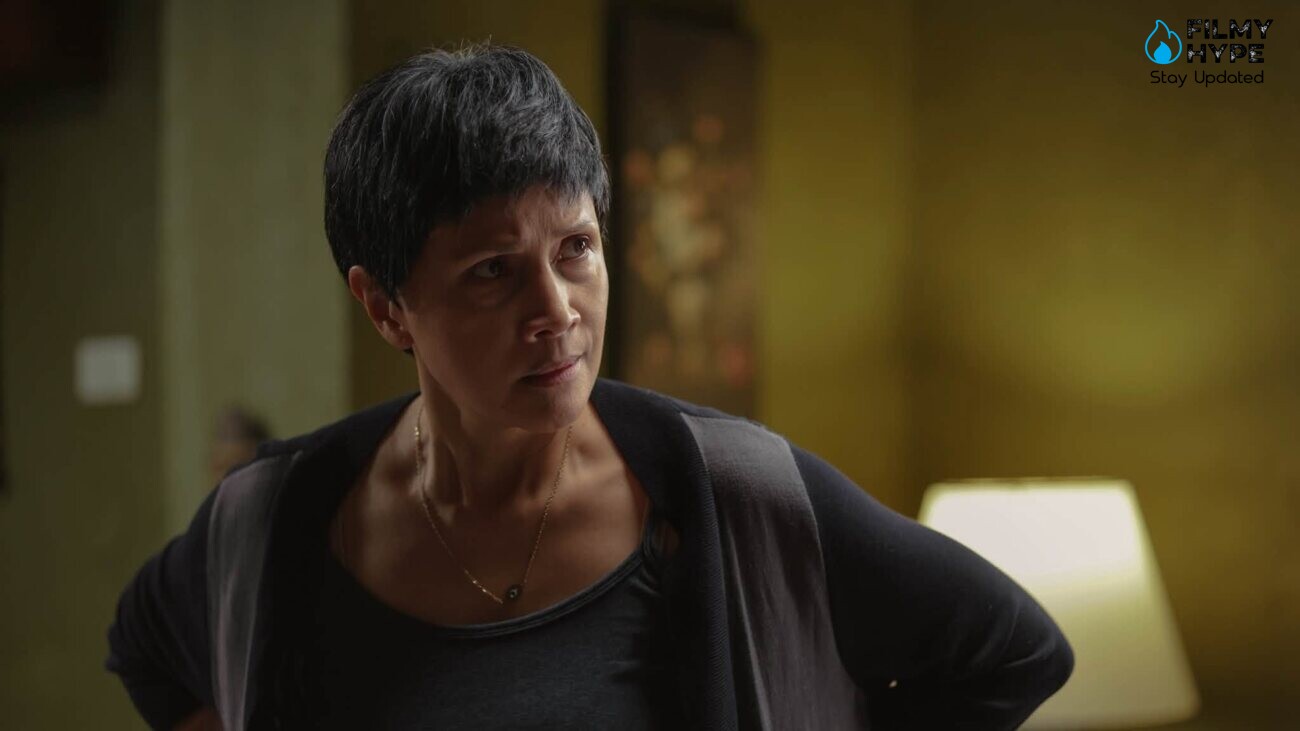
Their emerging sibling relationship is one of the film’s quietest pleasures. Neither of them asked for this. Neither of them knows quite what to do with it. But they find in each other something neither expected: a family connection that doesn’t depend on their mother’s presence.
Does Paz Survive?
No. Paz dies. The film doesn’t manufacture a last-minute miracle, because the story isn’t about saving her. It’s about whether Jo can find a way to say goodbye that doesn’t leave her consumed by resentment for the rest of her life.
The death is handled with restraint. There’s no dramatic bedside reconciliation where everything gets forgiven and all wounds heal. What happens instead is something more realistic: Jo allows herself to be present. She lets herself grieve for the mother she had, even while still grieving for the mother she didn’t have. The two griefs coexist. The film doesn’t ask her to choose between them.
What the Ending Means
After Paz dies, the family that was shattered by her departure begins to re-form in unexpected ways. Matti stays in Jo’s life. A photograph of the four of them—Jo, Matti, and the family they’re building—takes its place in the house. It’s not the family Jo imagined she’d have, but it’s a family nonetheless.
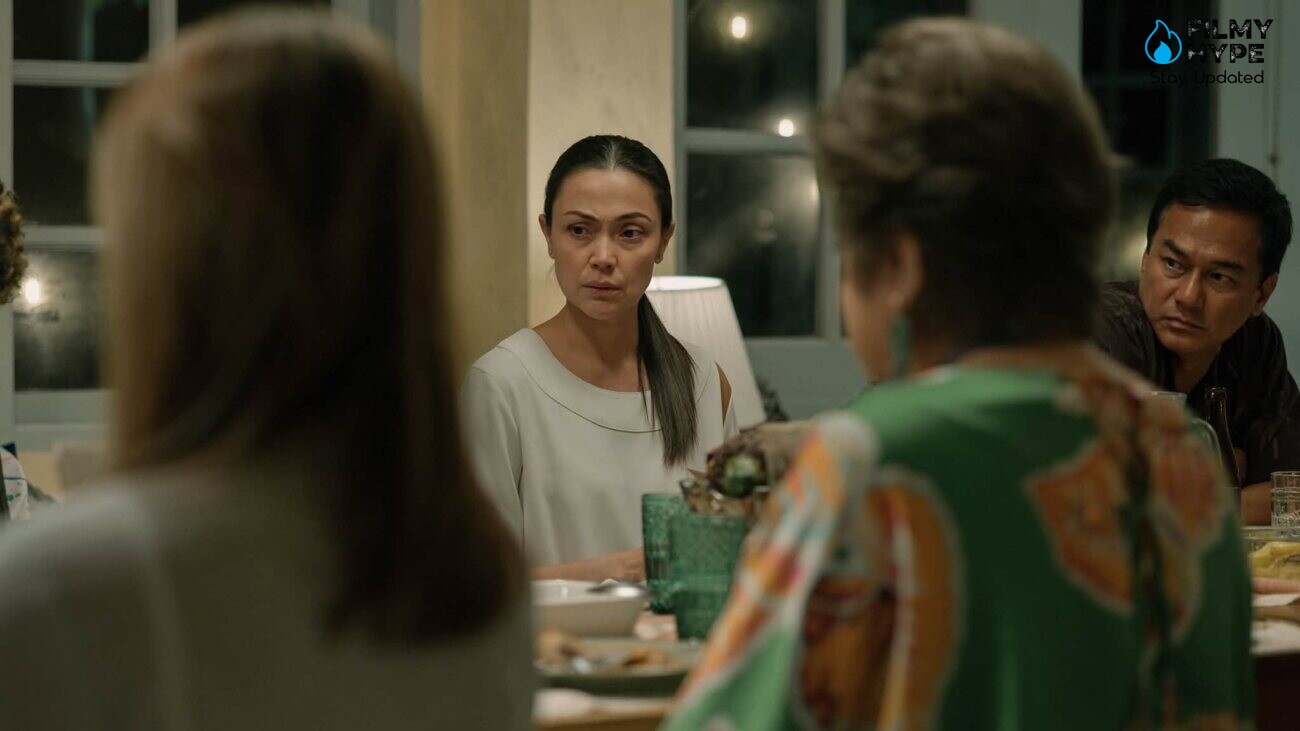

The New York question resolves itself quietly. Jo’s decision to pursue her scholarship takes on new meaning, because Brooklyn is the place Paz was trying to build the life that took her away from the Philippines. There’s no explicit statement that Jo is following in her mother’s footsteps, but the implication is there: she’s carrying something of Paz with her, even as she builds a future that’s entirely her own.
The film’s title, This, That and Everything in Between, captures its approach. Between love and resentment, between abandonment and reunion, there are infinite shades of gray. The ending doesn’t pretend that reconciliation means forgetting. It doesn’t suggest that forgiveness requires justification. What it offers instead is acceptance—the recognition that some relationships can’t be fully repaired, but that doesn’t mean they can’t find peace.
Jo doesn’t get back the 27 years she lost. She doesn’t get the mother she needed during her childhood. But she gets a brother she didn’t know she had, and she gets to say goodbye to Paz without carrying only resentment. That’s the closure the film is interested in: not a neat resolution, but a way to keep living after the person who hurt you is gone. The cycles of abandonment break. The family continues. And Jo, finally, gets to choose what comes next.