

Carrie TV Series: Stephen King adaptations have been a constant in film and television for decades, but there’s something different about the ones that circle back to where it all began. Carrie wasn’t just King’s first published novel. It was the book that pulled him back from the brink of giving up on writing entirely, famously rescued from the trash by his wife Tabitha, who insisted there was something worth saving in those pages. She was right. The story of a bullied teenager with telekinetic powers who rains destruction on her tormentors became an instant classic and has haunted readers and viewers ever since.
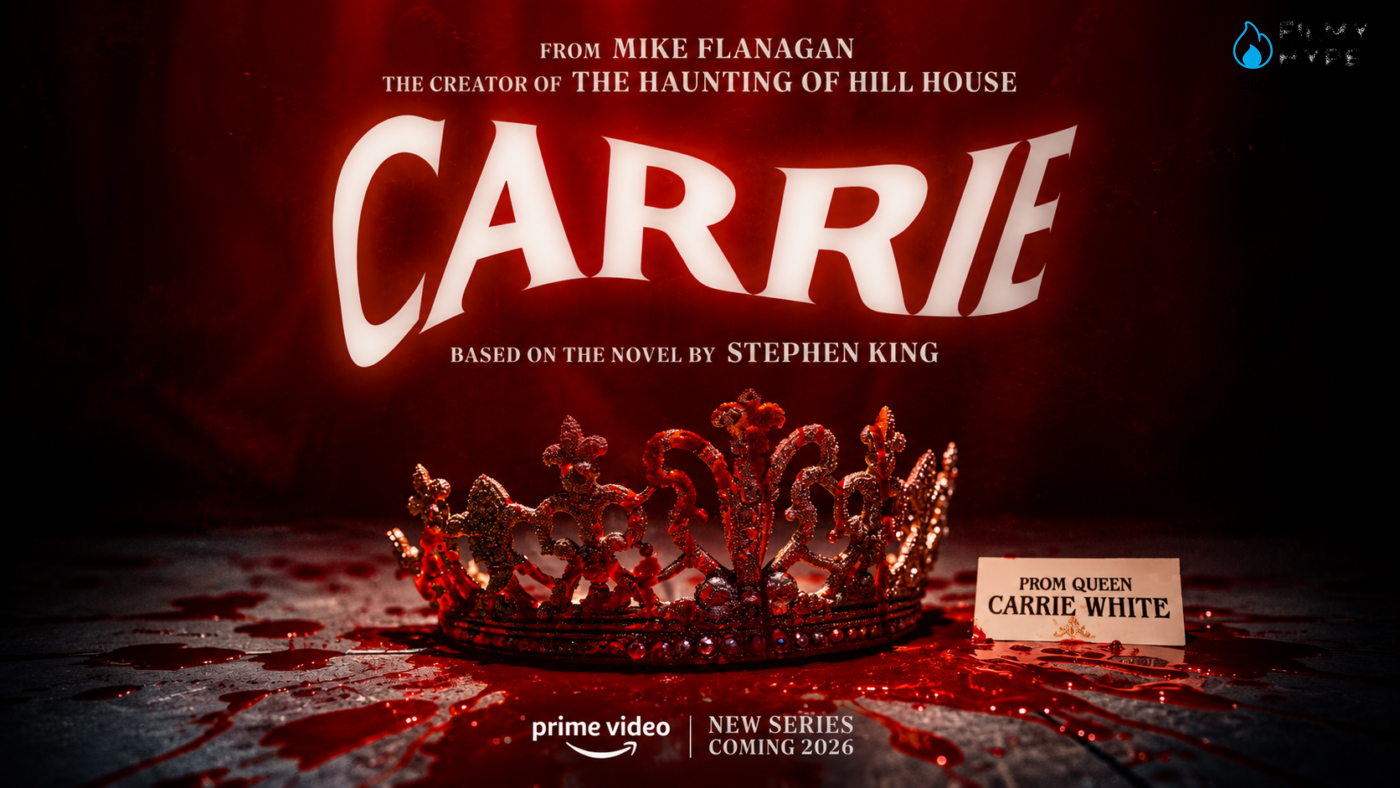
Now, nearly fifty years after Brian De Palma’s iconic 1976 film adaptation, Carrie is being reimagined once again. This time, however, it’s not a two-hour movie. It’s an eight-episode limited series coming to Prime Video, and the expansion from film to television format suggests something more ambitious than a simple retread of familiar territory. Here’s everything we know about the production so far, from the cast to the creative approach to why this particular version might finally have the space to do what previous adaptations couldn’t.
Carrie TV Series: What the Carrie Series Is Actually About
If you’ve read the novel or seen either of the previous film adaptations, you know the basic architecture of the story. Carrie White is a teenage girl living in Chamberlain, Maine, trapped between two kinds of hell. At home, she endures her mother Margaret, a religious fanatic whose particular brand of Christianity has curdled into something abusive and paranoid. At school, she’s the designated target, the girl everyone feels entitled to mock, exclude, and humiliate.
The twist, and the reason the story has endured for half a century, is that Carrie discovers she has telekinetic abilities. She can move objects with her mind. The power is tied to her emotions, which means that as the cruelty intensifies, so does the danger she poses. The prom night climax, in which a carefully orchestrated public humiliation triggers Carrie‘s devastating retaliation, is one of the most famous sequences in horror literature and cinema.
But the new series is promising something more than a beat-for-beat retelling. The official synopsis makes the expanded scope clear: “Carrie White, an outcast teenager, has spent her entire life isolated within the walls of her home with her mother, Margaret, a fiercely overprotective woman. After the sudden and unexpected death of her father, Carrie is forced to face the unforgiving environment of high school, where she must deal with a bullying scandal that goes viral and shakes her entire community, the constant pressure and daily cruelty of the age of social networks, as well as the awakening of mysterious telekinetic powers that emerge at the same time as adolescence.”
There are several key departures already visible. Carrie‘s father is dead in this version, a loss that presumably deepens her isolation and leaves her with no buffer between herself and Margaret’s extremism. The bullying isn’t just whispered insults in the hallway. It becomes a viral event, something that spreads through social media and consumes the entire community. This is Carrie, updated for a world where humiliation can be broadcast instantly to thousands of people, where there is no escape from the judgment of your peers because the internet never sleeps.
The synopsis also teases the thematic ambition of the series with its closing questions: “Are we witnessing the origin of a heroine, a monster, or something much more complex?” That framing suggests a story that will resist easy categorization, treating Carrie not as a simple victim or a simple villain but as something more complicated and, presumably, more human.
How the Series Expands Stephen King’s Original Novel
This is the aspect of the project that deserves the most attention, because it explains why an eight-episode series exists in the first place rather than another film. King’s novel isn’t especially long by his standards, but it has a structural element that has never been fully captured on screen. The book is told partly through traditional narrative and partly through epistolary inserts: newspaper articles, witness statements, academic papers, and excerpts from books written after the events of prom night. These fragments give the reader a view of the tragedy from multiple angles, showing how different people understood what happened and how the official story was constructed in the aftermath.
A television series has the time to incorporate this material in a way that a two-hour film never could. The eight-episode format means the show can slow down and dwell on the perspectives of characters who were previously reduced to sketches. Sue Snell, the popular girl, tries to make amends for her part in the bullying. Tommy Ross, her boyfriend, takes Carrie to the prom. Chris Hargensen, the ringleader of the cruelty. Miss Desjardin, the gym teacher who tries to help. Each of them can become a full character rather than a narrative function.
The series also seems to be taking the “small everyday decisions that lead to a devastating night” seriously. This is something King does exceptionally well in the novel. The prom disaster isn’t a random act of violence. It’s the culmination of hundreds of small choices made by dozens of people, each one defensible in isolation, each one contributing to an outcome nobody intended. The series format allows those choices to accumulate naturally, building dread episode by episode until the breaking point feels inevitable rather than shocking.
The Cast: Who’s Playing Who
The casting announcements so far suggest a mix of established talent and relative newcomers, with some genuinely intriguing choices in key roles.
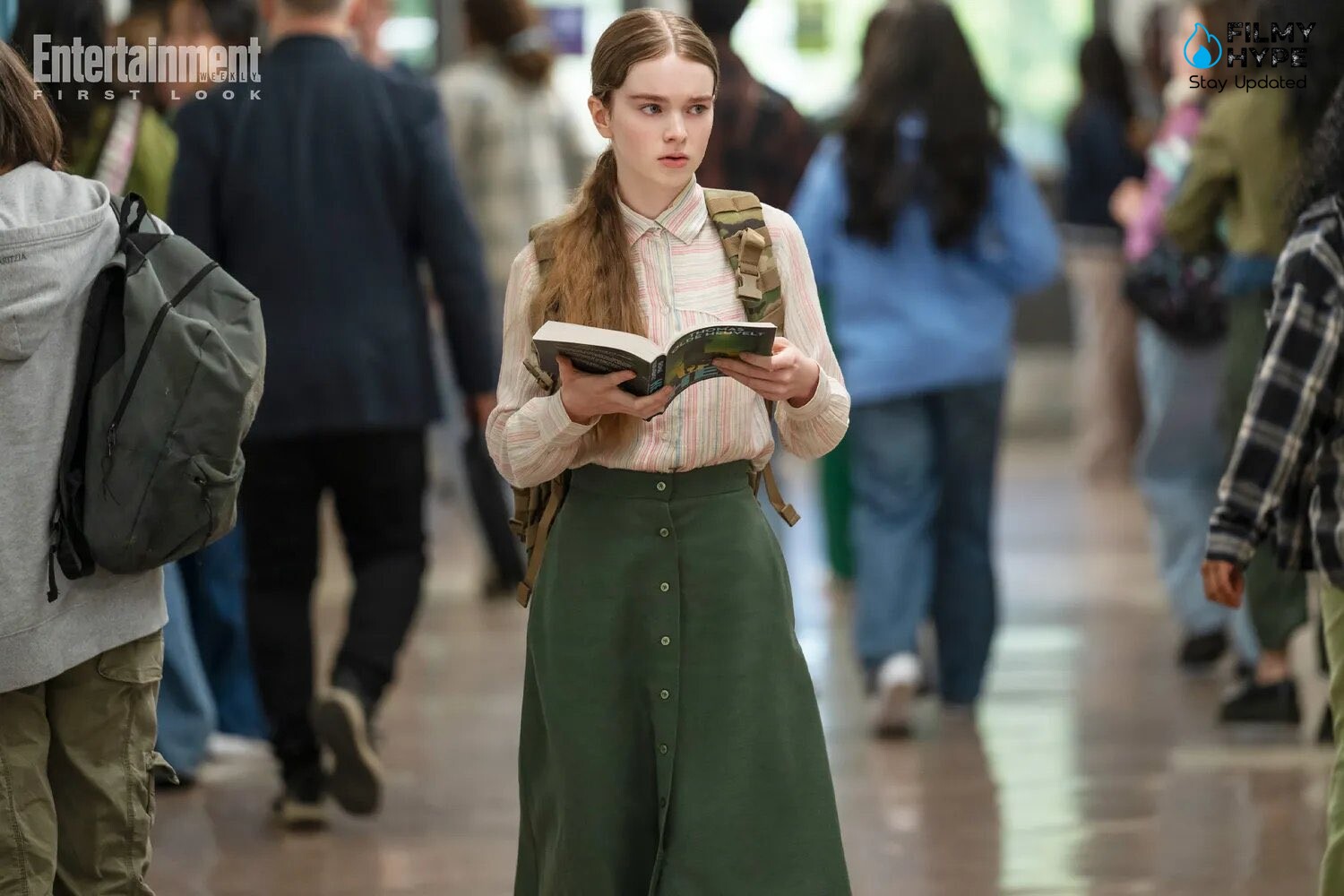
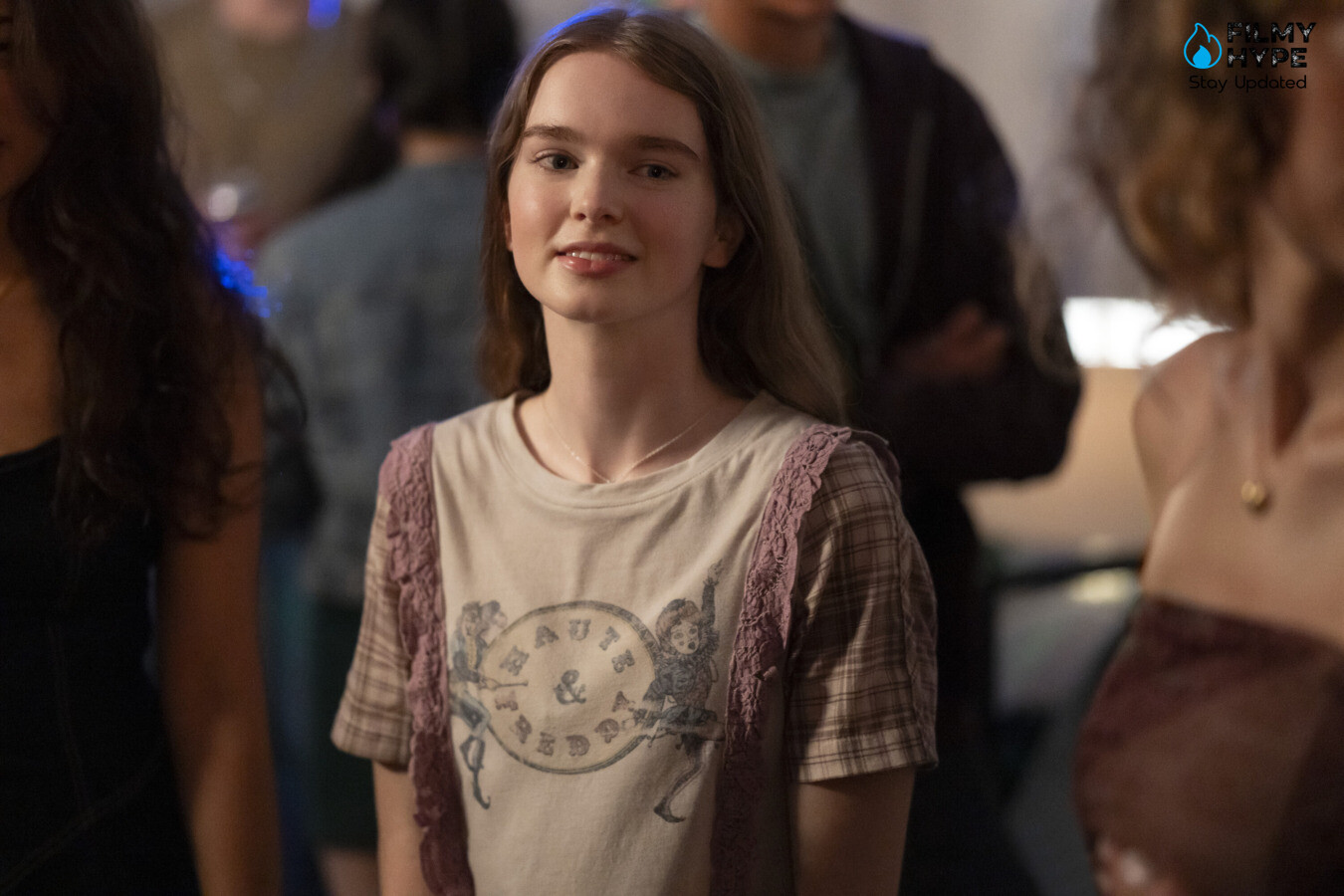
Summer H. Howell will play Carrie White. Howell is known for her work in Hunter Hunter, a performance that demonstrated her ability to carry intense, emotionally demanding material. Playing Carrie requires someone who can shift from fragile to terrifying without losing the thread of the character’s humanity, and Howell’s previous work suggests she has the range for it.
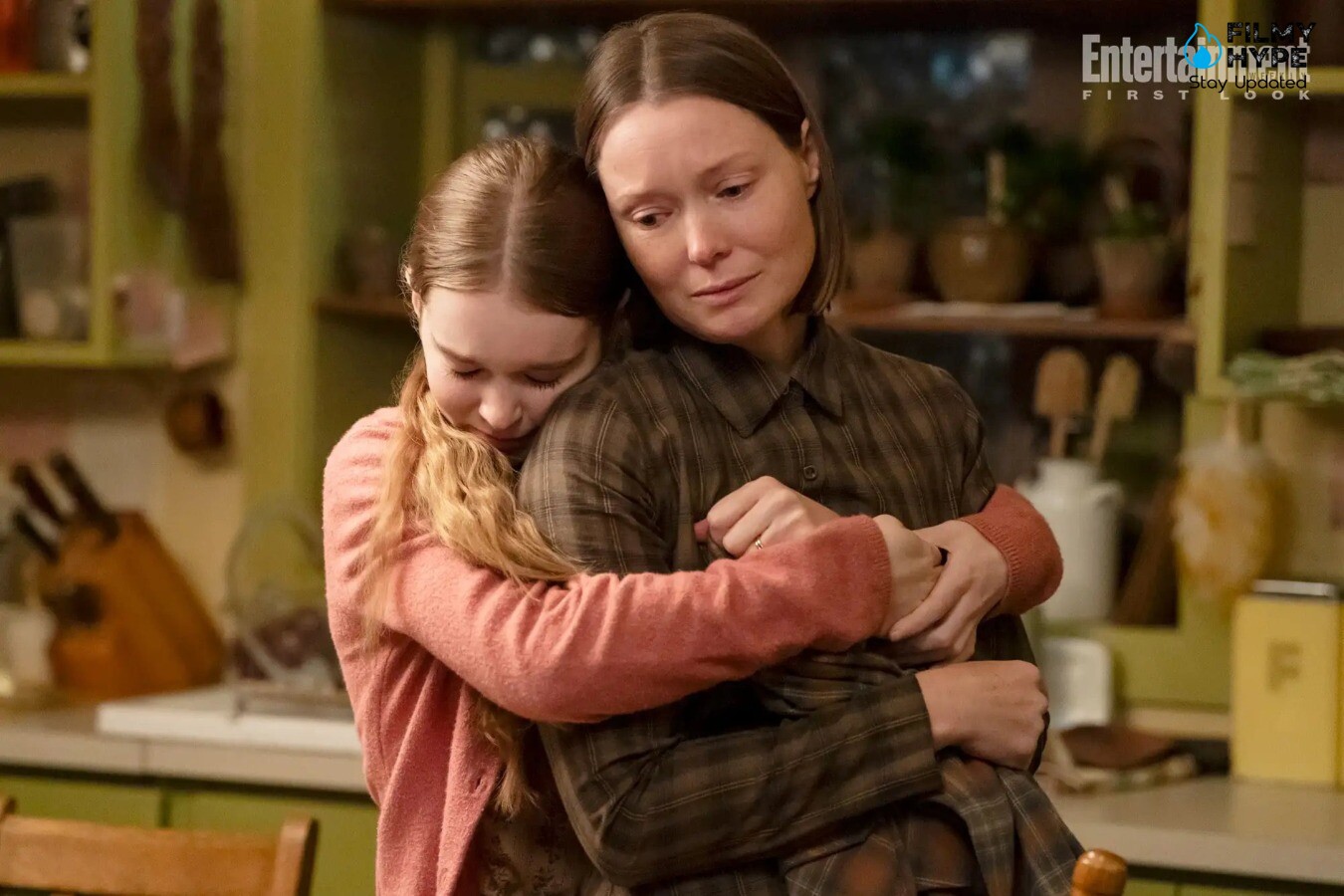
Samantha Sloyan takes on the role of Margaret White, Carrie‘s mother. This is inspired casting. Sloyan has become something of a Mike Flanagan regular, appearing in The Fall of the House of Usher, Midnight Mass, and The Haunting of Hill House. Her ability to play characters whose love has twisted into something suffocating and destructive is precisely what the role of Margaret demands. The best versions of Margaret aren’t simply crazy. They’re convinced of their own righteousness, and that conviction makes them far more frightening than any cartoon villain could be.
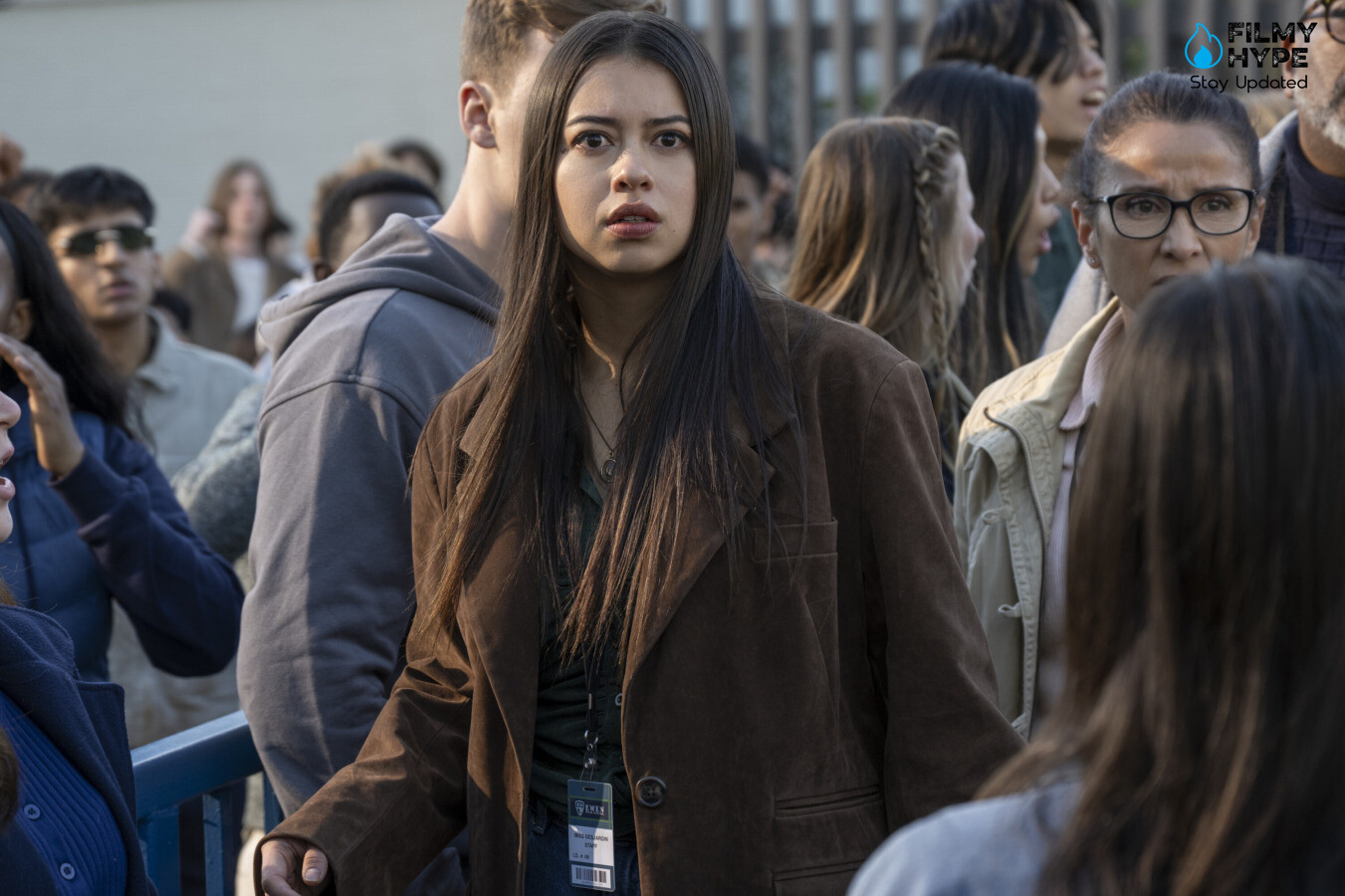
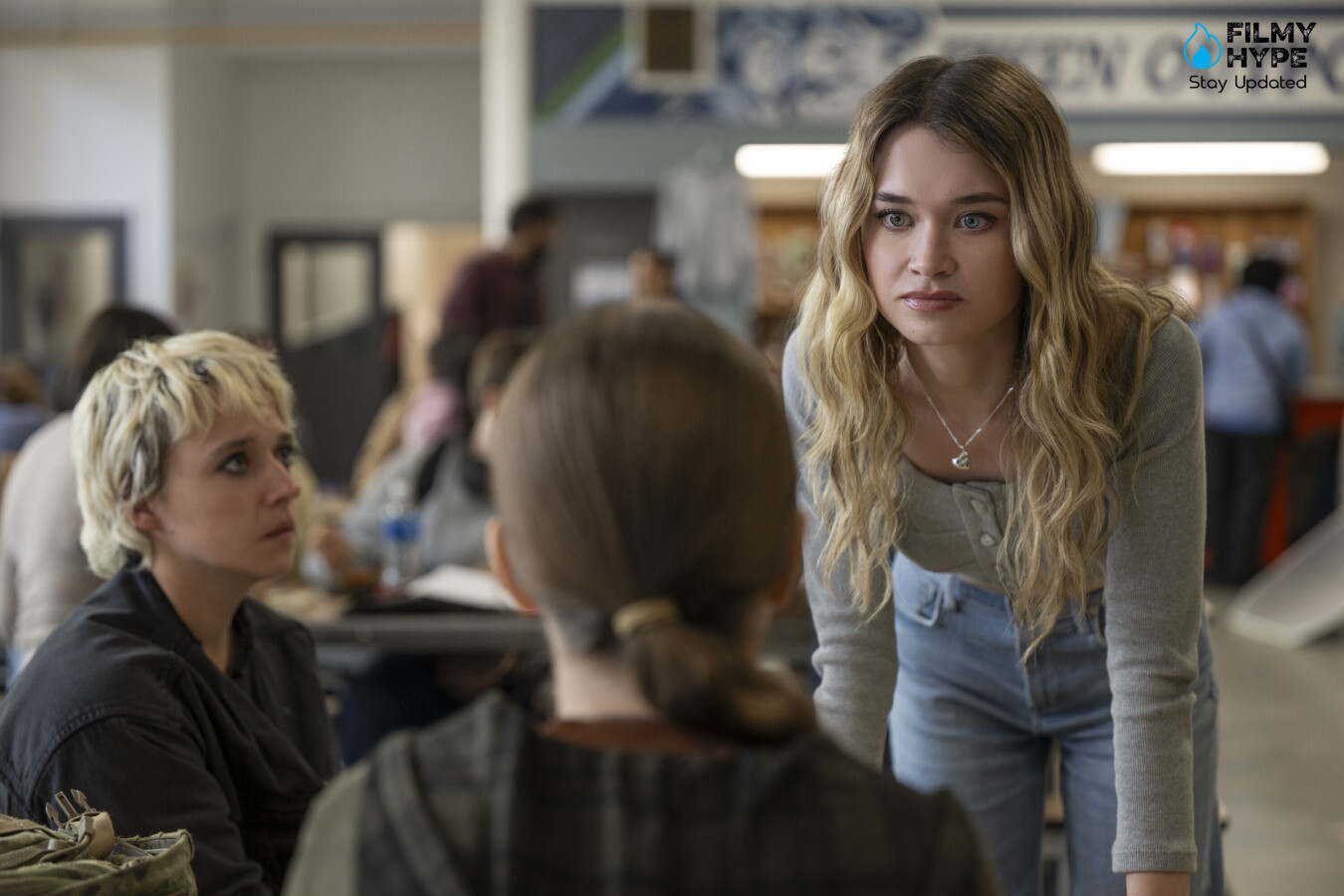
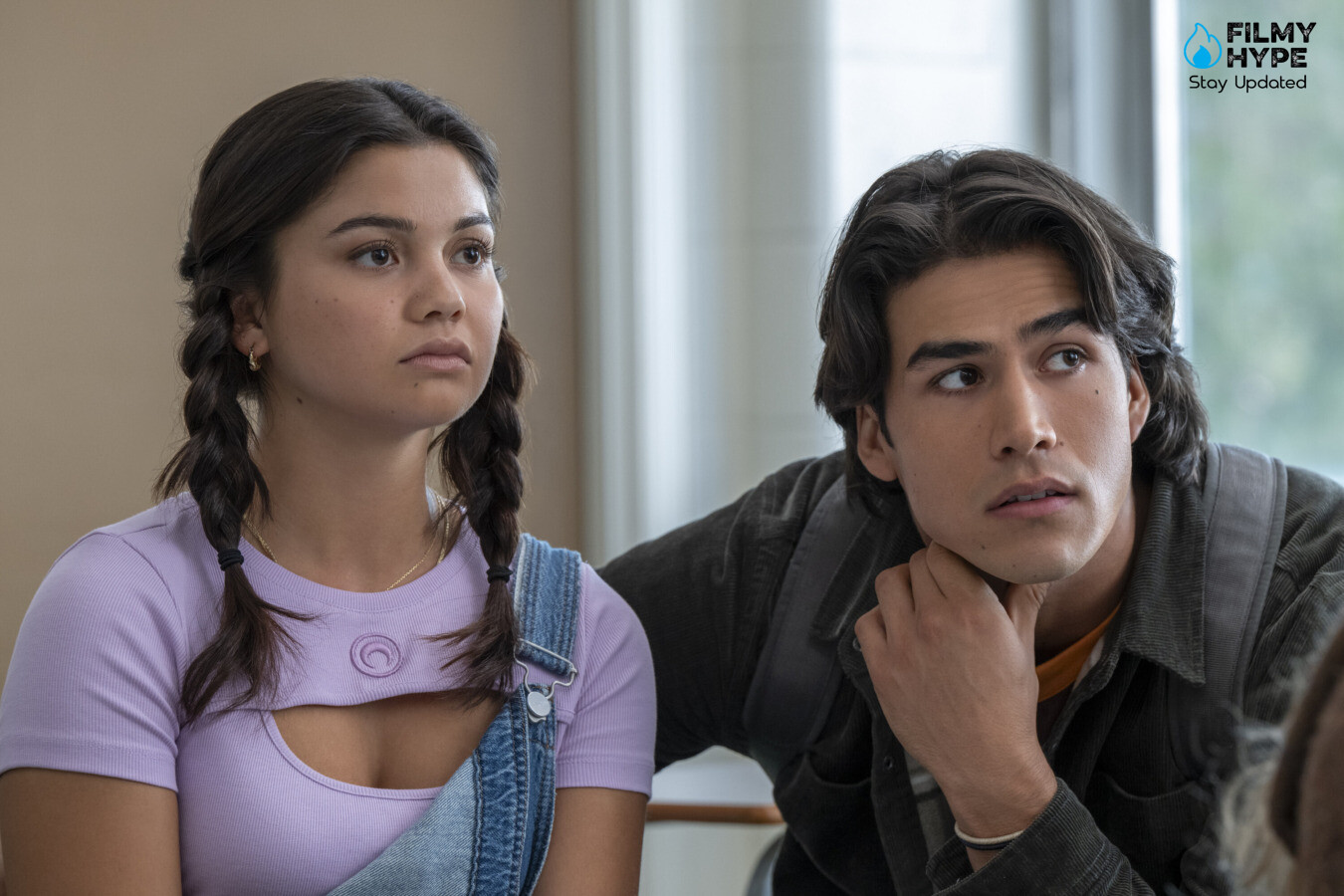
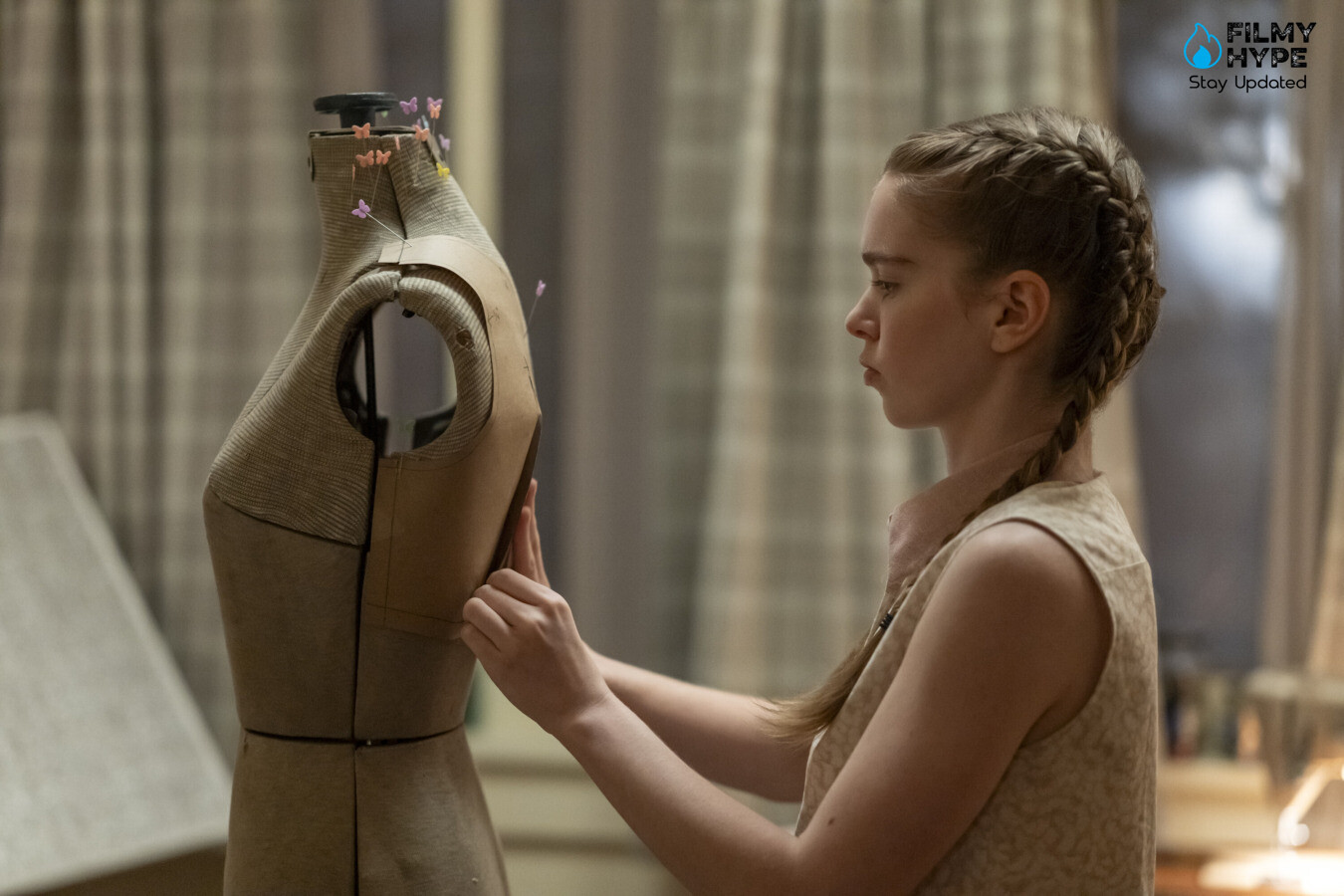
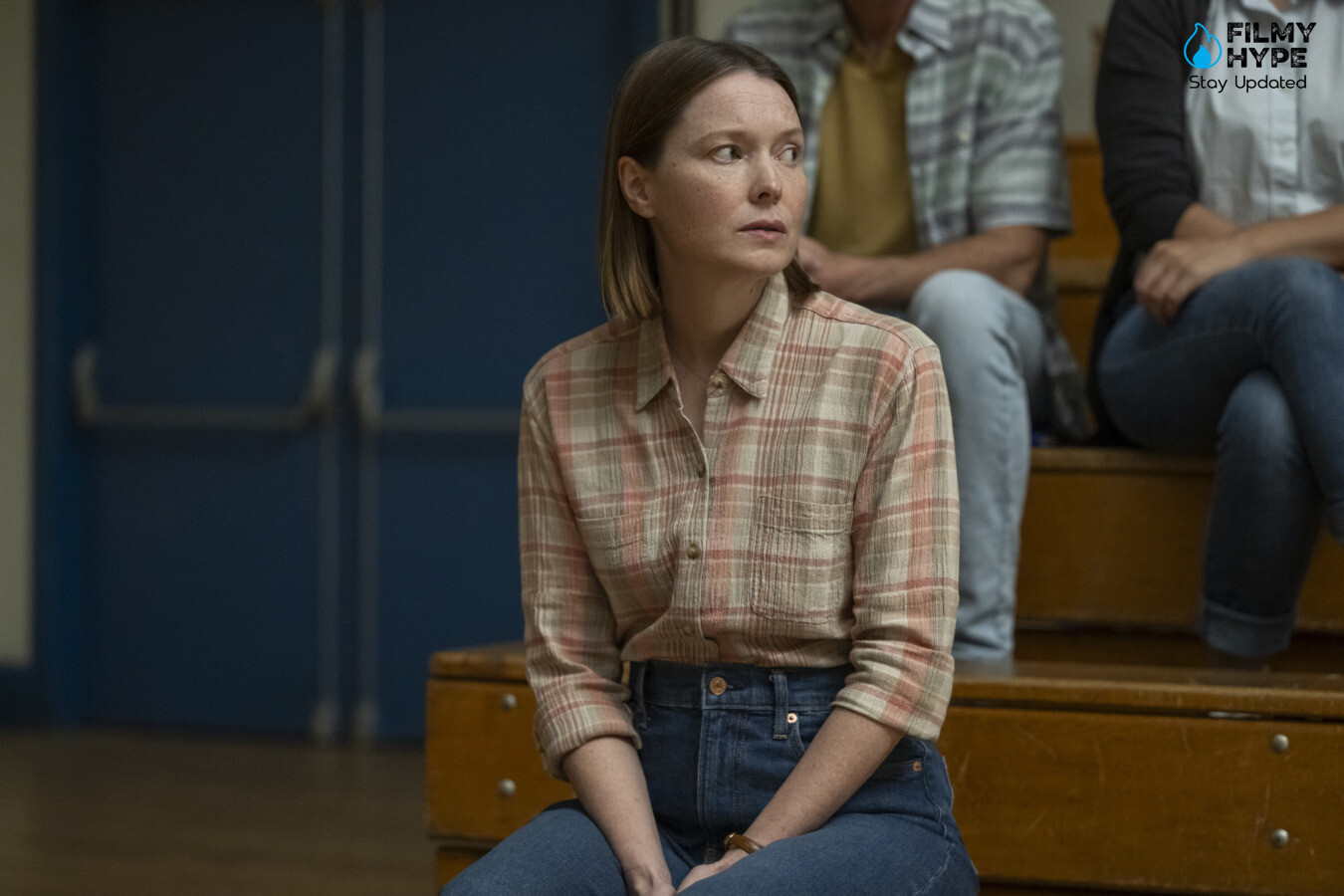
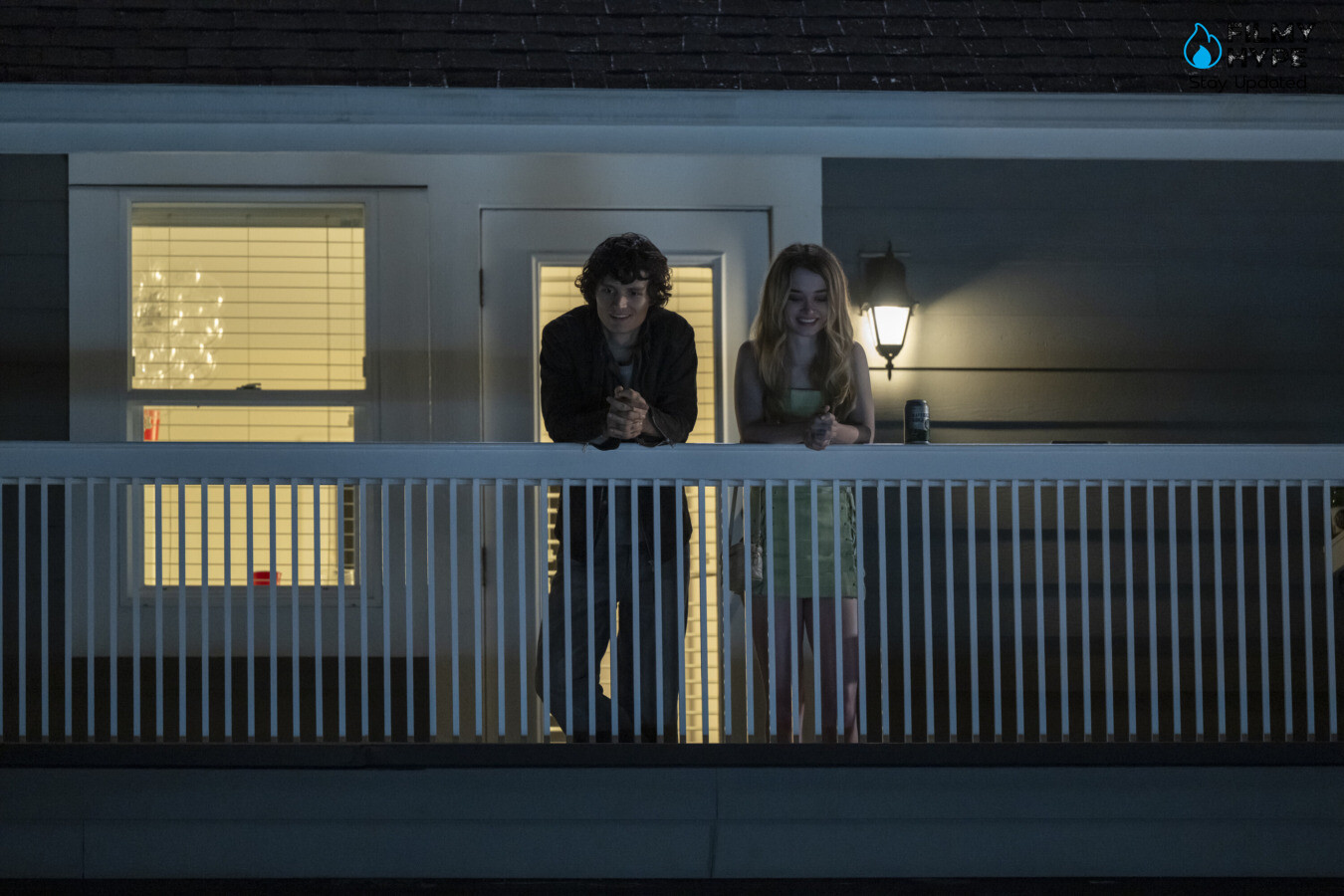
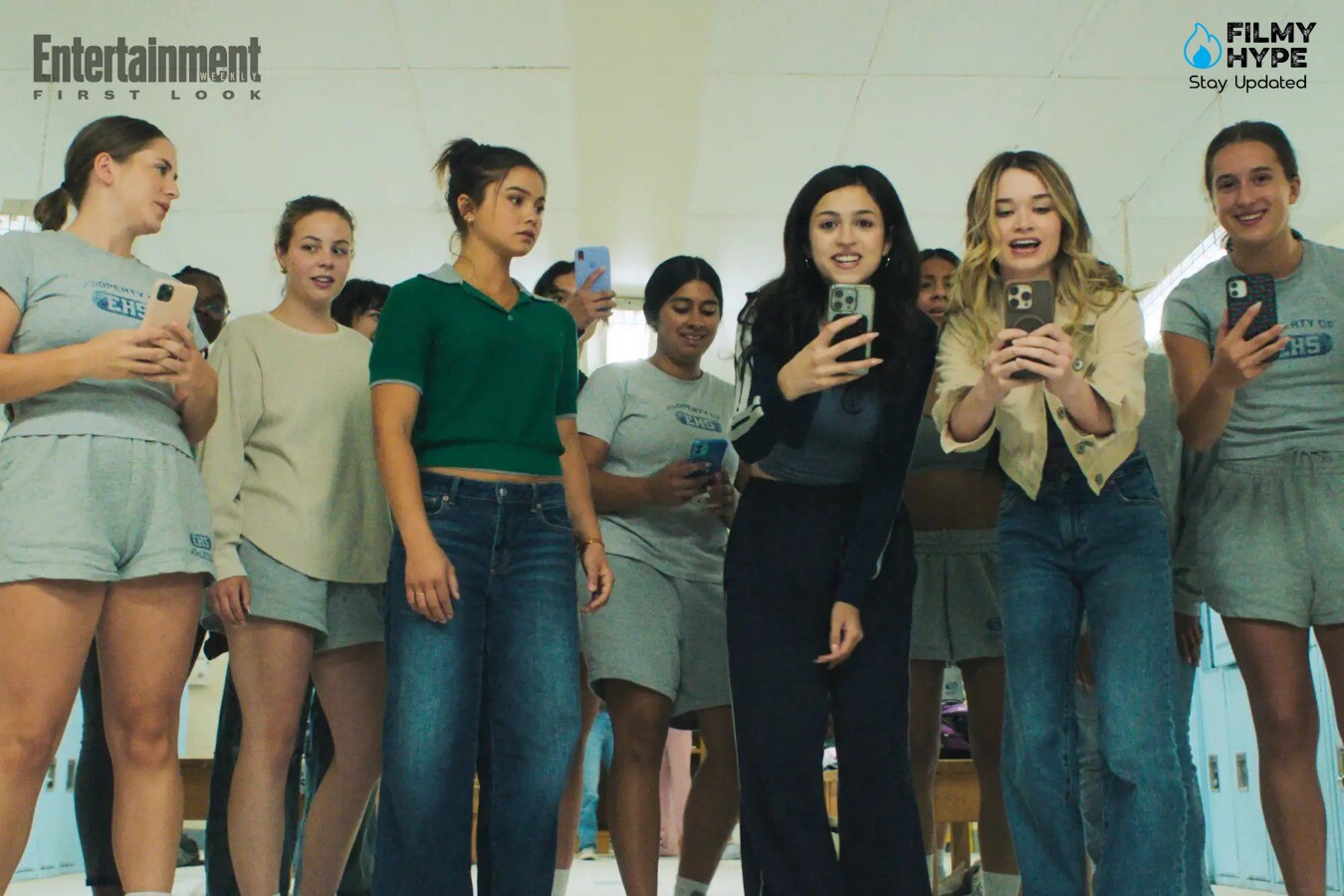
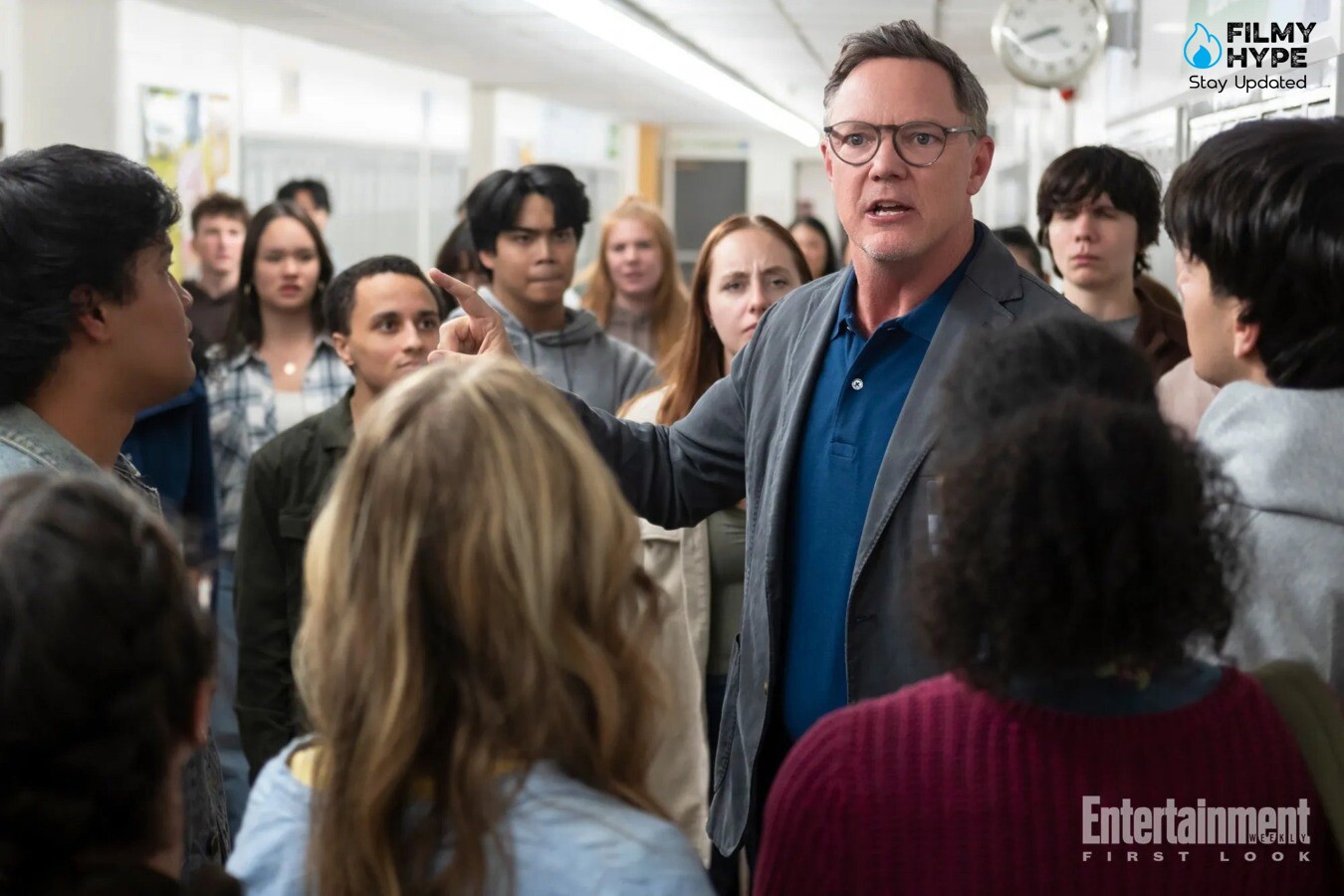
Matthew Lillard will play Director Grayle. This is a new character created for the series, presumably an authority figure at the school who will have to navigate the escalating crisis. Lillard brings decades of genre experience and a particular talent for playing characters whose cheerful exterior masks something more complicated.
Siena Agudong plays Sue Snell, the popular girl whose guilt over her treatment of Carrie drives much of the story’s moral complexity. In the novel and previous adaptations, Sue is the closest thing the story has to a conscience, someone who recognizes her own cruelty and tries to make amends, only to watch her attempt at redemption become the mechanism of Carrie‘s final humiliation.
Alison Thornton plays Chris Hargensen, the antagonist whose vendetta against Carrie escalates beyond all reason. Thalia Dudek plays Emaline, Amber Midthunder plays Miss Desjardin, Josie Totah plays Tina, Arthur Conti plays Billy, and Joel Oulette plays Tommy. Each of these characters will presumably be given more depth than previous adaptations had time to develop.
What Makes This Adaptation Different
Every generation gets the Carrie it deserves. Brian De Palma’s 1976 film was a product of its era, steeped in the visual language of 1970s horror and anchored by Sissy Spacek’s ethereal, almost otherworldly performance. The 2013 version with Chloë Grace Moretz attempted to update the story with modern technology, but it struggled to escape the shadow of its predecessor and was ultimately a fairly faithful retelling constrained by the two-hour runtime.
This series has several advantages that neither film possessed.
First, there’s the format. Eight episodes mean approximately eight hours of storytelling, which is enough time to actually adapt the novel rather than extract its plot. The characters can breathe. The community of Chamberlain can become a real place rather than a backdrop. The slow accumulation of cruelty and complicity that leads to prom night can be shown rather than summarized.
Second, there’s the updated context. Moving the bullying into the realm of social media isn’t a gimmick. It reflects a genuine change in how teenage cruelty operates. The bullying Carrie experiences in the novel is terrible, but it has limits. It happens at school, in specific places at specific times. There are moments of respite. In the age of smartphones and viral videos, there is no respite. The harassment follows you home. It lives in your pocket. It can be shared and reshared until everyone you’ve ever met has seen your humiliation. That kind of inescapable scrutiny maps almost too well onto Carrie‘s situation, and a series has the time to explore what that actually does to a person.
Third, and perhaps most importantly, the series is framing Carrie not as a monster or a victim but as a question. The synopsis asks whether we’re watching the origin of a heroine, a monster, or something more complex. That ambiguity matters. The tragedy of Carrie has always been that she is both sympathetic and terrifying, a victim who becomes a perpetrator on a catastrophic scale. A series that takes that tension seriously, that refuses to resolve it in either direction, could be the most faithful adaptation of King’s novel yet.
When and Where to Watch
The Carrie series will stream on Prime Video. Amazon has been investing heavily in genre programming, and a Stephen King adaptation with this level of talent attached fits squarely into their strategy of competing with Netflix and other streamers for prestige horror content.
As of now, no release date has been announced. The series is still in production, and the casting announcements are relatively recent. A realistic timeline would place the premiere sometime in 2025 or potentially early 2026, depending on the production schedule and post-production requirements. The telekinetic sequences will presumably require significant visual effects work, which adds time to the back end of the process.
What we do know is that the series will run for eight episodes, which is becoming something of a standard for limited series in the streaming era. It’s long enough to tell a complex story and short enough to maintain narrative momentum without the padding that sometimes afflicts longer seasons.
The Legacy of Carrie and Why It Still Matters
It’s worth stepping back and considering why this particular story keeps getting retold. Carrie was published in 1974. It has been adapted into four films (if you count the sequel and the television remake), a Broadway musical, and now two television series. Something about this story refuses to stay on the shelf.
Part of the answer is that the core dynamic never really stops being relevant. Bullying doesn’t go away just because we’ve had decades of anti-bullying campaigns. Religious extremism in parenting doesn’t disappear just because we’ve become more secular as a society. The question of how much cruelty a person can absorb before they break, and what happens when they do, is not a question with an expiration date.
But there’s also something specifically prescient about Carrie that becomes clearer with each passing year. King wrote a story about a girl who is failed by every institution that is supposed to protect her. The school knows she’s being bullied and does little to stop it. The community senses something wrong in the White household and looks the other way. The systems that should catch someone before they fall instead let her slip through every crack. When she finally explodes, everyone acts surprised, but the reader knows better. The reader has been watching the pressure build since page one.
In an era of increased attention to institutional failure, to the ways communities can fail vulnerable people and then express shock when tragedy results, Carrie feels less like a horror fantasy and more like a parable that has been waiting for its moment.
The new series, with its expanded runtime and its commitment to showing the “small everyday decisions” that lead to catastrophe, seems to understand this. Whether it can deliver on that understanding remains to be seen. But the pieces are in place for something that honors King’s first novel not just as a scary story, but as the morally serious work it has always been.

