
Fallout: What Are Ghouls | Memory, Mutation and Survival in Wasteland
Fallout: What Are Ghouls: In the scarred and radioactive expanses of Wasteland, few figures are as iconic, tragic, or philosophically rich as the Ghouls. Far more than just zombies or monsters, they are the embodied memory of the Great War, a walking contradiction of mutation and memory, and a relentless exploration of what it means to remain “human” after the world ends. Among the many inhabitants of the Wasteland, the Ghouls take center stage not only because of their eroded appearance but because of the way the universe Fallout uses them to think about the history after the nuclear apocalypse. The Ghouls function as a living archive, as a persistent testimony of a past that for most became abstract. They are part of the landscape, but also an anomaly that reminds us that radiation not only destroys: it transforms.
Fallout: What Are Ghouls | Memory, Mutation and Survival in Wasteland
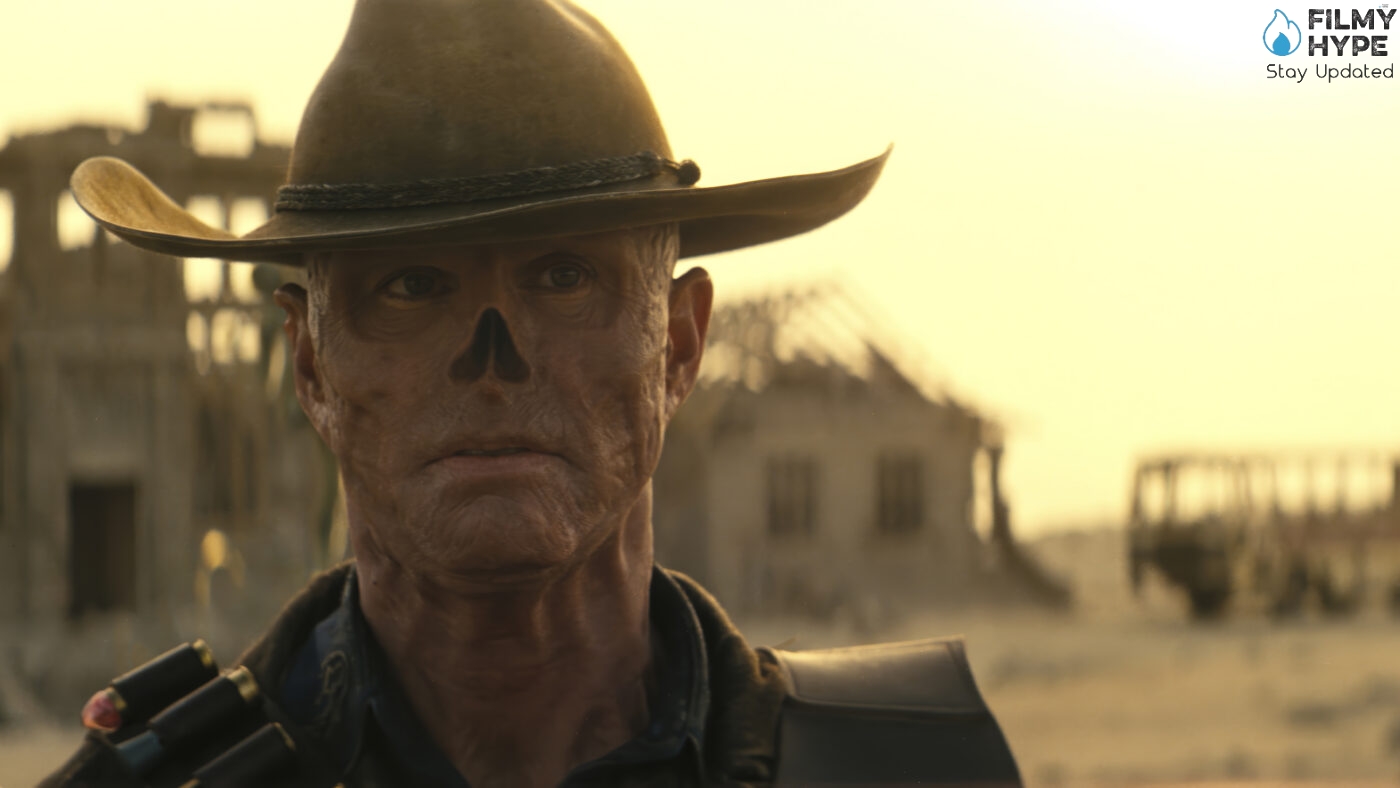
Ghouls are the result of prolonged exposure to high levels of radiation. The mutation stops biological aging, deteriorates the body, and alters metabolic processes that previously defined human life. The skin breaks, the bones become thinner, and the vocal cords change register, but the identity remains. That tension –being and not being human– is the dramatic core of the Ghouls in each installment of Fallout. They are the involuntary witnesses of a historical tragedy and, at the same time, figures who must survive in increasingly savage societies. The Ghouls incorporate a fundamental paradox. They are the most fragile in social terms –marginalized, singled out, monitored– and at the same time the most resistant in biological terms. They live long enough to see human societies repeat old mistakes: factional struggles, cult of technology, xenophobia, and extreme militarization. And yet, they continue forward. That persistence, more than its appearance, defines its function within the mythology of Fallout.
What Are Ghouls? The Science of Survival
Ghouls are humans who have undergone extreme radiation-induced mutation. This isn’t a quick death, but a slow, transformative survival. Prolonged exposure to high levels of background radiation or a concentrated blast (like the initial nuclear apocalypse) alters their biology at a fundamental level.
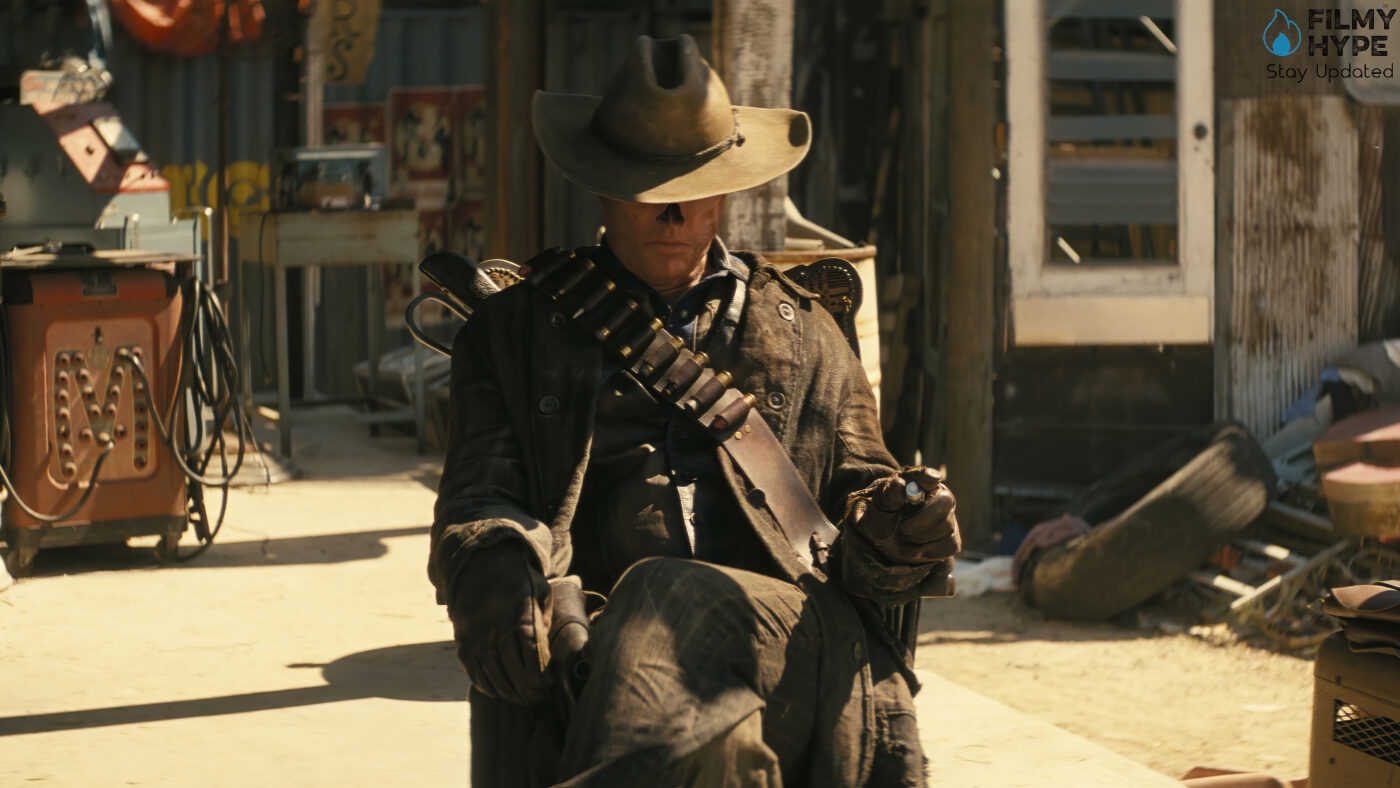
The mutation halts biological aging, grants incredible cellular regeneration, and makes them immune to further radiation damage. But this comes at a horrific cost: the deterioration of physical form. Skin becomes leathery and necrotic, flesh recedes, and vocal cords rasp. Yet, crucially, their minds and memories often remain intact. This core tension—a human consciousness trapped in a decaying, immortal shell—defines their every story.
Feral Ghouls: The Line Between Person and Monster
Not all ghouls retain their sanity. The most common threat in the Wasteland is the Feral Ghoul.
- The Descent: When radiation exposure overwhelms the brain or as a result of extreme psychological trauma over centuries, a ghoul can “go feral.” This is a loss of higher cognitive function, reducing the individual to a predatory, animalistic state.
- The Ultimate Fear: For “sane” or “thinking” ghouls, the specter of going feral is a constant, existential terror. It’s a fate worse than death, representing the final erasure of self. This fear fuels the prejudice against them, as humans see every ghoul as a potential feral threat.
Ghouls as Living History & Cultural Pariahs
This is where the Ghouls’ narrative power truly shines. They are living archives.
- Witnesses to the Apocalypse: Many ghouls are over 200 years old. They remember the world before the bombs, the day the skies burned, and the slow collapse into barbarism. While others piece together history from ruins and holotapes, ghouls lived it.
- The Unwanted Reminder: This makes them socially marginalized. They are ostracized, feared, and exploited across the Wasteland. In settlements like Diamond City (with its “No Ghouls” policy), they face violent prejudice. They are a walking reminder of the horror everyone wants to forget, and their very existence blurs the line between “us” and “them.”
Economic Utility & Exploitation
Paradoxically, their radiation immunity makes them economically vital yet exploited.
- Hazardous Work: Ghouls are sent into the most toxic, irradiated zones to scavenge, repair, and recover pre-war technology—tasks that would kill an unmutated human in moments.
- Second-Class Citizens: They perform this essential labor but are rarely granted equal status, fair pay, or safe housing. Their exploitation is a direct continuation of pre-war social inequalities, proving that even apocalypse couldn’t erase humanity’s capacity for cruelty.
The Ghoul (Cooper Howard): A Case Study in Tragedy
The Prime Video Fallout series personifies these themes through Walton Goggins’ masterful portrayal of Cooper Howard / The Ghoul.
- From Icon to Outcast: Once Cooper Howard, a famous Hollywood cowboy actor representing American idealism, he became “The Ghoul,” a ruthless, centuries-old bounty hunter. His physical transformation mirrors the erosion of his morality and hope.
- A Reluctant Archive: His 200+ year lifespan makes him a direct link between the Old World and the New. His flashbacks aren’t just backstory; they are the foundational memories of the Wasteland itself.
- The Fight Against Ferality: The series introduces a key detail: Cooper uses mysterious yellow vials to stave off the mental degradation that leads to becoming feral. His struggle isn’t just to survive, but to remain himself—a fight for identity against inevitable decay.
The Ethical Heart of Fallout
Ultimately, the ghouls are the moral compass of the Fallout universe. They force every character and player to confront essential questions:
- What is humanity? Is it a matter of genetics, appearance, memory, or morality?
- What is the cost of survival? Is immortality worth the loss of one’s body, community, and eventually, one’s mind?
- How do societies treat “the other”? The ghouls’ persecution is a stark mirror to our own world’s xenophobia and discrimination.
They are not monsters to be mindlessly cleared from a dungeon. They are the tragic heroes, the forgotten historians, and the condemned prophets of the Wasteland—the permanent, painful memory of a world that chose to destroy itself, forever asking if we are doomed to repeat its mistakes.






One Comment