Superman 2025 Movie Review: An Idealistic, Imperfect, But Sincere Reboot
Superman 2025 Movie Review: In the new Superman, James Gunn makes a choice that we might call as radical as it is necessary: he puts aside the heavy mythology, symbolism, and sacredness that have always surrounded the Man of Steel, to give us back a Clark Kent more like an ordinary boy than a messianic figure. The film decisively eschews pomposity, instead embracing a light, playful, almost naïf tone, but without falling into ridicule. And it is precisely here that the real challenge of the film is played out: to talk about justice, truth, and humanity in a disillusioned era, without taking ourselves too seriously, but without even emptying the most classic hero of all of meaning. What do you expect from a comic book superhero movie? Fiasco, action, special effects, and major social and existential themes are addressed metaphorically.
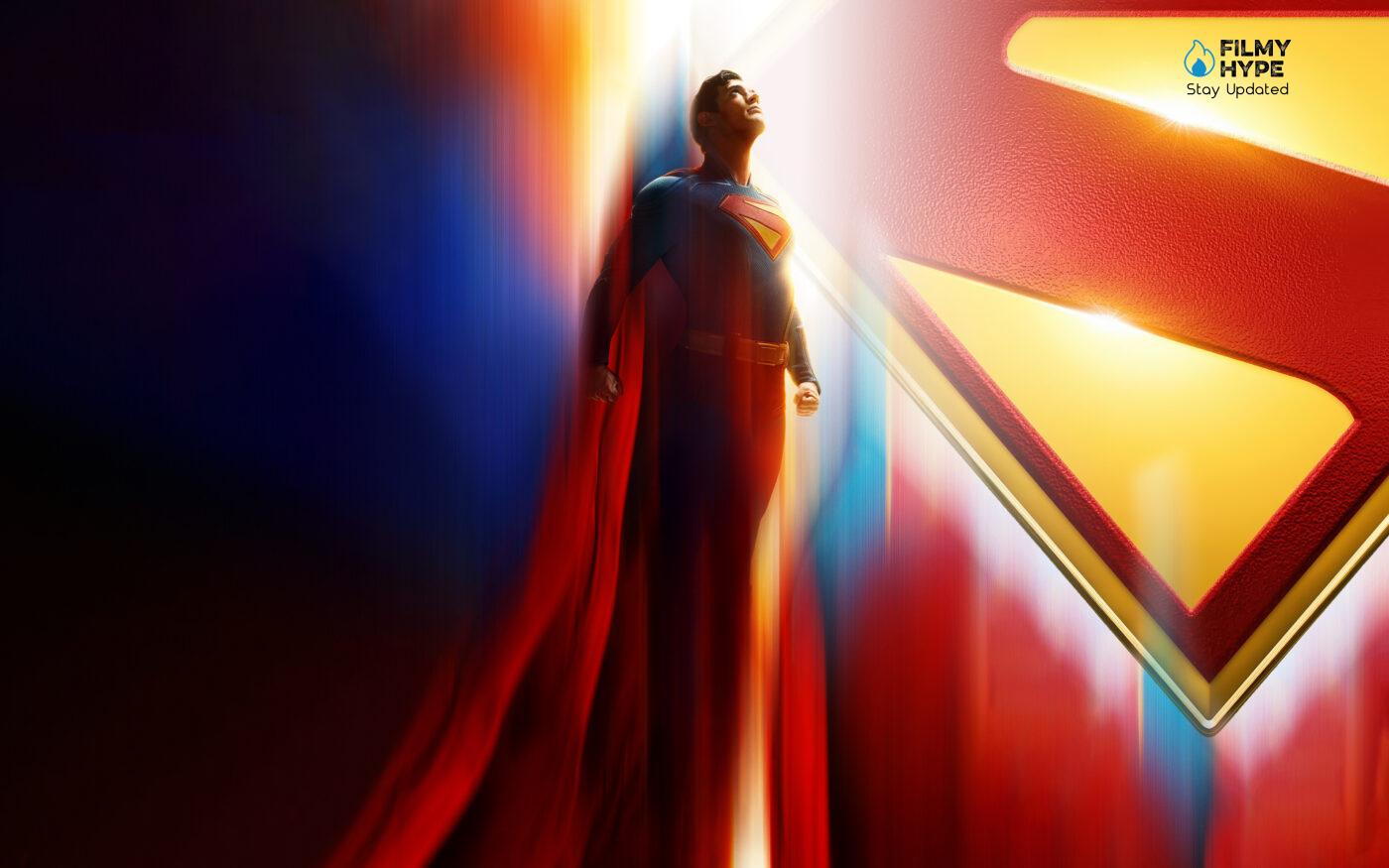
It is in this context that the DCU attempts to relaunch with a new film dedicated to the superhero par excellence, presented this time in a more human and less “alien” guise. We are talking about the last son of Krypton, raised in Smallville and dedicated to the salvation of that land that welcomed, adopted, and loved him. So, Superman is back on the big screen again this year, this time under the direction of James Gunn, already known for his work on Suicide Squad – suicide mission. With Superman, Gunn marks the new course of the DC Universe, which he himself created together with Peter Safran. A universe that follows (more or less openly) in the footsteps of the Marvel Cinematic Universe, focusing on reboots of well-known faces, such as Superman, who from this time has the face of David Corenswet – and on the introduction of new superheroes intended to populate a shared and interconnected world.
Superman 2025 Movie Review: The Story Plot
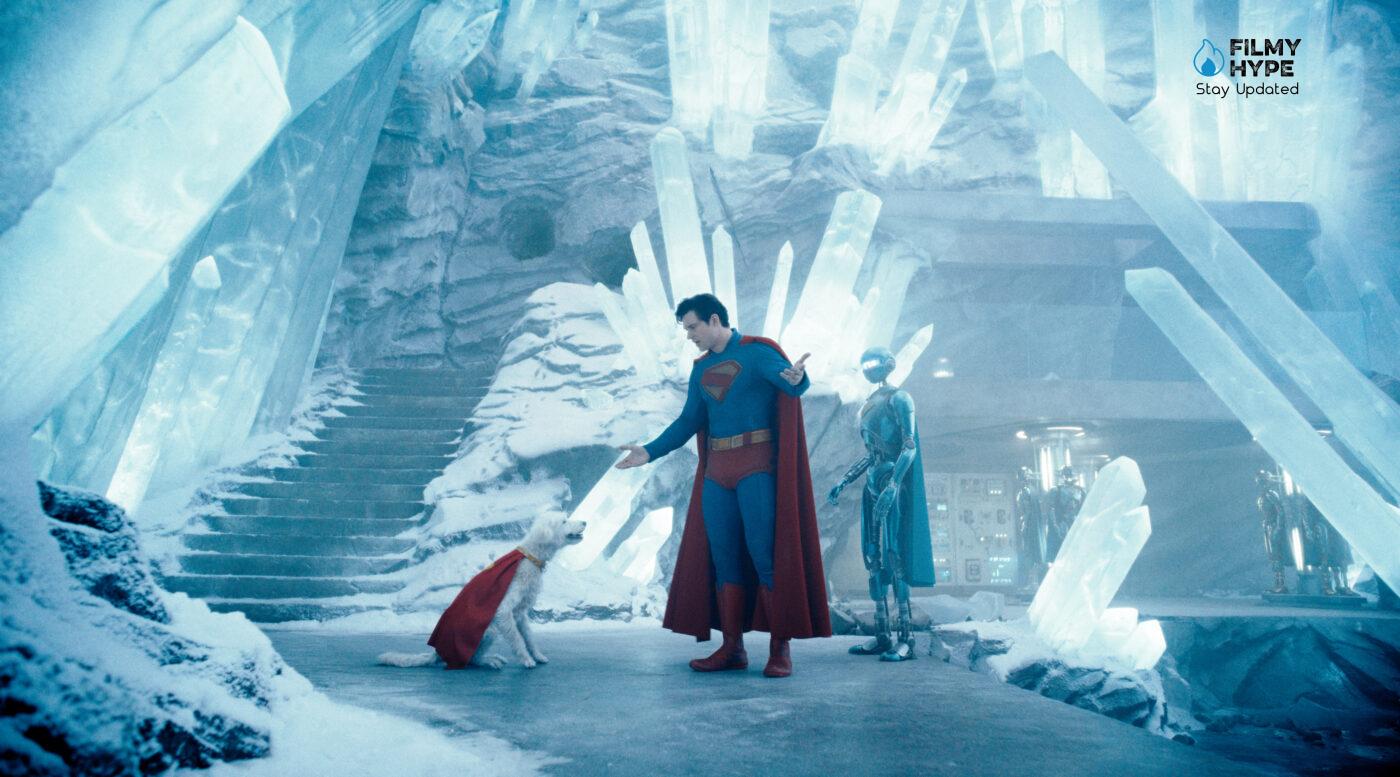
Superman has just suffered a resounding defeat, the first of his long career as a superhero, and is in such bad shape that, to get to his secret refuge in the ice, he must get help from his faithful super dog Krypto. Once he reaches safety he begins to ask himself questions: what reduced him to that state was the metahuman called “Hammer of Boravia”, as a reaction to Superman‘s intervention to protect the neighboring country threatened by the invasion of Boravia (“to free the people from an authoritarian regime”, of course). An intervention in an international issue that is considered by some to be controversial: Superman had the right to interfere in the name of protecting the threatened people, going against a state allied with the United States and unleashing consequences of which, is the humanoid coat that gave him a good alarm just a timid start?
As we delve into Superman‘s thoughts we discover his world, as an alien, saved by his parents while his world ended and entrusted to two good farmers, then raised as Clark Kent, who became a reporter and fell in love with his brilliant colleague Lois Lane, who he knows it’s him, the superhero in the cloak and he presses him well too. Above all, we discover that Superman‘s suspicions about Boravia’s maneuvers were correct and that, behind everything that will happen to him, from the beginning to the end of the film there is a ruthless antagonist moved by ferocious envy and who is also a billionaire with interests that involve precisely, even international politics. Can Superman save the world once again?
Superman 2025 Movie Review and Analysis
The era of origins is over. That Kal-El is an alien from a distant planet, the son of parents full of expectations, and that he was raised in the name of love to give hope to humanity, even the stones know (in fact, James Gunn never wants to see these clichés in a movie again). What matters is not the what, but the why: James Gunn does not revisit the myth of the Man of Steel but proposes it again in the most classic way possible, skipping pleasantries and immediately confronting the protagonist with the most important of questions. What is my purpose on Earth? Superman thinks he knows. He has worn the cloak for three years, he is the guardian of Metropolis and the most powerful Metahuman in the world, yet he does nothing but slap himself. From enemies and life. Not surprisingly, the film begins with a defeat. Gunn’s movie opens in media’s rest: Big Blue is at the center of the world’s political debate, because its mission is about something bigger than the fate of Metropolis alone: he attempted, albeit with questionable and clumsy methods, to stop a war and to save poor human lives from the horrors of a conflict carried out by old and greedy warmongers.
All while powerful, rich, and overly ambitious men try to distract public opinion between fake news and orchestrated disasters, aimed at painting Superman as a monster, an alien, an inconvenient immigrant, who does not want to bring a smile to the world, but intends to bend and deceive it. Remember something, right? But James Gunn‘s Superman is also much more. It is the beginning of a new universe, in which Metahumans, superheroes, villains, gods, and monsters have lived on Earth for three hundred years. And to that extent, the new restart of the DC Universe is in open antithesis to the slow, reasoned, and cautious construction that has characterized Marvel’s path. Gunn gives a resounding middle finger to the original cinecomic classic, catapulting us violently into an already very defined worldbuilding, full of characters, saturated with notions. In some ways, Superman is a difficult film for newbies to introduce, but it speaks very clearly to those who have been navigating the DC Universe and the pages of comics for a long time. And this is both a strength and a value.
Because Superman is a comic who knows perfectly well what he wants to be, without compromise, for better or for worse. But that also makes it difficult to read, at times even repelling in its multifaceted narrative development, in its schizophrenic editing, in the necessity and will to be imperfect. Because he’s like an angry teenager, screaming to be understood, and he vomits everything he can at you. Well, Superman is a lot, it’s too much, for just one film. And as much as Gunn tries to give a defined role to every single character, to all the subplots, in his 2 and 10 hours of viewing, he occasionally loses his compass, becomes unbalanced, and disoriented. For example, Gunn chooses to focus little on the Clark-Superman duo, and finds in David Corenswet the perfect face for this slightly clumsy and out of place semi-divine boy: it is not the secret identity at the center of the story, but rather the search for the Ego, the need for self-affirmation and the pursuit of parenthood.
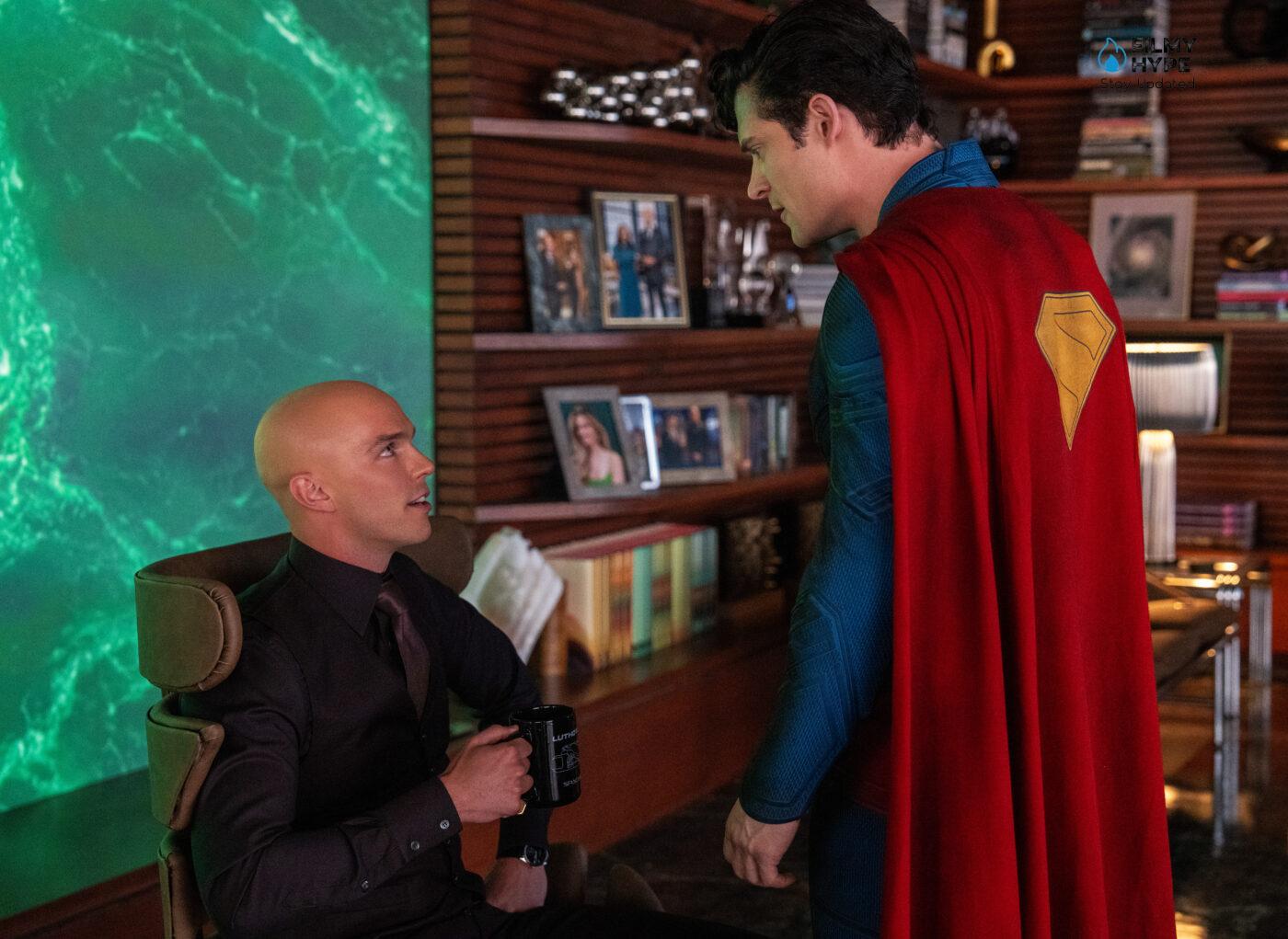
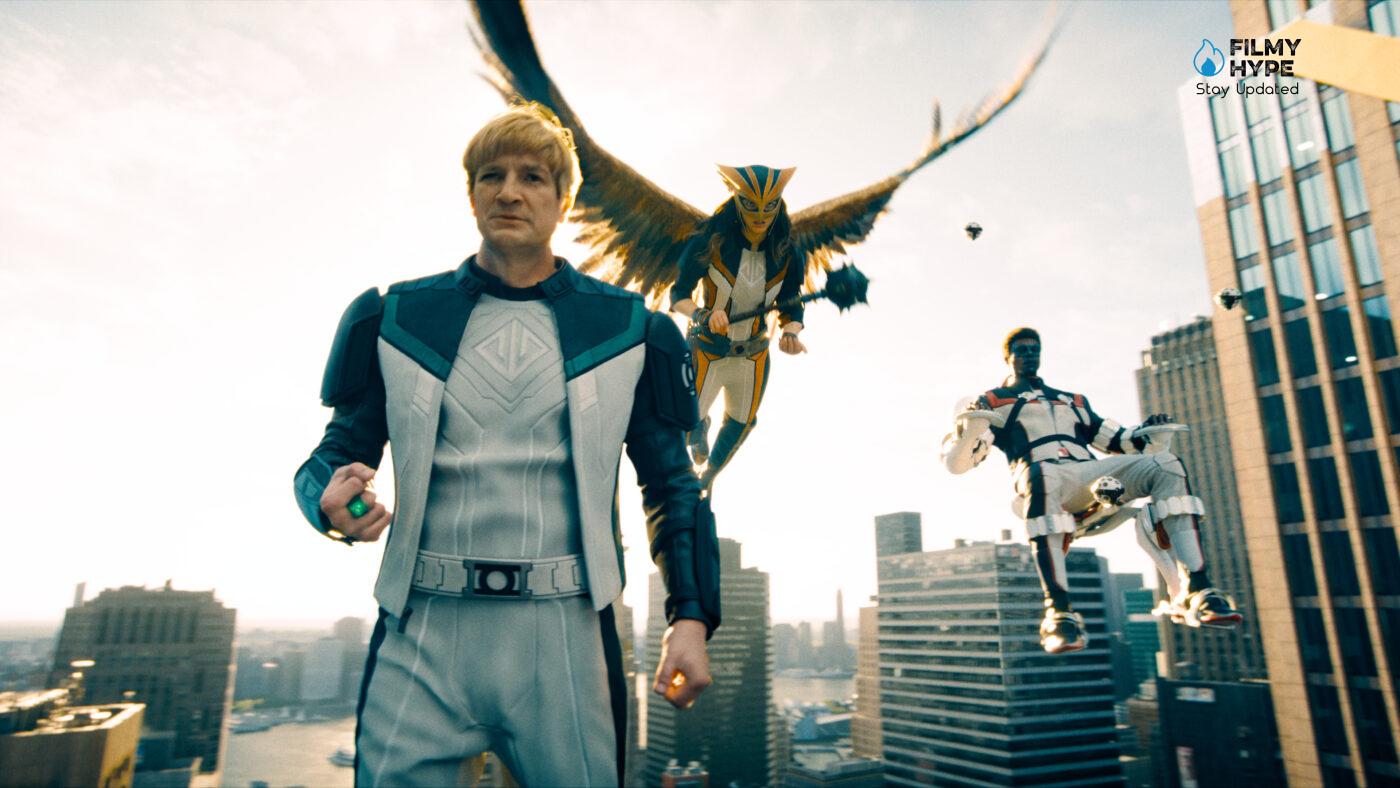
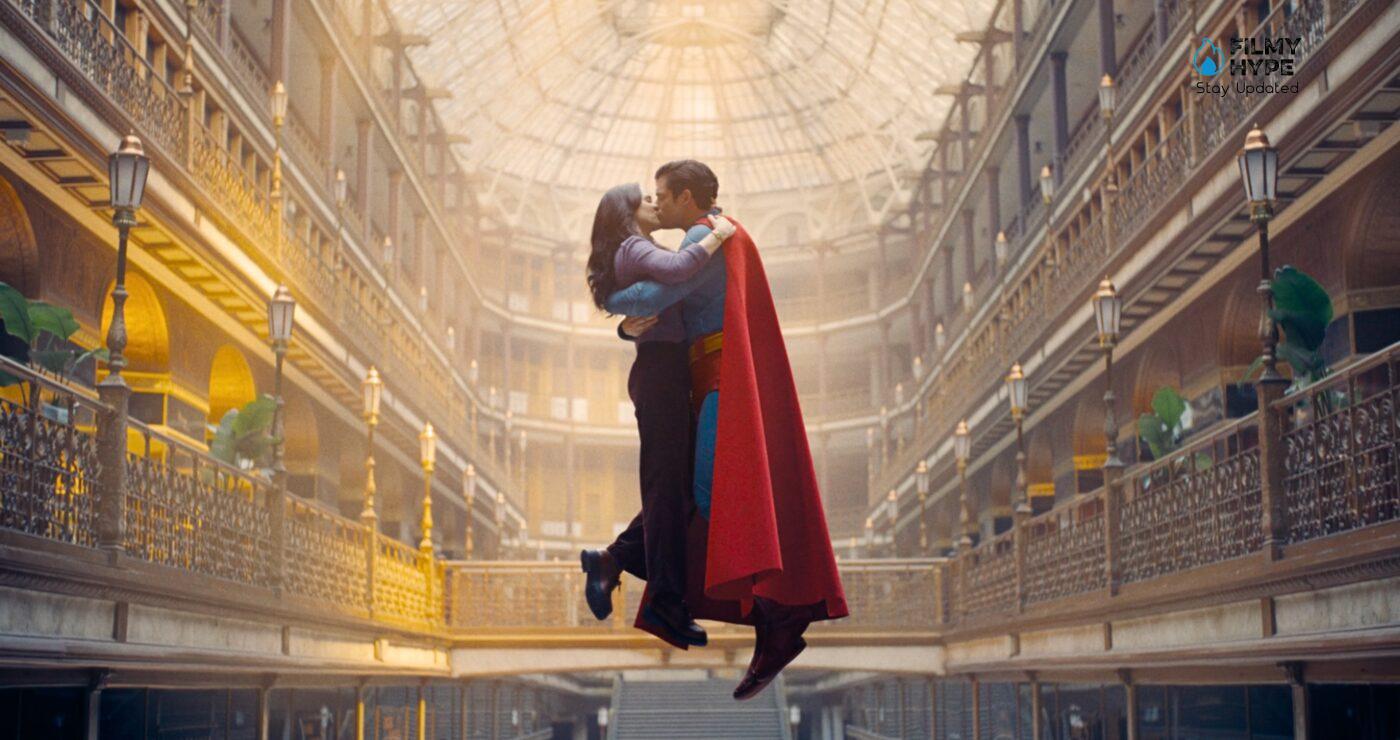
This Clark/Kal-El’s story is also about children who is somehow wrong. Of distorted legacies. How goodness and humanity are not genetic gifts, but a small treasure that must be sought and conquered. Working perfectly is Rachel Brosnan’s Lois Lane, human and tenacious, pressing and determined, the counterweight that calls into question the ideology of Kent and Superman. Instead, Nicholas Hoult’s Lex Luthor trudges along a bit trapped between the principles of a villain tout-court and the need to be caricatural: there is a reason behind all this, and it can be traced back to Gunn’s stylistic signature, but it is precisely because there is too much worldbuilding that the narrative elements often they get lost a little in the ether. The Justice Gang (represented by Green Lantern, Hawkgirl, and Mr. Terrific) is a reflection of this concept because not all secondary characters manage to find adequate space in this crazy and bizarre party that the director of Guardians of the Galaxy brought us to the big screen. So much so that some of them, eventually, become deus ex machina all too easily for plot resolution…
Because James Gunn likes to make films that, on the surface, are stupid. In the best and most naive sense of the term. And so Superman is, at times, a film that wants to be stupid, as if there was no other way to make itself understood. Except that it often doesn’t seem to fit perfectly into its tones: a bit of comic, a bit of comedy, a bit of biting satire on current events, it wants to overdo it, and often disorients. Let’s be clear: there are certainly “Gunn-style” moments, irreverent, exaggerated, enveloping, but sometimes they don’t blend very well with the rest. For example, the action scenes are beautiful, full, clean, spectacular, but they abuse CGI, and the visual gap between the use of human stunts and the total use of computer graphics, in the flight and combat scenes, above all, it’s remarkable. Gunn masks these moments of weakness well, playing with shots and camera movements, but he can’t hide them, and the result is that some of the most bombastic battles seem to come out of the cutscene of a video game. Let’s go back to writing: this Superman takes so many elements for granted that it is difficult to understand a very large universe, but even when he turns to contemporaneity and reality, he is not fully convincing. I repeat it is a political, anti-war film that openly mocks the world establishment, painting “Big Tech” tycoons as brilliant as they are childish and ridiculous, world leaders as wicked as they are grotesque.
When it gets to the heart of its carrier message, though, it also becomes a bit penniless: for example, staging a fairly simplistic war scenario, which becomes mostly cloying despite its sweetness. We must think that a film about the Blue of this magnitude must address practically everyone: adults and children at extremes, but above all to those in the middle, young people and adolescents, the symbols of the hope of tomorrow, and therefore the theme must be clear, clear, understandable. And so, in the end, this Superman leaves more questions than answers. Because he wants to do it. Because in the film there is also a dialogue between Clark and Lois, who compete to see who was more punk when they were young: this comic wants to become the voice, furious and exhausted, of a generation that wants to shout at the world to put an end to nonsense like violence. The fact is, he can’t. But whoever immediately understood a pissed off teenager? Maybe, as someone said, your children will like it.
This new “Superman” by James Gunn will surprise you above all because the director was able to avoid the risk of tiredness which now inevitably grips the superhero cinematographic genre and, also finding a necessary touch of lightness, brings the genre back to what more frankly it should be, which is a nice cinematic comic. Which has the aesthetics of the comic strip (net of the possibilities that new technologies give to visual impact), but above all the simplicity of narration, the desire to even get a few laughs between one noisy battle and another, without forgetting the final message and several references to our contemporaneity that make the story fresh and engaging. That’s all. Mixing these different elements well, we obtain a fun film, between adventure and comedy in which our superhero, despite being alien, is human, too human, desperately human, certainly more than his antagonist who is human of lineage but alien of heart, a heart that beats only for the lust for power fueled by the mountain of dollars accumulated with new technologies. Money that is now no longer enough to satisfy his frustration, so why not aim directly at conquering the world, relying on ambitious and corrupt governments?
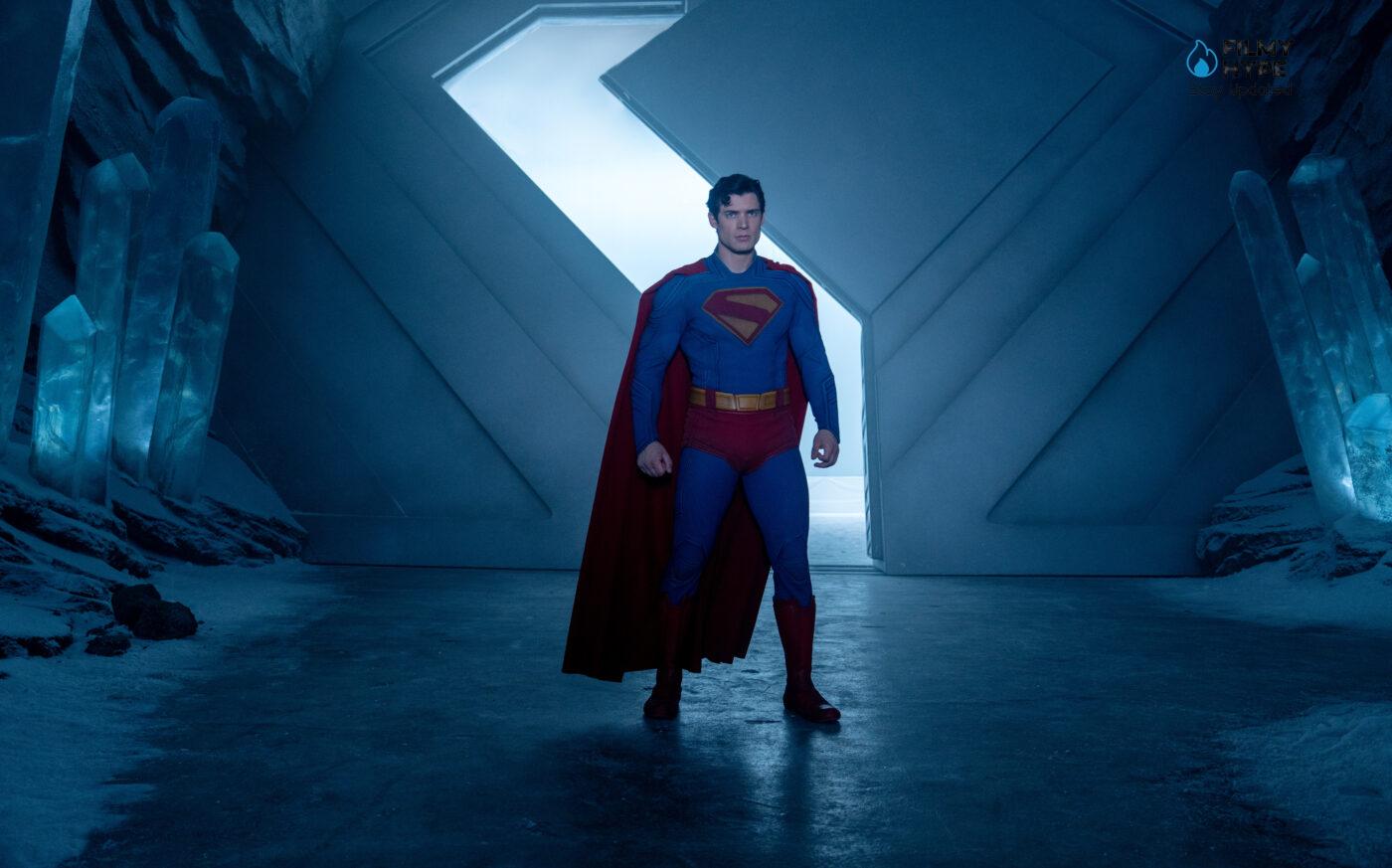
Our Superman is more human than Lex Luthor because he has doubts, asks questions, has insecurities, fragility, and feelings. And’ one capable of turning himself in only to find his dog, who “will be alone and scared”. The dog, or rather the Superdog, Krypto, is the character who holds (together with the very strange Green Lantern) all the playful weight of the comic part of the film on his hairy paws. The relationship with Superman is tender but, above all, hilarious, and Krypto is a character we expect so much from in the next films too! James Gunn‘s direction mixes tones as only he can: we move from over-the-top fights to moments of family intimacy, from nonsense explosions to moral reflections on the sense of justice and responsibility. Its authorial imprint is evident: brilliant dialogues, over-the-top supporting characters, absurd situations, and a pop-punk aesthetic that alternates broken toys with moments of melancholy sweetness. But, compared to his previous works (Guardians of the Galaxy, The Suicide Squad), there is also a genuine affection for source material here. Gunn doesn’t make fun of Superman: he wants to humanize him, and in doing so, he rediscovers him.
Despite the disengaged tone, the film is also –and perhaps above all – a political reflection in a pop key. Nicholas Hoult’s Lex Luthor is a perfect embodiment of the manipulative billionaire of our times: spreads fake news, exploits the mud machine, and orchestrates sex and media scandals to destroy the reputation of his enemy. Gunn’s Superman thus finds himself fighting not only physical threats, but above all a toxic communication system, disinformation, online hatred, and distrust towards ’“the other”. So yes, even though he wears a cloak and has a talking dog with a mask, this film is surprisingly current. David Corenswet holds the role quite naturally: he has the right physique, the right smile, and above all that good-guy expression that convinces him. Rachel Brosnahan is a perfect Lois Lane: cynical, intelligent, witty, with a ‘70s wardrobe that sticks. Nicholas Hoult is an unprecedented Luthor: not charismatic like others before him, but disturbing in his being disturbed, sociopathic, slimy. The problem is that dozens of other characters revolve around them: the Justice Gang, Supergirl, the Engineer, Metamorphose, talking robots, typing monkeys, giant monsters, and interdimensional creatures. Some work, but the film suffers from excessive scattering, as if it wanted to show us the whole DC universe right away in a single bang. The result? Some ideas remain sketchy, others are only hinted at, and still others are wasted.
The film changes tone all the time. It goes from near-slapstick scenes (Krypto stealing food from a pet store) to ethical dialogues about the right of military intervention. From a Superman fighting with fourteen broken bones to a villain running a secret prison camp in the desert. Yet, despite the changing tone, the whole works. Gunn manages to bring together tender moments and ferocious satire, although not always with perfect balance. Some sequences are forced, others brilliant. But it’s controlled chaos, consistent with the film’s message: the world is confusing, even heroes have to learn to navigate it. The real provocation of the film is this: Is there still room for a pure, optimistic, idealistic hero in such a disillusioned world? A world where the public rewards tormented, dark, “mature” superheroes? After Joker, The Batman, and the obsession with the anti-hero, Superman seems almost out of time. But maybe that’s exactly why it’s needed.
The film does not deny complexity, but proposes an alternative. It reminds us that “having a big heart is real punk rock”, as Clark says in one of the film’s best lines. And ultimately, even if this Superman is naive, at times too impulsive or simply “obtuse”, he is the symbol of a need: that of returning to believing that good can exist, even if imperfect. Superman is not a perfect film. Sometimes it’s confusing, too full, too pushed. But it is also a lively, passionate, personal film. A work that is not afraid to expose itself, to fail, to seem “too good” in a panorama saturated with cynicism. How reboot works: it launches the foundations of a new universe, colorful, ironic, but not without depth. As a film in itself, it is a fun experiment halfway between a cinecomic and a moral fable. The real flight will probably arrive later. But for now, we’ve taken off. And it’s already something.
The best advantage of the film is that it has a clear and creative direction. Gunn embraces a style inclined towards his cinema, therefore always over the top, between pop and punk rock, without forgetting the spectator’s right to have fun watching the exploits of these heroes on the big screen. Therefore, maximum attention is given to the fantastic dimension of Superman‘s adventures, the possibilities of metahumans, and the achievements of science. Every element, from emotionality to muscular action, is dosed with great wisdom and finds the ideal dimension in the clash between Lex and Superman. The brain against the muscles, but also an emotional challenge, of those who have everything and would like more, and of those who are trying to build something. The epic of someone who feels perpetually out of place, always wrong, with the heart of the Kryptonian who would only like to save more human lives, while the world wonders if it’s right or wrong. If the Superman–Lois Lane pairing works perfectly, it is the many characters inserted that fall into oblivion: some stand out, while others go unnoticed.
Mr. Terrific and Green Lantern Guy Gardner are very good, but Metamorpho, Hawkgirl, or Rick Flag Sr are bad. The length of the film is generous, but not everyone manages to have their expressive parenthesis. Also peculiar is the rhythm of the film, which presents itself at the start in medias res, amid a clash and a larger plan carried out by Lex Luthor, where Superman is the sacrificial pawn. The lack of Superman‘s –now known – origins is disorienting, but it is also the best hook for attempting a different discussion, on how often, too often, wrong ideals or false memories are built around solid certainty. The inclusion of the dog Krypto does not serve to have a comical parenthesis, but rather to create a mirror of Superman‘s feelings: both at the worst moment will find themselves alone, scared, in a place they don’t know, forced to fend for themselves. Superman is a strange movie. Life’s Gods Gunn’s Best Moments in Cinema, when he talks about feelings, humanity, and how the clash between two opposing ideas always arises from wounds that emerge from the past. Often, to push them away, it is good to fight for what you believe in, even when you find yourself alone against everyone. James Gunn knows this well, and in his latest productions, he has almost boasted about it. This is his Superman, a non-invincible hero, who can always get up, ready to fight for what is right, filled with that humility that his beautifully human parents taught him.
Superman 2025 Movie Review: The Last Words
Perhaps you wanted a cinecomic of more classic origins; you probably would have preferred a more constructed and reasoned introduction to the DC Universe. James Gunn, in response, wears a cosmic ring and gives you a nice giant, emerald green middle finger. Superman doesn’t compromise, for better or for worse: he has too many characters, too much worldbuilding, too many subplots. He wants to overdo it so much that at times he even loses something in dissecting his precious political message. But under this irreverent, schizophrenic, and punk rind beats a giant heart, which unfortunately is not always able to make itself felt. This is why it is an unbalanced film: it wants to speak to everyone, but with its tones, and accepts no other way of doing so. Overall, sadly, it’s James Gunn‘s least successful blockbuster, because his personality (which remains exceptional) often fades into a chaos of other things, and even into a very, too! – invasive CGI. But for the director of Guardians of the Galaxy and Suicide Squad, perhaps, it was time to speak to the new generations with a new, multifaceted, and angry language. At the cost of not being fully understood.
Cast: David Corenswet, Rachel Brosnahan, Nicholas Hoult, María Gabriela de Faría, Nathan Fillion, Milly Alcock
Director: James Gunn
Where to Watch: In Theaters
Filmyhype.com Ratings: 4/5 (four stars)