
The Witcher Season 4 Review: Feels More Like a Bridge to the Finale!
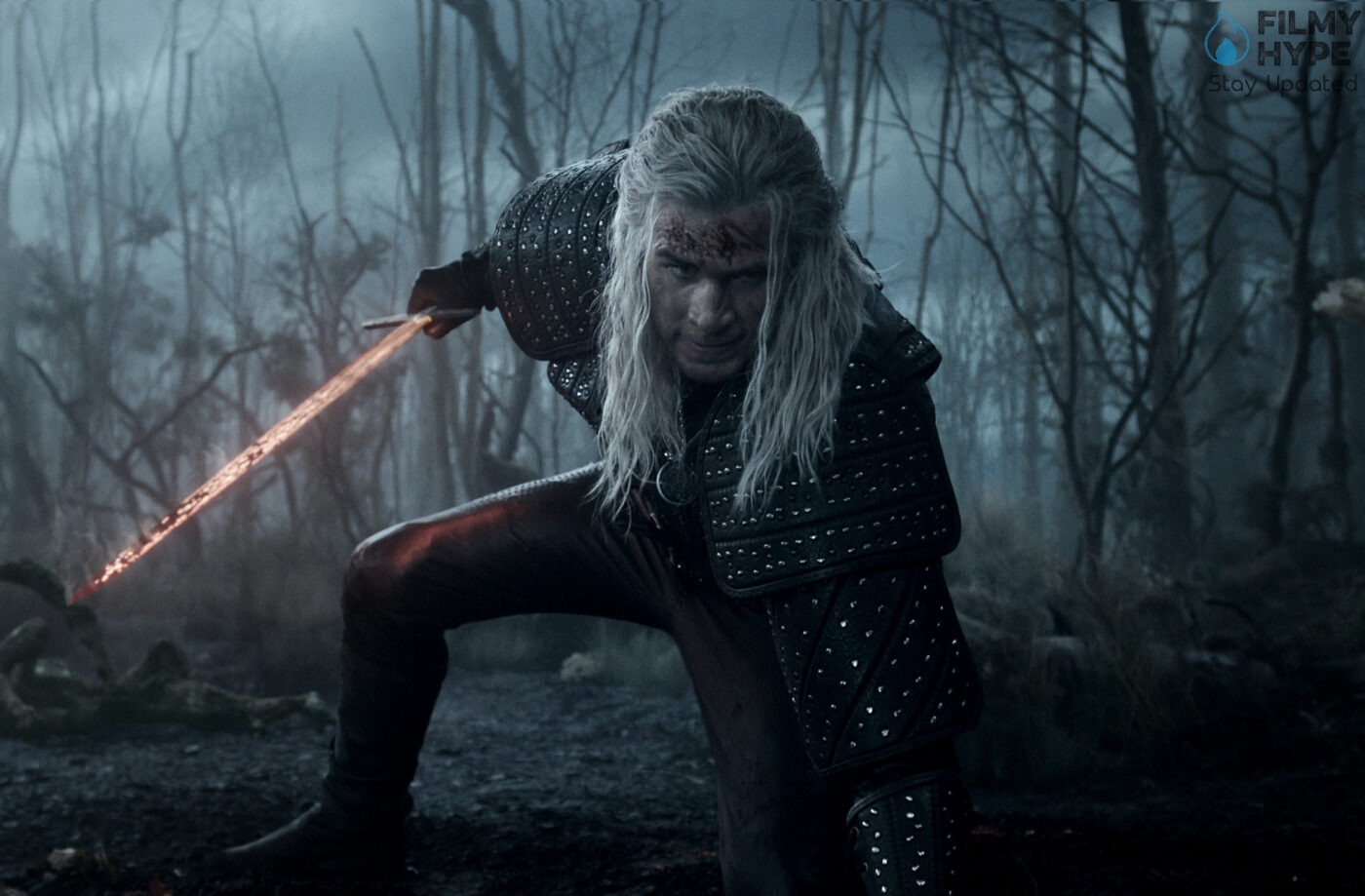
The Witcher Season 4 is a chapter of metamorphosis. After three years inextricably linked to the image of Henry Cavill, the Netflix series entrusts the silver sword to Liam Hemsworth. A passage that no fan could have welcomed without distrust. Yet, once the initial impact is overcome, the series manages to turn absence into an occasion. The new Geralt is less statuesque and more earthly, more vulnerable than heroic. Where Cavill embodies the symbol, Hemsworth represents fatigue. The script takes advantage of this change by making him part of the character: a wounded warrior, forced to start over, who looks at the world with melancholy instead of anger. He is a different Geralt, but consistent with his evolution.
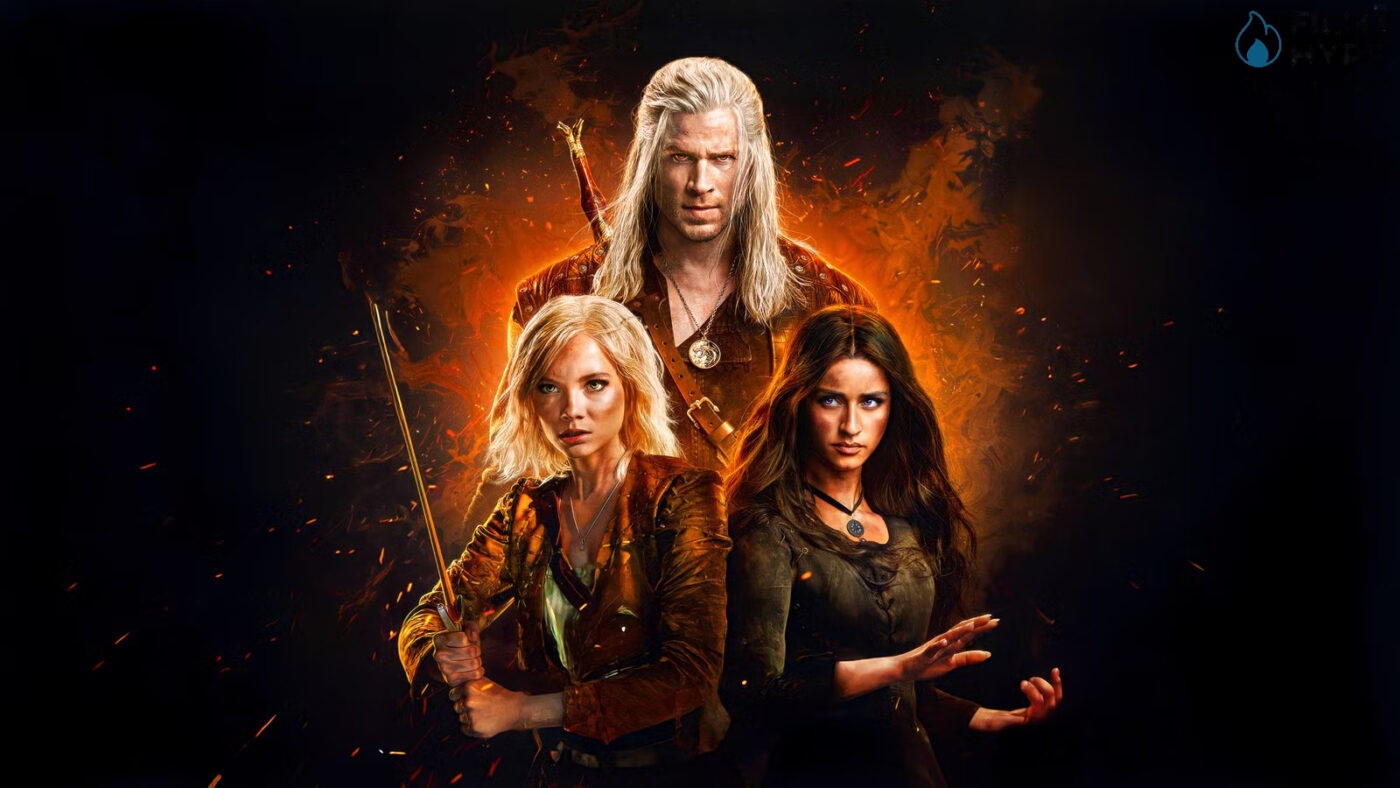
The Witcher Season 4 on Netflix, which largely transposes the novel The Baptism of Fire by Andrzej Sapkowski, takes the form of a solid and compelling fantasy adventure, but it does not achieve excellence. His main role is that of an essential narrative bridge and a crucial turning point, marked by the notable change of performers: Liam Hemsworth takes over from Henry Cavill in the role of the protagonist, Geralt of Rivia. This season, perceived by many as superior to the third, is the “leanest” and least fragmented so far, adopting a structure that effectively divides screen time into three distinct and largely separate adventures for the protagonists: Geralt, Yennefer, and Ciri.
The Witcher Season 4 Review: The Story Plot
The season is divided into three very distinct narrative paths, linked only by the desire for reunion. Geralt, with his knee destroyed after the clash with Vilgefortz, crosses a ruined continent accompanied by Milva, Jaskier, and a group of new allies. The journey is both physical and internal, a long journey of healing that confronts him with new monsters and new fears. Yennefer, however, takes on the weight of leadership: after the destruction of Aretuza, she reunites the surviving sorceresses and prepares for an unprecedented magical war. It is she who brings the most spectacular sequences to the stage, including portals, battles, and precarious alliances. Ciri finally tries to escape from her name. She hides behind Falka’s identity and joins the Rats, a group of thieves and murderers who force her to confront the darkest part of herself. It is his most intimate arc, poised between anger, desire, and self-destruction.
The Witcher Season 4 Review and Analysis
Season 4 corrects many flaws from the past. The story abandons the chronological confusion and rediscovers a linearity that had been missing for some time. The episodes flow naturally, and the division into three parallel lines makes the story more readable, without giving up the geopolitical complexity that defines the world of The Witcher. The eight episodes are built as autonomous chapters of a great journey, with a tighter pace and a more successful balance between action and dialogue. Some central episodes –such as the battle of the sorceresses or Geralt’s long march – finally convey the sensation of witnessing an epic, but also emotional saga. Liam Hemsworth does not replace Cavill; he reinterprets him. His physicality is less charismatic, his voice less incisive, but his acting grows episode after episode. Where awkwardness prevails at the beginning, a vulnerability emerges in the second part of the season that makes the character more human. It does not have the glacial intensity of its predecessor, but it manages to restore the idea of a tired, wounded Geralt finally capable of being guided by feelings. Alchemy with the new group works, especially in quieter moments, when silence becomes language. It’s a less iconic version, but more empathetic.
If the Geralt transformation divides, the growth of Yennefer and Ciri conquers. Yennefer becomes the moral pivot of the season: she makes difficult decisions, leads an army of sorceresses, and demonstrates an authority that writing finally recognizes. Its plot blends power and vulnerability, giving Anya Chalotra the most mature role in the series. Ciri, on the other hand, goes through a more tormented path. Far from Geralt and Yennefer, she experiences freedom as condemnation. The bond with Mistle offers her a shadow of tenderness in a brutal world, but also a reflection of how easy it is to lose yourself. It’s the first time the series has shown her truly alone, and Freya Allan holds the weight with surprising confidence.
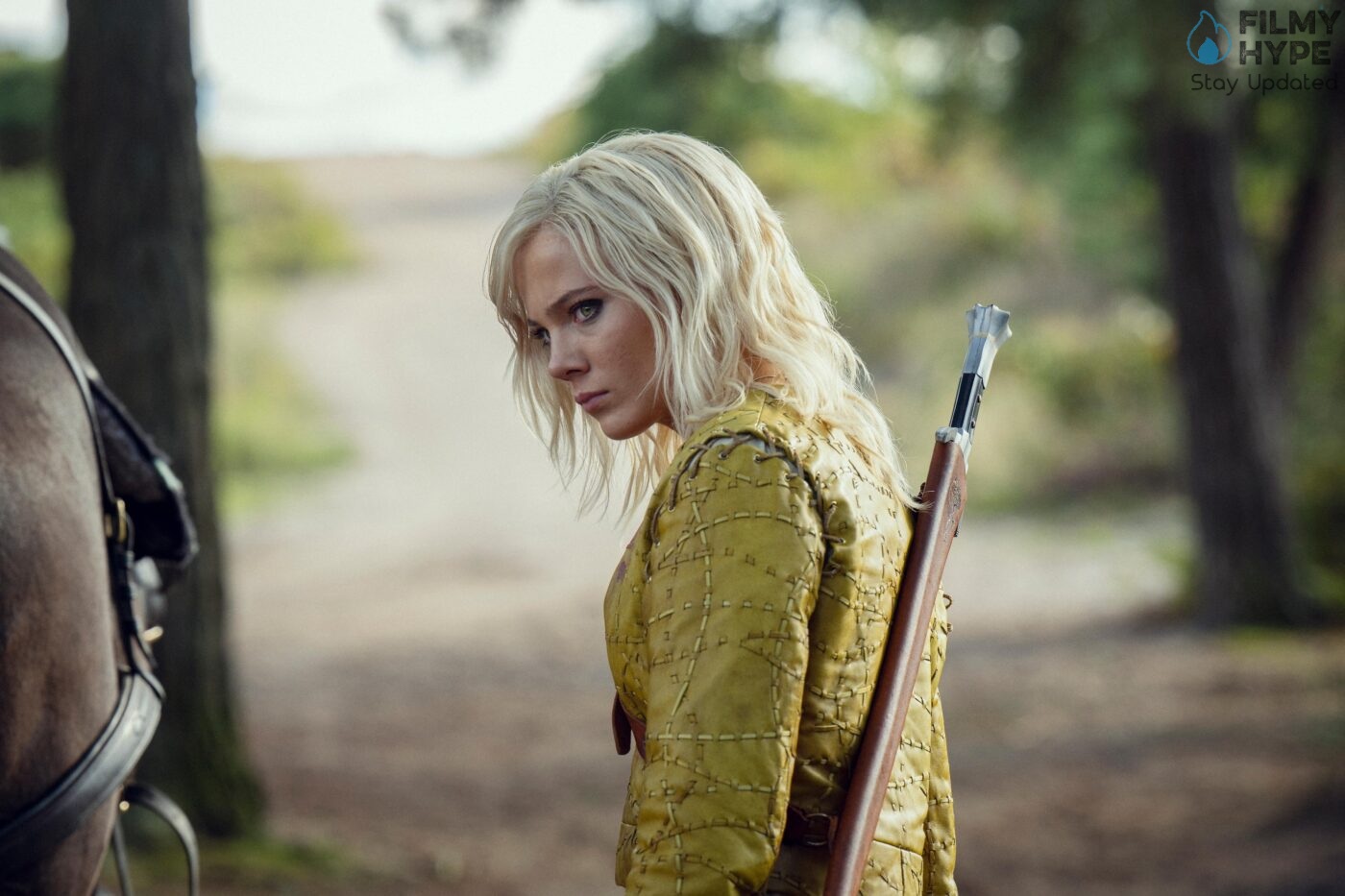
The most debated element is undoubtedly the arrival of Liam Hemsworth. The series addresses the swindle directly, albeit with a narrative “trick” (such as the use of a narrator or a metaphor of “transformation”, cited in some previews, similar to the post-credit scene of Peacemaker), suggesting that the mutated face is the symbol of a deep physical and emotional metamorphosis by Geralt, injured and “out of action” after the events of season three.
- Strengths: Hemsworth offers a physically credible performance in fight scenes. His interpretation is facilitated by the narrative context: his Geralt is a man wounded on a journey of healing and research, who often sees himself as part of a choral group (the Hansa) and not as the only charismatic hero on stage. This allows the new interpreter to build the character with less pressure.
- Weak Points: Despite the expertise, Hemsworth lacks, at least initially, the gruff charisma, the deep and heartfelt melancholy of his predecessor, Cavill. Some critics found it less “imposing” or, at times, a little’ awkward and “uncharisma” (the dreaded definition of “a pole in a wig” echoes in some initial reviews, but subsides as the season progresses).
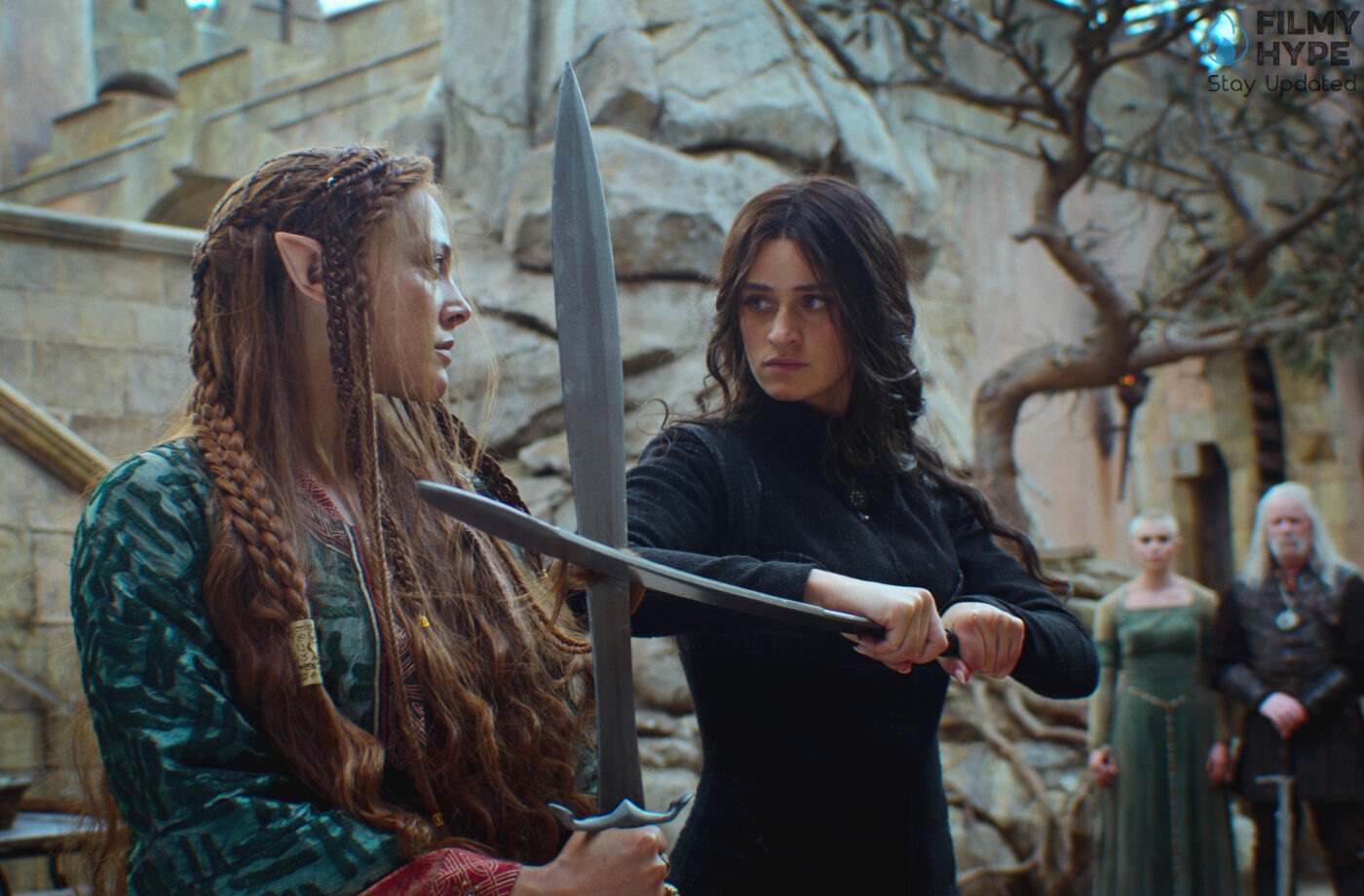
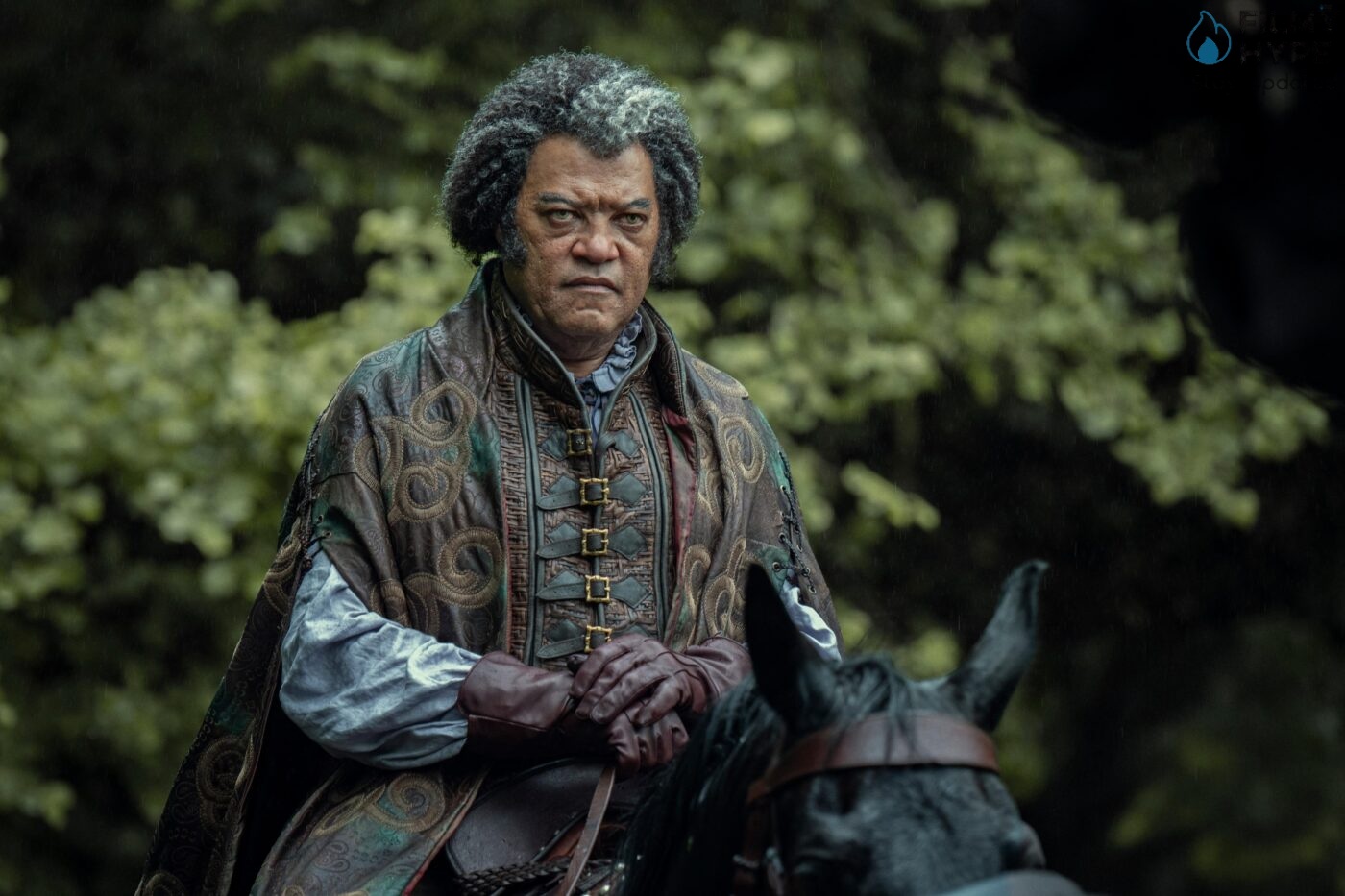
The season is a mosaic of three paths that rarely converge, focusing on emotional drama and individual growth.
- Geralt and the Hansa (The Choral Journey): Wounded and looking for Ciri, Geralt’s path turns into a compelling one-road movie fantasy. It forms new, fundamental relationships by forming l’Hansa, a diverse group that includes the inseparable Jaskier, the skilled archer Milva, the dwarf warrior Zoltan, and, in particular, the excellent new entry, the superior vampire Regis (played by a magnificent Laurence Fishburne). His journey is an ensemble adventure; the most intense and typical moments of the “White Wolf” come especially towards the season finale.
- Yennefer (The Dominant Story): Vengerberg’s Yennefer (Anya Chalotra) has the narrative strand more compelling, direct, and politically relevant. His storyline sees her take on a role of absolute leadership, recruiting sorceresses and attempting to raise an army to face Vilgefortz. His story reaches its peak mid-season with the Battle of Montecalvo, described as an explosion of “magic chaos” and the most important moment of action and strategy of the entire season.
- Ciri and the Rats (The Weak Spot): Ciri’s (Freya Allan) adventure with the gang of thieves known as the “Rats” is considered the weakest and most tedious point. Now known as “Falka”, Ciri is overwhelmed by anger and violence. The continuum pull and spring, and the gang’s “arrogant outcasts” character, make its plot slow and complicated for long stretches. The exception is the development of its intense link with Mistletoe and the introduction of the excellent and vile villain, the bounty hunter Leo Bonhart (played by Sharlto Copley in great shape).
Technically, the season reaches a balance that the previous ones had only come close to. Magical battles, combat choreography, and the variety of creatures keep the visual level high, but they serve the story and not the other way around. The episode set in Montecalvo, with the convergence of sorceresses in a single front, is one of the most spectacular moments in all of The Witcher. But even the most intimate scenes –such as the nocturnal dialogues between Geralt and Regis – show a direction that is more attentive to the characters than to the pure effect. Everything this season seems to set the stage for the grand finale. The narrative lines do not close, but are arranged waiting for a showdown. There is the taste of a calm before the storm, of a world about to explode. Yet, instead of frustrating, this incompleteness works: The Witcher Season 4 is not the season of answers, but that of maturity. She doesn’t aim to surprise, but to build – and in this sense, she is the most aware of the series. Maybe less brilliant, but more solid.
The Witcher Season 4 Review: The Last Words
The Witcher Season 4 is the season of transformation: a change of face, more mature writing, and a world that finds order. Hemsworth doesn’t match Cavill, but he holds his own. Yennefer and Ciri shine, and the series finds a new direction before the grand finale. Despite the successes (Yennefer, Regis, the Hansa) overcoming missteps (Ciri’s pace), The Witcher Season 4 feels incomplete and not self-contained. Works more like the first half of a split final season, which has a seasonal narrative arc in its own right. The focus of the series shifts from a Geralt-centric to a choral structure, with Yennefer dominating emotionally and Ciri struggling to find her pace. The effectiveness of the Geralt transition and the addition of new entries of value (like Regis and Bonhart) save the play, but the ending turns out clumsy and lacking an appropriate and satisfactory cliffhanger seasonal closure.
Cast: Liam Hemsworth, Anya Chalotra, Freya Allan, Joey Batey, Laurence Fishburne, Mecia Simson, Cassie Clare, Meng’er Zhang, Hugh Skinner, Robbie Amell
Director: Sergio Mimica-Gezzan, Tricia Brock, Alex Garcia Lopez, Jeremy Webb
Streaming Platform: Netflix
Filmyhype.com Ratings: 3.5/5 (three and a half stars)



One Comment