
The Sandman Season 2 Volume 2 Review: Closes An Ambitious and Visionary Saga With Strength and Poetry
Filmyhype.com Ratings: 4/5 (four stars)🌟🌟🌟🌟
The Sandman Season 2 Volume 2 marks the conclusion of one of the most ambitious fantasy series of recent years. After laying the foundations of the conflict in the first volume, this second part tightens the circle with a darker, more intimate, and definitive tone, offering viewers a melancholy yet satisfying epilogue. The Dream King, Morpheus, faces the most serious consequences of his millennial existence as the universe of the series opens up to new emotions and reflections. “All stories end sooner or later. If only to get new ones started.”. There is no greater truth than this, even if there are stories that we wish would never end. One of these is that of The Sandman, the fantasy series inspired by one of the most beautiful literary sagas of all time, published by DC Comics and created by Neil Gaiman, which has just ended on Netflix with the last five episodes of its second season, available from July 24, 2025. This story, made of mythology, religion, reality, and fantasy, turned out to be, from start to finish, a real enchantment.
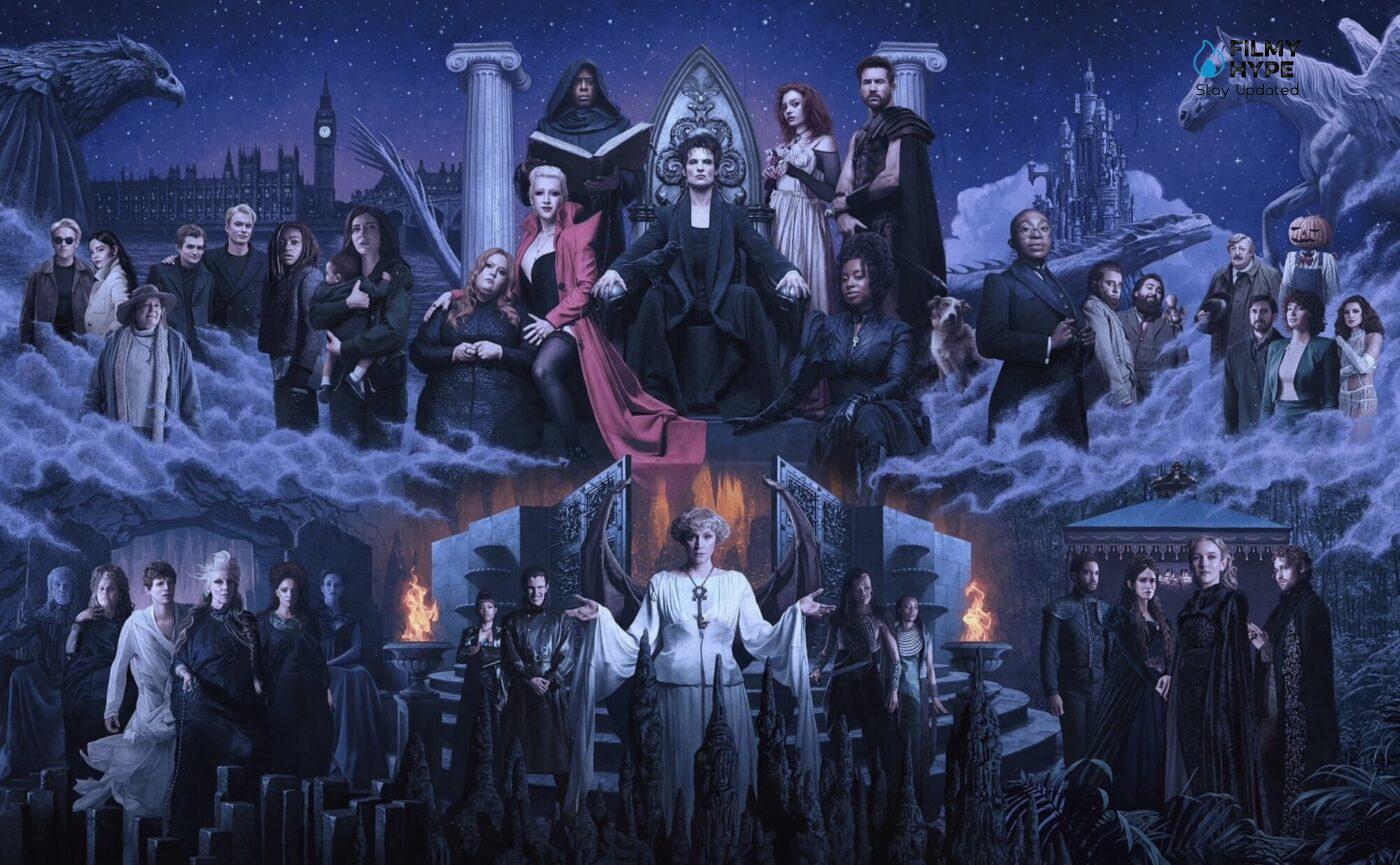
Saying goodbye to a series to which you are emotionally attached is never easy, especially when you are dealing with a product of excellent quality, just like The Sandman which takes care of the dialogues, settings, characters, special effects with a shocking detail to the point of being able to make us forget the outside world and convince us, to the end, that the world of dreams exists, as does its king, Morpheus, the one who shapes dreams but at the same time also creates nightmares. It is a series that manages to make us believe that death has a friendly face and a kind soul, that delirium, as well as desperation and desire are part of life and also have these, their importance and that, in the end, what matters is living your existence in all its imperfections and leaving a memory in those you have met along the way. After returning with hers second chapter three years after the first season which we can consider without a shadow of a doubt an absolute masterpiece of the fantasy genre – and the advice is to review this series several times to grasp every detail, reference and connection between the episodes – now The Sandman offers us its grandiose ending, a phenomenal story conclusion to say the least of those who are not often seen on the small screen but who, once witnessed, have the power to remain in the mind and heart forever.
The Sandman Season 2 Volume 2 Review: The Story Plot
Many of the problems are evident (paradoxically both for those who know the original material and for those who are not familiar with Gaiman’s work) already from the plot of this second season: as already mentioned in our preview of The Sandman (here you can retrieve ours preview on The Sandman 2), let’s resume contact with Morpheus (Tom Sturridge) when he finally manages to reassemble and rebuild his kingdom, unaware of Lucifer’s ongoing revenge (Gwendoline Christie) and of a mysterious prophecy that his brother Destiny (Adrian Lester) started to perceive. Just a few episodes are enough to realize the sometimes-frantic speed of the season and how the screenwriters have tried in every way not to leave open knots, regardless of how useful or not they might have been to the “main” plot. Lucifer’s infamous plan and what follows from it, for example, has essentially no or almost no impact on the rest of the story, but was implemented as it represented the real cliffhanger of the first season. It couldn’t be cut, but 3 episodes weigh like a boulder on the general rhythm, and in cascade, they cause quite a few problems.
Without giving any spoilers, the final arc of Sandman is an enormous reflection on the meaning of a dysfunctional family and on the ambivalence between responsibility and the desire to recognize one’s mistakes, one’s shortcomings, one’s critical issues that are repeated cyclically (and to take almost ironic responsibility for them). Universal themes, as in any self-respecting fantasy, but which, in fiction and its frame of reference, when compared to complex and crucial beings such as the Eternals, take on a catastrophic weight, to say the least. Here, it is extremely difficult, if not impossible, to carry forward similar issues when, first of all, you don’t have the slightest time to delve deeper into the Eternal family and their relationships. And so they are reduced to supporting figures, who come into play only when it is their turn to interact with Sogno and little more, without a structured and showcased personality, without a history and a past that can support them, without of a relational modality that is not mocking or tolerating oneself (which is the starting point, but there’s never evolution).
Mind you, we are not at all claiming that they are mediocre or inconsistent characters, on the contrary, but rather very light in terms of characterization and made intriguing only thanks to majestic interpretations, from Kirby Howell-Baptiste (Death) a Mason Alexander Park (to say the least iconic in the role of Desiderio) passing through Esme Creed-Miles and Donna Preston. A superficiality, although obligatory in some ways, cannot do them justice, and sadly, extends to any new entry in the second season, even those who have fairly important roles. Not only that, but it also becomes difficult to even keep track of their relationships with Sogno and his realm, which become, depending on the case, very close or very problematic in the space of a few episodes, and with very little context offered.
The Sandman Season 2 Volume 2 Review and Analysis
If the first six episodes of the second season of the series were a sort of introduction, of waiting, of presentation of the new characters, it is right here, in the last five episodes of the series, which hides the best of this season and the entire series which reaches its highest peak in the last episode, the eleventh, “A Tale of Graceful Ends”. A very powerful episode that will make the history of the small screen for its expressive power, for its philosophical nuances, moral reflections, literary references, and for those teachings on death, and consequently on life, which each of us should treasure. The ending of The Sandman it’s a painting. There is poetry, sweetness, there is pain, emotion, and magic. This series is a sensational ending to say the least, and to think that it corresponds to the episode of the entire series in which the least things happen. But in a well-told story, you don’t necessarily need action to make a difference. Indeed, the most important part is the still moments, those in which the characters take time to reflect; they reveal their nature, their essence, the qualities they have, but above all those imperfections that make them special and, consequently, unforgettable.
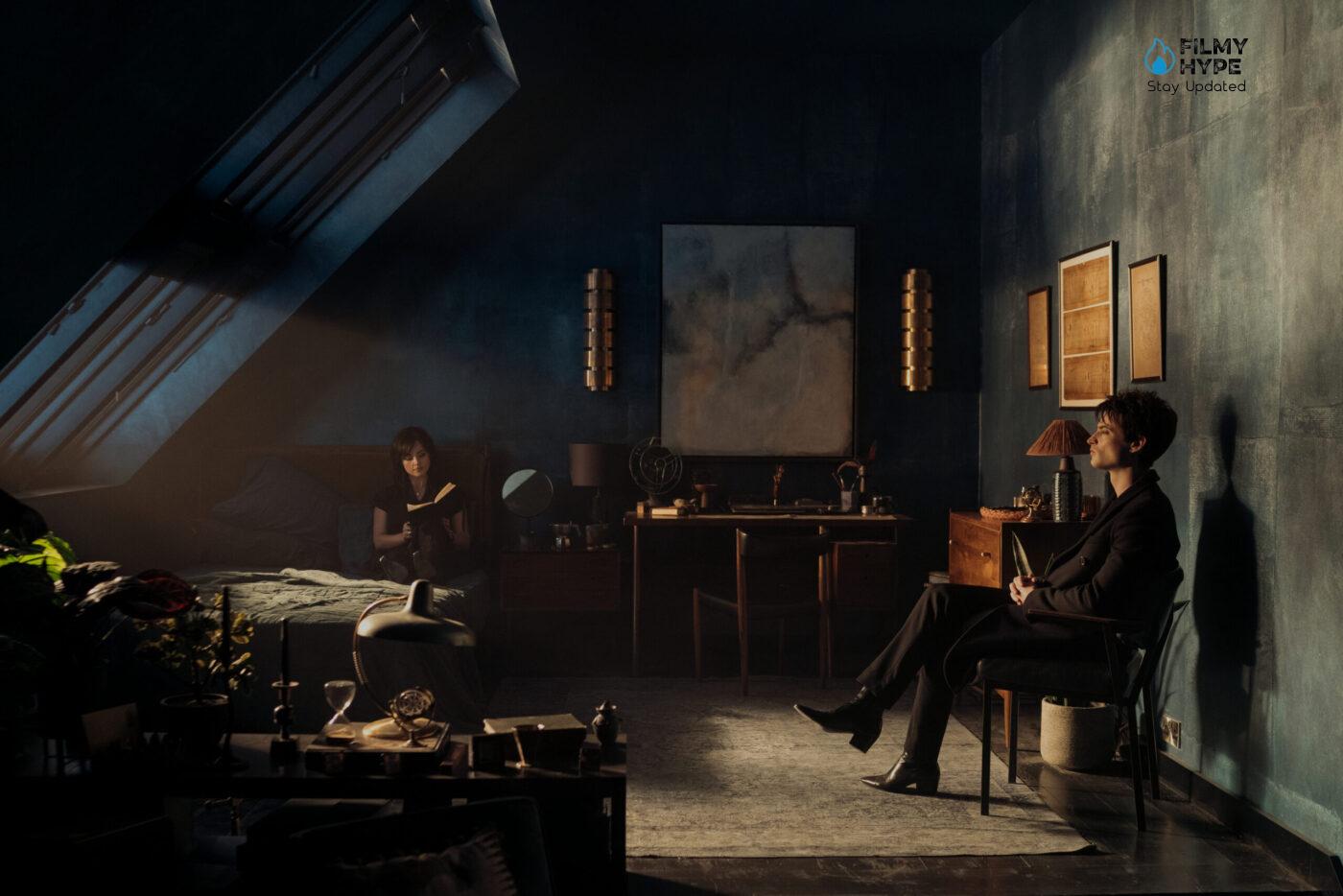
The ending of The Sandman is an apologia for death and life at the same time. He manages to talk about mourning, memories, family ties, decisions, that sense of inadequacy that we feel when life presents us with a change that we have not chosen. But this is life, it is unjust and just at the same time, sensible and senseless, and does not necessarily have a meaning behind its moves. Thus, the characters in this incredible story, in the end, have to deal with the reality of death and life, understand that memory is the only way to immortality, that stopping change is impossible, and that choices are the only real power we have. In its finale, The Sandman expresses all the potential it has always shown itself to possess, since the first season which had already given us spectacular episodes, such as the one about death (“The Sound of Her Wings”), the one about truth (“24/7”) and the one about hell (“A Hope in Hell”). But now, with episode number 11 of The Sandman Season 2, we border on perfection. So enjoy this show until the very last minute because even if it is “only” a TV series, it manages to teach us many more things about life than reality itself. All you need to do is let yourself go into your imagination and immerse yourself with your mind and heart in the wonderful world of dreams.
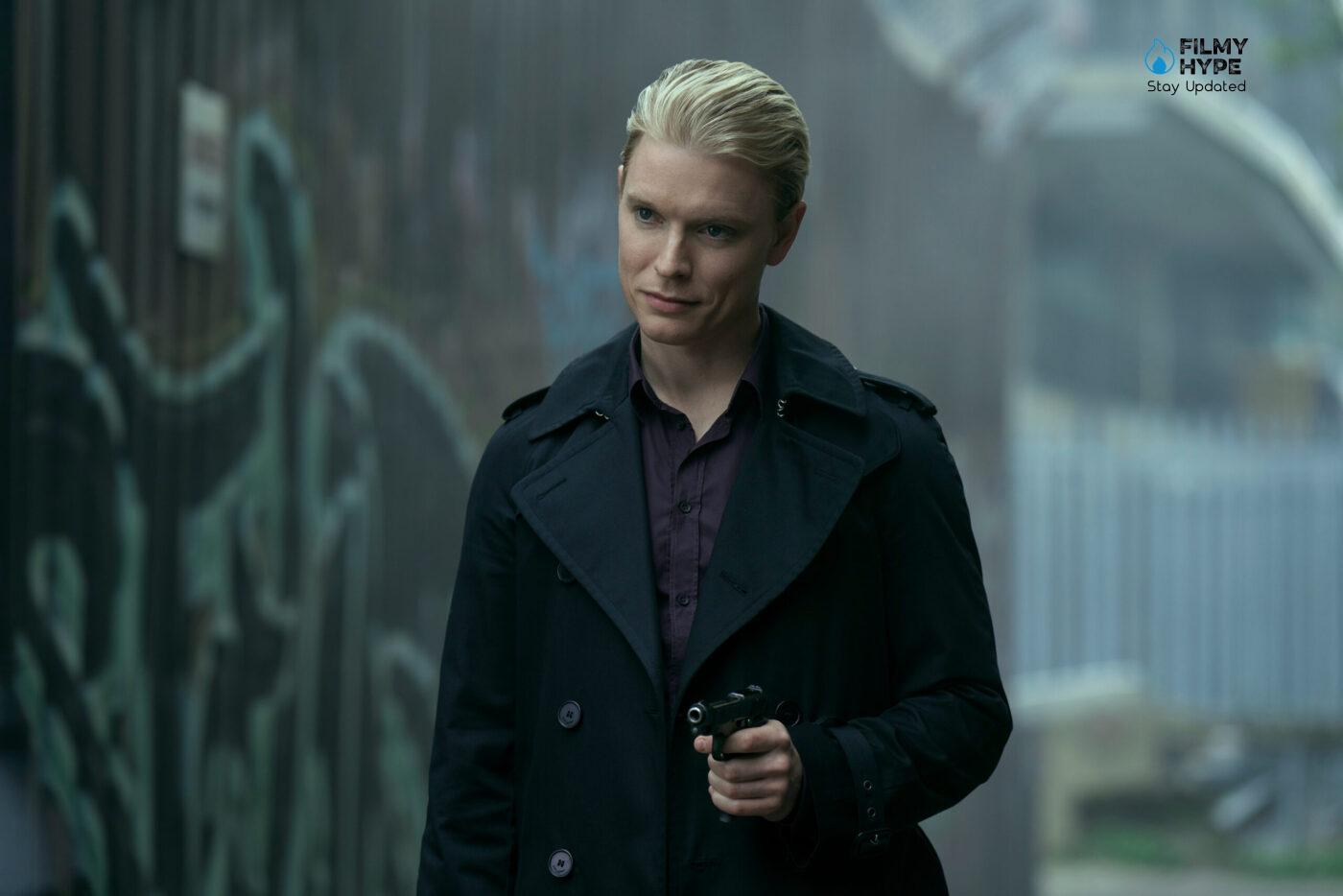
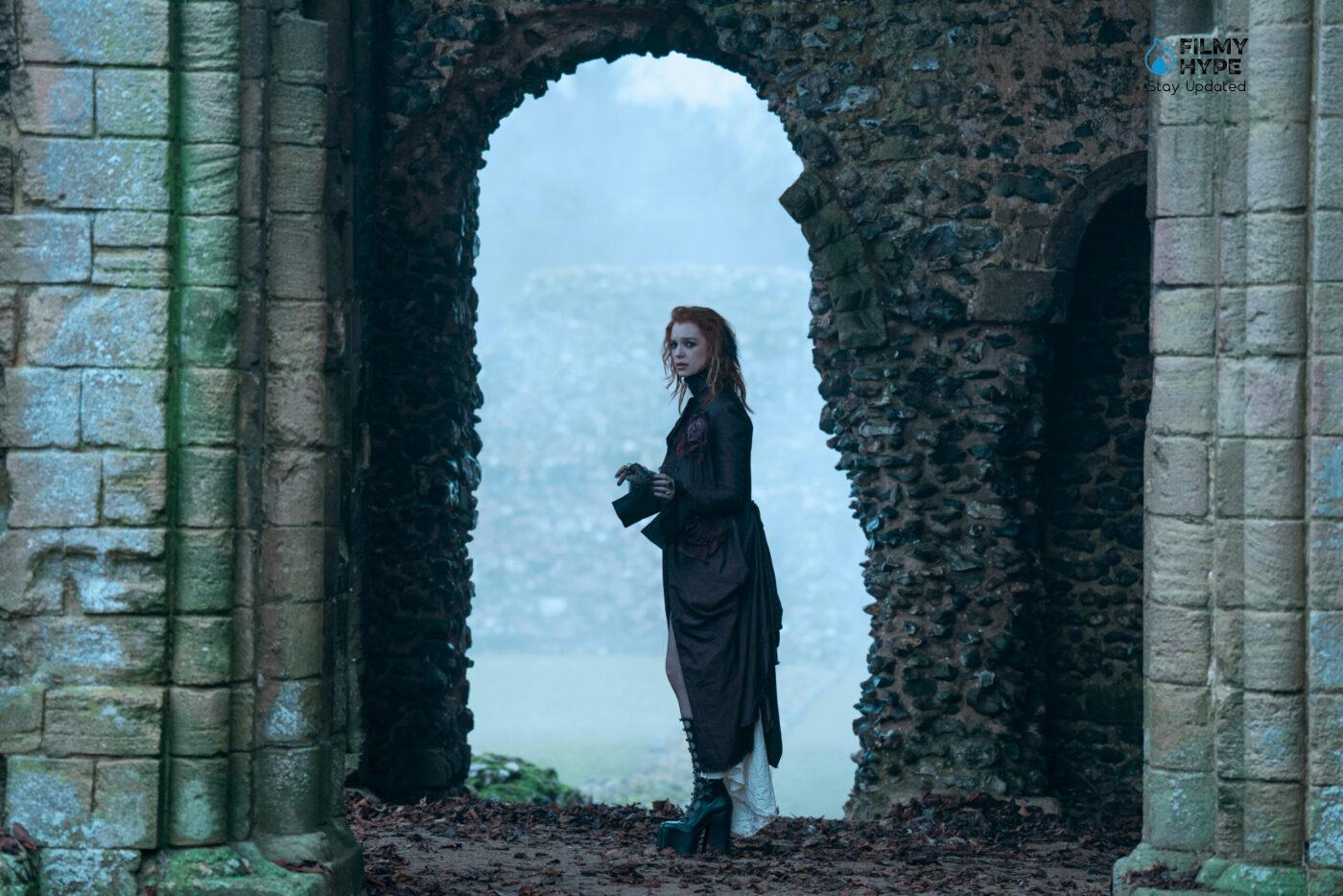
Visually and narratively, this part of the season represents the pinnacle of the series. Fantastic realms, bizarre creatures, and legendary characters are more alive than ever. The chaos of Loki (Freddie Fox) and the unpredictability of Puck (Jack Gleeson) bring panache to the first episodes, while the investigations of Johanna Constantine (Jenna Coleman) and the new Corinthian (Boyd Holbrook) offer a mix of suspense and unexpected alchemy. The result is a striking balance between tragedy and entertainment. But The Sandman has always been, more than anything, a meditation on the meaning of existence. Dream is not only a god or entity, but also a father, a son, a brother. Towards him with figures such as Despair, Delirium, Death, and his parents Time and Night, themes such as mourning, remorse, and the need for connection emerge forcefully. The series invites us to look beyond magic, to discover that humanity–with all its fragilities-is – is the true legacy of the dreamer.
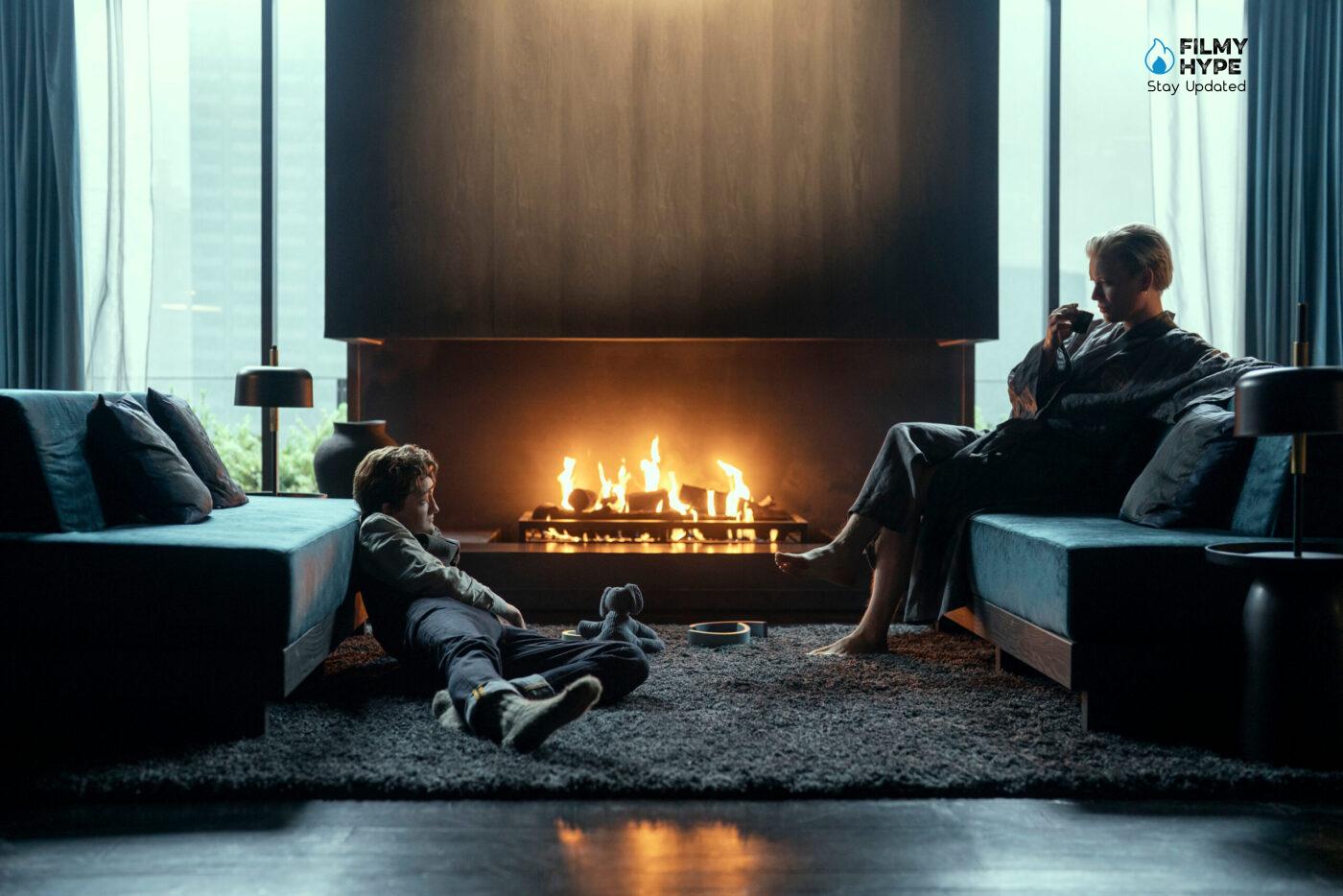
Tom Sturridge offers his most intense interpretation here: less ethereal and more human. His Dream agrees to fight, but also to let himself be changed, showing that even an idea can evolve. The character’s farewell is constructed with elegance and emotional depth, avoiding easy sentimentality but leaving an indelible mark. The ending – between metaphysical battles, painful sacrifices, and poetic farewells – manages to touch universal chords. Even if some subplots are accelerated due to closure needs, the narrative cohesion remains solid. The secondary characters shine, the direction intelligently doses the introspection, and the show and each scene seem aware of their function within the grand tale. The series doesn’t just close a story: it celebrates the power of the story itself. And in doing so, it sends a powerful message about the value of dreams, stories, and memories.
A natural outcome when, again in the name of tight deadlines, it is necessary to cut entire volumes of the comic (not chapters, but volumes), consequently also losing the basic sensation of the passage of time. And here we need to return for a moment to Sogno, which, like it or not, is the balance, especially of the series: as already mentioned, the final arc mainly concerns the awareness of his past, toxic, intransigent, and selfish attitudes, achieved after trials and difficulties. Here, however, it is as if we only saw the two extremes (Morpheus still a little self-centered at the beginning and in flashbacks, and its more mature form) and not the painful path, relegated to a couple of key moments. Moments that the series nevertheless creates with rare mastery (excluding the banquet, let’s call it that, truly boring and repetitive) and with an emotional power that is nothing short of devastating. But this is precisely why we find ourselves heartbroken, and the review is not negative at all, for the spirit of Sandman is still alive and well and can be glimpsed everywhere despite such colossal shortcomings. The unrepeatable universe created by Gaiman came to life before our eyes, and this single piece of data alone is worth much more than one might imagine, for the absolute and all-encompassing beauty of some scenes and dialogues, which quite simply have no equal yet. The Dream epic, although reduced to a minimum, is infinitely more powerful than the vast majority of stories we are used to.
The Sandman Season 2 Volume 2 Review: The Last Words
The Sandman Season 2 Volume 2 closes an ambitious and visionary saga with strength and poetry. Dream faces his end with courage, and in doing so, gives us a touching reflection on life, memory, and the very meaning of stories. A powerful, exciting, and narratively cohesive ending. We won’t hide, the second season of The Sandman is the result of behind-the-scenes production chaos, due to now well-known cuts and scandals. What do we then find in our hands? A season that first tries to close the large knot left open by the first and then runs wildly to arrive at the final arc of Gaiman’s majestic comic. And to do this, he sacrificed too much: the character depth of the Eternals and their relationships, so much lore on a wonderful universe, any shred of characterization for all the secondary characters and new entries, and even the emotional journey of Dream, which resembles more a slide show of topical moments rather than a unified story. Why then a positive evaluation anyway? First of all, because, despite everything, Netflix has once again demonstrated the impossible, that Sandman and its uniqueness are adaptable. And above all because, although castrated, cut, rehired and put back together furiously, it is still Sandman, it is always one of the greatest epics ever written, and some of its moments (which the series conveys excellently) are simply monumental, and still have no equal.
Cast: Tom Sturridge, Boyd Holbrook, Jenna Coleman, Kirby Howell-Baptiste, Freddie Fox, Jack Gleeson, Esmé Creed-Miles
Creators: Neil Gaiman, David S. Goyer, Allan Heinberg
Streaming Platform: Netflix
Filmyhype.com Ratings: 4/5 (four stars)🌟🌟🌟🌟




One Comment