
The Fantastic Four: First Steps Review: Represents the Return of MCU To A More Optimistic Superhero Cinema
Filmyhype.com Ratings: 4/5 (four stars) 🌟🌟🌟🌟
The Fantastic Four: First Steps can be defined as the perfect appetizer. This is its function, this is what it was supposed to be and is. After the pleasant “Thunderbolts”, Marvel lowers its ace, deploys heavy artillery, and gives us a sparkling, colourful, simple but very pleasant comic, a real breath of fresh air. Perhaps all is not lost, perhaps finally, after years, they understood what they had to change, what they had to give to an audience that expected a leap in quality from the genre. Even Kevin Feige, the enigmatic and corporate head of Marvel Studios, has lately admitted that the MCU churned out too many films and saturated the market. Post-Endgame superhero bulimia, the result of an editorial reorganization that struggled devastatingly to put its pieces back together after the Infinity Saga, has led to a Multiversal arc of which many still struggle to understand the general design. To date it is fair to say that the Marvel Cinematic Universe no longer had a defined direction, except that 2025 gave us some interesting twists and turns that rekindle the enthusiasm given the ending of this cycle: one of these was Thunderbolts (read ours thunderbolts review), which unexpectedly rewrote the Avengers status quo and set the stage for Phase 6.
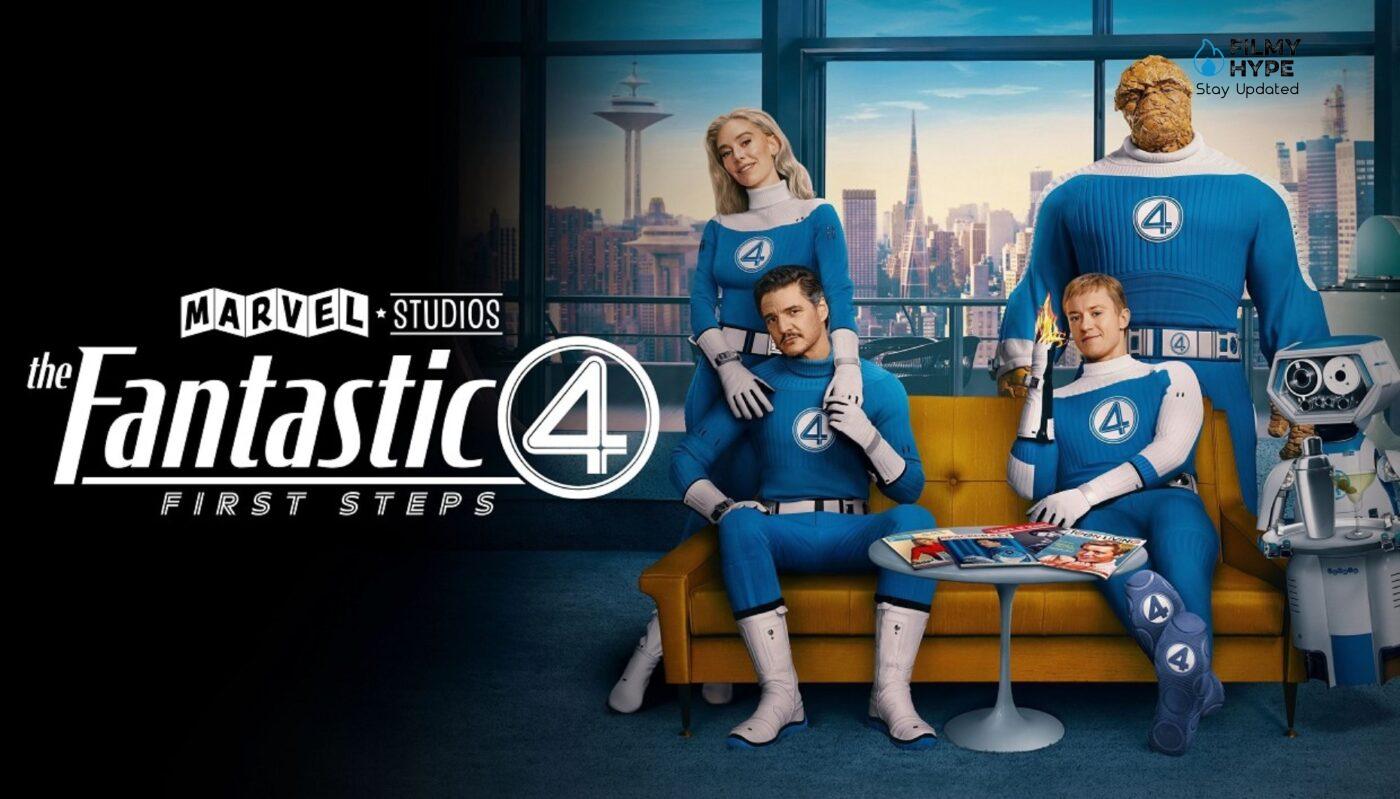
The film is directed by Matt Shakman, already the director of one of the best things that Marvel produced in the period following Endgame, namely WandaVision. It has a scary cast, cleverly assembled and supported by a long and relentless marketing campaign focused on alchemy and a sense of family. And it has a peculiar, pleasant, retrofuturistic, cartoonish aesthetic that restores a sense of “diversity”. And finally, it is one of those comic films that prepare and foment for the “big event”, in preparation for the highly anticipated Doomsday. All nice, but it should be clarified: The Fantastic Four: First Steps will not win back those who had fallen out of love with the MCU. It’s a solid, good-entertainment film that hides some endemic problems without avoiding them entirely. This time, however, we are on Earth 828, a different dimension from the one where we enjoyed all the Marvel productions, so here it is a retro future with an almost bucolic taste to condense highly analog technological dreams and a group of heroes who have to deal with an intergalactic threat. The ingredients are all there; all we have to do is set sail on this new adventure.
The Fantastic Four: First Steps Review: The Story Plot
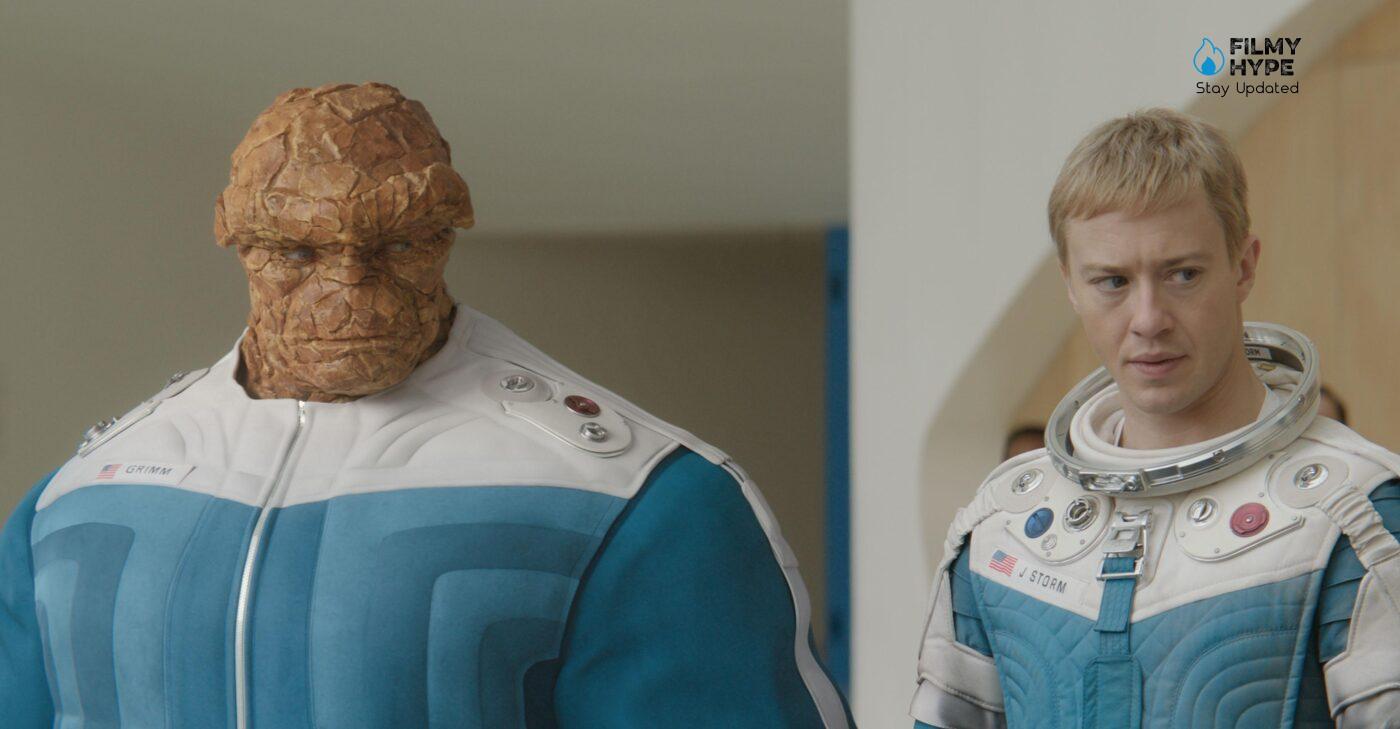
The Fantastic Four: First Steps is a film that can potentially rewrite the very essence of Marvel cinecomic, playing a role not less than James Gunn’s “Superman” from this point of view. However, the writer judges it considerably better, for the quality of the script, liveliness, consistency, characterization of the characters, as well as aesthetic. Here too nothing Origin Story, we have already seen it two times, repeating it would not be needed and then Matt Shakman does everything in the first 15 minutes, he transports us (and this is the winning move) on Earth-828, on an alternative dimension, with a concept that is a very pleasant mixture between the 60s and 70s, when the characters of Stan Lee and Jack Kirby became a darlings of half the world. Retro-Futurism is a big word, let’s say it is a very pop past, very sugary but without exaggerating, very vintage, where we know Mr. Fantastic (Pedro Pascal), Susan Storm (Vanessa Kirby), his brother Johnny Storm (Joseph Quinn), and Ben Grimm, aka there (Ebon Moss-Bachrach). They are large scientists and astronauts. During a mission, they were hit by a cosmic storm and returned with the well-known superpowers. The protectors of the planet have become a dimension that the film combines with that of pop stars, influencers, and leaders, if desired.
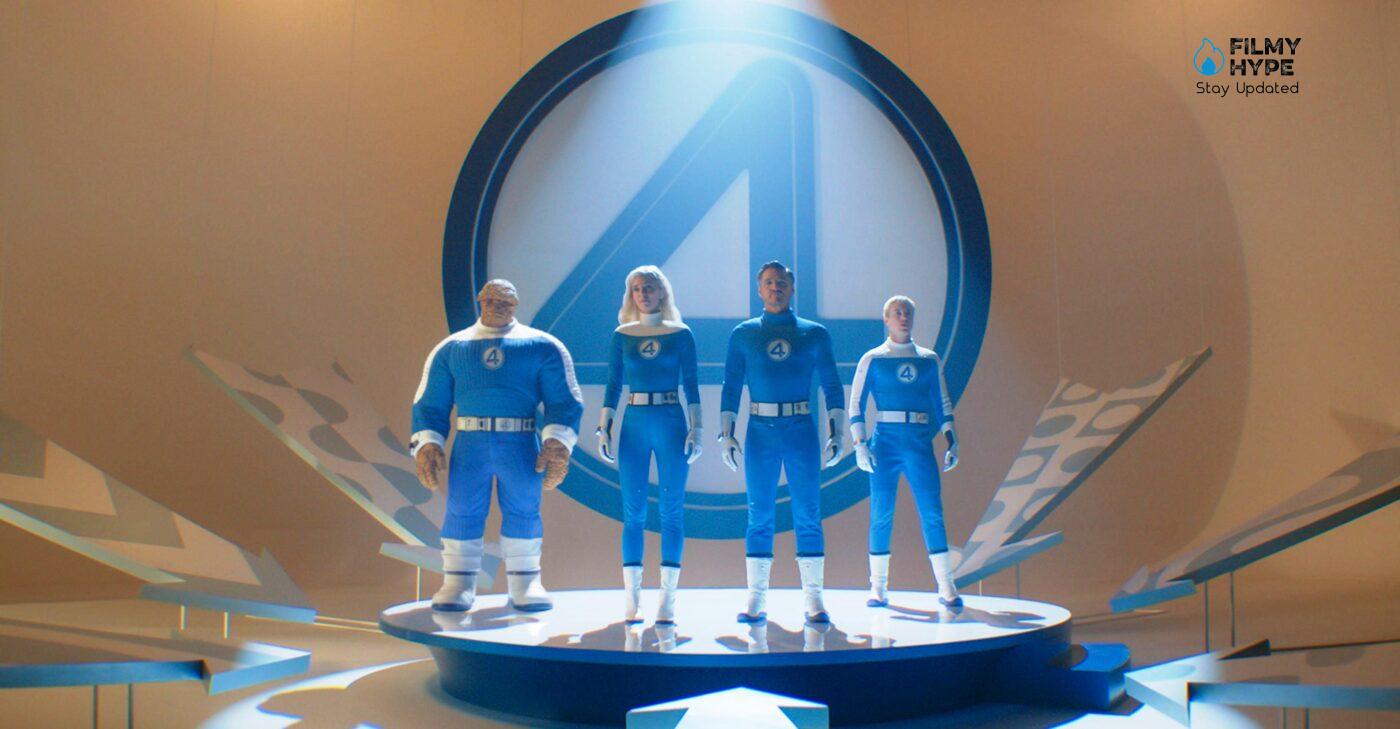
He does it with a look between the Autonic and the Light, without parodying anything, but rather by softening the tones, without necessarily looking for who knows what obvious ties to our political and social present. The cast is helped by a multi-handed script, the result of a very long job, which, in particular in the first half, takes its time, does not sacrifice the construction of a bond, and of four different personalities. “The Fantastic Four: First Steps ” really takes off when Julia Garner’s Silver Surfer arrives, whose so much and controversial has been talked about. It acts as a recalcitrant ambassador of him, Galactus (Ralph Ineson), the world of worlds, and has chosen that land in that dimension as his next meal. To complicate everything, we put Susan’s pregnancy, which will have consequences from nothing when the group tries to stop that colossal celestial creature. But it is from the beginning that The Fantastic Four: First Steps offers itself as a cinecomic, of the authentic, essential ones, simple as a Ford Model T, effective as a frozen beer, tasty as a grandmother’s cake. The most surprising thing is that in the 114 minutes that make it up, the action is dosed in a perfect way, but it is not the most important thing, but rather characterizing everyone, their bond, and why they are a group of unique superheroes of their kind.
The Fantastic Four: First Steps Review and Analysis
Let’s face it, after “Avengers: Endgame“, Marvel had moved to tenth and excessive confidence. He had guessed the new adventures of Dr. Strange, the multi-year-old Spider-Man, the last chapter of the Guardians of the Galaxy, and “Deadpool & Wolverine”. Noticing us, they were a little aligned with the typical Marvel/Disney product. For the rest, between small and big screen, many disappointments, little quality, and confused projects, with disappointing results at the box office. “Thunderbolts” did well, rekindled some shy hope, but we all knew that survival with this film would be a challenge. We are talking about phase six with which to greet a new dimension of the MCU, purified of all those improper excesses of which Bob Iger himself and Kevin Feige have also spoken in recent years. The declared goal was to return to entertaining and worry a little less about political messages or to think of having to give moral lessons to the world. Targe of the target centered here, because The Fantastic Four: First Steps as well as redeeming the characters from the three previous somewhat mediocre films, brings back that sense of wonder, that authenticity and simplicity, which at certain moments almost seem to awaken what was Sam Raimi’s “Spider -Man” at the beginning of the millennium.
The aesthetic part is beautiful, not only for the fluidity and beauty of the action scenes, but above all for the costumes, the scenography, this connecting not only to the paper saga, but also to the animated series of the 60s and 70s, to everything that these characters were for decades, symbol of a total renewal of the world of superheroes, of a different depth and semantic. There is irony, but it is well-dosed; it is not excessive as in a Waititi film, Shakman’s direction is classic but never boring, and above all, the actors are very effective. Pedro Pascal defeats any prejudice, the idea that he had been chosen simply as a face by fashion. His Mr Fantastic is so brilliant, but also tormented, he takes charge of any problem without taking care of himself. The performance of Vanessa Kirby is remarkable, her Susan is a beautiful, square female character, tough, but excessively perfect. The Moss-Bachrach/Quinn couple are very nice, they act as a shoulder in a pleasant way to the main two, in a film that naturally speaks to us of solitude, of fear in a collective sense, but without ever forcing the hand, without ever forgetting that after all, it is not the time of moral sermons, it is above all time for destruction. It is difficult to say how much it will collect, but it certainly marks the beginning of a deeper, more faithful, and colorful phase of the MCU, which could also rise from its ashes.
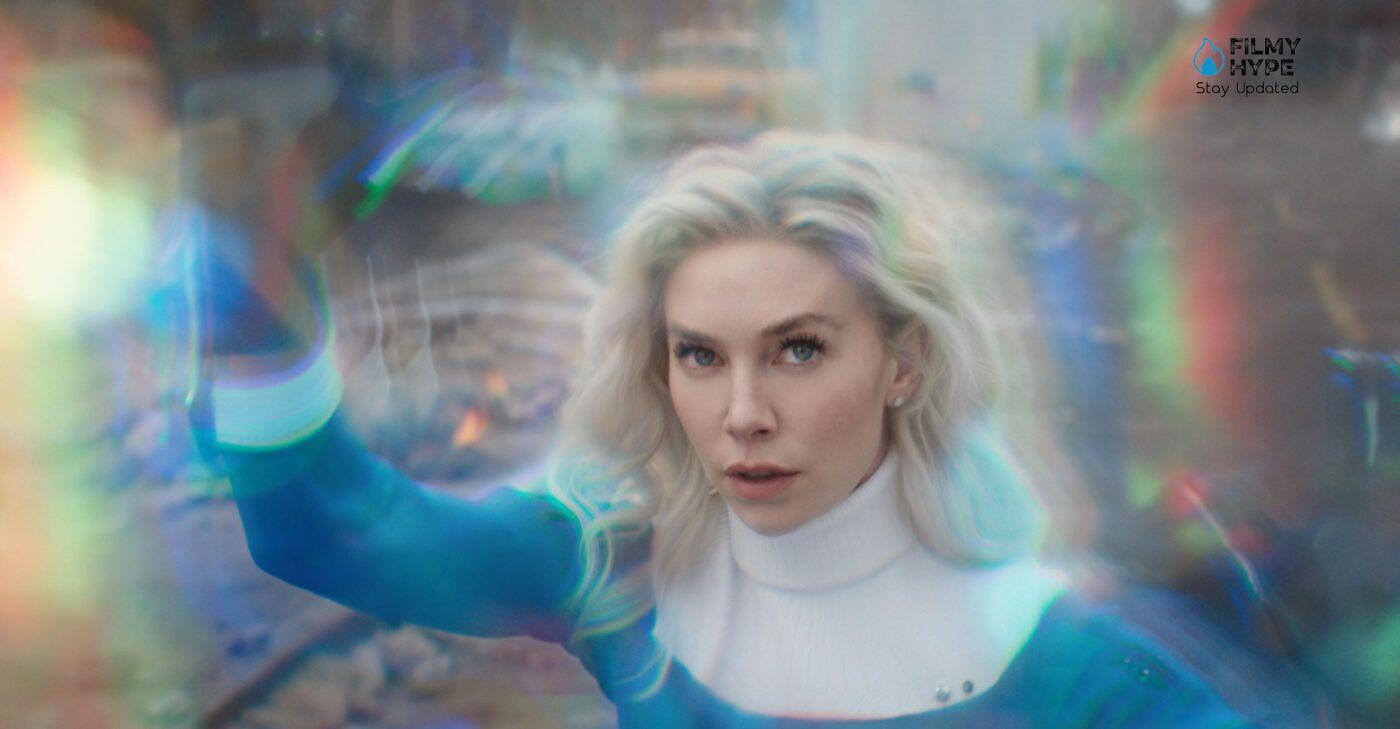
Let’s start with what works: the production of the film is the most incisive aspect capable of giving personality to the film. The colors are finally bright and lively, a retrofuturism that is not cosmetic but very well planned and perfectly woven into history, combined with a perfect soundtrack for the setting of the ever-sparkling Michael Giacchino and enormous set design work, which contributes to a feeling of novelty and freshness. Important applause goes to director Matt Shakman, who succeeds in a very difficult mission: that of perfectly rendering the scale, the magnitude of the clash of a… galactic being, precisely, like Galactus. Shakman looks quite a bit at old-fashioned cinema with Universal monsters and old alien invasions that destroy cities. It puts that simple but always very effective visual comparison to us to give the impression of a giant crushing insect, which is our hero. Nelle, the film’s visual grammar takes inspiration from the science fiction of the ’50s and ’60s, to the polite and familiar superheroism of the first film adaptations, and the result pays off.
Applause also goes to the quartet of protagonists and their interpretations of superheroes who are very well characterized in comics, but never really spot on the big screen before. Vanessa Kirby and Pedro Pascal function as a couple, and they manage to go beyond the predictable dynamic of parents worried about the fate of their offspring, transmitting the emotional intensity necessary to make us participants in a plot that we have already seen many times. Of the four Mr. Fantastic is perhaps the furthest from his cartoon identity, given that the character’s proverbial self-confidence and know-it-all are replaced with an obsession with science that it almost seems codified in a portrait that talks about autism, about neurodivergence, of the inability to feel and manage emotions except through paths that – as Vanessa Kirby explains to us in the most intense scene between the two – can end up hurting. Of course, as always, it’s a close-knit couple but reduced to the exclusive family role, so much so that the tenderness and sensuality between the two is completely glossed over as the film slips into a scene not too successful than a very long birth in space.
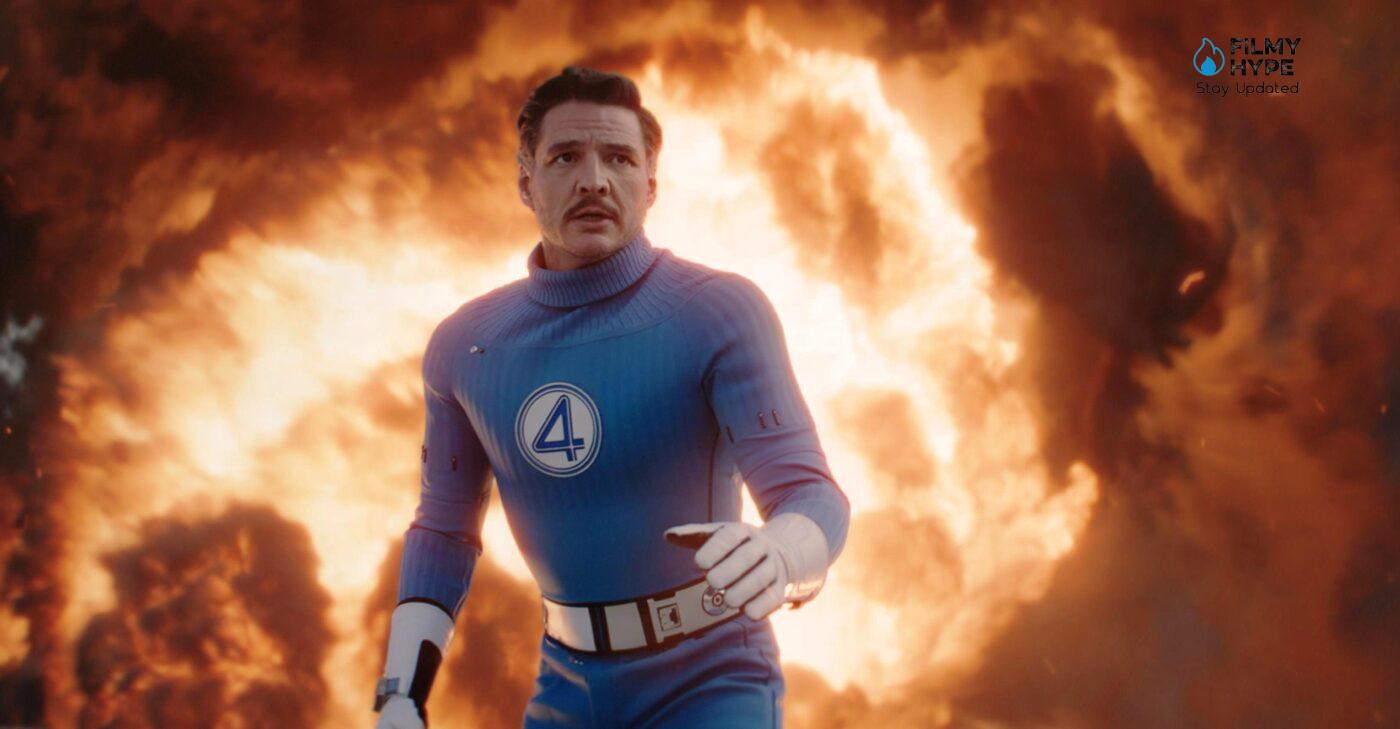
Joseph Quinn and Ebon Moss-Bachrach are funny and fraternal with each other and with the other half of the duet, but in their characters, we can glimpse the cracks of the film, to which they are innocently subject. Ben Grimm forms a relationship with the character of Natasha Lyonne, The Human Torch falls in love with the Julia Garner’s Silver Surfer, yet their love interests appear and disappear for long stretches from a film that has an unsatisfactory pace, which proceeds through tears and sudden braking, which introduces characters and then pauses them until the end of the film. The greatest wrong perhaps is that of visually rendering Galactus’ villain well without telling it in its superhuman dimension, almost divine, even with writing. It seems like something immaterial, not sentient, a catastrophe to be avoided. In words, Galactus highlights something of his internal torment; now and then, we perceive his wickedness, but it is too little and too badly done. In short, the script is the real Achilles heel of a film that is crass, messy, and often careless, losing characters and ideas along the way, entrusting the great final clash that is always two steps on this side from appearing ridiculous and unworkable.
The point of superhero films is certainly not realism, but it is fundamental “to sell” the internal coherence of the story to the public. Stopping for even a moment to reflect on the plan, Mr. Fantastic puts together to save everything (the family, the planet, and of course his son), leaving himself with his foot raised, just like Galactus. The real problem with Fantastic Four is that it’s too ambitious to be ordinary and laughable like the films that preceded it, fortunately, but at the same time, it doesn’t have a vision, a quality of writing, or such verve that you can explore its passages fullest in potential. The entire film glosses over (like Superman) the genesis of his heroism and focuses on another point: what and how right it is to sacrifice to save the Earth. The potential of the most rational but cruel response is there all the time, tempting both some protagonists and the film, which declassifies the whole thing with an unconvincing monologue on the premises and results of Vanessa Kirby, who is the true leader and the true heart of the story.
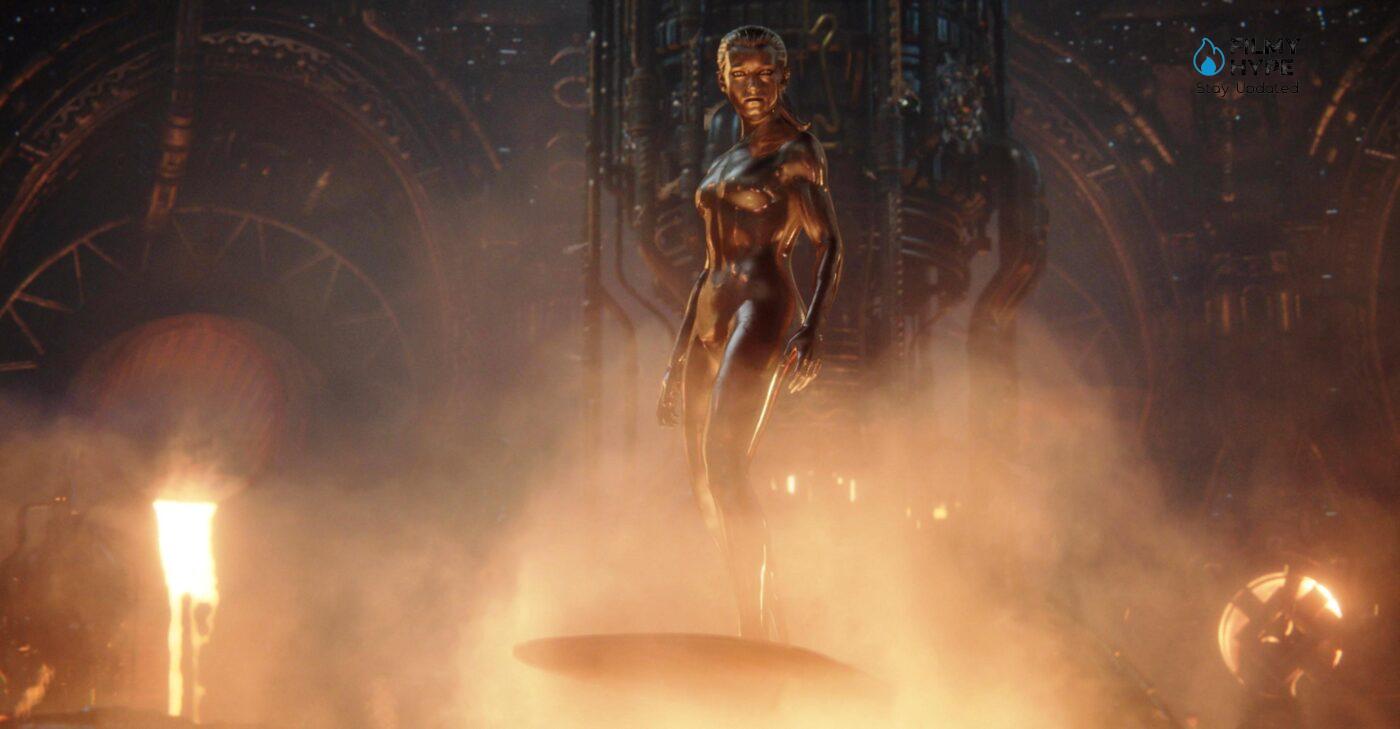
However, the film is fearful in the face of the potential of its own, diabolical premise, which it cannot afford to explore because it immediately positions itself as perhaps the most familiar and reactionary of films in a universe that does nothing but talk about lost and rediscovered families. The character of the Silver Surfer doesn’t work precisely because he is the alternative to the choice made by the Fantastic Four, but he is never placed as such. It is as if the quartet is called upon to make dramatic choices for which there is no right answer, to decisions that will still have unpredictable, incontrovertible and negative consequences for someone somewhere in the cosmos, and then this drama was forcefully removed from under the feet of the film, causing him to lose his balance, taking away his strength. So much so that this Earth, where no one allows themselves to contradict the decisions of its protectors, in which there is a sort of cult of their personality at times, becomes involuntarily sinister. However, nothing that this film, obsessed with making the right choice but incapable of creating proportionate reactions to actions, can perceive or manage.
The point is, The Fantastic Four: First Steps, when it comes to the halfway point of the story, it becomes quite predictable in the development of the last act. That is, when all the characters are in play and have a well-defined role in the narrative mosaic, and when the film marks its twists, it is easy to understand where it wants to go. That is, to the fact that, despite being born, developing, and exhausting itself in an adventure that is substantially self-contained and disconnected from the rest of the macro-universe, Matt Shakman’s film forcibly bends to the need to turn into a “bridge film” towards something else. It’s not, trivially, just a prologue to Avengers: Doomsday, but we’re close. Because every single development of the film leads to the ending, to a deus ex machina that will trigger the events of Doomsday, to a huge post-credit however short.
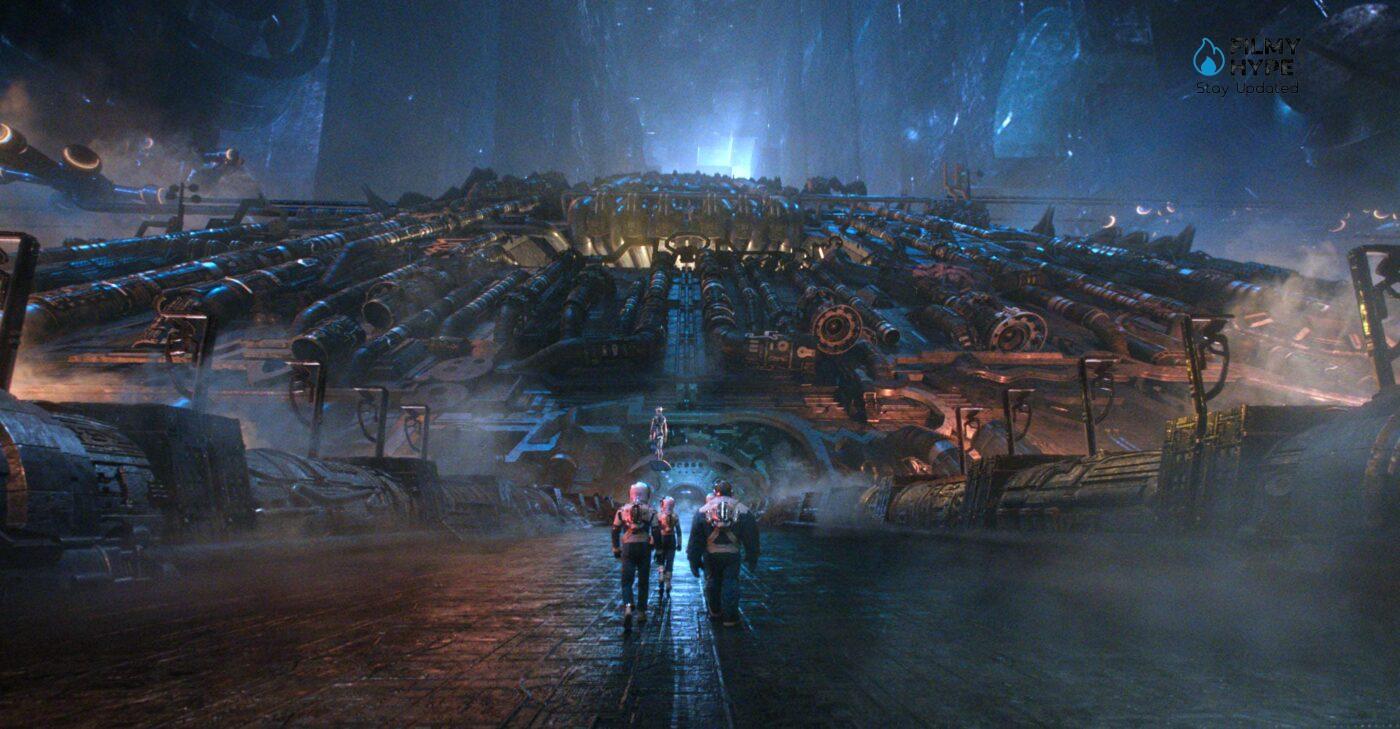
Furthermore, the story aims to tell a lot, and at times too much, to the point that the film soon reveals itself a bit unbalanced pace-wise: very slow and introductory in the first part, galloping and almost hasty in the second half. And therefore, a figure like Galactus, who was finally given visual and expressive dignity by the MCU, doesn’t have enough time to leave a concrete mark and be truly scary. And even in the dynamics between the characters, after all, you live a bit of everything: the marital relationship between Reed and Sue Storm is well represented, with Pedro Pascal and Vanessa Kirby bringing true and sincere intimacy to the screen very well. Less marked, however, is the love-hate between Johnny and Ben, the fraternal bond between the Storm and the “bromance” between Richards and The Thing. Not that these factors aren’t there in the film, but they are barely mentioned, relegated to the bare minimum necessary to design the various roles within the adventure. About that, it doesn’t fully convince Mr. Fantastic’s characterization, represented as an insecure leader and somewhat trapped in his paranoia as a calculating and infallible genius. The other co-protagonists are much better, among whom Vanessa Kirby’s exceptional Susan stands out.
However, the theme of the family tout court is well framed, which recalls patterns already seen but reworks them effectively: Robinson, for aesthetics, and a little Incredible by theme, The Fantastic Four: First Steps, takes up the Disney family concept excellently and puts it at the service of an adventure that offers pleasant entertainment. As mentioned, the visual scaffolding is better than the narrative one: paradoxically, Matt Shakman’s cinecomic has less action than you might think, focused as it is on the relationships between the characters and their moral decisions. Which isn’t such a big problem, because in the action sequences, Fantastic 4 brings out a beautiful visual fullness, with few smudges on the CGI front. Here, it must be admitted that on the production front we are faced with one of the best Marvel titles of recent years: curated in every aspect and designed to give credibility to the most disparate situations, from the extensions of Mr. Fantastic to the flights of the Human Torch, with only a few small declines regarding the animations of the granite Ben Grimm. Finally, the soundtrack edited by Michael Giacchino is truly beautiful and enveloping.
The Fantastic Four: First Steps Review: The Last Words
“The Fantastic Four: First Steps” represents the return of the MCU to a more optimistic superhero cinema, far from the cynicism that has characterized some recent productions. The retro-futuristic approach offers the visual and narrative freshness that the franchise needed. With future box office results, it will be understood that it will have won the challenge of balancing the expectations of long-time fans with the need to conquer new audiences, while maintaining coherence with the wider cinematic universe of Marvel. Perhaps it is overused to say that a comic seems to have come straight from the pages of a superhero comic, but ultimately it is like this, because watching The Fantastic Four: First Steps is really like having in your hands a book bought at random from the shelves of a comic shop. For better or for worse. And so yes, we can call it a successful operation all in all, especially on the visual side. The vintage and retrofuturistic aesthetic, obsessively respectful of the source material, is perhaps the reflection of the modern film industry, which now needs to change tone and be increasingly “comic” to say something new. And the problems of the film directed by Matt Shakman, which is almost impeccable from an artistic and production point of view, are mostly narrative: while trying to establish itself as a self-contained adventure unrelated to the rest of the macro-universe, the 37° film of the Marvel Cinematic Universe remains partly bent to the editorial needs of the company, acting as an interlude in preparation for Avengers: Doomsday.
Cast: Pedro Pascal, Vanessa Kirby, Ebon Moss-Bachrach, Joseph Quinn
Directed: Matt Shakman
Filmyhype.com Ratings: 4/5 (four stars) 🌟🌟🌟🌟




2 Comments