The Dead Girls Series Review (Las muertas): Visually Refined and Conceptually Ambitious Series!
The Dead Girls Series Review (Las muertas): The Dead Girls (Las muertas) comes to life from one of the darkest pages in Mexican criminal history: that of the González Valenzuela sisters, who went down in history as Las Poquianchis. Inspired by Jorge Ibargüengoitia’s satirical novel, the Netflix series, directed by Luis Estrada, rereads the story in grotesque tones, visually powerful yet narratively unstable. What could have been a ruthless fresco on systemic violence and institutional complicity becomes instead a work that oscillates between denunciation and spectacle, without ever finding a precise identity. Have you ever started a series with great enthusiasm, drawn in by an interesting premise and a fascinating true story, only to find yourself wondering halfway through the season where the narrative is headed? The Dead Girls, the new Netflix crime series from Mexico, is exactly this kind of disappointment: a product that completely wastes the potential of an incredible story to get lost in free scenes and never really developed characters. Based on the actual crimes of the González Valenzuela sisters, known as “Las Poquianchis”, this series had all the ingredients to be memorable. Instead, it turns out to be yet another example of how sensationalism can ruin even the most promising material.
The Dead Girls Series Review: The Story Plot
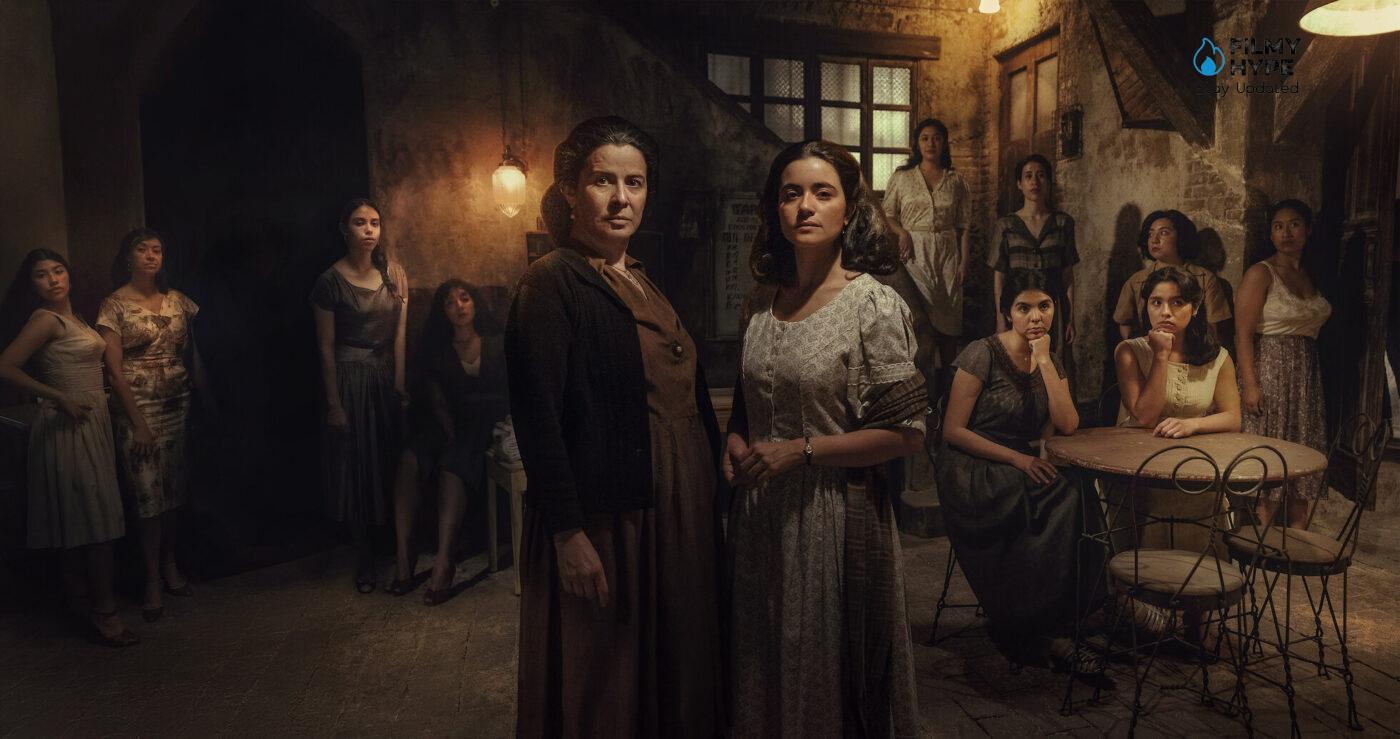
The story of the Baladro sisters (a fictitious name for the royal González Valenzuela) is objectively fascinating. In the ’60s, these four women managed to build a brothel empire in rural Mexico, then became real serial killers before this term even existed. A gold material for any self-respecting screenwriter. The series, directed by Luis Estrada and based on the novel by Jorge Ibargüengoitia, chronicles the rise and fall of Arcángela and Serafina Baladro in six episodes of more than an hour each. The problem? That duration seems completely wasted in scenes that add nothing to the characterization of the characters or the development of the plot.
The Dead Girls Series Review and Analysis
The choice to tell the story from multiple points of view could have been brilliant – after all, with all the corruption and lies that characterized that period, it is difficult to establish what the truth is. But instead of using this narrative technique to delve deeper into the psychology of the characters or to create tension, the screenwriters mainly use it as an excuse to repeat the same scenes from different angles. The result is a feeling of narrative emptiness that not even black comedy can fill. Yes, there are funny moments, but they seem to be thrown out there at random rather than organically integrated into the story. The most serious defect of The Dead Girls is their total lack of development of the main characters. Arcángela and Serafina Baladro should be complex figures, women who start from conditions of poverty to build a criminal empire. Instead, they always remain two-dimensional, simple caricatures that oscillate between victimization and cruelty without ever becoming truly human. We never understand what really drives them, what their fears, their desires are besides power and money. I’m specks rather than characters, and that’s unforgivable in a series that has six hours to tell its story.
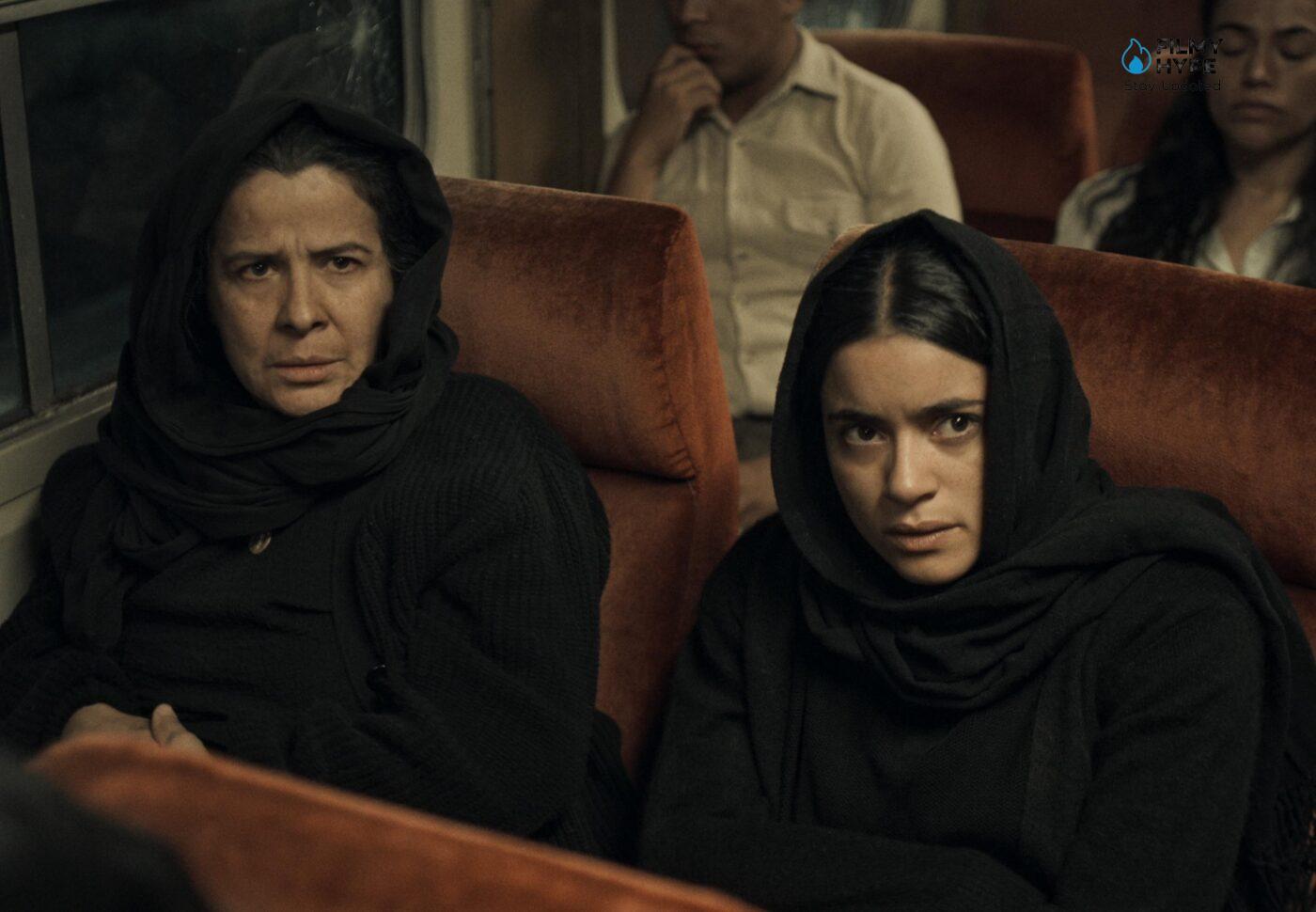
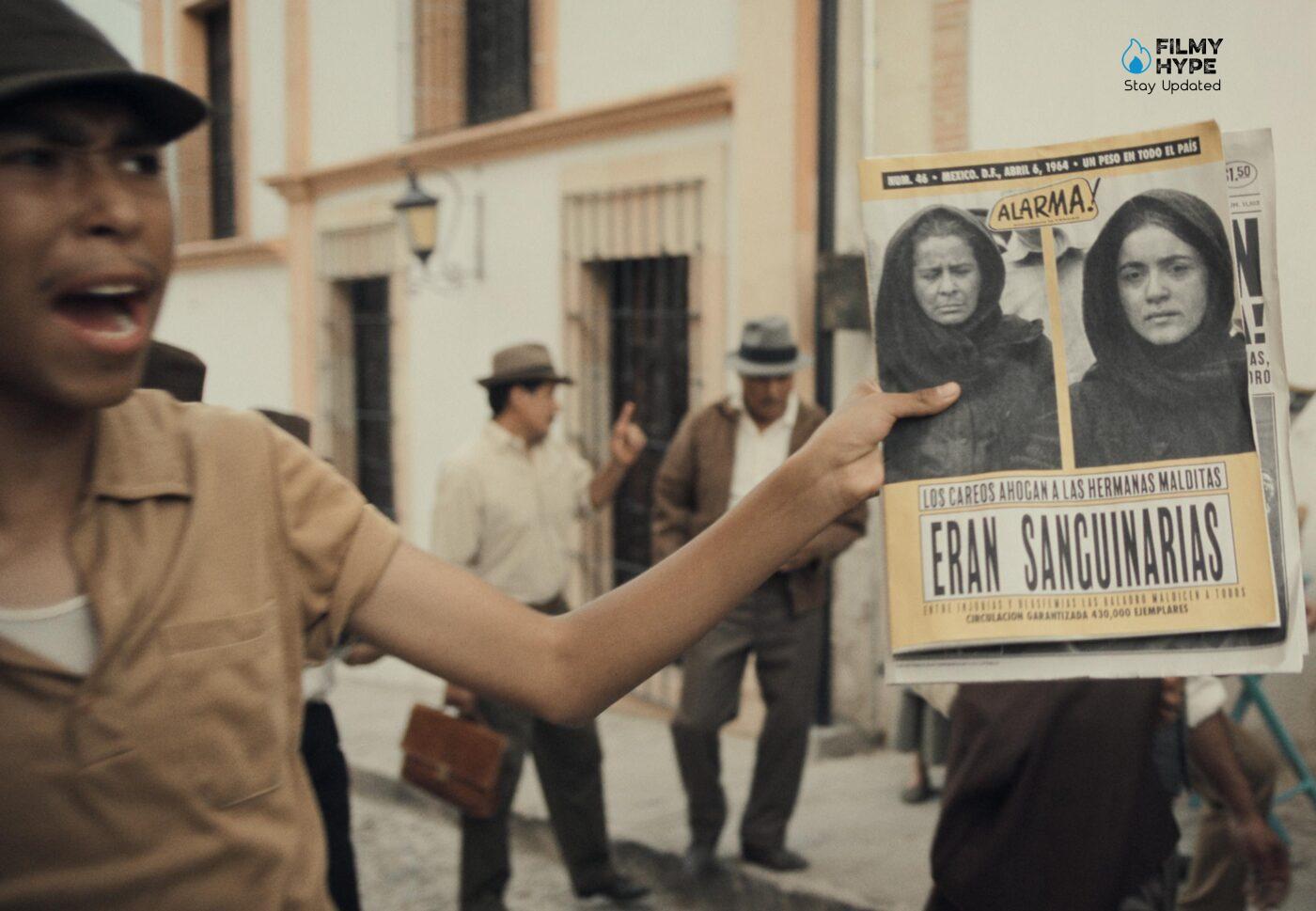
What’s most annoying is how the series seems to confuse provocation with depth. The first episode is particularly full of nude and sex scenes that, far from being functional to the narrative, seem to be inserted solely to attract attention. I’m not a purist, on the contrary: when sex scenes serve to characterize the characters or advance the plot, they can be very powerful narrative tools. But here they seem to end in themselves, enter to get the series talking on social media rather than to really tell something significant about the characters. Luis Estrada, who had already directed in 2010 El infierno with a similar atmosphere, seems to have lost your compass. The direction oscillates between moments of genuine tension and inexplicable delays, without ever finding a convincing rhythm. The photography and settings are refined; this must be recognized, but they are not enough to save a script that doesn’t know where it wants to go. Each episode feels like it was written to fill time rather than telling an engaging story.
The thing that disappointed me the most about The Dead Girls is the feeling of missed opportunity. With such a rich true story and potentially so interesting characters, this series could have been a masterpiece of Mexican crime. Instead, it is content to be a consumer product that focuses everything on sensationalism. The theme of corruption, central to real history, is barely touched upon. The social and political context of Mexico in the 1960s remains in the background. The characters’ traumas and psychological motivations are never really explored. It’s as if the writers are afraid of digging too deep. Watching The Dead Girls, I can’t help but think of series like Mindhunter or The Serpent, which manage to turn true crime stories into very high-quality television precisely because they are never satisfied with sensationalism. Here, however, we have the opposite: a series that prefers the easy shock effect to the serious narrative construction.
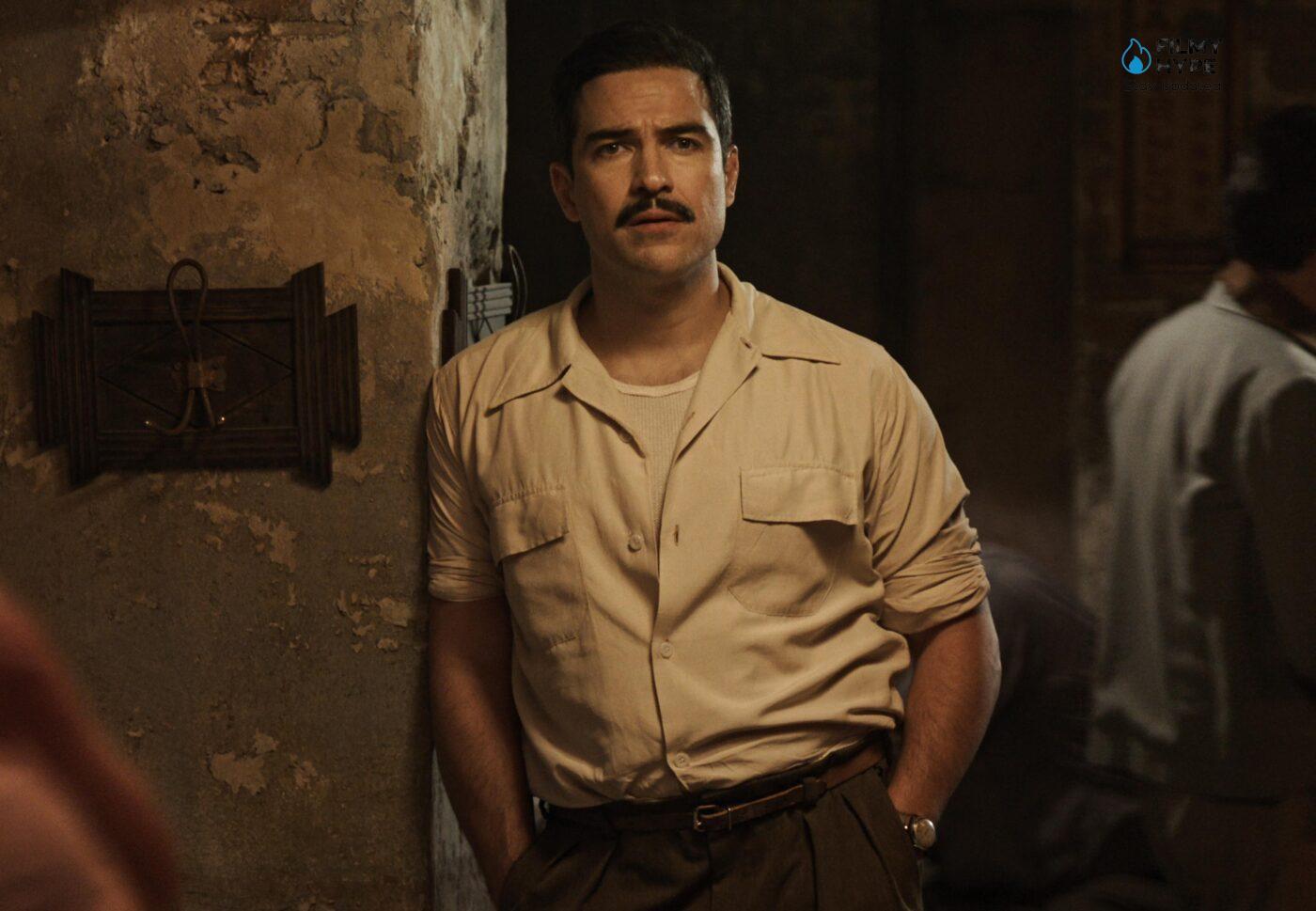
Visually, The Dead Girls impresses: the setting of the ’60s is rendered with great care thanks to costumes, sets, and a photograph that immerses the viewer in a decadent and tense rural Mexico. But this formal care does not translate into emotional involvement. The series alternates tones from grotesque farce to moments of crude violence, without ever deciding which register to adopt. The result is a fragmented narrative, where aesthetics sometimes seem to prevail over substance. The disturbing effect is there, but it rarely leaves its mark beyond the surface. One of the most ambitious aspects of the series is the choice to tell the story through contrasting points of view. In theory, this approach could have generated tension, ambiguity, and psychological depth. In practice, however, it often results in a redundant mechanism, where the same scenes are repeated from different perspectives, without offering new, truly relevant information.
The narrative rhythm suffers, and the alternation between versions of the facts, rather than adding complexity, ends up creating confusion and weighing down the vision. One of The Dead Girls‘ most obvious merits is its spirit of denunciation, never explicit but clearly perceptible, towards the system that allowed the Baladro sisters to prosper. The brothels run by the protagonists were not hidden, nor was the violence secret: they were tolerated, even protected, by a network of corrupt authorities, colluding officials, and influential clients. In this web of connivance, violence against women becomes an acceptable, if not necessary, side effect. The series reminds us that the real antagonist is not an individual, but an entire social system that silences, exploits, and forgets. One of the most disturbing elements of the series is the absence of real attention towards the victims. Girls recruited in brothels are introduced as extras in the great theater of criminal power. Some become accomplices, others disappear into silence.
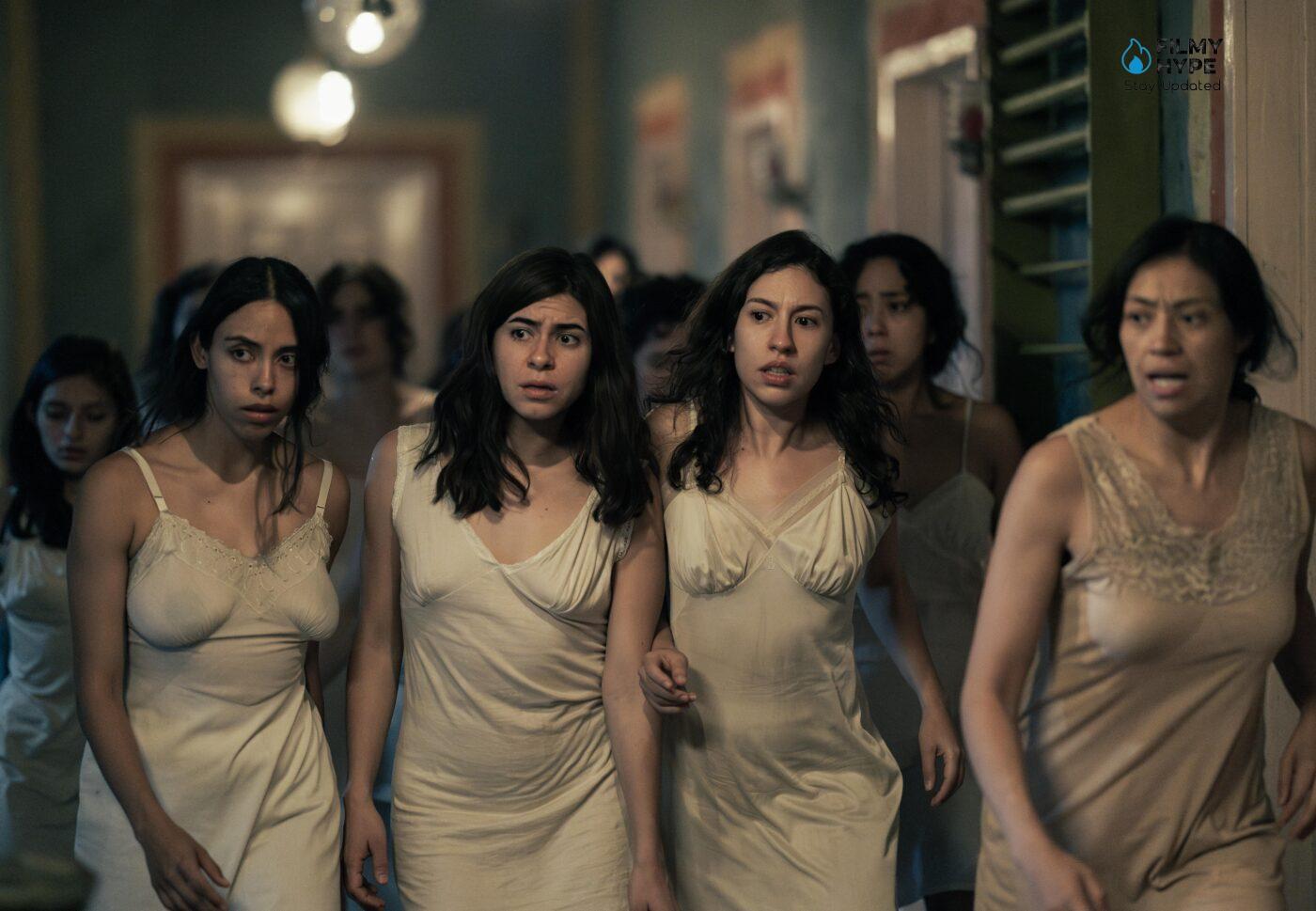
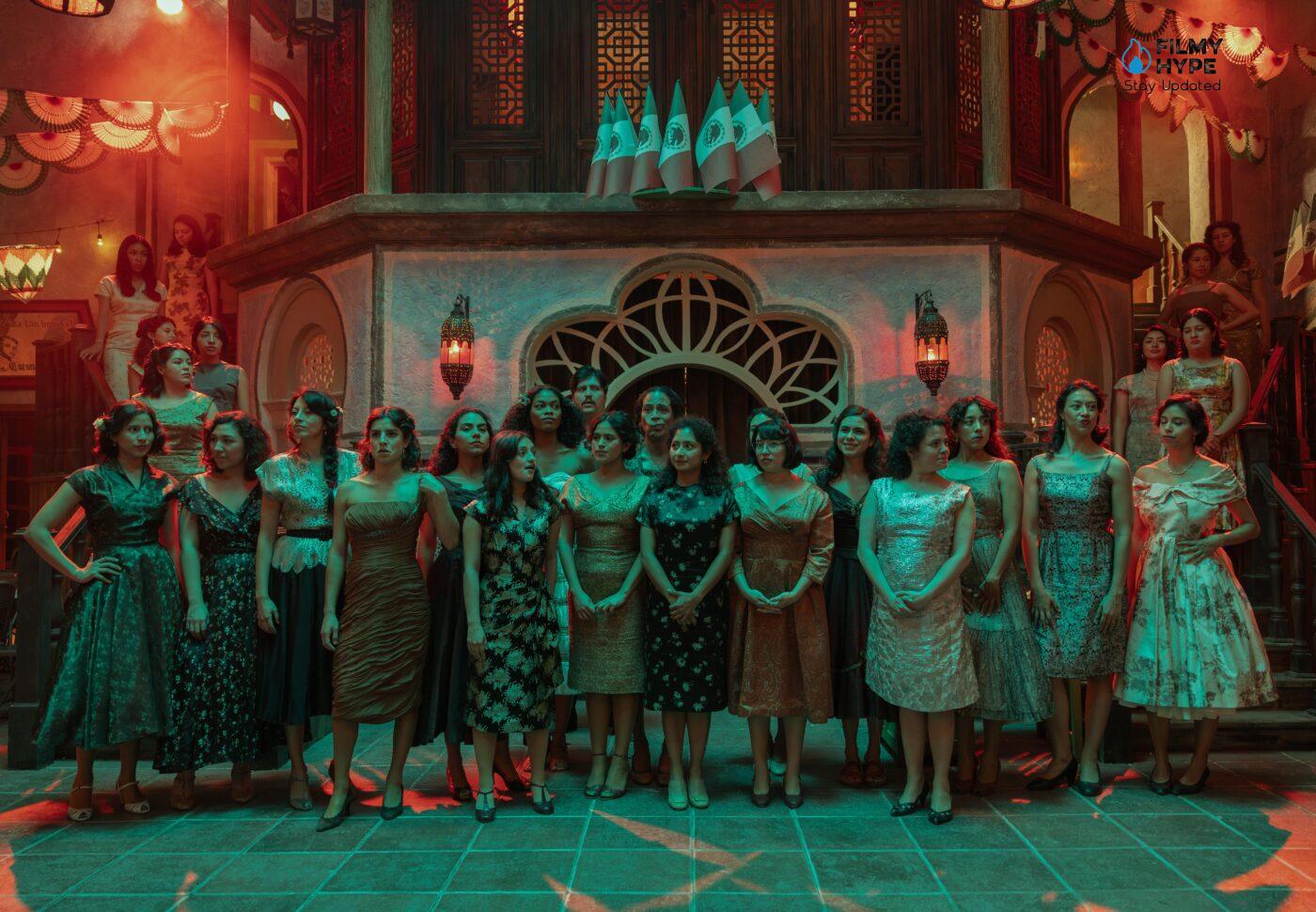
There is no room to really tell their experience, their pain, their humanity. The Dead Girls shows the cycle of violence and dehumanization, but does not always manage to do so with due weight. Female solidarity, potentially salvific, is replaced by a ruthless logic in which every bond is sacrificed to survival. With such a powerful story behind it, an iconic novel as a source, and an expert director like Luis Estrada at the helm, The Dead Girls had what it took to become one of the most impactful crime series of recent years. Instead, it remains an unsolved product, preferring to shock rather than dig, tell rather than question. It’s a series that you watch with interest, but that leaves the constant feeling of a missed opportunity.
The Dead Girls Series Review: The Last Words
The Dead Girls is a visually refined and conceptually ambitious series, but it is undermined by chaotic narration and in-depth characters. Luis Estrada brings to the screen a story of power, death, and impunity, but never really manages to descend into the emotional and social depths that the material requires. The result is a disturbing and provocative story, which, however, struggles to leave a lasting mark. The story of the González Valenzuela sisters deserved much more serious and thorough treatment, not this one collection of disconnected scenes which passes itself off as a television series. If you are a true crime enthusiast, my advice is to read up directly on the true story rather than waste six hours with this series.
Cast: Paulina Gaitán, Arcelia Ramírez, Alfonso Herrera, Joaquín Cosío, Mayra Batalla, Teresa Ruiz
Creator: Luis Estrada
Streaming Platform: Netflix
Filmyhype.com Ratings: 3/5 (three stars)