The Crystal Cuckoo Review: A Mystery That Blossoms in the Heart of the Season?
‘The Crystal Cuckoo‘ (original title: El cuco de cristal) series became the new phenomenon of Netflix, reaching number 1 thanks to a story that evolves chapter by chapter and that knows how to capture the viewer from the first moment. The series, an adaptation of the novel by Javier Castillo, proposes a thriller full of twists and time jumps that seek to maintain constant tension. Under the direction of Laura Alvea and Juan Miguel del Castillo, the plot takes place in Hervas, a small town of Caceres, which works as the perfect setting to wrap the story in mystery, emotion, and an almost hypnotic atmosphere. The landscape thus becomes a fundamental narrative ally for this production of Atypical Films. The Crystal Cuckoo follows Clara Merlo, a first-year resident doctor, who suffers a devastating heart attack that forces her to undergo a heart transplant. Still convalescing, the young woman cannot get the idea of meeting her donor out of her head, and this takes her to a small town in the interior to learn about the life of the young man who donated his heart to her. Clara thus enters a place full of secrets, a mystery that spans twenty years, and an airtight town where, on the same day of her arrival, a baby disappears in a public park.
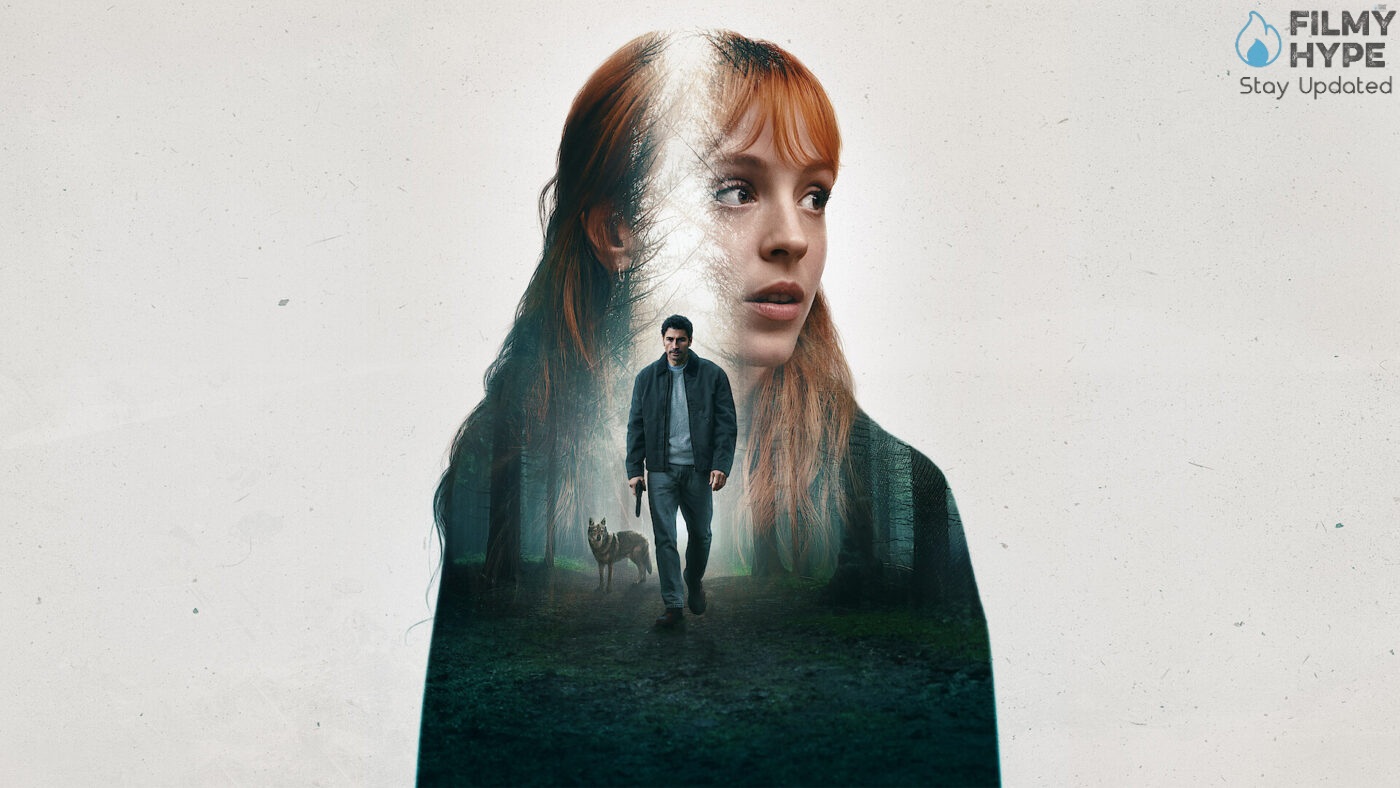
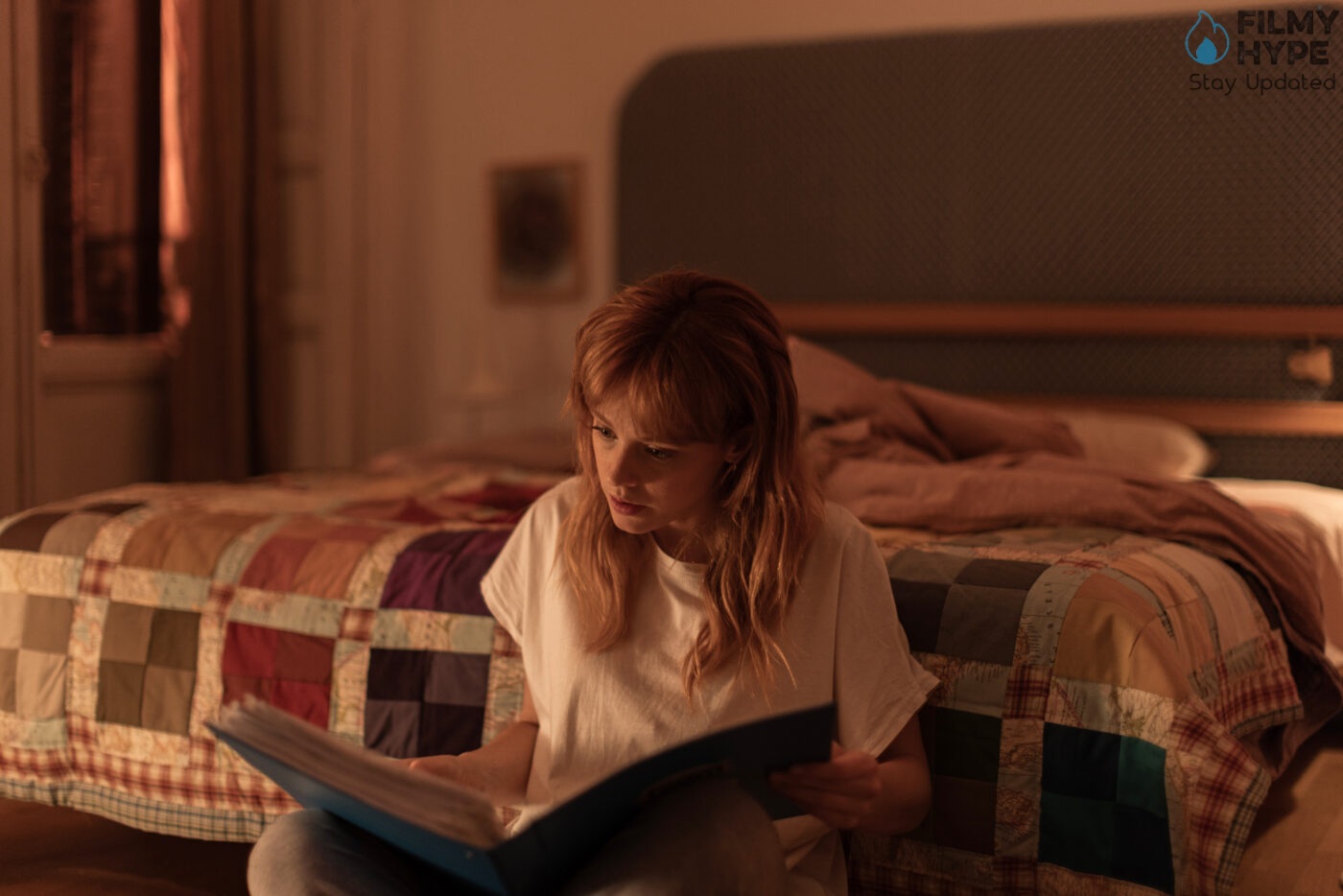
After The Snow Girl, it was the turn of The Crystal Cuckoo, the new best-selling novel by Javier Castillo, which jumped to the platform Netflix to export the success of the paper to the small screen. A long-awaited adaptation that meets expectations and is quite faithful to the story. He does it with an impeccable technical invoice and takes us to the Ambroz Valley, in the Hervás area, to set a plot for which a very special atmosphere is sought, with an air of mysticism and communion with unique nature. The Crystal Cuckoo opens with a very strong narrative idea: a young doctor who survived a heart attack thanks to a heart transplant feels the urge to find out who her donor was. Clara Merlo, played with a vulnerability held back by Catalina Sopelana, thus becomes the link between her rebirth and a past that no one in the small town wants to bring to light. The thriller never slips into the supernatural: the transplanted heart is a narrative engine, a gateway to a world of secrets and restlessness more rooted in reality than in metaphysical mystery.
The Crystal Cuckoo Review: The Story Plot
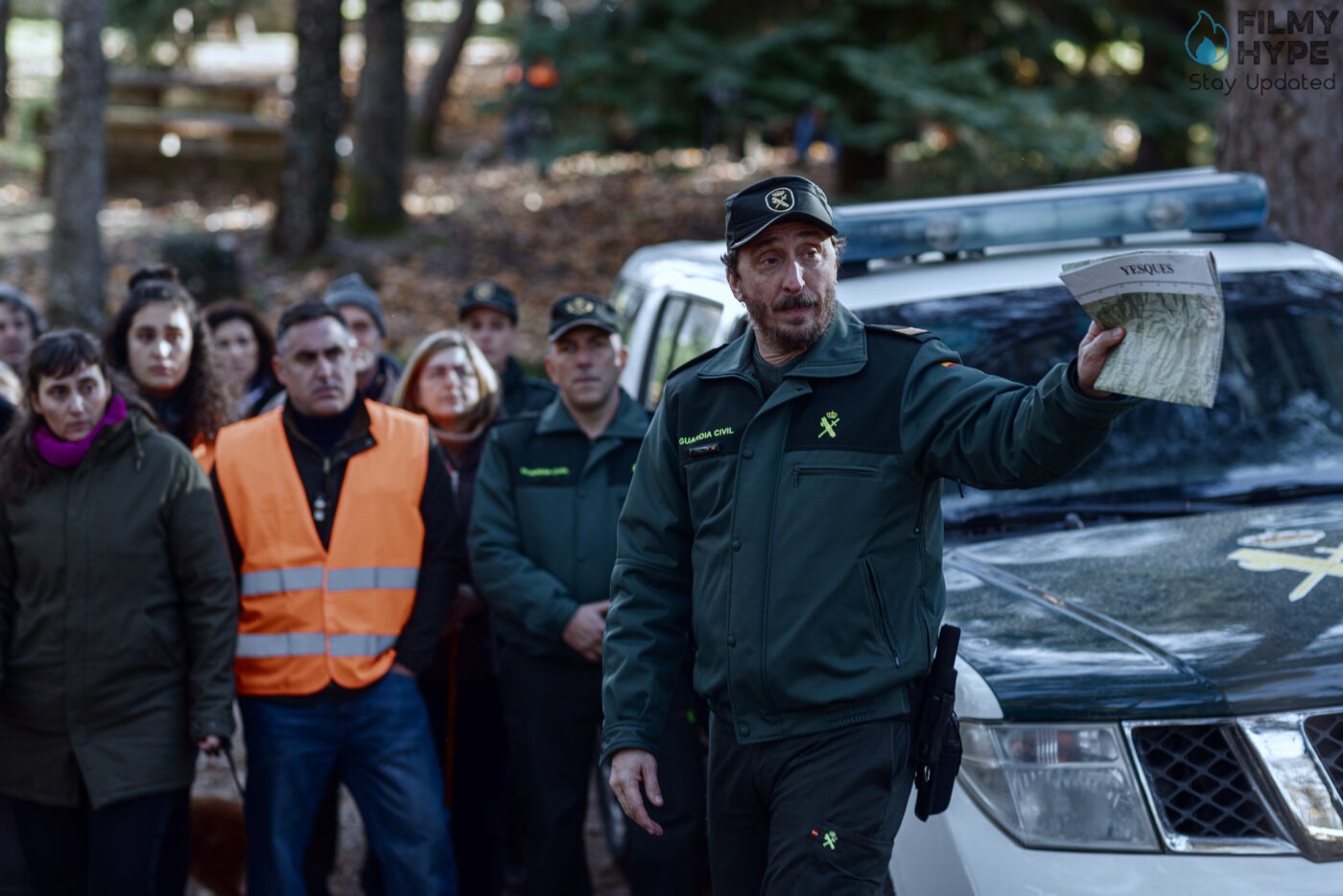
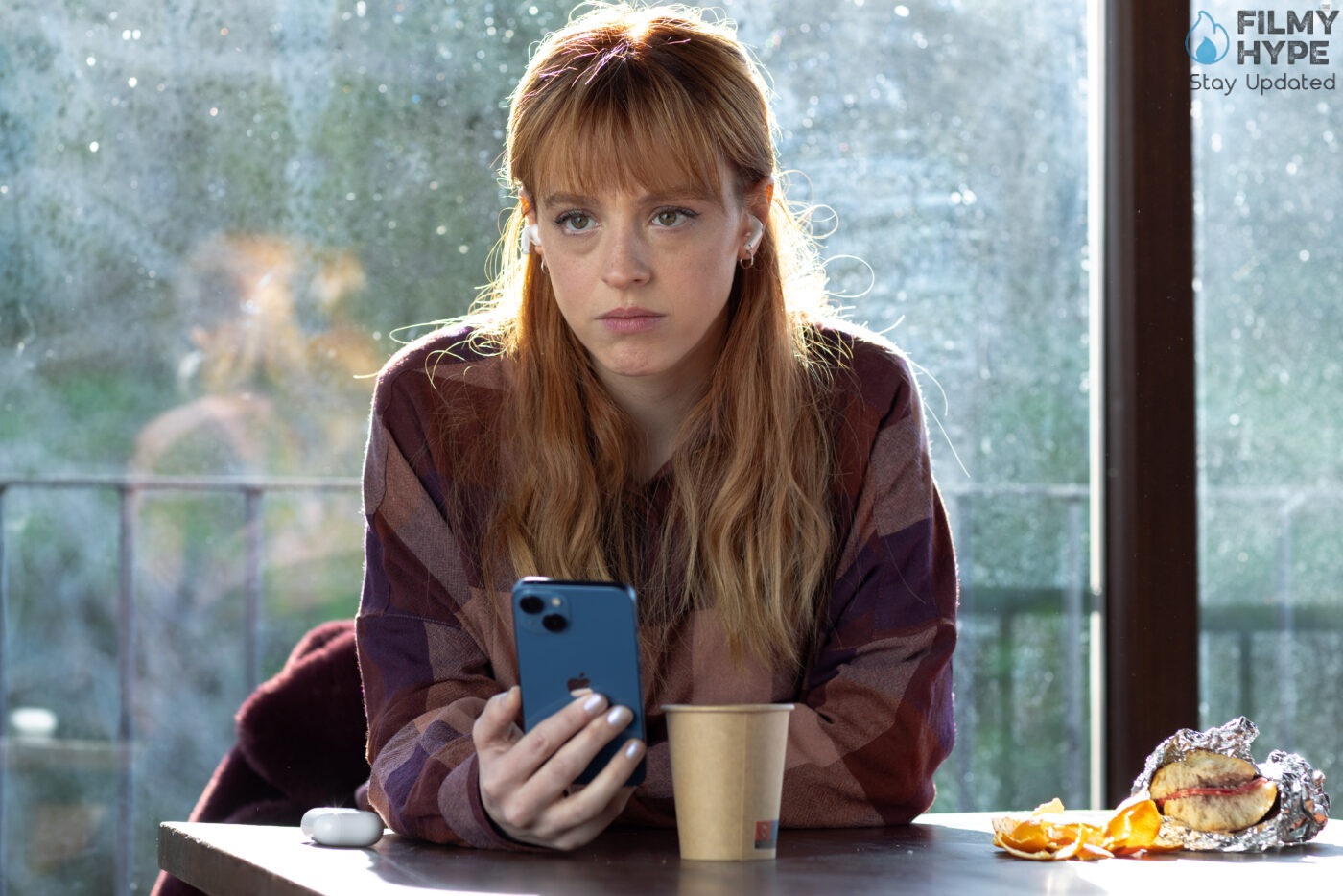
The Crystal Cuckoo tells the story of Clara, a resident doctor who one day collapses at work, the victim of a heart attack. When he wakes up days later, he discovers that he has had a heart transplant from an anonymous donor who has saved his life. Grateful but also seized by enormous curiosity, she decides to investigate the origin of her heart on her own, something that is prohibited by law. Thus, he discovers that it belonged to a young man named Carlos, who was killed in a traffic accident. He thus manages to contact his mother, a woman who lives in a small town called Yesques, where he travels to learn the story of his savior. However, as soon as she arrives, a disappearance occurs that turns the town upside down: a baby is kidnapped in broad daylight, and the Civil Guard prepares an emergency device to comb the forest, to which she joins without hesitation.
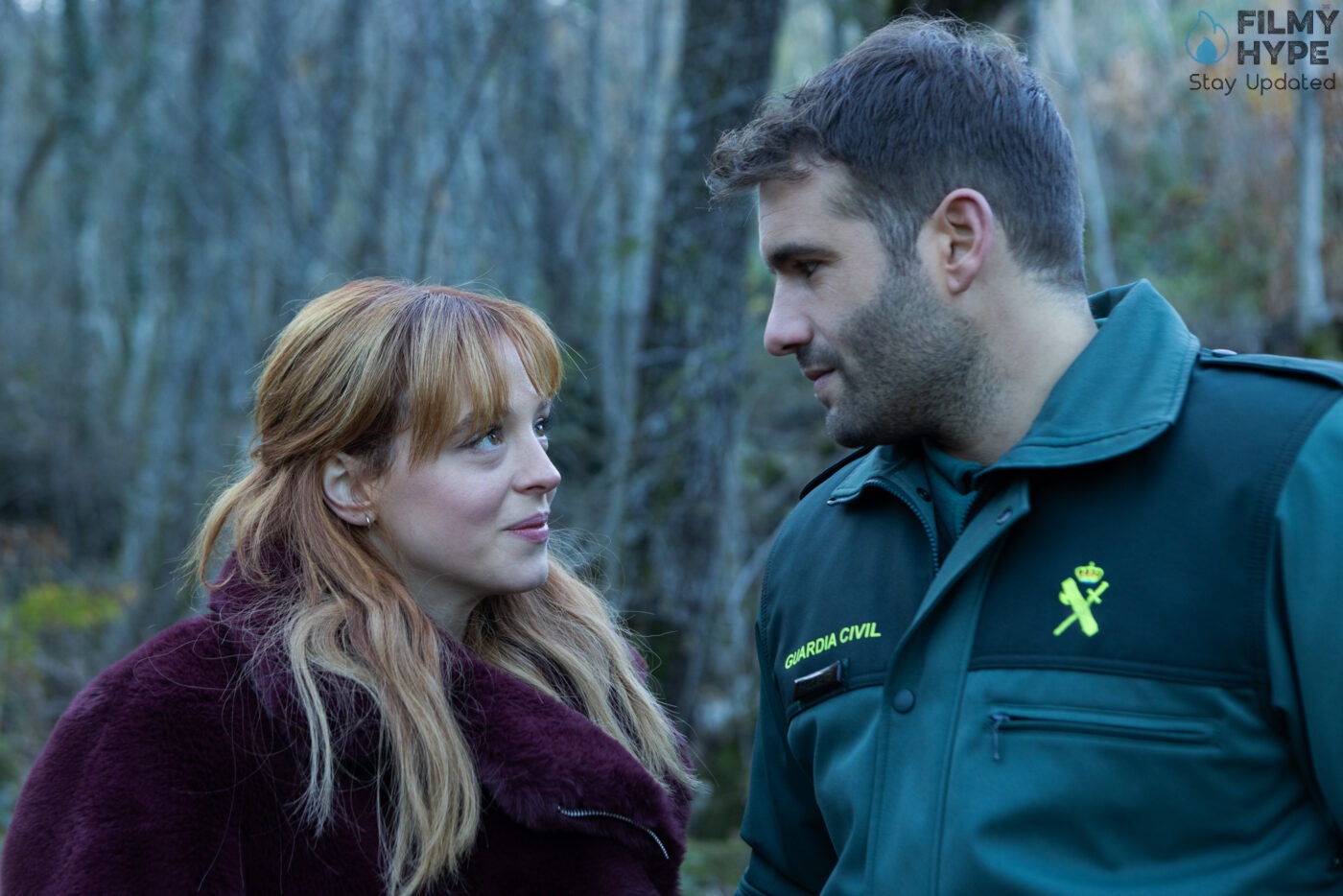
Despite her delicate state of health, Clara finds the whereabouts of the creature, but not before seeing how a man makes a series of strange movements, emulating a bird. But even though he is too fragile, he loses consciousness and cannot locate it. He will soon learn some of the mysteries that have been unfolding in the area, such as the disappearance of Carlos’s father and a series of women who seem to be related to each other, as he strengthens ties with his donor’s mother and his other son. Despite the exceptional nature of her position, Clara feels that the heart that beats inside her chest needs to find peace, and to this end, she tries to discover what happened in the past and to what extent this marks the strange events that occur in the area.
The Crystal Cuckoo Review and Analysis
Let Netflix adapt The Crystal Cuckoo is a logical decision in her career as a fiction producer in Spain. And especially when it comes to genres such as thriller or suspense, the platform has opted for already well-known brands that can attract the attention of its target audience, either because they have read the novels in question or simply because of the curiosity of peering into them. They are in their serial version after their literary success. Titles like The Mess You Leave, The Innocent, and The Snow Girl, all of them from Netflix, have their origin in literature. The five examples have been adapted from works of greater or lesser success, finding in audiovisual another format to tell their stories and reach the series audience, thus expanding their showcase.
With these synergies, the streamer American secures an audience and a greater expectation than other original series. And although it indeed risks reader comparisons and possible criticism for the modifications that are introduced due to its format change, Netflix wins because a large part of the promotional campaign already comes standard. However, this literary origin does not always ‘help’. Not all novels experience a natural leap into audiovisuals, because not all are easily adaptable. And this is one of the main handicaps of The Crystal Cuckoo, which, without being a bad adaptation of the novel by Jesús Mesa and Javier Andrés Roig, is not the best of the thriller series that the platform has done so far. To be frank, it is below The Snow Girl, which, despite also being a fairly independent fiction compared to the book, flowed better as a television version.
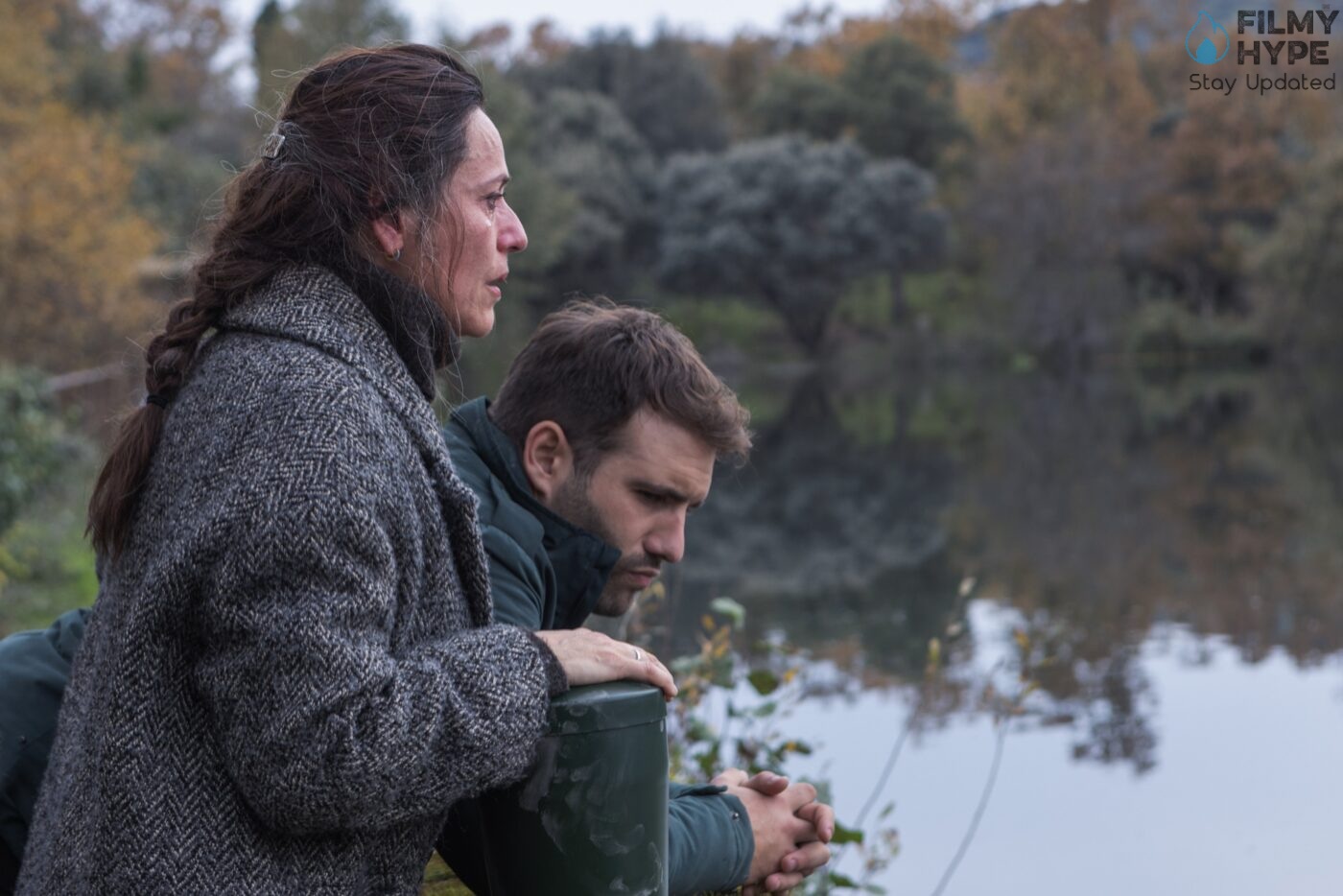
Broadly speaking, the Netflix series respects the story of Javier Castillo’s best-selling novel. However, some of the modifications introduced in its audiovisual version, together with the inevitable change of location with respect to the book, make it an unrecognizable adaptation for those readers who dove into The Crystal Cuckoo when it was published more than two years ago. Despite the good setting work of those responsible for the forests of Hervás, the creation of Atypical Productions, which he already took care of with The Snow Girl, fails to create an atmosphere that favors the mystery plot, and its script does not help either. For someone who has consumed this story in both formats, viewing it is not as enjoyable as reading it.
Clara’s entry into her donor’s community opens up a fascinating and deceptive mountain landscape. Behind the perfect image of a village surrounded by woods, the protagonist immediately perceives a silence full of omissions. It is a place that has lost too many people, a country that avoids naming the events that marked it. In the houses where the memory of the dead hovers and in the streets where no one talks too much, Clara understands that the truth is not just hidden, it is actively protected. The series continuously alternates between present and past, following on the one hand Clara’s investigation and on the other that which was conducted, years earlier, by Miguel Ferrer, father of the donor and civil guard oppressed by the weight of his own faults and suspicions. The mechanism of time jumps serves to build the narrative mosaic, but in the first episodes, it becomes redundant, at times even dispersive. The choice to insist on this structure, while useful on a thematic level, weakens overall fluidity, making the transition from one timeline to another less natural. Once this initial phase has been overcome, however, the series finds a more solid coherence.
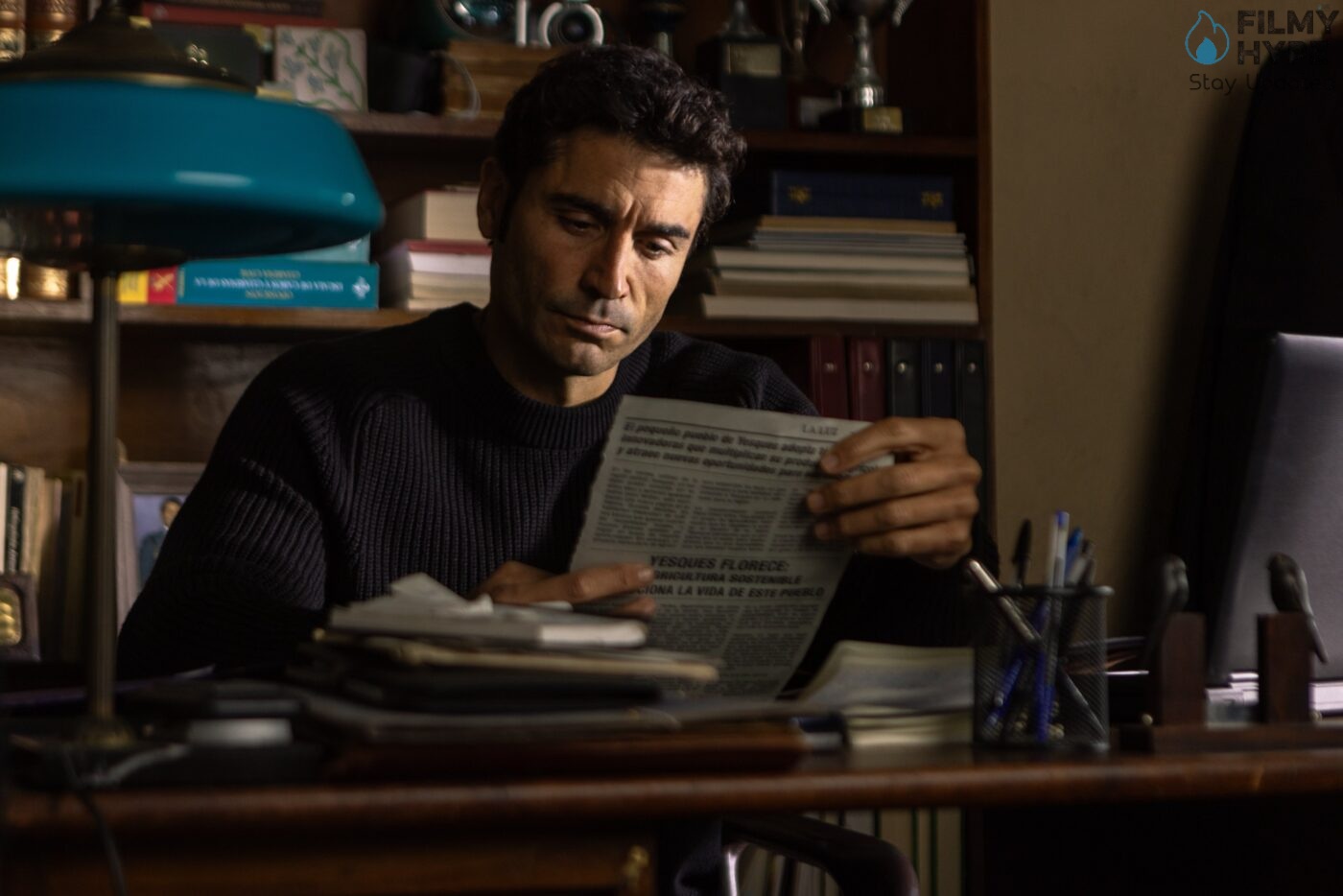
The investigative system grows slowly, accumulating details that seem unrelated but which, in the fourth episode, converge at a point of no return. This is where The Crystal Cuckoo reveals its true nature: a story of systemic violence, inherited misogyny, and darkness buried beneath local rituals and traditions. The thriller becomes rougher, more direct, more disturbing. From this moment, the series changes pace and becomes a race towards the truth, with the viewer placed in a privileged position: he knows more than the characters and awaits the moment in which they, too, will come to the same awareness. Catalina Sopelana builds a protagonist who observes, absorbs, and acts with precision, without ever exceeding. Álex García voices a complex character, marked by loss and suspicion. Itziar Ituño restores all the fragility of a woman who has lost too much too quickly. The rest of the cast also maintains consistent credibility, transforming thriller archetypes into figures that move naturally within the story.
While remaining an entertainment product, the series addresses some significant themes. Violence against women is represented as a systemic element, rooted in the fabric of the community rather than in the individual perpetrator. At the same time, the family drama linked to disappearances becomes a symbol of inherited trauma, transmitted through generations that learn to live with the unsaid. The country thus becomes a mental space, as well as a geographical one. The Crystal Cuckoo is not without limits. The time-skipping structure is often insistent and weighs down the rhythm, while the premise of the transplant turns out to be more of a pretext than a truly decisive element. Furthermore, the direction does not distinguish the two eras clearly enough. However, the series finds its strength in atmospheres, the growth of mystery, and the ability to offer solid entertainment, capable of capturing the viewer thanks to a convincing balance between tension, emotion, and social denunciation.
From the novel The Crystal Cuckoo, the series collects the double intertwined timeline so that it develops the events from 2002 onwards and from 2022 onwards in parallel. The main difference, however, is that the action is located in Spain, adapting the proposed plot in a more credible and easy-to-digest way and also subtracting some of the glamor that would be imposed on it. Passing claim the natural beauty of a place that has been devastated by this year’s fires, as recognition and gratitude for the people who have facilitated filming in the area, as we are reminded in a few final notes after each episode. Maybe the biggest pending issue in the series is not being able to differentiate itself too much from other works of the genre. It never gives the sensation of delving into the topics it deals with, such as gender violence, identity, family secrets, or the permissiveness of the authorities, so on a dramatic level, it remains quite lame.
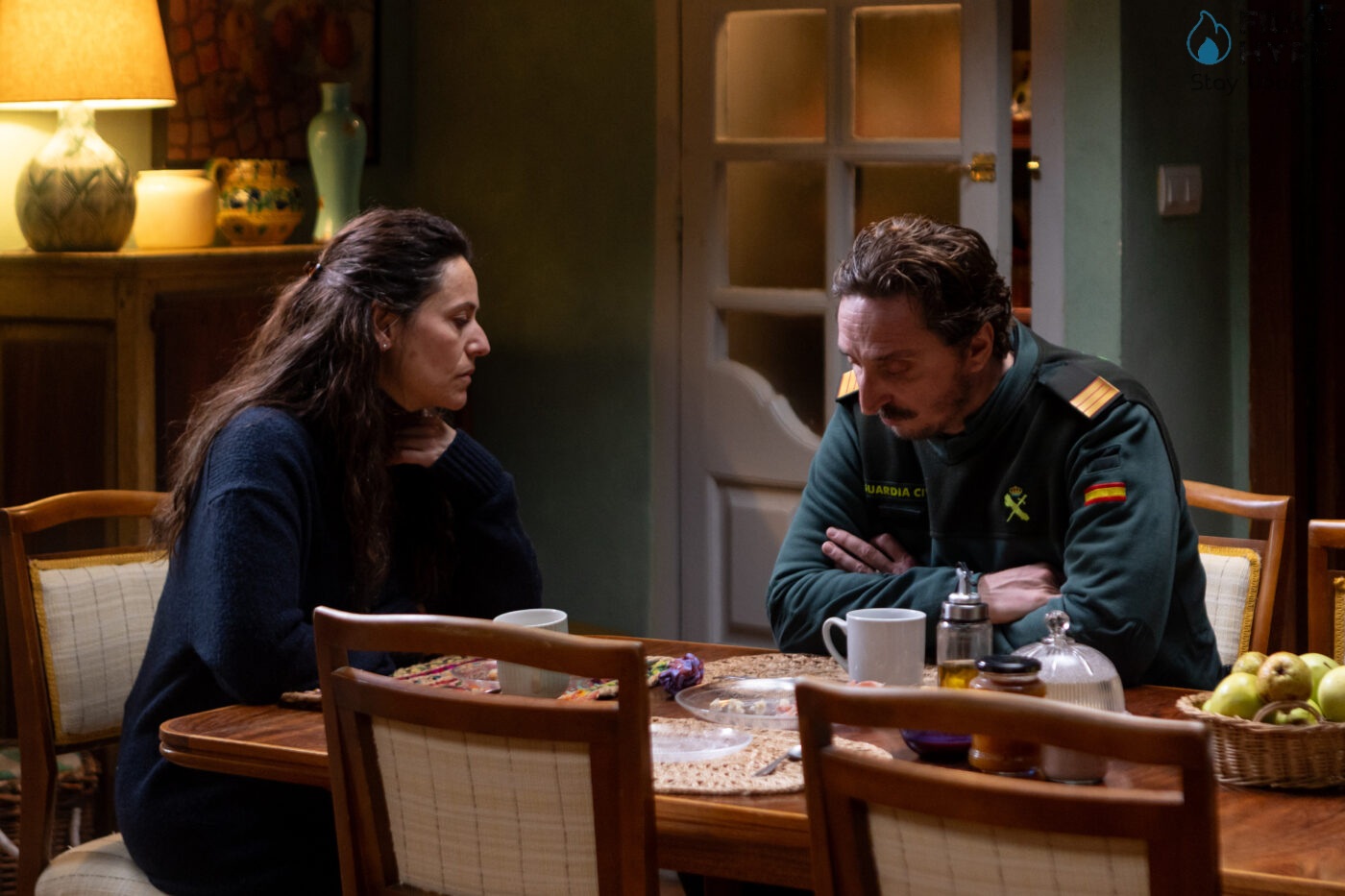
It worked better in the past than in the present, where you finally settle down until you resolve. It wouldn’t have hurt to develop his main character further, either, a young female figure who seems misplaced most of the time, and with whom it is a bit difficult to empathize. It is, after all, a well-executed police thriller that does not incorporate great new features nor does it face excessive risks, but it confirms that there is work behind its creation. It is a good addition to the catalog of Netflix, which will surely bring you good audience ratings, thanks, precisely, to how affordable it is and how familiar we are with the genre. In any audiovisual production, the characters are the backbone of the story. In this case, we must highlight the interpretations that the protagonists offer us. Itziar Ituño (Marta Ruiz) eclipses any scene in which she appears. With her gaze, she is able to transmit all the character’s emotions, making the viewer connect with her immediately. At his side, Alex Garcia (Miguel Ferrer), civil guard and husband of Martha, consolidates himself as another of the pillars of the series, providing solidity and an emotional presence that sustains many of the key scenes.
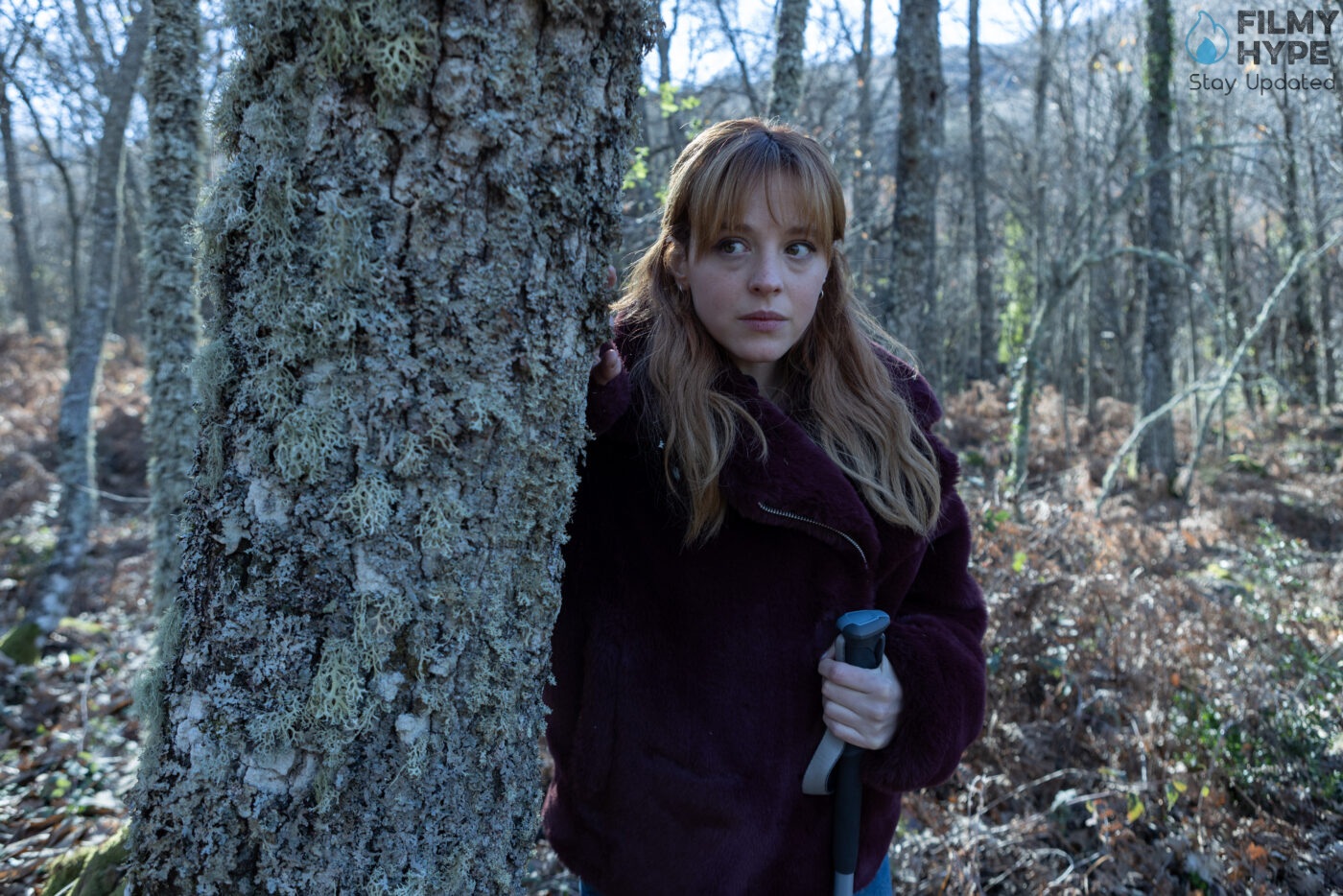
He joins this great cast, Ivan Massagué (Raphael), a civil guard and friend of Miguel. He plays a character full of chiaroscuro, being one of the most surprising as the plot progresses. Equally relevant is the presence of Thomas of the State (Gabriel), a character wrapped in an aura of mystery that intensifies chapter after chapter. This character’s arc goes from mystery to a deep darkness that can be seen in the last chapters of the series. In counterpoint, some interpretations are more blurred. Despite being the protagonist, Catalina Sopelana (Clara Merlo) fails to fully engage. Its arc feels flatter, and its plot loses strength compared to the rest of the cast. The same goes for the relationship you have with Alfons Nieto (Juan Ferrer Ruiz), which lacks emotion and depth, remaining in a subplot that barely manages to dazzle the viewer. A notable difference compared to the naturalness they transmit Martha and Michael, whose chemistry provides intimate and everyday moments that do manage to connect with the viewer’s feelings.
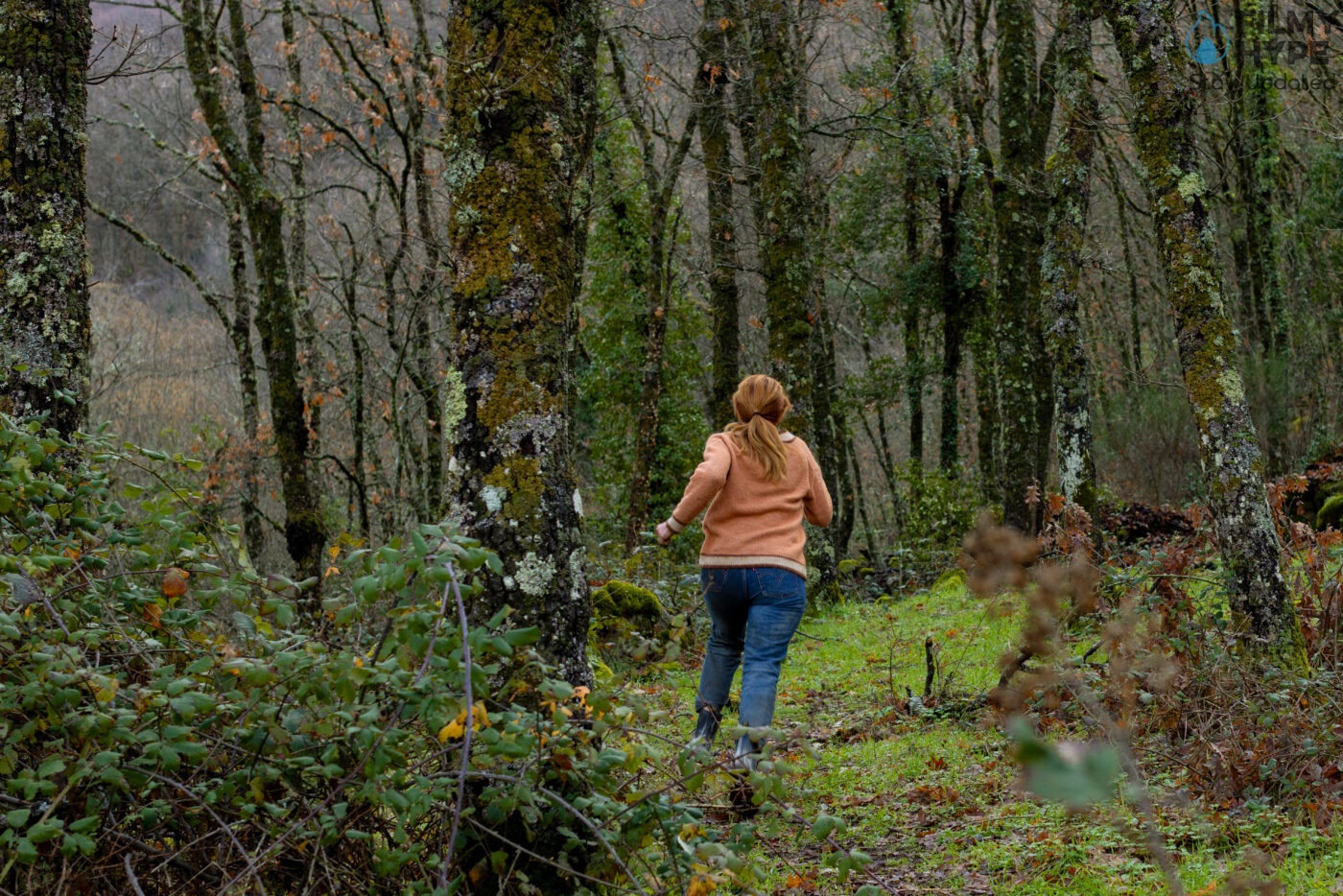
The pace of the series is, in general, agile. However, the constant time jumps can become disorienting. Although the intention is to increase the intrigue, the saturation of temporal changes in each episode sometimes dilutes the tension, breaking the narrative crescendo that the series successfully constructs. A more contained temporal structure would have allowed the suspense to breathe and grow much more effectively. One of the greatest successes of ‘The Crystal Cuckoo‘ is the use of the environment. The forests of Ambroz Valley not only do they situate the action, but they also create that atmosphere of strain and suspense that is breathed in the series. The feeling of immensity and isolation that these places transmit shrinks the heart and enhances the climate of uncertainty. The scenes with a handheld camera between the trees or the aerial shots in drones that reveal the majesty of the valley are very successful narrative choices. Added to all this is one soundtrack that accompanies with precision and that contributes decisively to generating the climate of intrigue that is sought.
The Crystal Cuckoo Review: The Last Words
‘The Crystal Cuckoo‘ is a thriller that combines brilliant performances, a powerful setting, and a narrative rhythm that, although irregular at times, maintains interest from beginning to end. Their time jumps can work against them, and some characters fall below the set. However, the strength of its atmosphere, the quality of its actors main and the magnetism of its landscape manage to leave their mark. A recommended series for those who enjoy mystery, tension, and stories in which the environment becomes another character. The Crystal Cuckoo is a rural thriller that uses a medical pretext to bring the protagonist to a country marked by disappearances, trauma, and gender violence. Despite the limitations in handling time jumps, the series grows to a powerful central hub, underpinned by an effective cast and an uneasy atmosphere that never abandons the viewer.
Cast: Catalina Sopelana, Álex García, Itziar Ituño, Iván Massagué, Alfons Nieto, Tomás del Estal
Director: Laura Alvea, Juan Miguel del Castillo
Streaming Platform: Netflix
Filmyhype.com Ratings: 3.5/5 (three and a half stars)