
Stranger Things: All the Creatures of the Upside Down Explained | The Ecosystem of a Nightmare
Since its first appearance as a distorted echo of Hawkins, the Upside Down in Stranger Things has never been a mere setting. It is a character in itself—a living, breathing, and malevolent organism. The monsters that stalk its ashen landscapes are not random fauna; they are symptoms of a larger, unified consciousness. They are the tools, weapons, and very flesh of a dimension that operates as a single, expansive entity. Understanding the creatures of the Upside Down is not about cataloging monsters, but about deciphering the goals and nature of the ecosystem itself. As we head into the final season, each creature reveals a piece of the puzzle: what this dimension wants, how it evolves, and what its ultimate endgame entails.
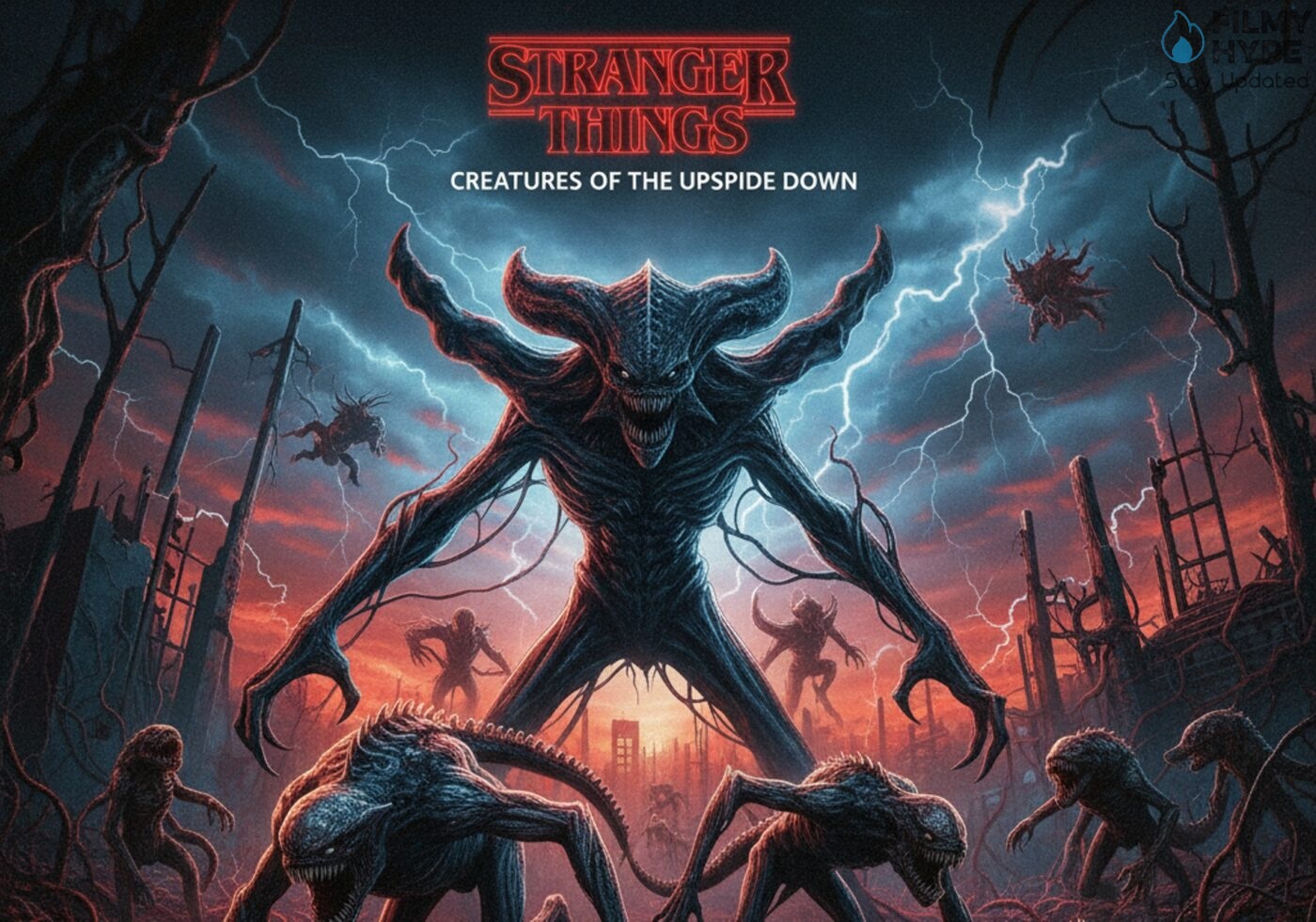
Stranger Things: The Creatures of the Upside Down, Explained
Since its premiere in 2016, Stranger Things it has become one of the most influential series from modern pop culture, combining eighties nostalgia, science fiction and horror in a unique way. Beyond its endearing characters and his setting full of references, one of the elements that more has caught the attention they are from the fans the creatures that inhabit the Upside Down, a parallel world as disturbing as it is fascinating. Every monster has been a key piece in the expansion of the Upside Down and in the fight of Once and his friends for protect Hawkins of forces that, on more than one occasion, seemed impossible to combat. With this in mind, we delve into a complete review for all the creatures that have appeared in the series, since the more emblematic until more disturbing, to understand its impact on history and because they have become a fundamental part of the legacy from the series.
1. The Demogorgon: The Primal Predator
The Demogorgon was our first terrifying introduction to the Upside Down. More than just a monster, it functioned as the most basic manifestation of the dimension’s predatory intent. Its faceless humanoid form, raw muscle tissue, and iconic “petal” head revealed a creature built for a single purpose: hunting.
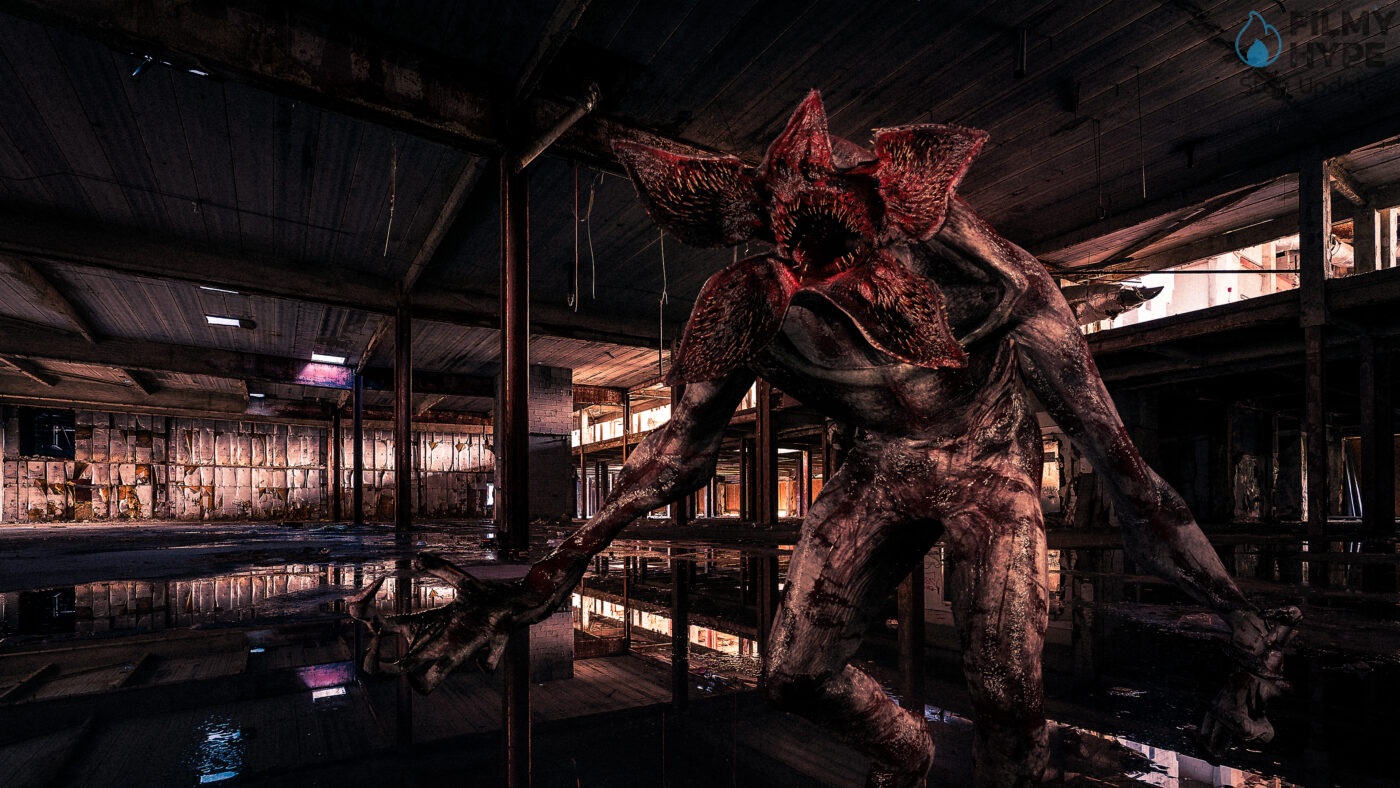
- Role in the Ecosystem: It acts as the system’s primary shock trooper and hunter. It is not an autonomous animal but a biological extension of the hive mind, guided by a shared consciousness to track, capture, and eliminate threats or gather resources (like hosts).
- Key Insight: The Demogorgon established the rules. Its ability to create temporary gates, its sensitivity to blood, and its connection to the hive mind showed us from the beginning that we were not dealing with a lone beast, but with a single component of a much larger, connected system.
2. The Demodogs: The Evolving Swarm
The Demodogs represent the bridge between the solitary Demogorgon and the true swarm intelligence of the Upside Down. They are faster, more agile, and operate with the coordinated precision of a pack.
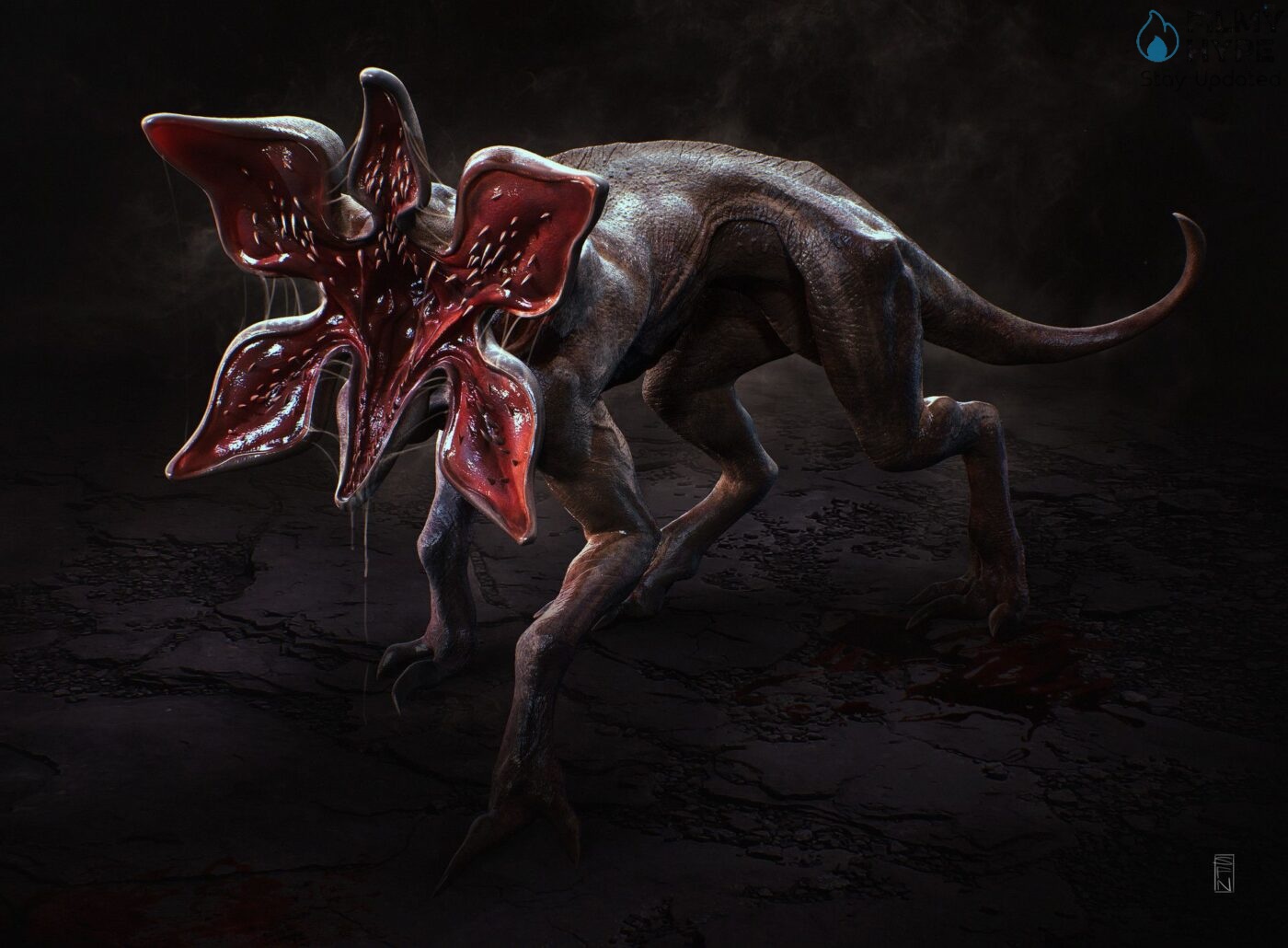
- Role in the Ecosystem: They are the intermediate stage of the creature’s life cycle (from polyp to adult) and serve as the ecosystem’s ground forces. They demonstrate the dimension’s ability to adapt its “units” for different tasks—speed and numbers over brute strength.
- Key Insight: The arc of Dustin’s pet, Dart, was crucial. It showed that these creatures aren’t mindless; they retain information and can even form primitive bonds. This suggests the Upside Down doesn’t erase what it consumes; it learns from and incorporates it, making each creature a repository of gathered intelligence.
3. The Mind Flayer: The General of a Shadow Army
For two seasons, the Mind Flayer loomed as the apparent mastermind—a colossal, spider-like entity controlling everything from the skies of the Upside Down. However, Season 4 delivered a paradigm-shifting revelation: the Mind Flayer is not the source, but a tool.
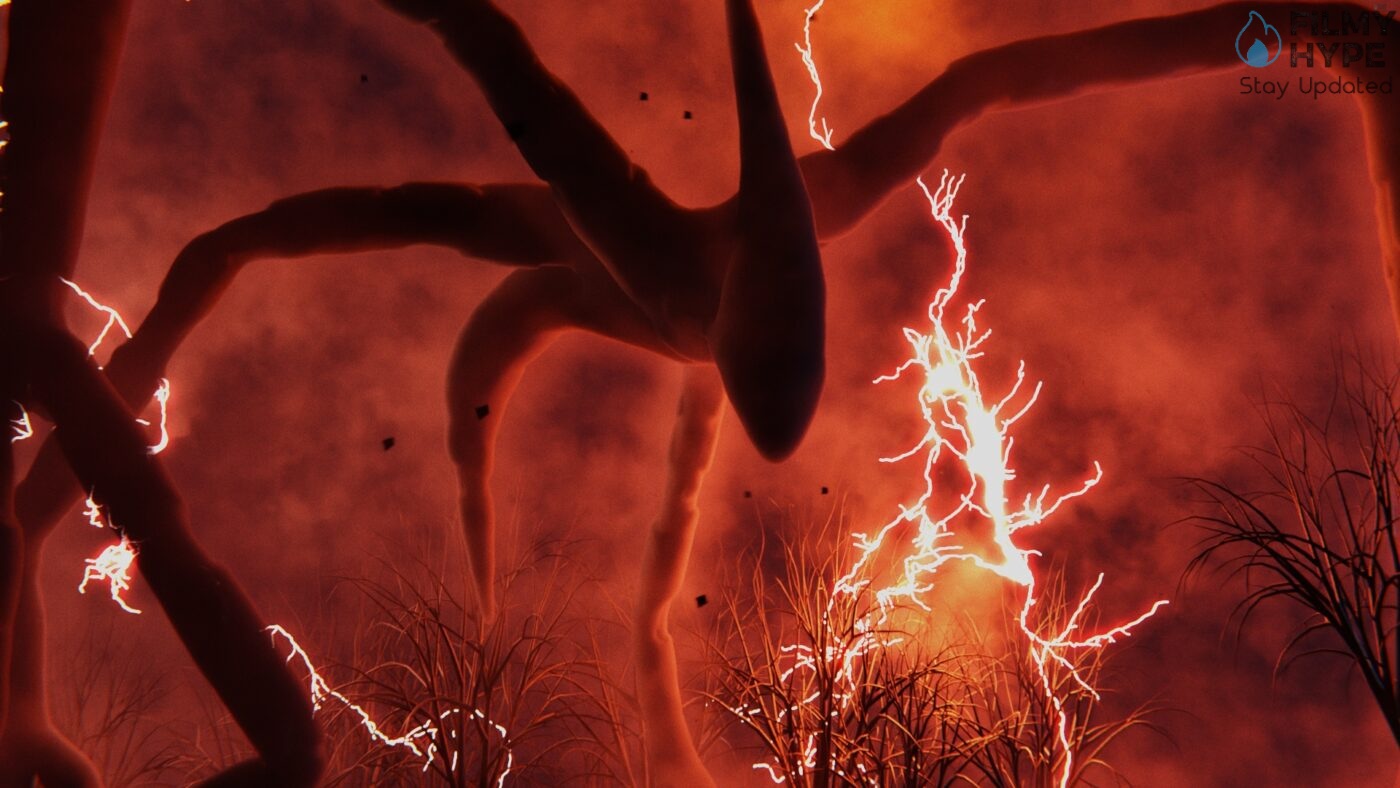
- Role in the Ecosystem: It is a massive biological construct, a “cloud of particles” given a terrifying form by Vecna (Henry Creel). It acts as his command-and-control center, amplifying his will to coordinate every other creature in the dimension. It is the ultimate expression of his desire for order and domination.
- Key Insight: The Mind Flayer is not the brain; it is the broadcast antenna. This recontextualizes the entire ecosystem. The true villain is not the dimension itself, but the human consciousness that hijacked it and gave it a malicious purpose.
4. The Living Particles: The Raw Material of a Dimension
The floating, breathing spores and black flakes that fill the air of the Upside Down are not mere atmosphere. They are the living particles, the fundamental building blocks of everything within it.
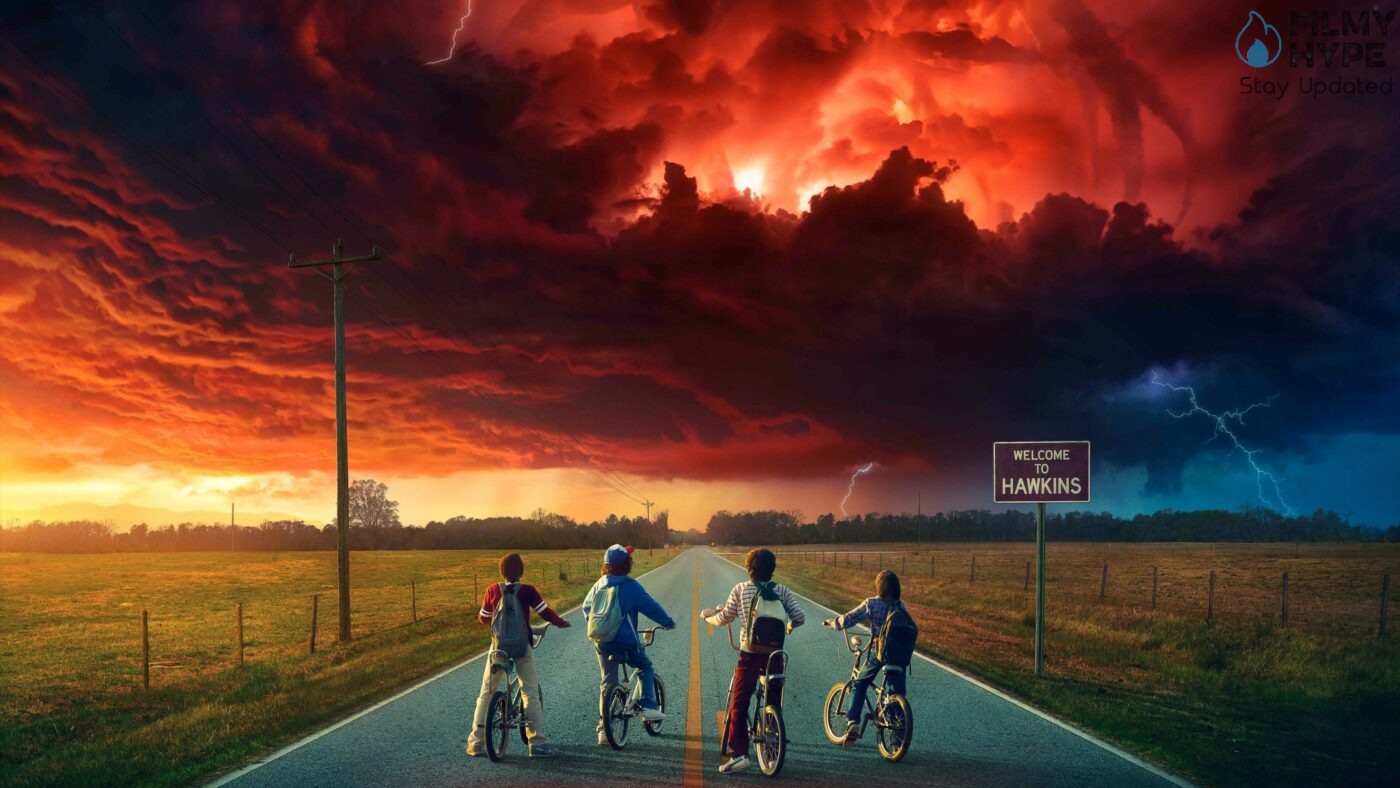
- Role in the Ecosystem: This is the “clay” of the Upside Down. It is programmable matter that can be shaped into creatures, used to repair damage, connect the hive mind, and infect other lifeforms. It is the physical manifestation of the dimension’s unity.
- Key Insight: When Henry Creel first fell into the dimension, he didn’t find monsters; he found these raw, formless particles. He imposed the hierarchy. This means the Upside Down’s current structure is a reflection of one man’s mind, not its inherent nature.
5. The Demobats: The Aerial Defense System
The swarms of vicious bats introduced in Season 4 serve a highly specific military function.
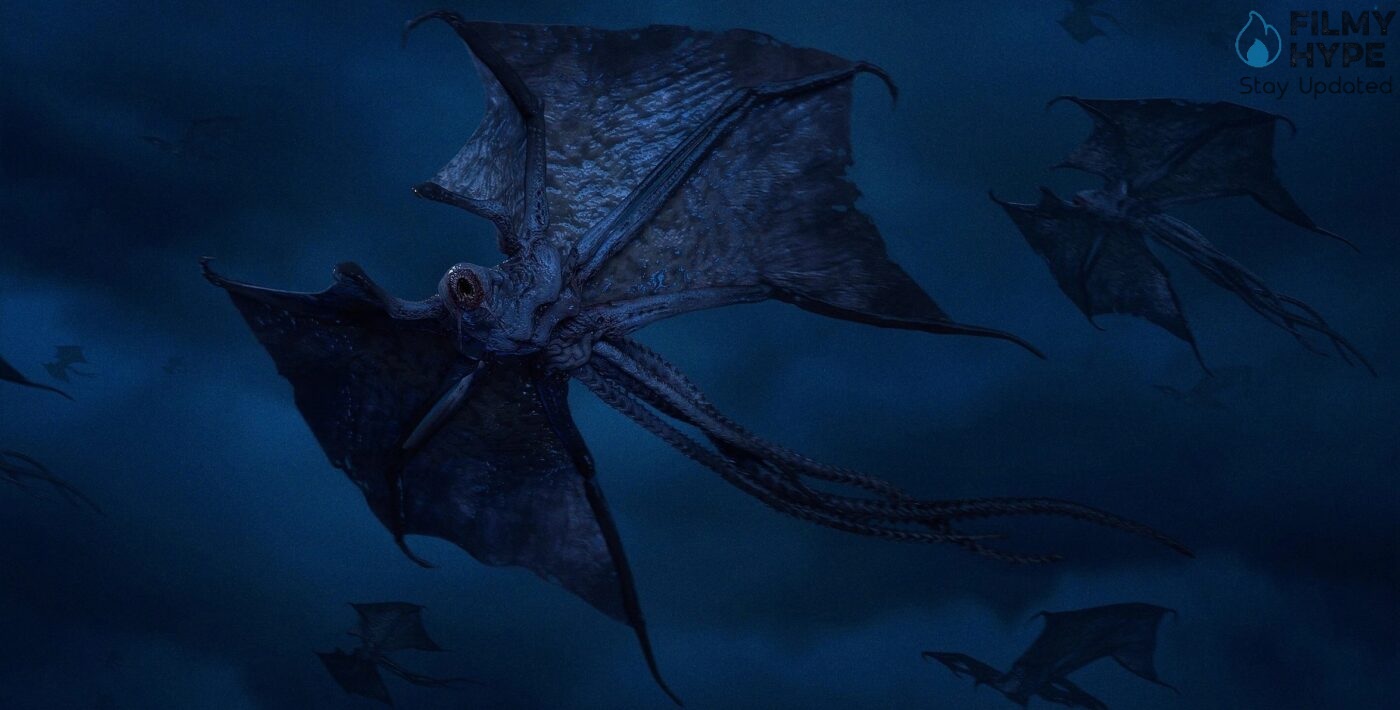
- Role in the Ecosystem: They are Vecna’s territorial defense and rapid-response force. Unlike the Demogorgons who hunt, the bats are designed to protect key locations (like his lair) and eliminate intruders with overwhelming, coordinated force.
- Key Insight: The bats introduce the concept of “territory” within the Upside Down. They show that Vecna has fortified his domain, turning parts of it into fortified castles guarded by loyal, flying sentinels.
6. The Meat Monster (Hospital Monster): The Horror of Assimilation
The grotesque Meat Monster of Season 3 is the ultimate expression of the Upside Down’s invasive logic. It is not a born creature, but a Frankenstein’s monster assembled from the dissolved remains of its victims.
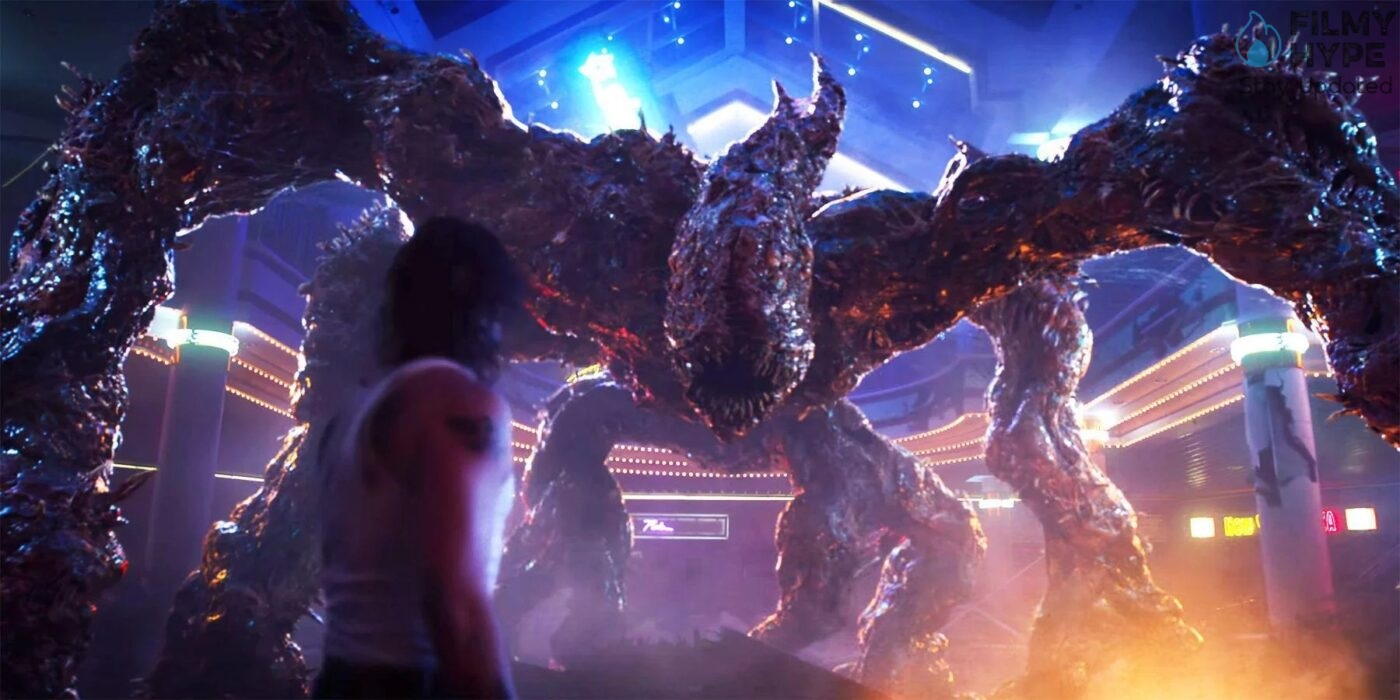
- Role in the Ecosystem: It represents the end result of assimilation. The Upside Down doesn’t just kill; it consumes and repurposes. This creature was a blunt instrument created by the Mind Flayer to amass physical mass and power quickly, demonstrating that any biological material can be absorbed into the whole.
- Key Insight: This monster is the physical proof that the Upside Down’s goal is to erase individuality and absorb all life into a single, controlled mass.
7. Vecna: The Architect of the Apocalypse
Though not born of the dimension, Vecna (Henry Creel) has become its most powerful and defining creature. He is the dominant consciousness that gave a shapeless ecosystem a terrifyingly focused goal.
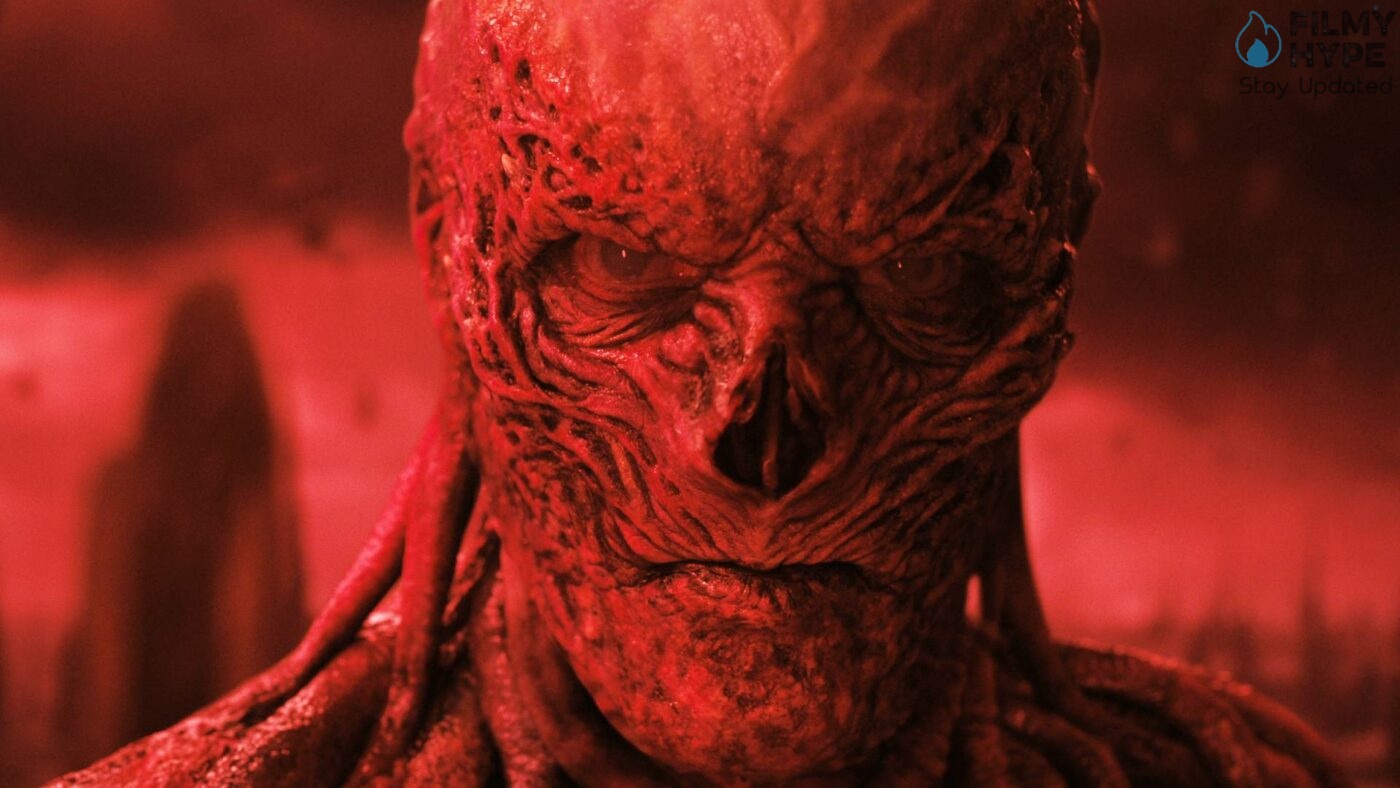
- Role in the Ecosystem: He is the corrupt king on the throne. The Upside Down provided the raw power and biology; Vecna provided the intelligence, strategy, and malevolent will. He is the mind that usurped a world.
- Key Insight: Vecna’s power to attack the mind directly, using trauma and memory, elevates the threat from physical to psychological. He proves that the final battlefield for Hawkins will not be in the streets, but in the minds of its heroes.
The Final Question for Stranger Things 5
The creatures of the Upside Down are not independent species. They are interchangeable parts of a single, cohesive system that thinks not in terms of individual life, but of collective expansion. Under Vecna’s command, this system has become a perfectly organized weapon.
This leads to the central, unanswered question for the final season: What happens to the ecosystem if the architect is removed?
If Eleven and her friends defeat Vecna, does the Upside Down simply dissolve? Or does the hive mind, now shaped by his will, continue without him? Perhaps it reverts to its original, formless state of pure, chaotic particles. Or, most terrifyingly, does it seek out a new, dominant consciousness to command it?
The fate of every creature, from the lowliest Demodog to the shadow of the Mind Flayer, depends on the answer. The Upside Down was an organism; Vecna made it an army. The final battle will decide if that army can be disbanded or if it will simply find a new general.


One Comment