
Steve Movie Review: Work That Overturns the Codes of the Classic “Inspirational Teacher”
Steve Movie Review: With Steve Cillian, Murphy returns to work with director Tim Mielants, following the success of Small Things Like These. The result is an intense and complex work, which addresses the limits of the education system and the personal wounds of those who try to support it from within. Set in the mid-1990s, the film tells the story of a day in the life of an English remedial school, where teachers and therapists try to manage a group of difficult kids. Alongside Murphy, we find Emily Watson, Tracey Ullman, Little Simz, and Jay Lycurgo, a young actor who gives a truly surprising interpretation of the role of Shy. Christopher Nolan certainly has many merits, one above all that of being a true champion of the cinematographic experience, even better if on a screen of IMAX-type dimensions, “monsters”. This is probably its main peculiarity, but among the secondary ones, others still have their importance. Including that of having contributed to ensuring that the general public noticed that an Irish actor born in 1976 who in 2002, practically making his debut, we saw waking up, after almost a month in a coma, in a deserted hospital in a London now changed forever in the seminal 28 days later by Danny Boyle is, in reality, one of the greatest of his generation.
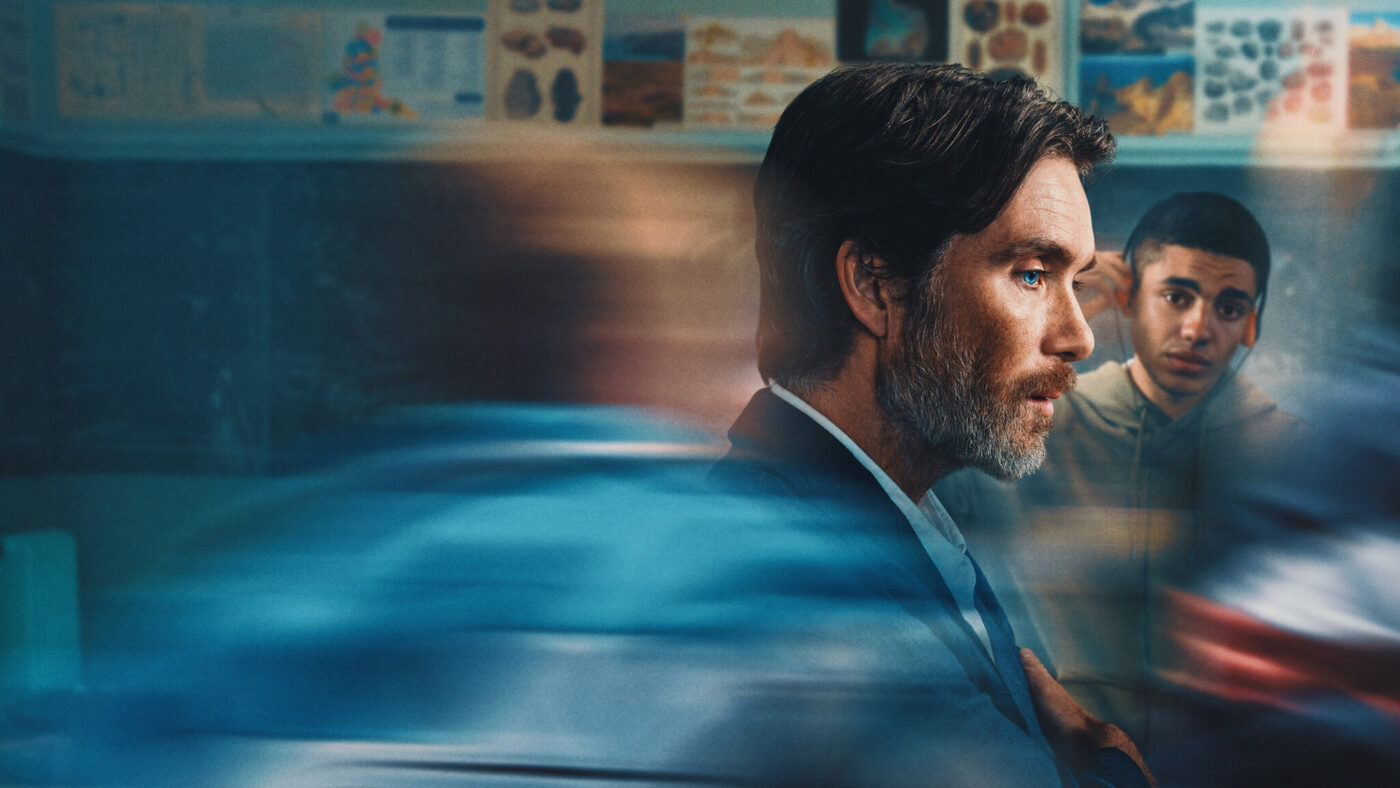
Yes, you will have already understood, let’s talk about that gentleman mentioned in the title of this review. A characteristic that, in fact, already appeared evident from the legendary horror of the director of The Millionaire or from Breakfast on Pluto by Neil Jordan, but is by virtue of the partnership with Nolan that began with Batman Begins it was then articulated through Inception, Dunkirk and, finally, Oppenheimer that Cillian Murphy’s skill became something as established as getting hot water by turning the tap to the red side. And yes, even the BBC Peaky Blinders series has increased, over the course of about ten years, the notoriety and fandom of an artist who deserves all the success and compliments of this world, but that Oscar for Best actor received for Oppenheimer has a weight and value that is completely separate and out of scale. And it is thanks to him that Steve, a film directed by the Belgian Tim Mielants since October 3rd, streaming on Netflix, deserves to be seen.
Steve Movie Review: The Story Plot
In this second collaboration between Tim Mielants and Cillian Murphy, Small Things Like These, the opening film of the Berlin Film Festival in 2024, the Oscar winner takes on the role of Steve of the title. The film is set in the mid-1990s and is based on Max Porter’s bestseller Shy. The plot unfolds, minute plus minute, over a crucial 24 hours for both Steve and the students in a remedial institution. The man is, in fact, the principal of a school whose mission is to recover and offer one last chance to complicated but far from stupid kids, whose main handicap is that of having been forgotten and abandoned by everything and everyone, by their families and by society as a whole. 24 hours during which Steve fights in every way to ensure that the school can carry out its mission by trying to prevent its imminent closure, but also his “inner demons” connected to a serious accident he had had some time before. In the midst of all this, there is the tormented story of Shy, a teenager tormented by a stormy past and the disturbances and fears of what the future has in store for him, in a constant struggle between trying to reconcile his vulnerabilities with the destructive and violent drives he often feels.
Steve Movie Review and Analysis
The beauty of cinema is that it puts us in front of stories and contexts that, perhaps, we don’t know like the back of our hand, and Steve does just that. It transports us to an area, those English schools in a certain way heirs of the Reform Colleges of the 19th century, which are responsible for trying to rehabilitate “difficult” young people who, perhaps, have had problems with the law and come from particularly disadvantaged social habitats. I admit I didn’t read the book at the base, but from what I’ve seen around my –obvious– suspicions have been confirmed. The text, which is titled as reported a few lines ago, Shy, is more focused on the young man in question, while the film adaptation shifts the focus to the principal played by Cillian Murphy. I also assume, for obvious reasons of weight and skill of the actor in question (who the producer of the project) is also. Mielants’ direction and Porter’s screenplay are skilled in making us understand a lot about the characters that populate Steve thanks to hints, references, and clues, even scenographic ones, and the portrait we obtain is certainly incisive. Even ignoring the underlying plot in every way, it is, perhaps, a little too obvious from the beginning where it will end up, but it is a question of goat’s wool, given that we are not dealing with a thriller in which we get lost in conjectures and theories about who did what, but with a fairly classic character study.
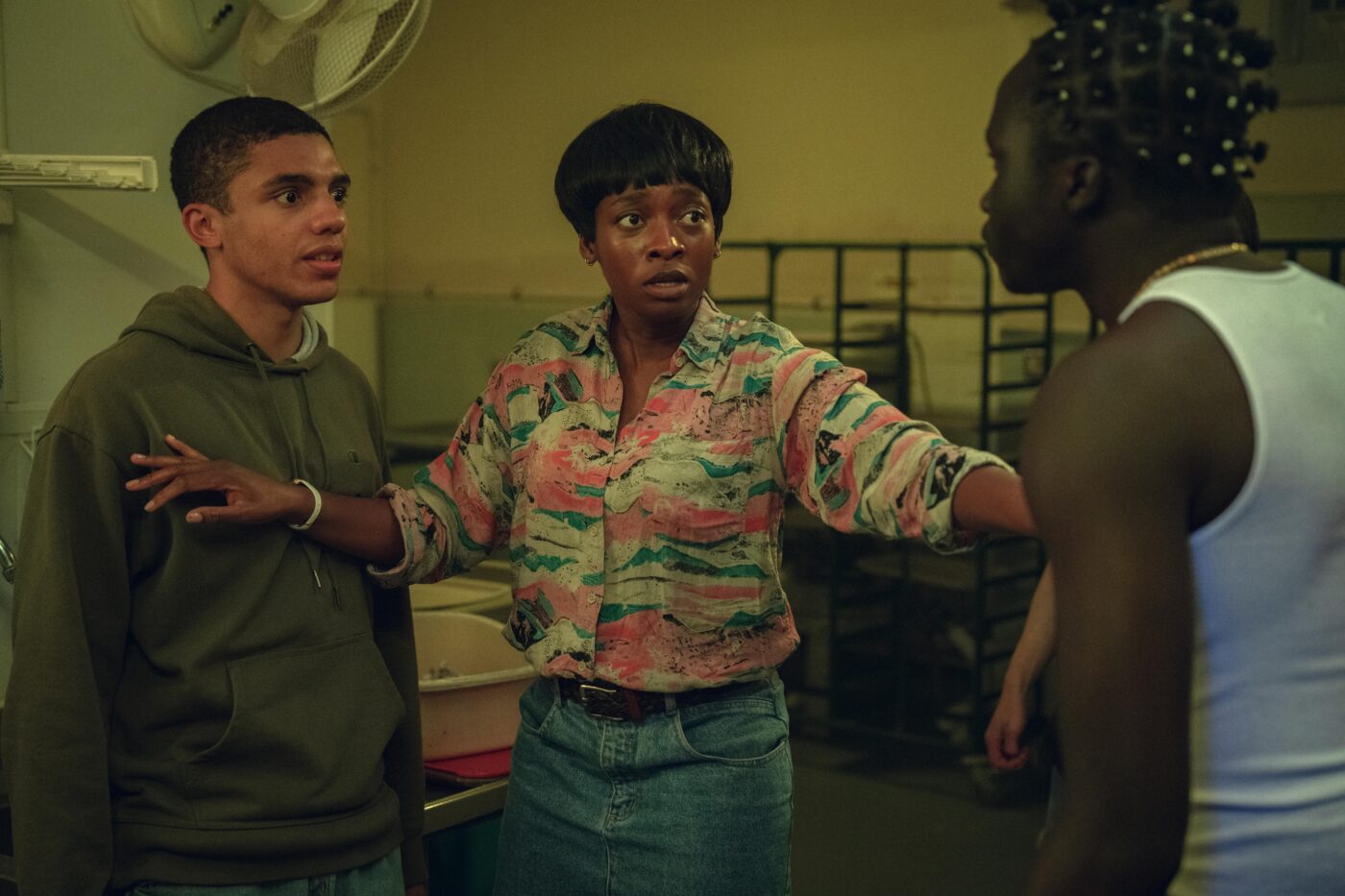
What is perplexing is Mielants’ directing style, which alternates registers that do not combine well with each other, and shortly before the third act, an act of virtuosity is allowed, frankly out of place, however aesthetically appreciable. In all this, there is yet another excellent interpretation of Cillian Murphy, dealing with a man who has to deal both with personal issues that are not exactly light and with the mission, which he takes very seriously, of providing new foundations for young people that English society and politics would like to sweep under the carpet. Out of sight and out of mind at the motto of “problems are better hidden than faced”. It is surprising, as always, to think that if this Steve had been made precisely in the years in which it is set, in the mid-90s, he would have landed on the big screen without problems, while today we find him on a streaming platform because in the cinema there seems to be no more space for projects like this. The risk is that he ends up getting lost in the middle of the pile, but perhaps Cillian Murphy’s presence could guarantee him a minimum of extra visibility. Take a look at it. A net of direction with an unclear and decisive direction, if you are looking for a film based on the study of angular characters, you will not regret the approximately 90 minutes you will dedicate to it.
Cinema has often celebrated teachers capable of transforming lives thanks to their charisma. Steve instead chooses to show a worn-out man, who has no ready solutions but fights with his own contradictions every day. Murphy builds a credible and complex character: a principal who gives his all to the boys, but who is unable to control his own inner demons. Far from the idealized figures of the genre, Steve is fragile, at times destructive, and for this very reason, he is authentic. It is a portrait that questions the myth of the “professor savior” and replaces it with a more human and painful image. Tim Mielants’ direction manages to restore the disordered energy of the school, made up of verbal and physical clashes, but also of sudden moments of solidarity. The entrance of the television crew introduces a further narrative level: the camera alternates between the eye of the documentary with more intimate scenes, creating a continuous game of perspectives. This choice amplifies tension and confers realism, turning violence, black humor, and silences into integral parts of the tale. There is no room for sentimentality: the lives of boys and teachers are shown in their harshness, without filters but also without complacency.
Steve is a film that does not seek easy answers, but carefully observes a world of anger, rejection, and desperate attempts at redemption. The strength of the story lies not in a single event, but in how it manages to bring out the weight of everyday choices, the difficulty of managing authority, and the need to be recognized. Through the gaze of Steve and the boys, the film exposes the thin line that separates those who educate from those who should be educated, suggesting that the same fragilities can belong to both. The result is a harsh but necessary story, which remains imprinted for authenticity and emotional intensity. As they say, it’s the lead actor who makes the difference. It is as clear as the specific gravity of Steve moves on to Cillian Murphy’s stage presence. The Oscar-winning actor managed to build a character of strong impact and strong humanity (or rather, strong empathy), best translating the gigantic responsibility of a neural-like but constantly threatened social role (as we see in the film). A role that, perhaps, was written in destiny for Murphy, having a family of teachers behind him.
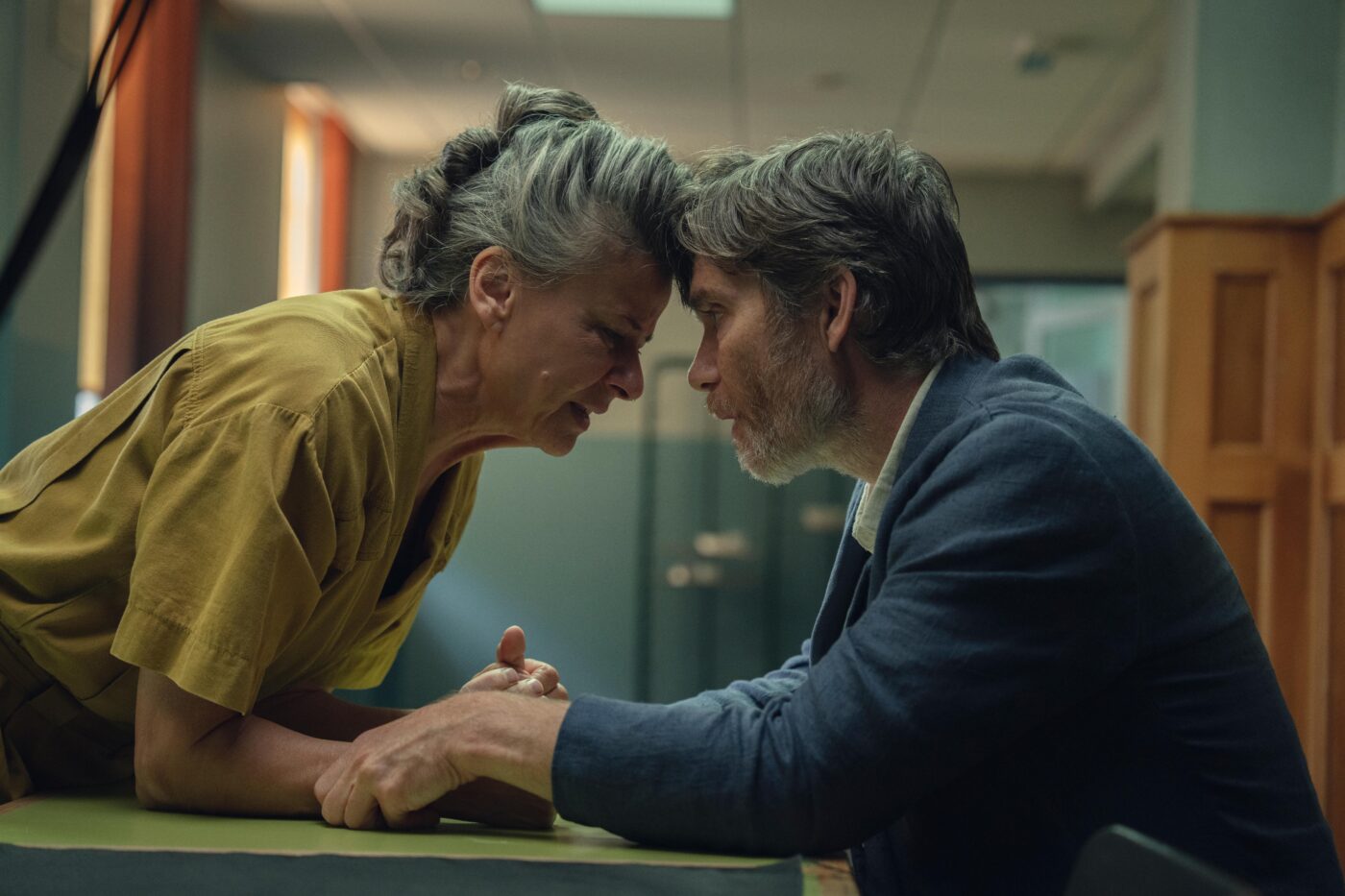
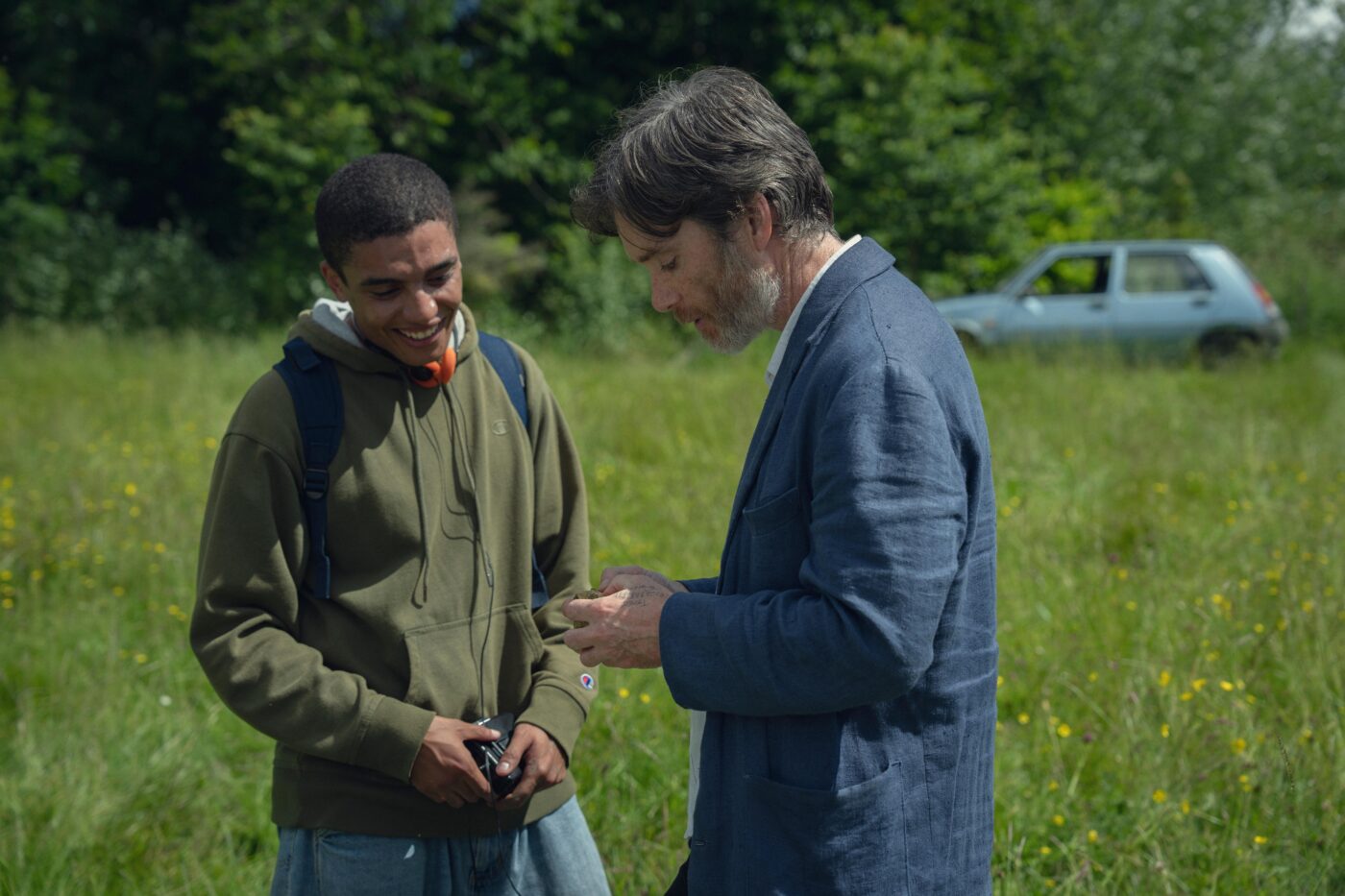
As mentioned, on the other side, it is the frame that takes the scene: a painful cosmos and anger, in which the rhythm seems rarefied, yet is moved by the words, actions, and reactions of the kids. Steve by Tim Mielants is almost old-time cinema for how he carries the rhythm forward, focusing on words and looks as a scenic connection and, consequently, as a poetic connection. A direct negation at the speed of the algorithm, in short. It goes without saying that the trend of dramatic tension, especially in the central part, is only suggested and theorized, effectively overturning the paradigm of the more classic film about teachers (a genre in itself, considering the substantial trend) to wink at theatrical representation, including limits. Only in the final, undoubtedly successful and moving, does Steve truly come to fruition, re-approaching that catharsis not too far from that “captain, my captain” of cinematic memory.
Steve Movie Review: The Last Words
Steve is a work that overturns the codes of the classic “inspirational teacher” and returns a harsher and more uncomfortable reality. Cillian Murphy offers a complex performance, which alternates authority and vulnerability, making credible a man worn out by the weight of his role. Tim Mielants’ direction captures the chaos of school life with a language that mixes documentary realism and moments of intimate observation. Boys are portrayed with brutal energy, never falling into the stereotype, and the tension remains constant from start to finish. There are no easy solutions or consolatory twists: the film rather chooses to show the fatigue of everyday life. An authentic and disturbing portrait emerges, which remains imprinted precisely by its truth. Steve by Tim Mielants joins the – remarkable genre of films starring professors. In this case, the teacher is played by Cillian Murphy, obviously a guarantee. Built as if it were an old-time cinema, denying algorithmic formulas (despite the release on Netflix!), the film focuses on a narrative truthfulness of great impact, despite suffering from an excessively blocked central part and a redundant thread.
Cast: Cillian Murphy, Emily Watson, Tracey Ullman, Roger Allam
Directed By: Tim Mielants
Streaming Platform: Netflix
Filmyhype.com Ratings: 3.5/5 (three and a half stars)