
Squid Game Season 3 Review: Squid Game Eventually Found His Soul? A Pleasant Return To The Origins?
After marking a turning point in contemporary seriality, Squid Game Season 3 returns with the promise of a dark, ambitious, and tension-filled final chapter. Created and directed by Hwang Dong-hyuk, the show imposed a visual and narrative language that crossed the boundaries of K-drama, establishing itself as a global phenomenon and powerful reflection on capitalism, social inequality, and the spectacularizing of pain. In this new season, Netflix raises the stakes even further: not only is the anticipation for these final episodes very high, but the streaming giant will have to make sure to close the circle consistently and without distorting what made the series a true cult at an international level. Mission accomplished? The end of the games. A fitting definition for the third and final season of Squid Game, now streaming on Netflix. There is no more time to waste, and sacrifices are taken to the extreme for the protagonists. Especially for Gi-hun (Lee Jung-jae), aka No. 456, who finds himself without a best friend and no longer has a reason to go on.
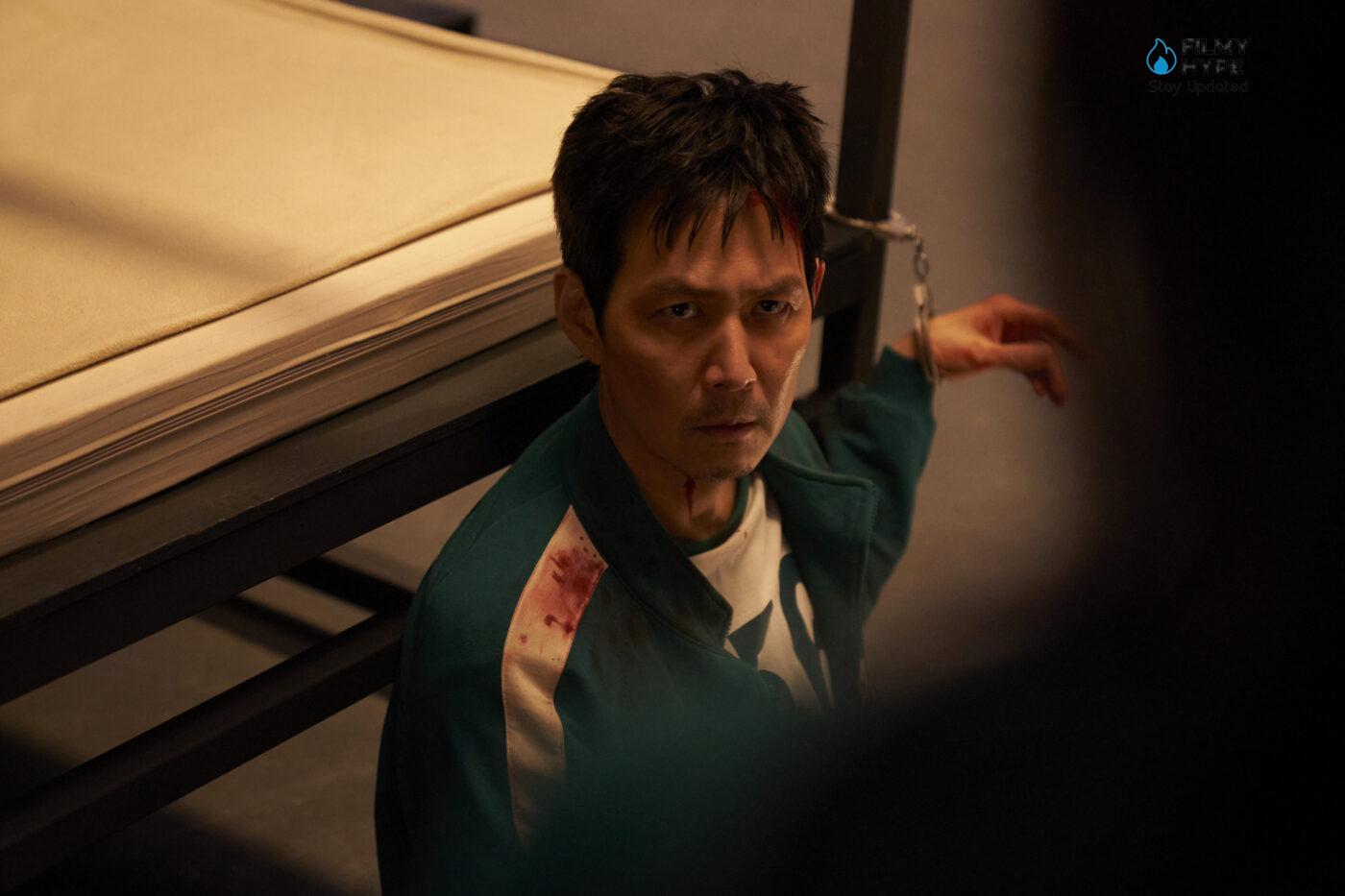
His rebellion against those responsible ended in the worst possible way, with a massacre for which he feels deeply guilty. In-ho, aka No. 001 (Lee Byung-hun), has revealed himself (to the public) as Front Man, but Gi-hun doesn’t know it yet. Gi-hun will have to try to stop the horror of the mysterious island once and for all, and save his playmates. Even those who don’t want to be saved. With its second season, which arrived last December, the series split deeply public and critics: if on the one hand some spectators saw a necessary bridge towards a decisive epilogue, on the other –and perhaps in the majority – the reception was lukewarm, if not openly disappointing. The atmosphere, laden with tension, social symbolism, and fierce criticism of capitalism, which had marked the success of the first season, seemed to have lost bite, leaving room for narrative solutions, forced and more interesting characters on paper, but poorly developed and less incisive on the screen.
Squid Game Season 3 Review: The Story Plot
The season picks up exactly where the second one left off: Gi-hun (Lee Jung-jae), having failed in his attempt to kill the Front Man (Lee Byung-hun), is once again dragged into the arena, no longer as a simple player but as a pawn aware of a bigger plan. The dynamics change dramatically: Gi-hun no longer plays to win, but to destroy the system from within. Meanwhile, investigator Jun-ho (Wi Ha-joon), still alive, continues his investigation of the mysterious island, while Captain Park (Oh Dal-su) weaves a web of deception in the service of the Front Man. New figures emerge, including the combative Jun-hee (Jo Yu-ri), Geum-ja (Kang Ae-shim), a mother seeking atonement, and Hyun-ju (Park Sung-hoon), a former transgender soldier with an indecipherable past. But what makes this season unrepeatable is how side stories, personal dramas, and moral choices blend with even more ruthless and symbolic games, like the hellish jump rope version or the devastating new test of marbles.
It’s no longer just a competition: it is a descent into hell, one last chance to remain human in a context that has lost all trace of humanity. After the misstep of second chapter Squid Game she returns to her origins and is ready to say goodbye to her countless fans with a third and final season that makes the series rediscover its path, its soul and that uniqueness that it managed to conquer, in 2021, the whole world with a story capable of making history starting from the bottom, without advertising pushes and thanks to the only thing that really matters in a story: quality. But after creating a perfect series, how do you repeat yourself? It becomes difficult, and those who love TV series know how difficult it is, especially nowadays, when you always expect a lot from a serial product, and you are used to so many titles that being amazed or simply captured by something becomes very difficult.
But Squid Game somehow seems to have made it, despite not having recreated the magic of the first season of the series (but this was impossible), both to return to being “itself” and to give the public a captivating, enjoyable closing of the story, and be able to leave a mark. Squid Game Season 3 it returns to give value to the characters and their path of evolution or involution in the story, it once again brings the public back to very difficult choices, it brings to life moments of unprecedented violence and above all it brings the psychological aspect of the story back to the foreground, showing us all how man can react when he is placed in extreme conditions of survival. Squid Game Season 3 returns to make us reflect on selfishness, the power of money, addictions, how difficult it is to be a parent, and, above all, what it means to be human and be pushed to become inhuman.
Squid Game Season 3 Review and Analysis
If the first season had surprised at the stark but brilliant idea of turning childish games into instruments of death, and the second had begun to explore the moral cracks of the participants, the third season plunges the knife to the heart of the matter: what remains of man when survival becomes a habit? Now violence, however extreme, is no longer an end in itself: every death has a narrative weight, every choice an irreversible consequence. Thus, series creator Hwang Dong-hyuk definitively abandons the spectacularizing of brutality to immerse himself in a darker territory: that of ethics. Gi-hun, the former naive victor, is now a man who has seen too much to still believe in redemption, and his mission, by now, is no longer to win or save himself, but to put an end to a vicious cycle of pain. And in doing so, the viewer is led to reflect on the value of free will under conditions of extreme coercion, and on the humanity that survives, despite everything.
One of the most surprising elements of the third season is the strength of the performances and accuracy in the construction of the supporting characters. Jun-hee (Jo Yu-ri), underestimated in the previous season, finds a central space here: her narrative arc, made of silent courage and painful choices, represents one of the most successful evolutions of the entire cast. But it is Kang Ae-shim, in the role of the fragile but determined Geum-ja, who gives the series the most heartbreaking and powerful moment of the entire trilogy. A mid-season scene, in which she addresses the real reason she entered the game alone, is enough to justify the entire existence of this third part. Even the most ambiguous characters, such as the manipulative Myung-gi (Im Si-wan) or the devious Nam-gyu (Roh Jae-won), find a multifaceted dimension, which prevents the audience from labeling them as simple villains. There are no good guys and bad guys in Squid Game Season 3, just broken souls fighting for a reason, whatever it is. And it is precisely this emotional complexity that makes the narrative so engaging and authentic.
With the third season, Squid Game doesn’t just close a narrative arc, but reaffirms its identity as a work that knows how to speak in the present tense, delving into the moral dilemmas of humanity with a sharp, visceral, and deeply empathetic gaze. Hwang Dong-hyuk avoids the trap of complacency and carries out his reflection on desperation, power, and dehumanization with a narrative rigor that is rarely encountered in the contemporary television landscape. At the center, there are no longer just lethal challenges, but the internal descent of the characters into increasingly ambiguous ethical territories. We don’t know if the series will have a sequel or if it will extend elsewhere, but what is certain is that this season represents a point of no return, a powerful parable that transforms the show into a real emotional experience. Squid Game remains a ruthless reflection on the human soul and, precisely for this reason, impossible to forget.
And that’s not all because this third and final chapter of the series returns to give space to games, one of the most characteristic aspects of Squid Game, which in the second chapter had been put a little in the background. Here, however, the games become protagonists again, and each of these offers very interesting, albeit brutal, dynamics among the players. The rhythm of the story becomes more energetic, the characters of the individual characters are more attentive, and the knots of the story dissolve, giving meaning to many questions left pending in previous seasons. The ending of Squid Game satisfies, the sets, the choices of the characters, and the storytelling are striking, even if being already accustomed to the dynamics of this survival story, being speechless becomes a little more difficult than in the past, and we often already understand where the story will go.
Despite this slight predictability, Squid Game Season 3 is saved and brings home a good result, even if, to be 100% honest, we remain of the opinion that this series should have stopped at its first chapter, which was already perfect as it was. But we know, in the world of TV series, especially nowadays, not everything always goes as it should and the public’s desire for more and more – and for platforms to earn more and more – leads to more and more often dragging stories even when they should simply be left in their perfect closing of the circle. Sometimes, perhaps, we should be more generous with the fictional characters we say so much about loving and letting them go, especially when they have concluded their journey, without wanting at all costs that they always stay with us, that they continue to entertain us again and again and that they never find their balance and a worthy ending to their story.
The third season of Squid Game marks a definite turn in the atmosphere of the series. After the cautious introduction of the second season, which laid the foundation for new developments, the third season takes on a considerably more serious and gloomy tone. Here, what is at stake is pure survival, and this is reflected in the increasingly difficult and morally ambiguous choices that the characters are forced to make. The narrative starts again from the failure of the revolt, which occurred in the finale of the second season, and explores its profound consequences on individual Squid Game Players and their relationships. This time, the focus is entirely on the moral doubts of the protagonists. Not only Gi-hun, but also the survivors of the second season they find themselves facing the horror of the Game again. Their choices, often guided by despair or a thirst for revenge, constantly place them on the border between their humanity and the brutality needed to survive. We witness characters who struggle with the weight of their past actions, while others completely yield to darkness, highlighting the corruptive power of the Game even on purest souls.
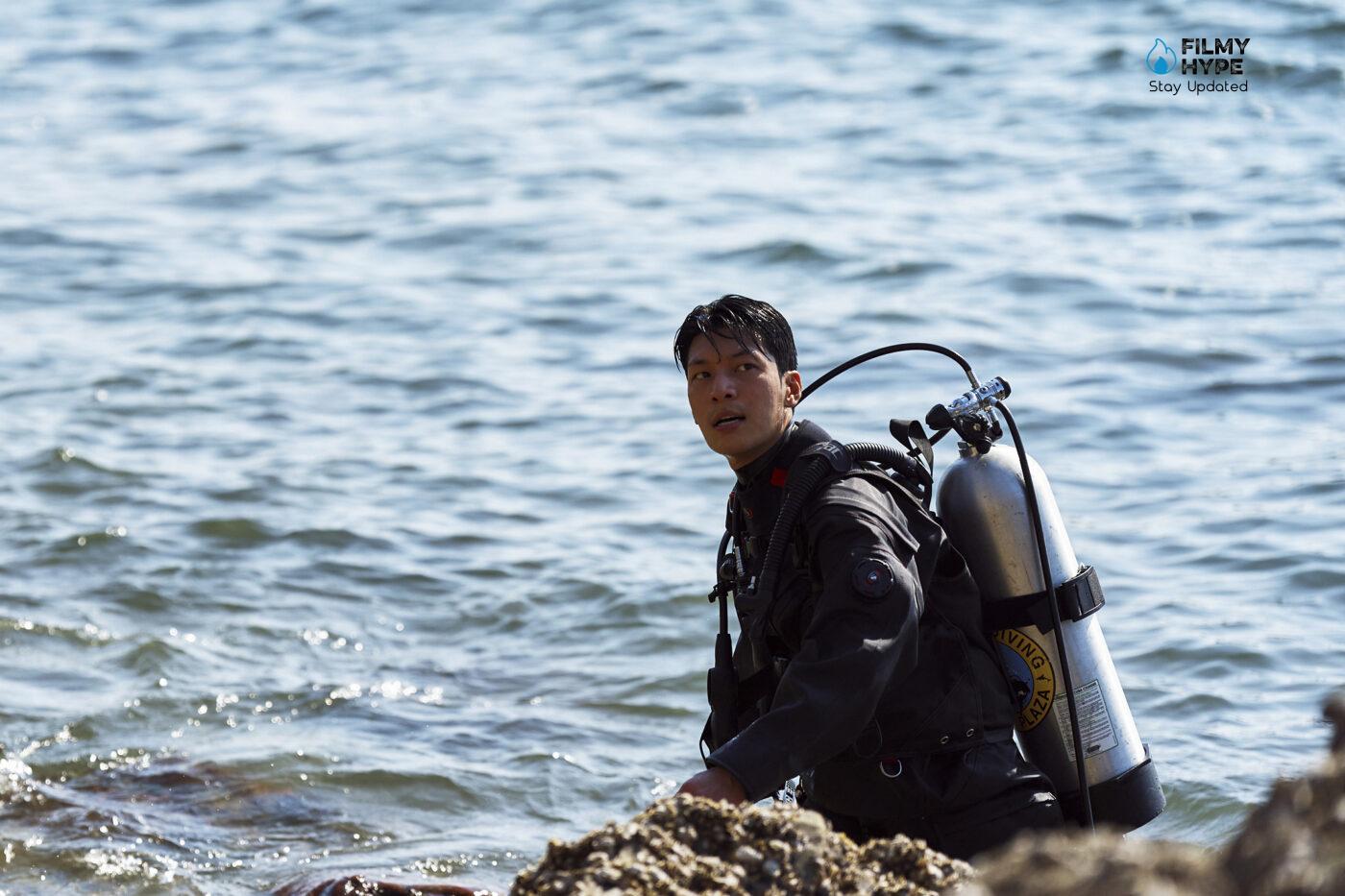
You perceive a growing tension with constant tension, which culminates in a truly breathtaking finale. The mix of unpredictable twists and the climax escalation is handled with an unprecedented mastery and intensity compared to previous chapters. The desperate fight for survival of Gi-hun and of the other protagonists, combined with spasmodic island search by Inspector Hwang Jun-ho and his brother, the Front-Man, who operated in secret, creates a race against time which keeps viewers glued to the screen, despite a rhythm that is perhaps too hasty at times. The ingredients that have contributed to the global success of Squid Game are all still present and valued at their best: the pastel colors that conceal the horror, the iconic pink jumpsuits, and the disturbing masks that conceal the identity of the guards. But the real beating heart of the series continues to be the deep exploration of immoral choices that the characters are forced to make.
This is especially noticeable in the path of competitor 456, Gi-hun, whose evolution this season is central and compelling. He is no longer the naive and desperate Gi-hun of the first season, but a marked man, obsessed with dismantling the Game. However, he too is forced to carry out actions that put him in conflict with his morality, demonstrating that the boundary between victim and perpetrator is increasingly blurred. Alongside Gi-hun, we find the other protagonists that we learned about during the second season and who embody different facets of human nature under pressure. Some have sown their ambitions and resentments, and they now find themselves having to deal with the consequences of their choices. Others bring new dynamics and perspectives, but all are united by a single common thread: the need to survive at all costs, even at the expense of one’s dignity and choices that they would never have made in a different context. Their stories intertwine, creating a complex tapestry of betrayals, forced alliances, and heartbreaking sacrifices, each reflecting a different aspect of the moral dilemma that the Game imposes.
Unfortunately, despite the numerous positive notes and some unexpected twists as they arrived, the third season also brings with it some of the critical issues already found in the previous chapters. Although a greater commitment is evident in trying to tell the various plots more carefully, trying to make the public empathize more with the protagonists, sometimes, some narrative choices are forced and difficult to understand. There are times when the characters’ motivations suddenly appear inconsistent with their previous development, or situations that resolve themselves too conveniently for plot progression. They seem like sacrifices made in the name of narration, which unfortunately are slightly out of tune. This is especially evident when some characters, after a path of profound growth and maturation, make impulsive or apparently illogical decisions, just to push the story towards a certain outcome. This “forcing” can break the immersion of the viewer, who finds himself questioning the internal coherence of an otherwise so well-constructed narrative universe.

However, Squid Game Season 3 elevates the series to another level compared to the first season, confirming that the second season was essentially a necessary preamble for this epic conclusion. Netflix’s decision to split the final season into two parts proved successful, giving writers the space and time to better develop the characters and allowing viewers to empathize with them more deeply. Ultimately, Squid Game Season 3 completes the story of Gi-hun and the other protagonists in a manner consistent with previous seasons, five years after its first airing. With its ups and downs, the series leaves a significant footprint, confirming its status as a cultural phenomenon. She managed to keep her promise of a compelling ending, and despite some small flaws in the plot choices, she was able to give us a satisfactory ending. The series does not just entertain, but forces us to reflect on the issues of inequality, despair, and, above all, the limits to which human beings can push themselves when cornered. The moral doubts of the characters are ours, in a world where social differences are becoming increasingly marked.
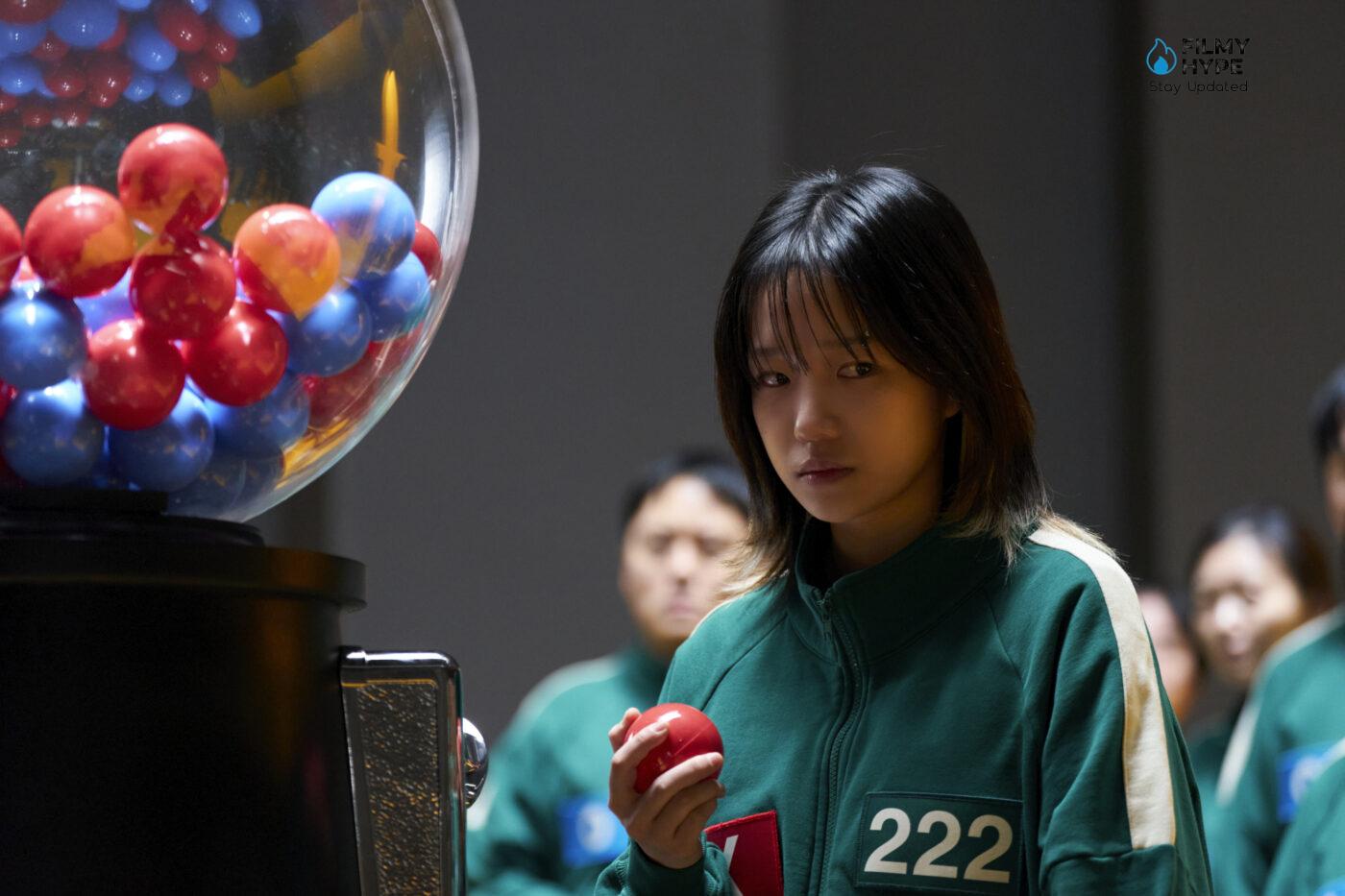
Among the most intense bonds of the third season, the unexpected alliance between stands out three female figures feminine: player 120 (played by Park Sung-hoon), a South Korean trans woman; Geum-ja (player 149, Kang Ae-shim), 60-year-old mother sweet-tempered but determined mother; and Kim Jun-hee (player 222, Jo Yu-ri), a pregnant single mother, dodging and wary. Three women – almost four – to whom the director entrusts the task of embodying a fragile hope of humanity in the heart of the inhuman. In a context in which every relationship seems founded on opportunism and oppression, theirs is an intimate, radical alliance, built on mutual and non-mutual care on competition. The most emblematic moment arrives when Jun-hee gives birth to her daughter with only Geum-ja next to her, while shouts and blood rage surround. That birth, in the form of a deadly game, is not just an act of survival, but a form of silent resistance: where the system imposes destruction, they choose the courage of life and a second chance.
Motherhood – not only organic, but political – thus becomes a symbol of solidarity and intergenerational courage, of transformation of trauma and rebellion against the very mechanism of games. In a scene a lot as short as it is powerful (like that of childbirth), it is therefore concentrated with one of the deeper meanings of the series: the possibility, even in the heart of hell, to preserve your humanity and to protect life. Although many agree on the fact that Squid Game could have ended in a way already completed with the first season, Hwang Dong-hyuk chooses to continue, pushing the viewer into a more mature vision, disillusioned and perhaps even more restless. It must be said that the public has changed, and the world around it has also changed. Today, in an era in which daily news is steeped in death, bombing, wars, and health crises, the question that goes through under the skin of the entire third season – Is there still hope in humanity? – resonates with a new, raw force, necessary.
Squid Game Season 3 Review: The Last Words
Squid Game Season 3 is a descent of no return into the heart of human darkness, where the struggle for survival becomes the pretext for questioning power, forgiveness, and dignity. Hwang Dong-hyuk signs six very tense episodes, which no longer focus on the surprise effect but on emotional intensity. The characters, finally more layered, carry the weight of the story on their shoulders, and their choices are imprinted in the memory. Not everything is perfect, especially in the rare moments when the pace stumbles or VIPs become distracting again. But overall, this season comes full circle with courage and consistency, and that’s what makes it necessary. The third season of Squid Game on Netflix closes the series with a darker and more serious tone, pushing the characters to make morally ambiguous choices to survive. Despite some narrative forcing, the series confirms itself as a cultural phenomenon that stimulates reflection on human limits and social inequality.