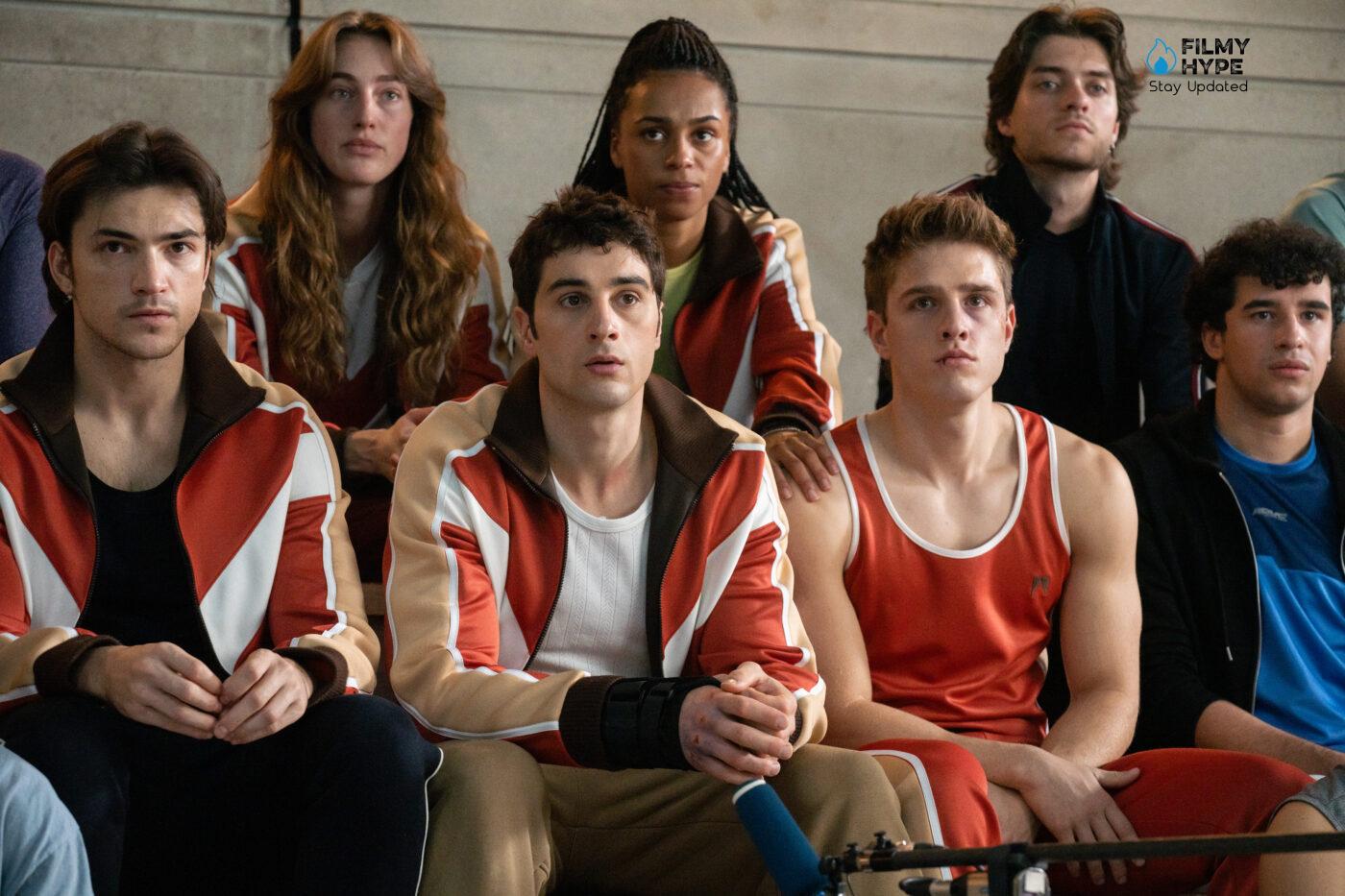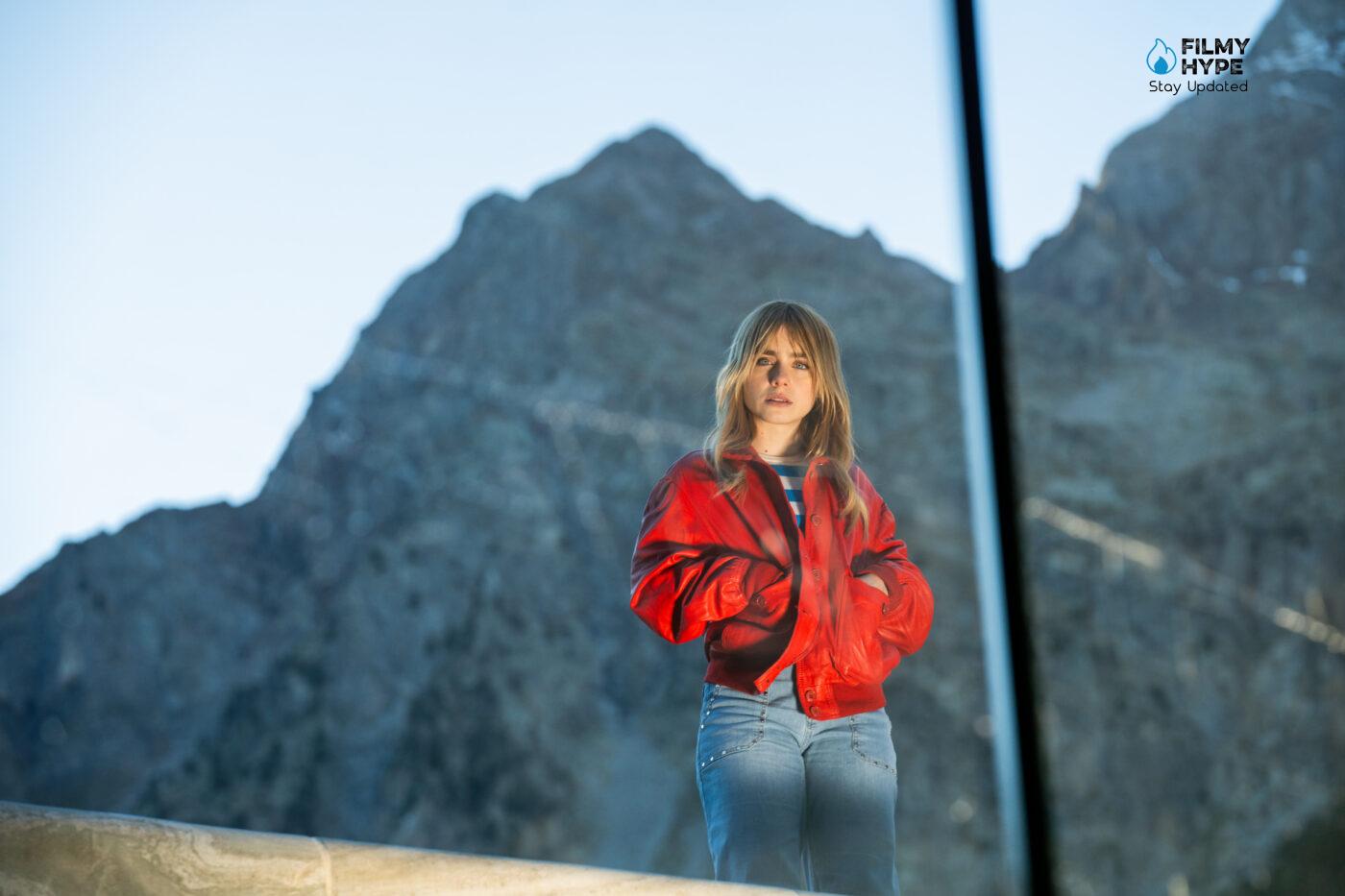
Olympo Season 1 Review: Tries To Raise The Teen Drama Bar By Mixing Sport, Mystery and Social Criticism
Olympo is a new teen drama available on Netflix from June 20, with eight episodes that transport us to the lives of a group of professional athletes who train in a sports center in the Pyrenees. It is a teen drama, with all the characteristic elements of this kind of story. So expect adolescent problems, first loves, sex, but also betrayals, homophobia, envy, old friendships that break, and new ones that arise unexpectedly. In addition to this, however, there is something more in this series. There is talk of sports, exhausting workouts, psychological pressures, sacrifices, but also, and above all, shortcuts. And it is these “shortcuts” at the center of Olympo’s story, a Spanish series that does not excel in terms of style, narrative structure, direction, and interpretation, but a good thing it does: it speaks of doping and speaks to an audience of very young people.
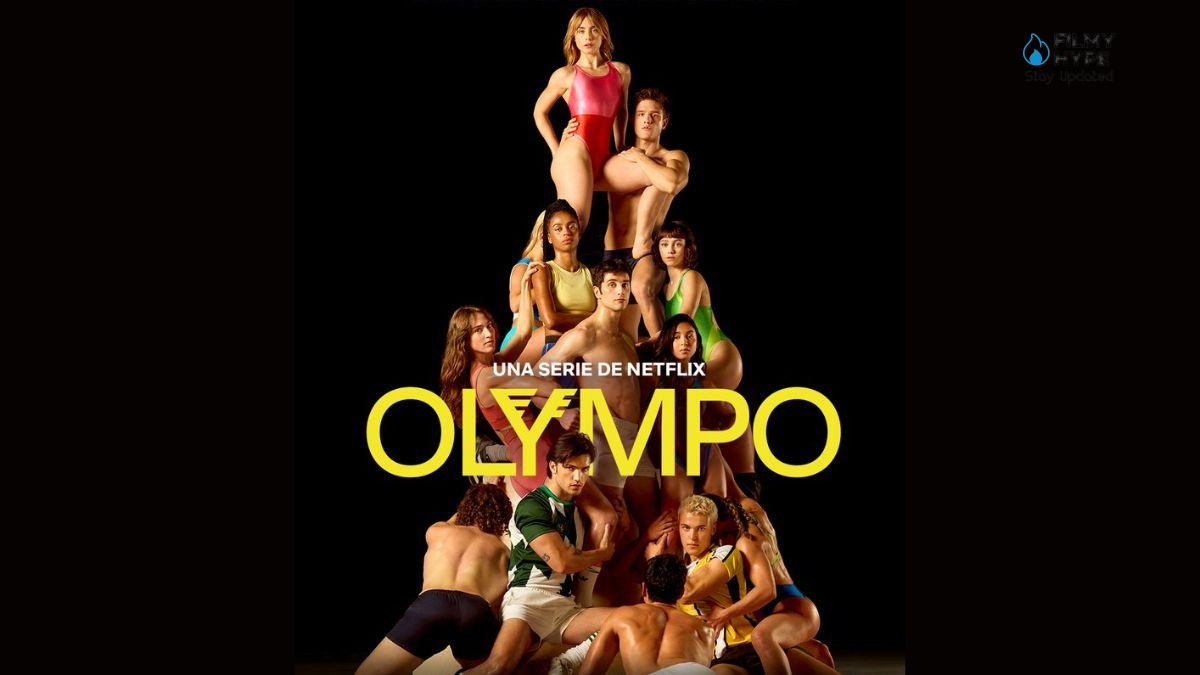
Once a success is over, another must be created. Especially if you are on Netflix and have opened the doors to the world of binge-watching. To try to face the end of titles like Money Heist and Elite, Spain plumps its catalog with Olympo, a teen drama that seems to extreme all the already suffocating characteristics of Iberian productions. Made by the same production house as Elite, Zeta Studios, the series is written by Jan Matheu, Laia Foguet, and Ibai Abad, while the direction is signed by Marçal Forès, Daniel Barone, Ana Vázquez, and Abad. The location? A special and elitist training center, where only the best end up. The substantial difference is that Olympo has a specific thematic center: sport, and around it he builds physical and relational tensions that transform the adolescent story into a broader reflection on performance, body, and competition. Thanks to Netflix, we were able to preview the series, and below we report our opinion.
Olympo Season 1 Review: The Story Plot
Olympo tells the story of the best athletes in Spain who train at the Pirineos elite sports center. The protagonist is Amaia (played by Clara Galle), the captain of the synchronized swimming national team, who demands only the best of herself and does not admit mistakes. But when her teammate and best friend Núria passes her for the first time, Amaia realizes that the performance of some athletes is improving too quickly and inexplicably. After years of pushing their bodies to the limit and sacrificing their lives for sport, they are faced with a dilemma: how far are they willing to go? The teen drama of the 2000s is now saturated. From Riverdale and Elite, from Outer Banks a Gossip Girl (reboot), there has been a progressive exhaustion of narrative models: love triangles, intrigues of school power, soap mysteries, and relationships that overlap with hyper-patinated aesthetics.
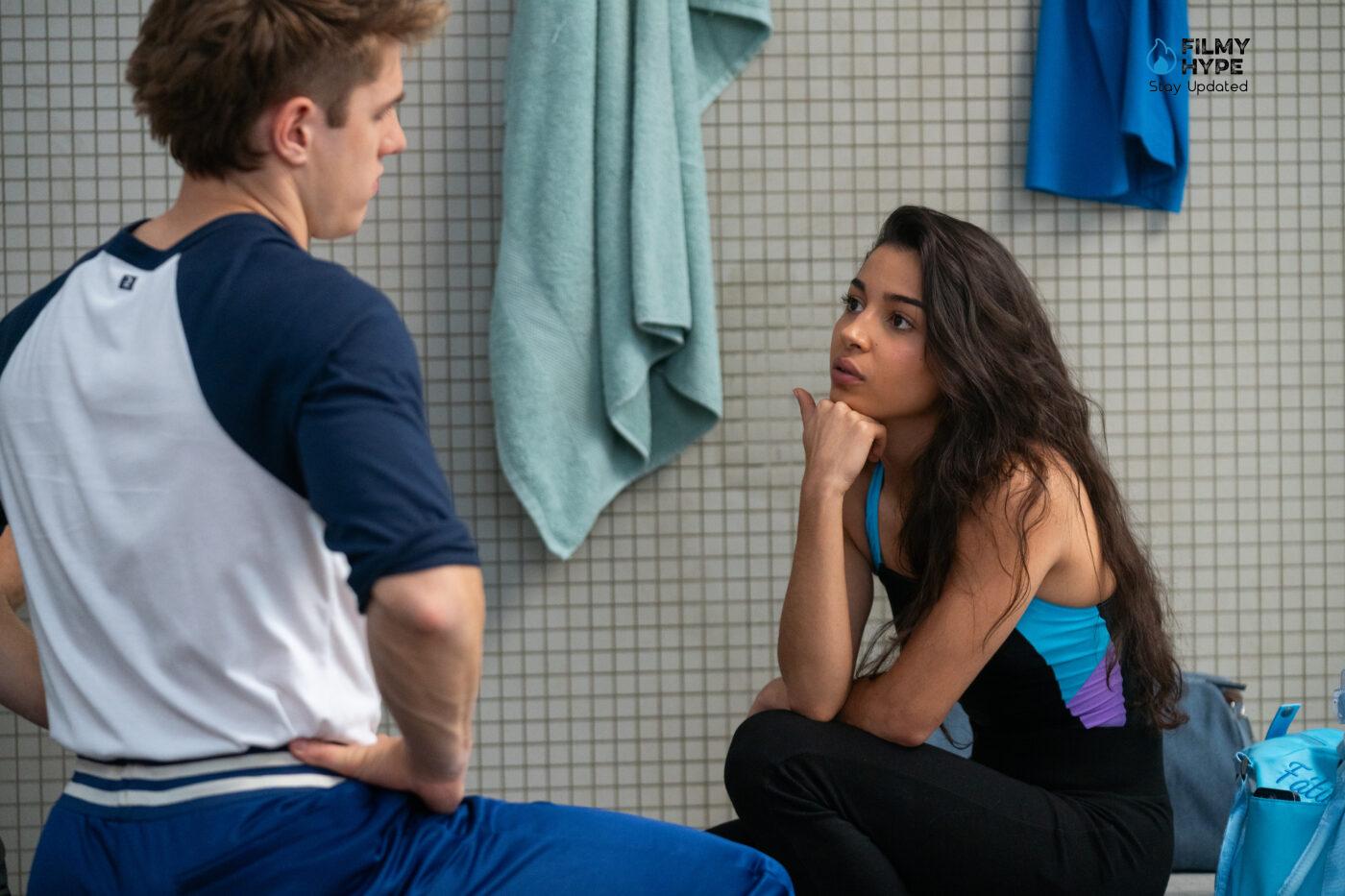
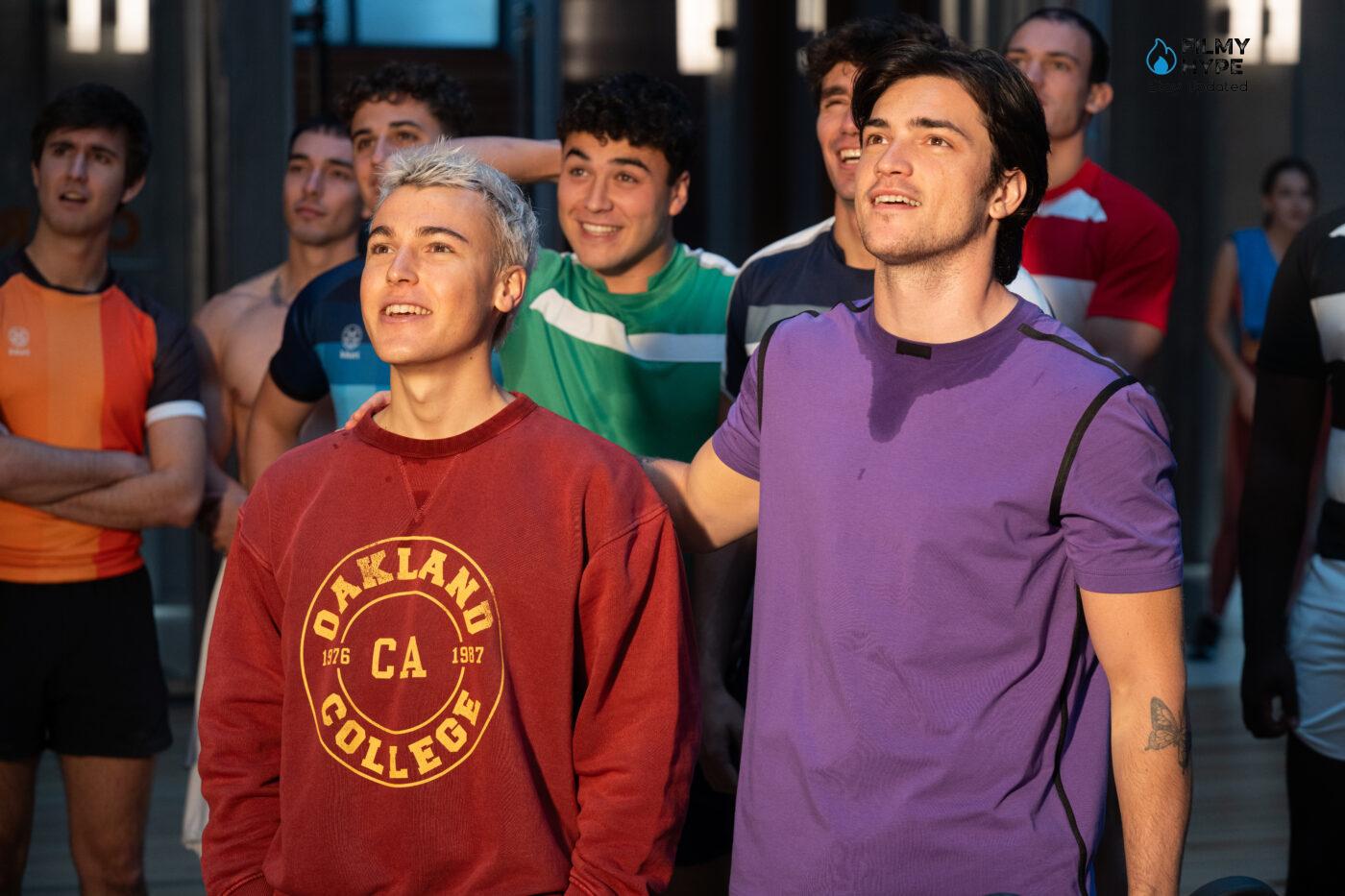
Olympo, while adopting some of these elements, frames them into a dual structure: the first half of the season is more tied to sport, focused on training, fatigue, sacrifices, and doping; the second becomes more relational, shifting attention to the emotional and sexual dynamics between the characters. The passage, albeit quite clear and not gradual, works more than other products of this kind, because it is not a break, but a development. Unlike Elite, which in its last seasons has completely abandoned the tension of the thriller to embrace a video clip aesthetic and a narration focused almost exclusively on couples, Olympo stages a real, existential conflict: being teenagers within a system in which one is valued only for what one is capable of producing. The most obvious breaking element compared to classic teen dramas is the role of the body. In Olympo, the body is not only an object of desire (as in most series on Netflix), but it is a narrative subject. Workouts, injuries, pains, scars, and failures become storytelling tools. And the doping – that winds from the first episodes – is the shortcut of those who try not to lose their value inside a cage of expectations. Filming is often close, sweaty. Photography alternates cold, metallic colors (in the pool scenes, gym, workshops) with warmer and more saturated tones in moments of intimacy, emphasizing the clash between control and vulnerability.

However, her balance begins to crack when her best friend and teammate, Núria Bórgues (María Romanillos), suddenly begins to pass her in every test, conquering the coaches and obscuring his leadership position. Amaia, accustomed to the control and certainty of her talent, perceives something strange: it is not just a sporting defeat, but a profound and inexplicable change. The tension intensifies when other athletes also begin to show anomalous, physical, and psychological progress, which seems to be the result of a precise and hidden plan. Thus began a slow and distressing descent into a world of secrets, manipulations, and abuses disguised as discipline. Amaia discovers that a parallel and unofficial project is being conducted in CAR to create “perfect athletes” through methods that combine psychological pressure, unauthorized substances, and mind control. Coaches, psychologists, and even some doctors seem complicit, while the management of the center denies any responsibility.
The environment becomes increasingly overwhelming and claustrophobic, and the very idea of competition turns into a nightmare, in which individual identity is canceled in the name of victory at all costs. During the episodes, Amaia is forced to question everything she believed in: the value of sacrifice, trust in her mentors, and the very concept of merit. The series thus explores the central theme with increasing intensity: how much are you willing to sacrifice to win? The answer is never simple, especially when you are young, vulnerable, and completely immersed in a system that rewards performance and punishes humanity.
Olympo Season 1 Review and Analysis
Watching Olympo on Netflix means watching a classic teenage drama with a hint of crime. There is the romantic aspect, the sexual one, there is the story of formation, the mystery, and a great attention to inclusiveness. And being a teen drama that follows an already well-structured and very popular trend on streaming platforms, Olympo is not surprising at all from a structural point of view; on the contrary, at times it immediately gives the impression of “already seen”. The plot is not the most cared for or upsetting, and the characters are not followed and deepened properly. Indeed, they often become pawns to direct the story so that it can be as captivating as possible, leaving out their development, their evolution, and their individual history. It often happens that some subplots are mentioned and then left open, or that it is not clear what the function of some characters is.

But among all these defects (which are not few), it must be admitted that Olympo something innovative and good manages to do it: it turns the spotlight on the delicate theme of doping, and it does so by speaking to an audience of very young people and using their language. And there is nothing more effective than this, especially nowadays. So, Olympo, from this point of view, becomes an educational story that disguises itself as pure entertainment and a way to ignite a debate on very important issues that are often not addressed on the small screen. So Olympo, from teen drama like many others, also becomes a series of denunciations, a series that wants to open its eyes to what, nowadays, the so-called “shortcut” has become the most chosen path both in life and in sport. And this is how behind a seemingly “brain-turning” story hides a bigger goal that targets teenagers to talk about doping, its consequences, and how much having everything and immediately can be dangerous as well as morally wrong. All this, hoping that the message will reach the heart of the public, especially the younger ones.
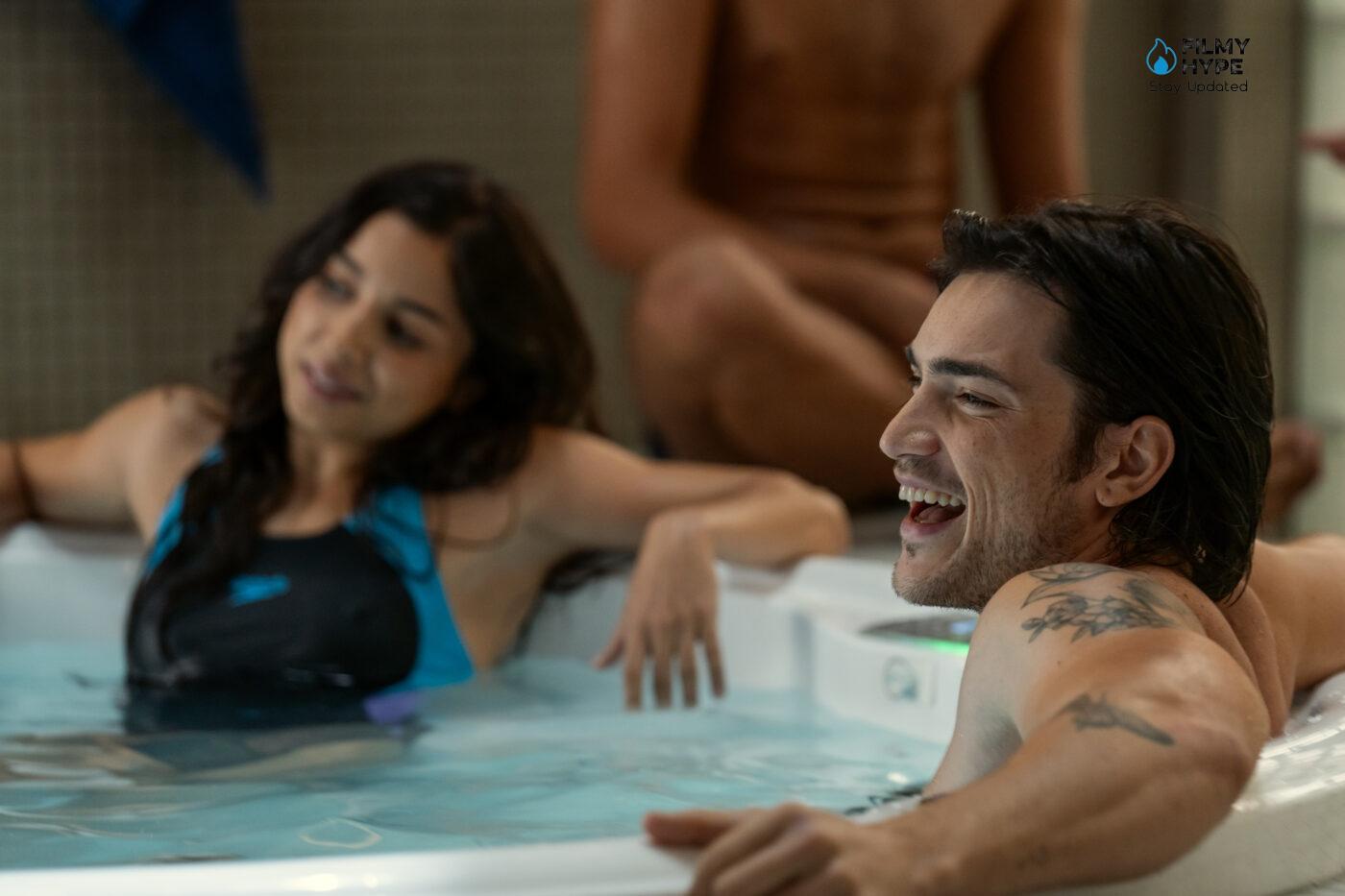
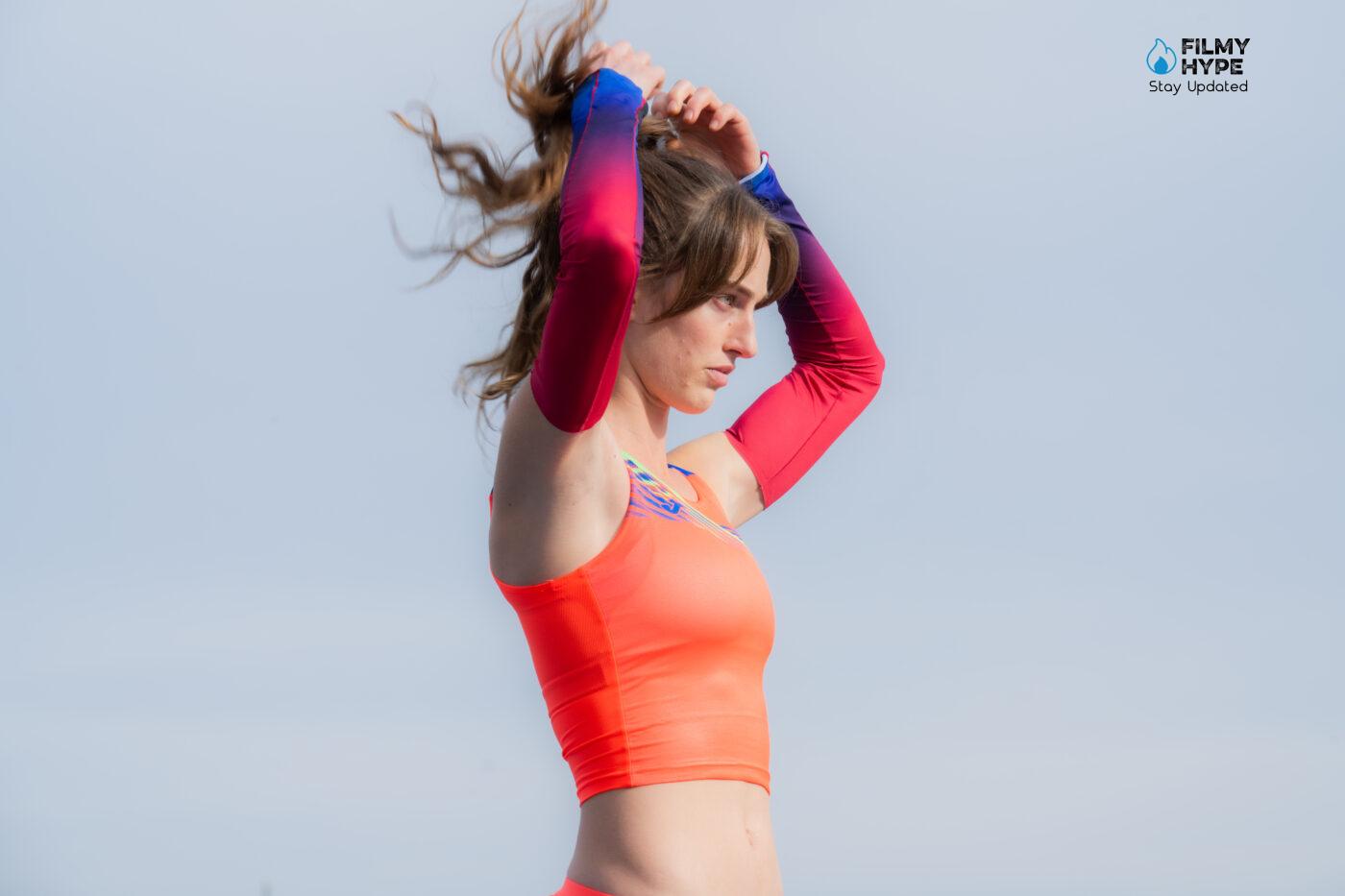
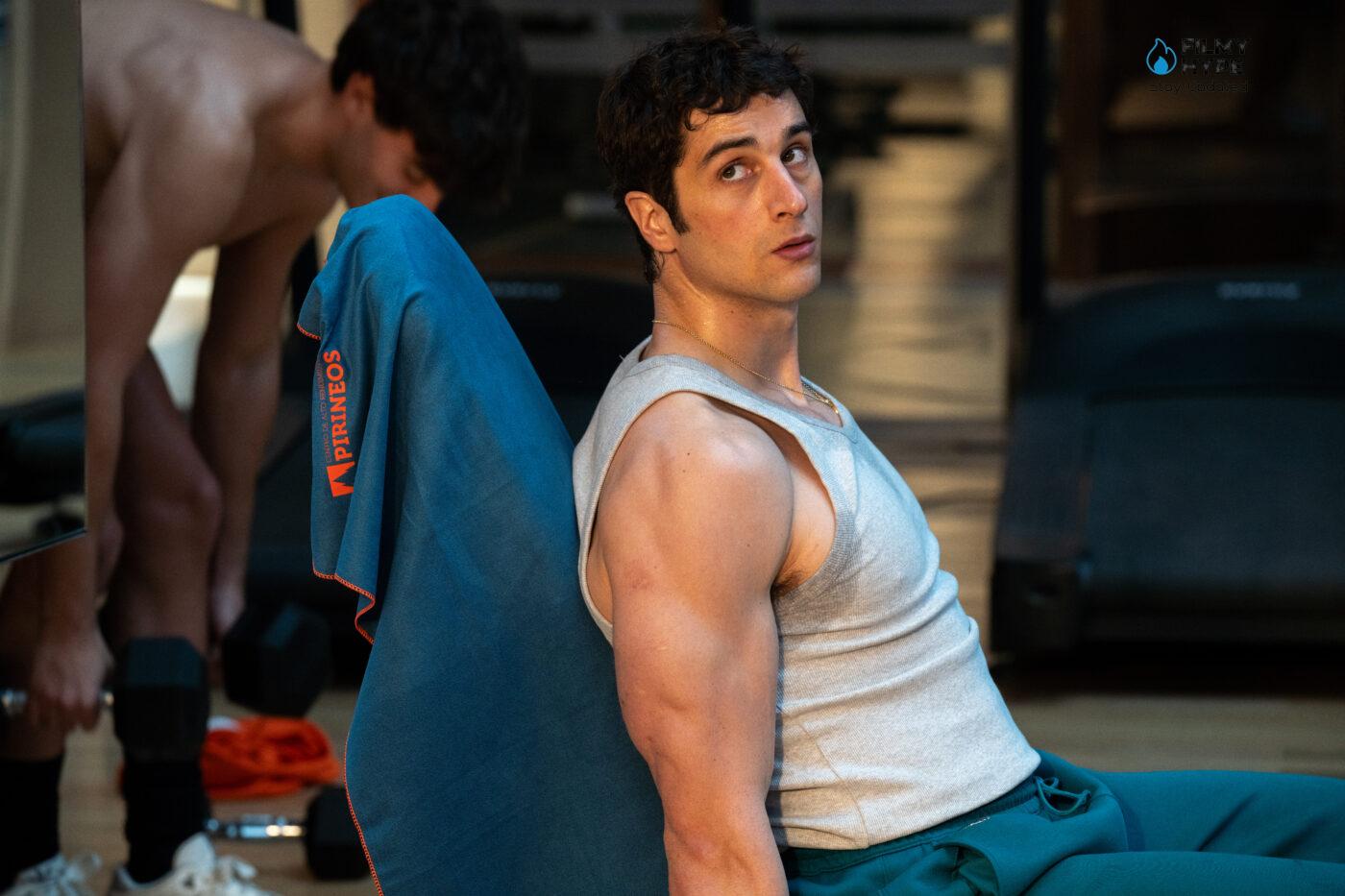
The most successful aspect of the series remains perhaps the ’attention to physicality: the sculpted bodies, the choreography in the pool, the games played until the last breath. Everything is told with a sensual and captivating direction, which often indulges in slow and close-ups full of erotic tension. It is an aesthetic that strikes, but which at times becomes repetitive, as if the visual style wanted to make up for the narrative deficiencies. The characters are beautiful, often magnetic, but rarely manage to express a real complexity. Even the relational dynamics, although wanting to reflect the emotional confusion of those who live under constant pressure, end up appearing carved on already run-in models, without truly original flashes.
One of the central themes, at least on paper, is that of doping. But instead of facing it decisively, the series seems to use it more as a narrative pretext than as an object of reflection. The moral question – that is, to what extent is it legitimate to go to win? – remains in the background, hinted at more than problematized. The brand “Olympo”, which gives the title to the series and proves to be something dark and manipulative, is introduced with a certain charm, but then trivialized in a predictable turn; too bad, because from this idea a much more incisive story could arise on the commodification of sport and the identity of young athletes. Olympo undoubtedly has qualities: a cured package, a young and photogenic cast, and a rhythm that invites binge-watching. However, it is a series that gives the impression of always stopping one step before becoming truly significant. It would like to be disturbing and glamorous, provocative and reflective, but in the end, it remains uncertain about its identity. The episodes flow, but rarely surprise or move in depth. It is a pleasant vision, yes, but not memorable.
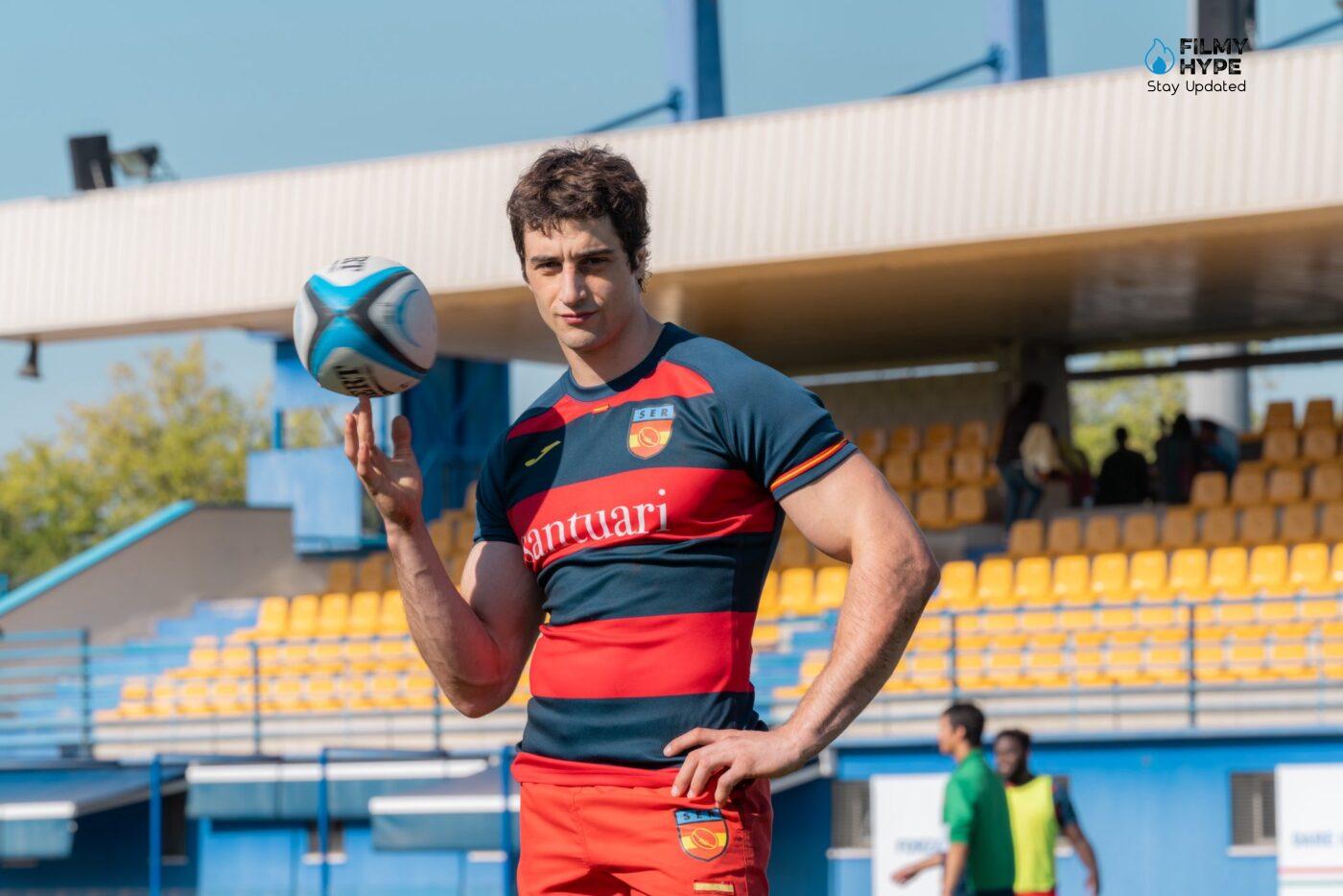
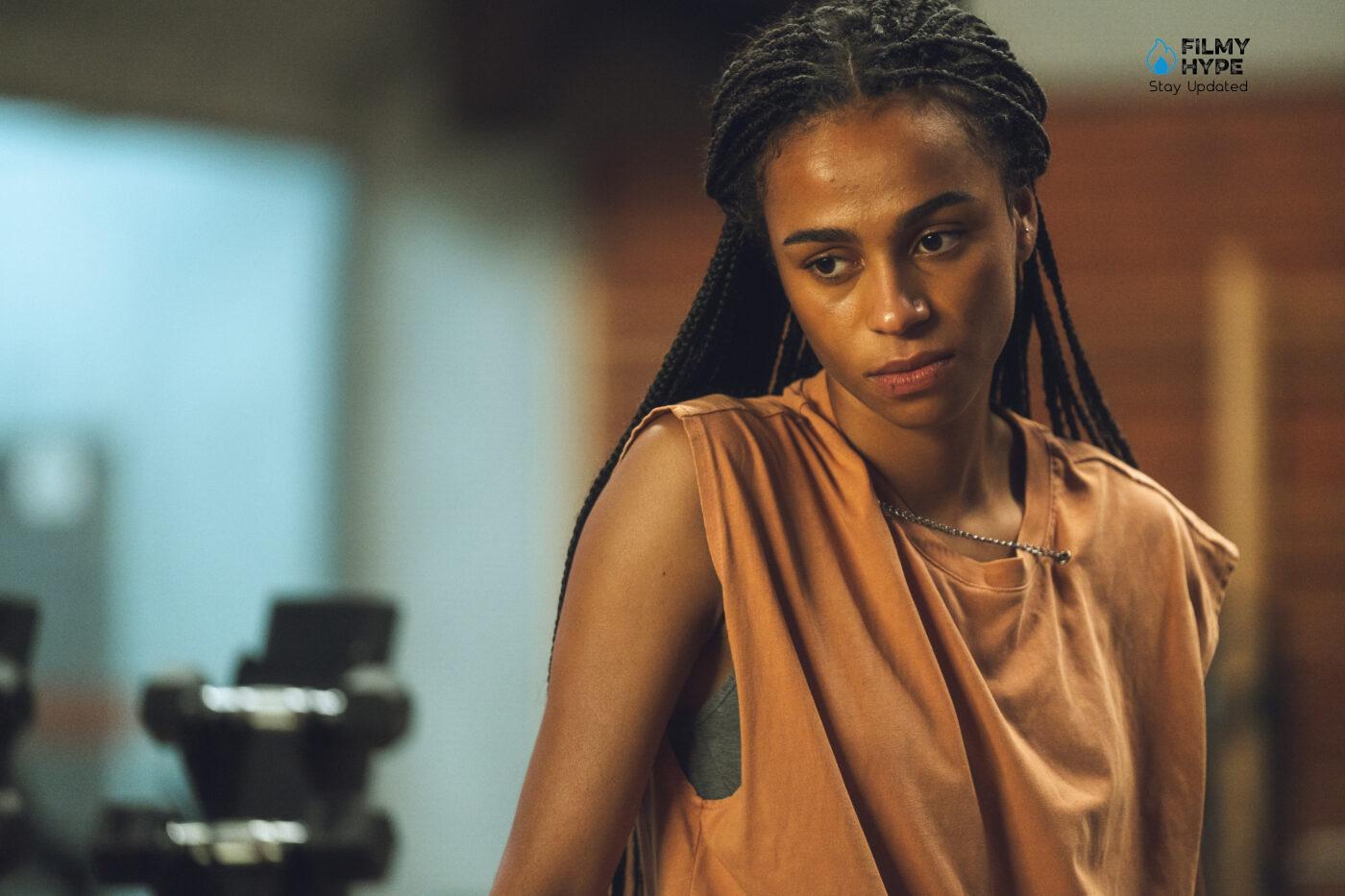
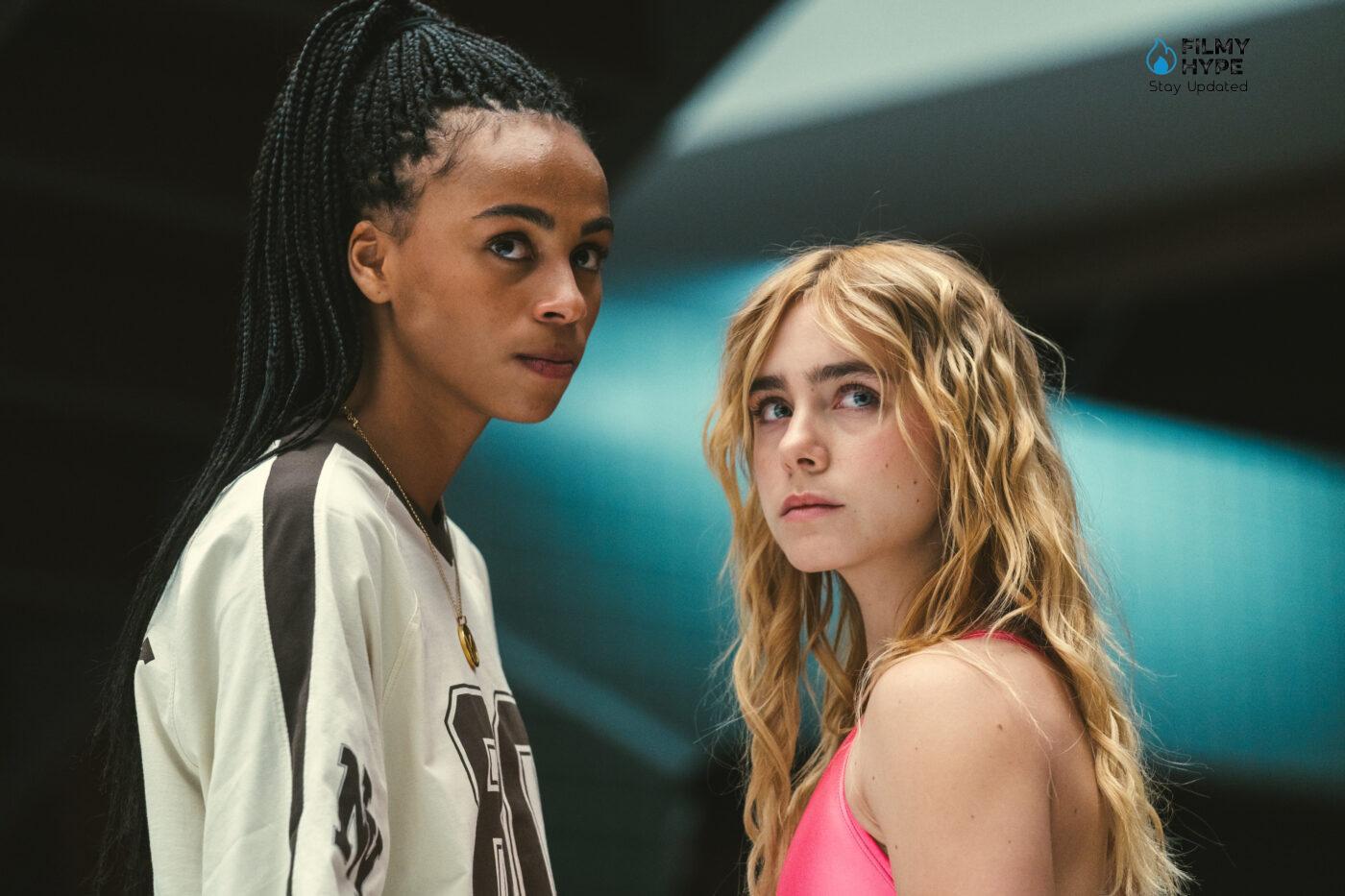
The cast is large and well-dosed, and despite the chorus, some characters emerge strongly: Clara Galle is Amaia Olaberria, leader of the synchronized swimming team. Its trajectory, from a virtuous example to a body that collapses under the suspicion of doping, is the emotional backbone of the series; Maria Romanillos is Nuria Bórgues, her best friend and sudden rival. The transition from an almost co-dependent relationship to toxic competition is at the heart of their relationship and what will kick off the series. Nuno Gallego (already seen in Elite) is Cristian, a rugby player, torn between the expectations that others have about him and his lost revenge. Finally, Agustín Della Corte is Roque, a charismatic rugby player who hides an ambiguous relationship with truth and identity. He is one of the most enigmatic and layered characters and the bearer of one of the most interesting and in-depth storylines in the series.
Self Olympo stands out is also for its ability not to separate themes, but to intertwine them: sport as competition, doping as an instrument, sex as an arena of power. The scenes of intimacy are explicit, but never free: they are acts of domination, comfort, manipulation, or vent. In this sense, the series is deliberately voyeuristic, but aware. Finally, doping is treated with lucidity. Not as a criminal act but as a systemic response to an inhuman structure. Not everyone chooses to cheat, but everyone is forced to be perfect. The series does not justify, but shows. Olympo is a series that maintains the energy, emotional intensity, and sensual charm of the teen drama genre, but adds to the thematic complexity a more adult narrative, which is not afraid to wonder about the limits of performance. It is not perfect: some secondary lines are lost, certain dynamics remain sketched, but it is a courageous, sensual, and sad series, which speaks to young people not as consumers, but as fragile beings in search of form.
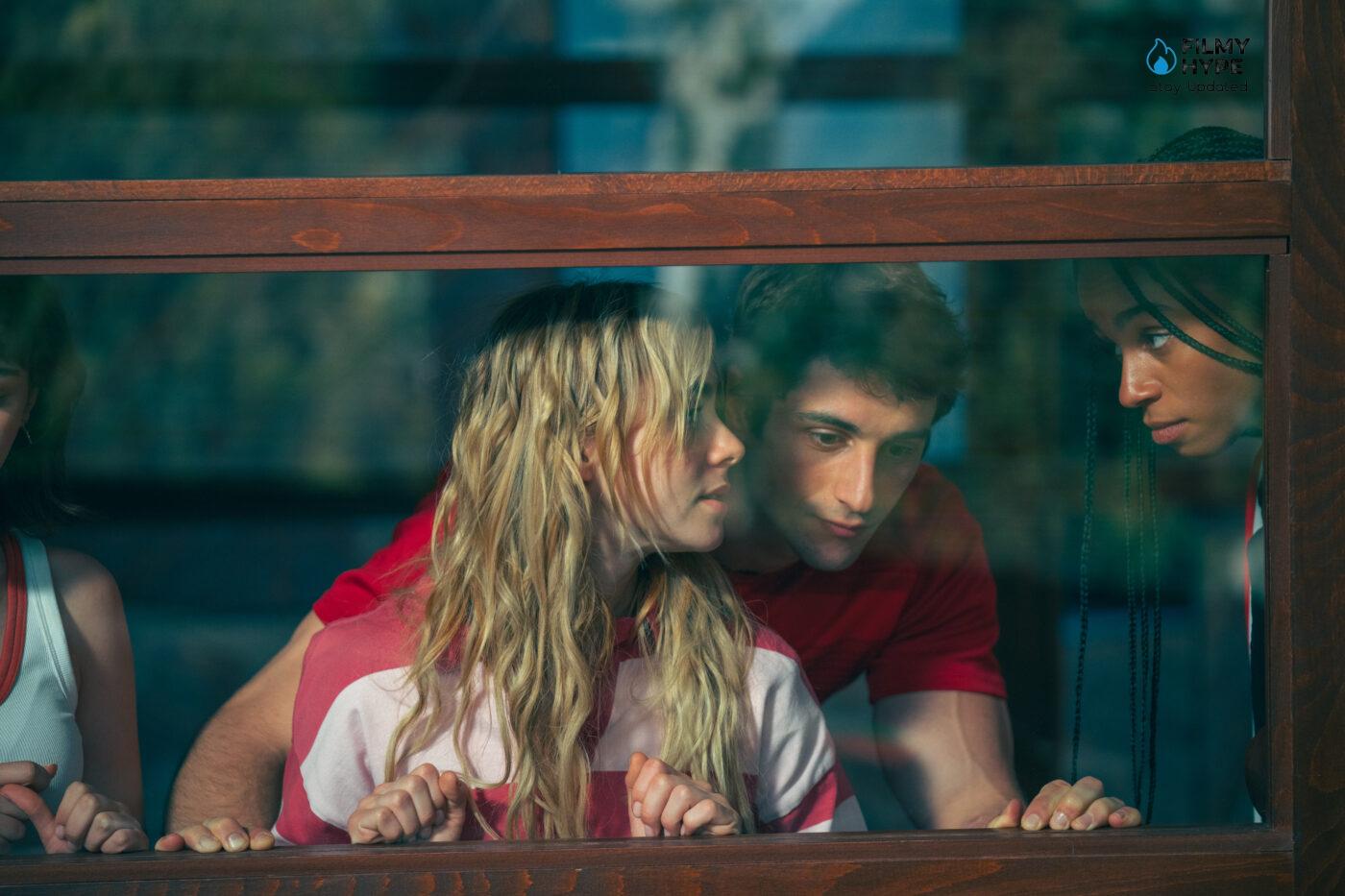
In Olympo, we assist typical dynamics of teen drama: unrequited love, love triangles, friendships that become rivalries, and vice versa. They are not lacking high erotic sequences to make young spectators dream while the direction lingers on the details of the sculpted bodies of the protagonists, insisting too much on the physical part and very little on the emotional-sentimental one. Just like it did, Elite. There is no shortage of the theme of possible sports doping when too many athletes seem to excel in their disciplines, instilling suspicion in Amaia, accustomed to being top of the class. To these elements we add the extreme and exaggeration typical of Spanish productions: every acting becomes more than theatrical, every development is all too sudden without giving the public time to metabolize the information received. Even the characterization of the characters is almost nil, remaining on the threshold of one one-dimensional.

Despite the apparent (and unfortunately effective) superficiality of the story, there seems to be a social theme, basically, although not new in the sports genre. The use of substances to improve their performance, and the concept of challenge, namely: where are we willing to go to chase our dreams? In short, how much are young sportsmen put under pressure? How far beyond their limits are they pushed, often by parents and friends who should instead safeguard their mental as well as physical health? Emotional stress, panic attacks, physical pain: all this happens and much more to the characters of Olympo. “Like a zoo with caged animals for other people’s entertainment,” Núria tells Zoe in welcoming her to the school: a portrait that will be sadly fitting. There is also no lack of LGBTQIA+ theme or the still discriminatory treatment given to queer athletes.
Olympo Season 1 Review: The Last Words
Olympo is a series that maintains the energy, emotional intensity, and sensual charm of the teen drama genre, but adds to the thematic complexity a more adult narrative, which is not afraid to wonder about the limits of performance. It is not perfect: some secondary lines are lost, certain dynamics remain sketched, but it is a courageous, sensual, and sad series, which speaks to young people not as consumers, but as fragile beings in search of form. And if a TV series manages to be educational and make a difference even in the life of a boy or girl, you can forgive everything, even some factory defect. Olympo is a series that tries to raise the teen drama bar by mixing sport, mystery, and social criticism. The athletic context is interesting and visually engaging, as is the cast, young but credible. However, the script stumbles too often on predictable dialogues, superficial conflicts, and excessive use of the sensual component. The narrative potential is there, but remains unexpressed, crushed by a seriality that points more to binge than consistency. The message about doping is important, but ends up drowned in melodrama. He lets himself be looked at, but he forgets quickly.
Cast: Clara Galle, Nuno Gallego, Agustín Della Corte, Martí Cordero
Created By: Jan Matheu, Laia Foguet, Ibai Abad
Streaming Platform: Netflix
Filmyhype.com Ratings: 3/5 (three stars)