Jurassic World Rebirth Review: Adventure, Emotions, and Increasingly Monstrous Dinosaurs
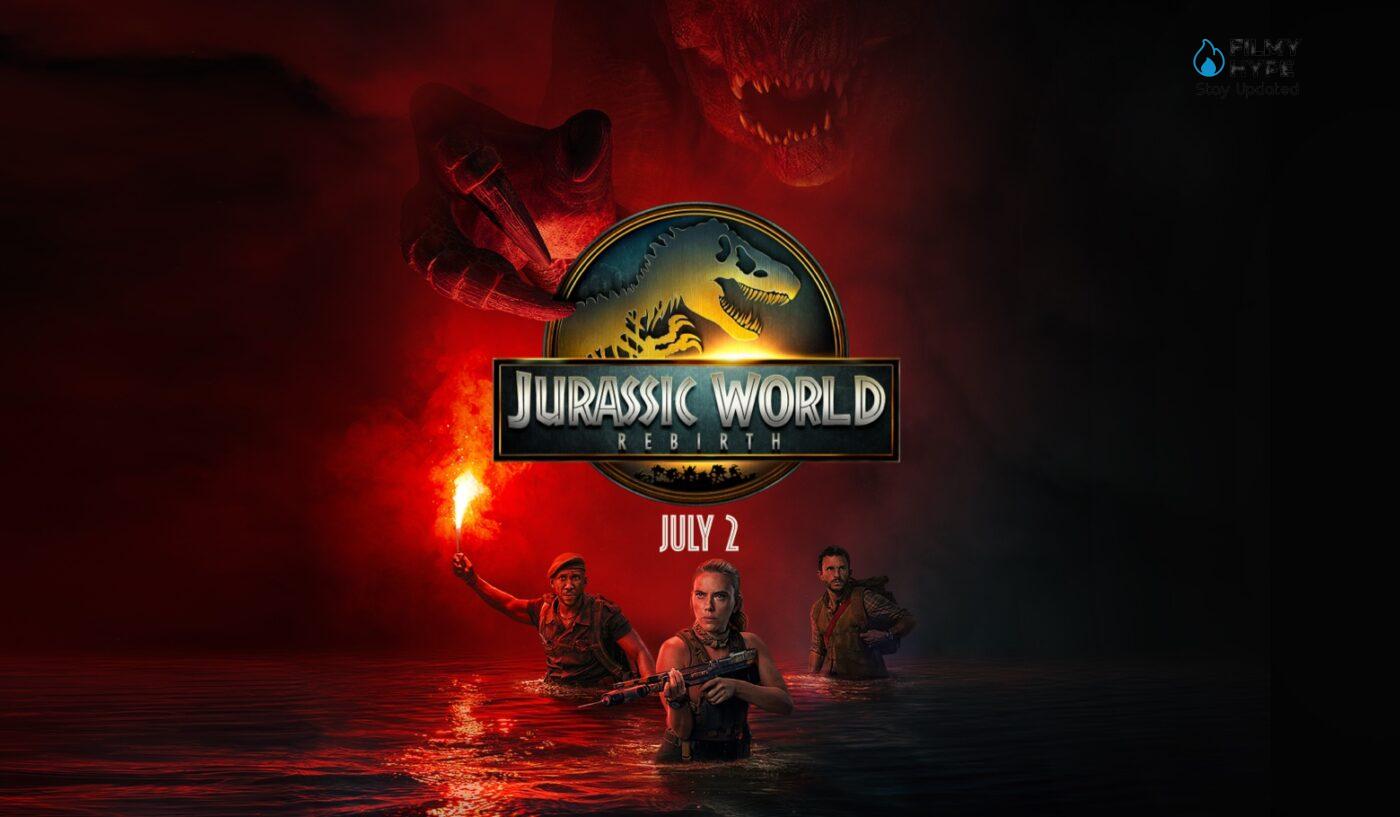
“Jurassic World Rebirth“, the new chapter of the imperishable dinosaur saga, arrives in cinemas, and it has a lot to say. It is, in fact, an excellent adventure film, which will appeal even to those who have not seen the previous chapters, giving emotions and jump scares in quantity and relaunching the very important theme of the manipulations of nature by man and its tragic consequences. The film, directed by Gareth Edwards, stars, among others, Scarlett Johansson as Zora Benneth, Jonathan Bailey as Doctor Henry Loomis, and Mahershala Ali in the role of Duncan Kincade. In 1993, Steven Spielberg revolutionized entertainment cinema with Jurassic Park- an amazing adventure not only in terms of CGI but the balance between narrative wonder, tension, and fear. A film that knew how to amaze, move, and terrify, backed by a simple but effective script and a memorable cast. From that point on, the franchise has lived a long and fluctuating existence: An ambitious but divisive sequel, a forgettable third installment, and the trilogy of Jurassic World, which attempted with little success to bring dinosaurs back to the center of the imagination.
Recent cinema is full of attempts, more or less successful, more or less desperate, to revitalize old franchises capable of guaranteeing the American majors a “hard core” of spectators useful at least not to make a loss. The larger the franchise, the higher the costs and the higher the chances of profit or failure. Jurassic Park has been, over the past decade, a satisfying source of revenue for Spielberg’s Amblin, which produces, and Universal, which distributes. It all started again fifteen years after the debacle of Jurassic Park III, the most disappointing in terms of takings (“just” 368 million dollars worldwide against a budget of around 93): having overcome various production obstacles, it finally came out in 2015 Jurassic World, a sort of reboot of Spielberg’s first film directed by the little-known Colin Trevorrow and with a new cast led by the much better-known Chris Pratt. Author known for his ability to insert spectacular elements into dark and realistic contexts, maintaining a certain visual rigor even when the narrative becomes more conventional. The Rebirth is, unfortunately, a wasted opportunity, trapped in one clumsy script, uninspired characters, and a general sense of déjà vu.
Jurassic World Rebirth Review: The Story Plot
Zora Benneth is a former special forces soldier who sells her services to the highest bidder. One day, she is contacted by a businessman in the scientific-pharmaceutical sector who offers her a high-risk mission. The objective is to set foot on a Caribbean island that was the center of secret genetic experiments and where, since something went wrong, only genetically modified dinosaurs live. On that island, the ambiguous businessman would like to collect the DNA of three gigantic dinosaurs: one of water, one of land, and one flying, to then develop a medicine that prevents the risk of heart attacks and other diseases, to then put it on the world market. Together with the two of them, a paleontologist, Doctor Loomis, is part of the expedition, who, however, looks askance at the speculative enterprise. To complete the mission, lavishly paid, Zora enlists a team of mercenary “colleagues”, led by Duncan, who provides the crew and boat to reach the island. During their journey, the team of “pirates” thus formed comes across a family (father, a young daughter, a teenage daughter, and her boyfriend) who launch an SOS after being attacked by one of the monsters that the team led by Zora is hunting. From that moment their destinies cross and an adventure begins in which nothing will go as planned, not only at sea but also and above all on the island populated by terrifying creatures.
Jurassic World Rebirth Review and Analysis
Forget the tiredness of the last two films released in the Jurassic saga, because this new chapter is truly new. It makes a clean sweep of the unconvincing previous ones and returns to offer the public a substantial, well-crafted story, enjoyable even by those who have not seen the previous films, and above all, exciting and fun. Between increasingly cruel and scary dinosaurs, increasingly reckless adventurers, and a family group that finds itself grappling with an adventure that they would have gladly avoided but that, in the end, serves to cement their bonds, in Jurassic World Rebirth, there is a lot on the fire, and all cooked to perfection. First of all, what we expect from a film of this kind: lots of adventure, between rough seas, beaches infested with monsters, a jungle where nothing is what it seems and where everything hisses, crawls, moves, and, what is worse, bites and swallows. Between breathtaking landscapes, truly terrifying monsters, a life-saving gold rush with no regard for danger but also moments of great lyricism in front of the miracles of nature (the scene in the valley of the dinosaurs is beautiful) and again, a happy family ending, but also ethical, with a simple but powerful and always current message, such as that of respect for the ecosystem and the danger of forcing it, and a more complex but equally current message, such as that of science as a common good and against speculation on the health of humanity. Perfect cast to tell this engaging adventure, led by a credibly fearless Scarlett Johansson. Two and a half hours of pure entertainment, which will appeal to audiences of all ages.
One of the main merits of The Rebirth is to introduce a completely new cast, finally disconnected from the worn faces of the previous trilogy. Scarlett Johansson is the absolute protagonist, in the role of Zora Bennett, a former soldier transformed into a mercenary, determined, resolute, and surprisingly empathetic. His character is believable, despite the clichés of the genre, and is developed without romantic forcing. His relationship with Henry Loomis – played by an excellent Jonathan Bailey – gives moments of lightness and humanity. Bailey brings to the screen a shy, intellectual, disoriented but never ridiculous paleontologist, who represents the point of view of the enchanted spectator in front of the dinosaurs. To round out the team, Mahershala Ali as Captain Duncan Kincaid, a man marked by mourning, who adds emotional depth to the narrative and doesn’t just act as a sidekick for action. The trio works perfectly, with well-written dynamics and measured interpretations that breathe new life into the franchise.
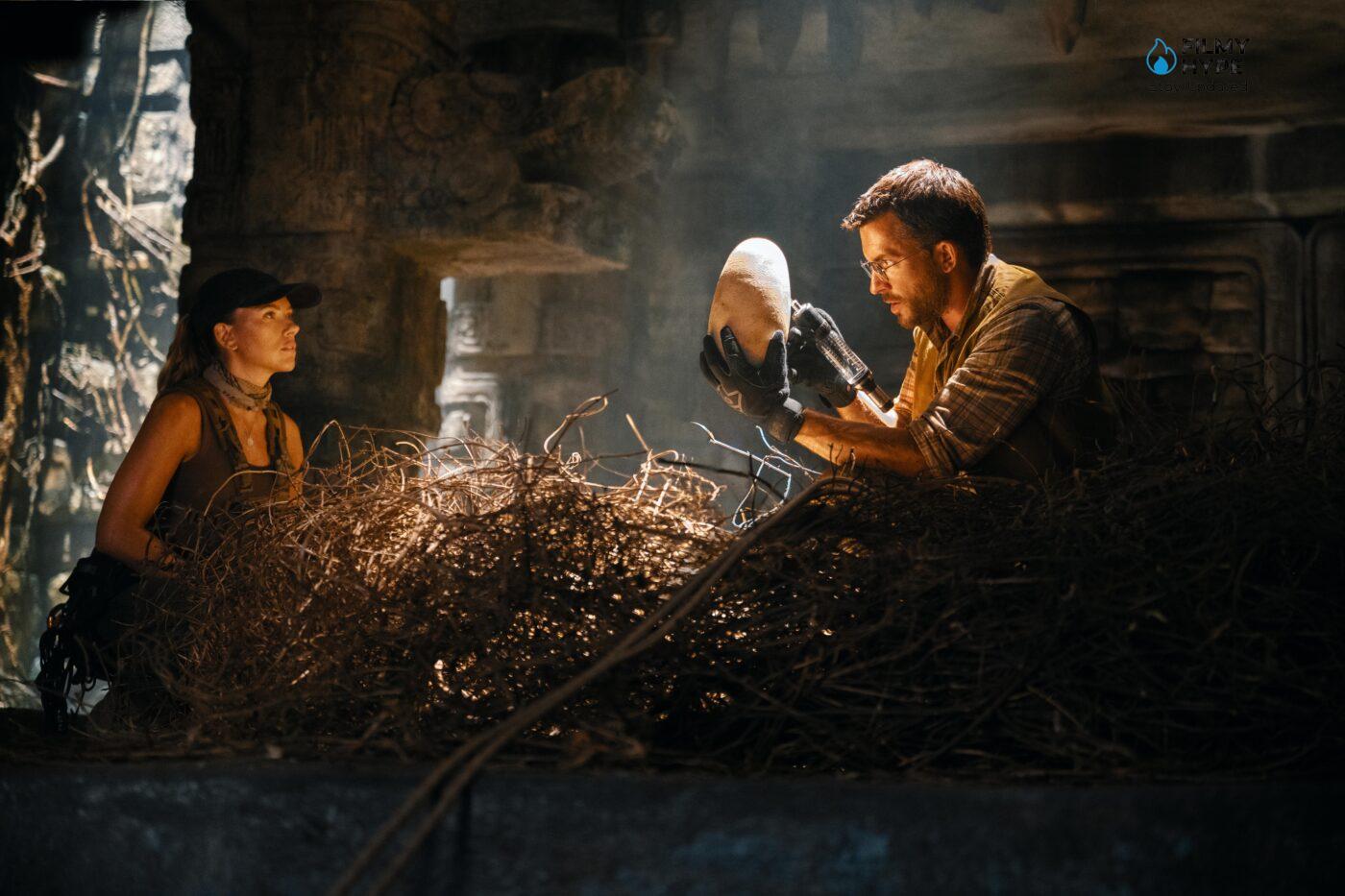
History doesn’t try to reinvent the wheel. The goal of the team is to collect blood samples from three species –terrestrial, aquatic, and flying – for seemingly medical purposes, but in reality, dictated by the greed of the usual corporate villain (a perfect Rupert Friend as Martin Krebs). The narrative pretext serves to lead the characters into a context full of dangers, among pristine jungles, nests from which it is better to stay away, and abandoned laboratories where nothing is dead. In parallel, we follow a family shipwrecked at sea, which ends up on the island after a close encounter with a Mosasaurus. Father Reuben (Manuel Garcia-Rulfo) tries to reconnect with his daughters Teresa and Isabella during a forced vacation that turns into a nightmare. This narrative double track –military action and family story – allows the film to alternate moments of adrenaline with more tender and human scenes, with balanced results.
From the first scenes, it is clear that Gareth Edwards wants to pay homage to the Spielbergian legacy. He does it without aping, but with respect and intelligence. The shots that suggest the presence of dinosaurs before showing them, the suspense built on sound details, and the restrained and calibrated use of CGI – all contribute to a great adventure cinema atmosphere. The visual approach is reinforced by the use of 35mm film and real locations shot in Thailand, which gives the film an authentic visual impact and is far from the digital artificiality of the last chapters. The action sequences are numerous and well paced: the initial shipwreck, the Quetzalcoatlus’ burrow climb, the jungle race pursued by a titanic Spinosaurus, and the raft chase with a swimming (and scary) T. Rex. But it is the moments of pause, like the meeting between Henry and the titanosaurs, that give the film that sense of wonder that had been missing from the saga for years.
One of the most surprising aspects of Rebirth is its ability to move. The relationships between the characters are carefully constructed, and the interactions with the creatures are not only a source of danger but also an opportunity for reflection. Little Isabella, growing fond of a baptized Aquilops “Dolores,” is a clear reminder of the Spielbergian iconography of children and animals. But Zora, Kincaid, and Henry also face personal growth, finding new meanings in their traumas thanks to the confrontation with a lost and still-alive world. The ethical component is never fully explored, but it is present: Does it make sense to bring extinct creatures back to life? Is it right to exploit them for profit? The screenplay launches interesting ideas, even if it prefers to remain on the surface so as not to slow down the narrative pace. The great limitation of Jurassic World Rebirth is its derivative nature. As effective and spectacular as it is, the film adds nothing new to the mythology of the saga. The Distortus Rex, the new hybrid creature protagonist of the third act, seems to have come out of a fantasy film rather than a scientific thriller, and some scenes (such as the replica of the Jurassic Park kitchen) are a little too winked at.
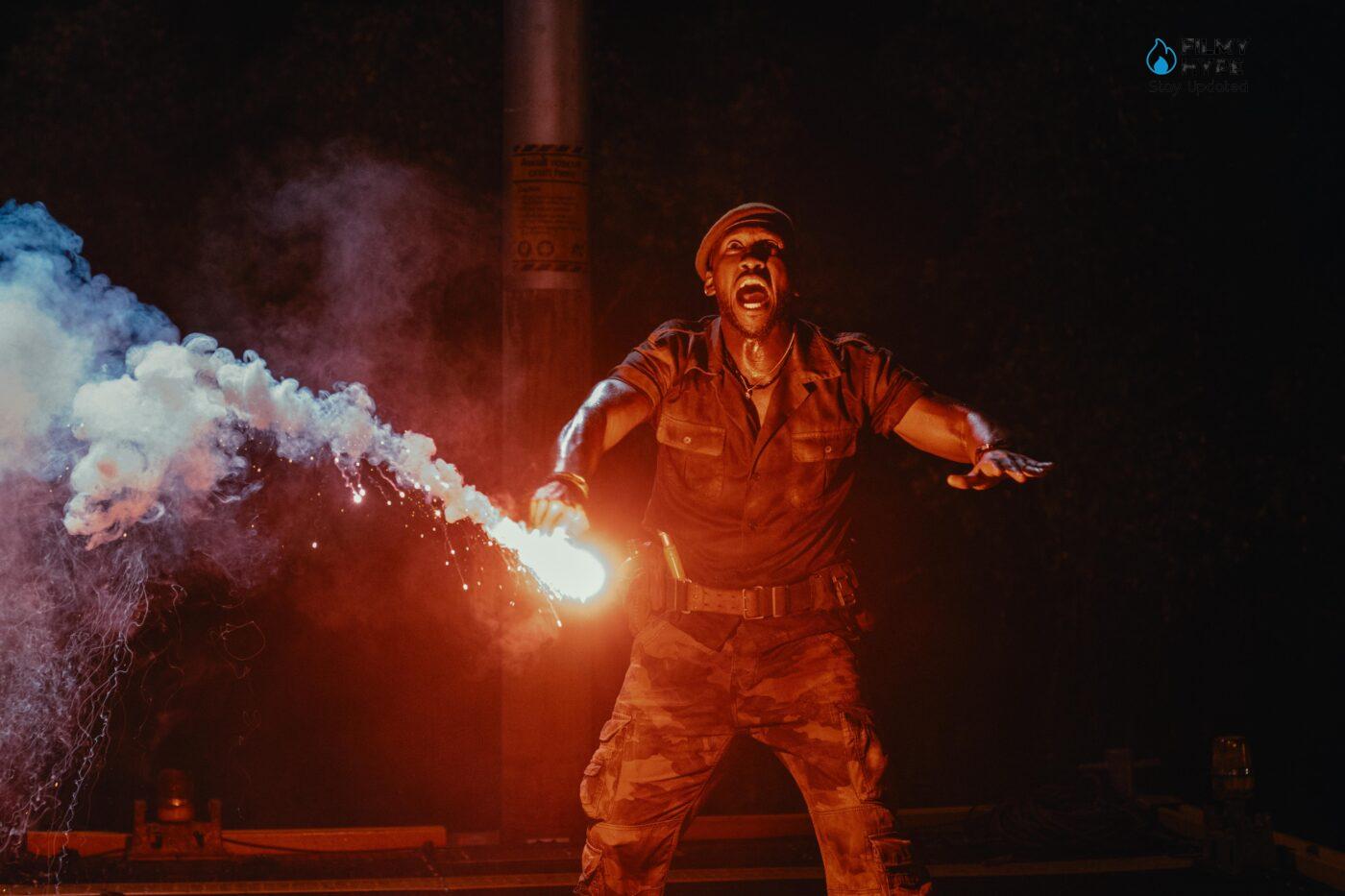
Product placement is excessive and sometimes ridiculous, and the film seems almost more interested in fixing the mistakes of the past than in building something truly original for the future. But all this is compensated by solid direction, conscious writing, and a brilliant cast. And while it doesn’t mark a new beginning for the franchise, Rebirth is the right way to close it with dignity and spectacle. Ian Malcolm was a proponent of chaos theory: that is, the idea that a dynamic system is subject to a series of empirical randomness with totally unpredictable implications. It is what was the basis of Michael Crichton’s work, it was the mantra of Spielberg’s adaptation, and it is vaguely the compass of Jurassic World Rebirth. Here, however, it is the opposite, because the narrative mosaic is anything but unpredictable.
In short, you will have understood that the plot of Jurassic World Rebirth is not exactly the celebration of originality. Writing problems emerge from the beginning, with a specious premise and a cast of characters struggling to find an interesting evolution, ending up not having it. The cast becomes mostly a mere parade of illustrious and sparkling Hollywood faces (Scarlett Johansson, Jonathan Bailey, Mahershala Ali), which unfortunately turn out to be flat, monotonous, and with little to say. A shame: the potential was there, especially for Johansson’s character, who carries the role of a woman of action and a soldier marked by post-traumatic stress well on her shoulders. But the problem is the dialogues: superficial and sketchy. There are also interesting reflections: like the original Spielberg, the new Jurassic World places in front of the viewer some existential dilemmas about the self-destructive nature of human beings and the inevitability of extinction. It’s a shame that, on this front, the screenplay signed by David Koepp (who had already written Spielberg’s films) stops too much on the surface, sacrificing its deepest potential on the altar of an action blockbuster that becomes increasingly “smaller” and less layered.
And here we come to perhaps the most controversial issue of the film: Gareth Edwards is a young, capable director, what good did he do with Godzilla and better yet with Rogue One, only partially losing with The Creator, which remains a fascinating diamond in the rough. Edwards has visual ideas and character in moving the camera: his direction gives Jurassic World Rebirth a strongly survival imprint, with action thriller tips in which the wild, feral threat of dinosaurs always comes from the background, like seemingly harmless elements of an endless and dangerous landscape ready to devour you at every moment. With small, shy but interesting horror tips that alternate well with a style, visually and thematically, ironic. Which becomes, however, rather redundant in the transition from one act to another of the film, which also seems to be constructed like the quest of a video game that becomes increasingly repetitive. Three dinosaurs (three bosses, we could say), three different ecosystems to reach (water, land, and air), three tests of different types and dangers to obtain specific DNA samples.
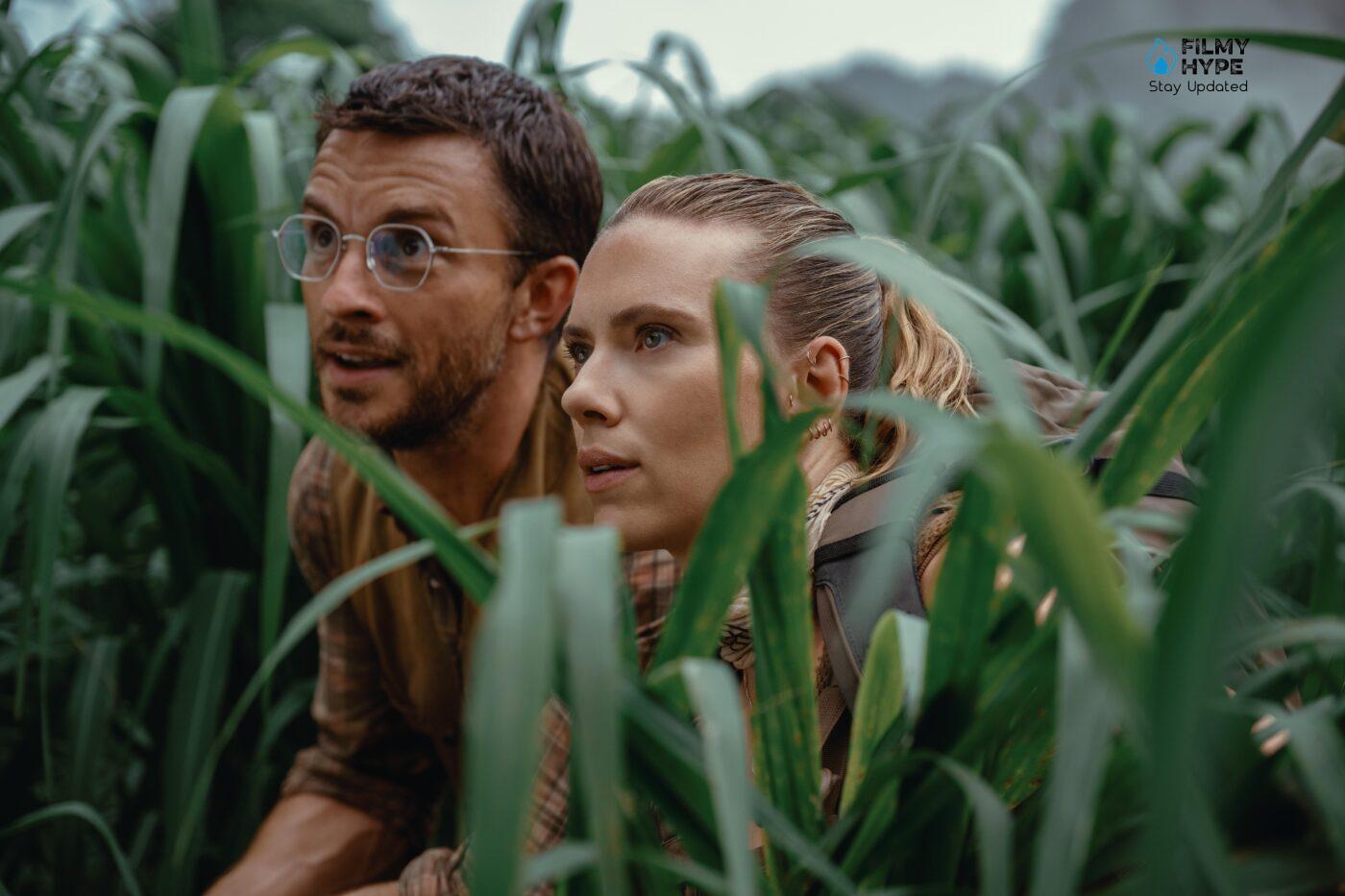
A structure that is narrative, thematic, and visual, and which, through Edwards’ cinematic eye, puts us face to face with different, always changing scenarios. Which loses bite, unfortunately, at the end, in which we move from wild and inhospitable settings to something already seen, heard, and widely explored. And so is Edwards’ more quotationist and respectful spirit towards the masterpiece dated 93, to the extent that Jurassic World Rebirth lives on many (too many!) moments, even very long ones, which they recall, pay homage to, and copy sequences, shots, and sound accompaniments of Spielberg’s adventure. It remains, from a visual point of view, a mammoth work in the true sense of the word. The production effort, both in the spectacular imprint of the film and in the need to restore coherence in this homo-Jurassic world, is enormous. With a mix of CGI and animatronics, prehistoric creatures are rendered down to the smallest detail, and above all, they intersect well in their physical interactions with humans.
Even in this case, however, there is no shortage of stumbles, especially regarding the artistic direction. The hybrids that the saga confronts us with now have little that is realistic about them, and are more assimilable and truly aberrant monsters. Of course, we know, dinosaurs have always been genetically modified since the first Jurassic Park, but their appearance still played into the canonical and popular representation of the species. Here we have the Distortus Rex, a hard and pure abomination, the size of a tyrannosaurus, with six limbs like an insectoid, with the gait of a Star Warsian Rancor, and with a deformed head like that of an Alien. A design choice that clashes even with other previous additions to the saga (think of the Indominus Rex, which remained an animal), and which marks a frightening precedent: the idea that the totally science fiction drift can also take over in future chapters of the saga, in which quotes and returns to the past could represent nothing more than a deception.
Jurassic World Rebirth is a mix of these three factors, and we venture a prediction in the hope of being proven wrong, a film doomed to commercial failure while being, paradoxically, the most successful since Spielberg. After the absolute flatness of the previous three films, which focused on increasingly larger dinosaurs, increasingly famous actors, and increasingly steroid marketing, it is easy to imagine that everyone is a little tired of dinosaurs, as well as Marvel/DC superheroes or live-action Disney. It is therefore likely that the sirens of the promotional campaign (the trailer is not that great, it must be said) will sound this time in vain despite the involvement of Scarlett Johansson, and that the film, despite being very valid –a bit’ as happened with the splendid one The Flash by Andy Muschietti or with the most recent Thunderbolts* – be snubbed even by the most passionate about the saga. But, there is a but, being Jurassic World Rebirth, a very valid film from an artistic point of view, it is not certain that word of mouth will be able to trigger a positive chain reaction.
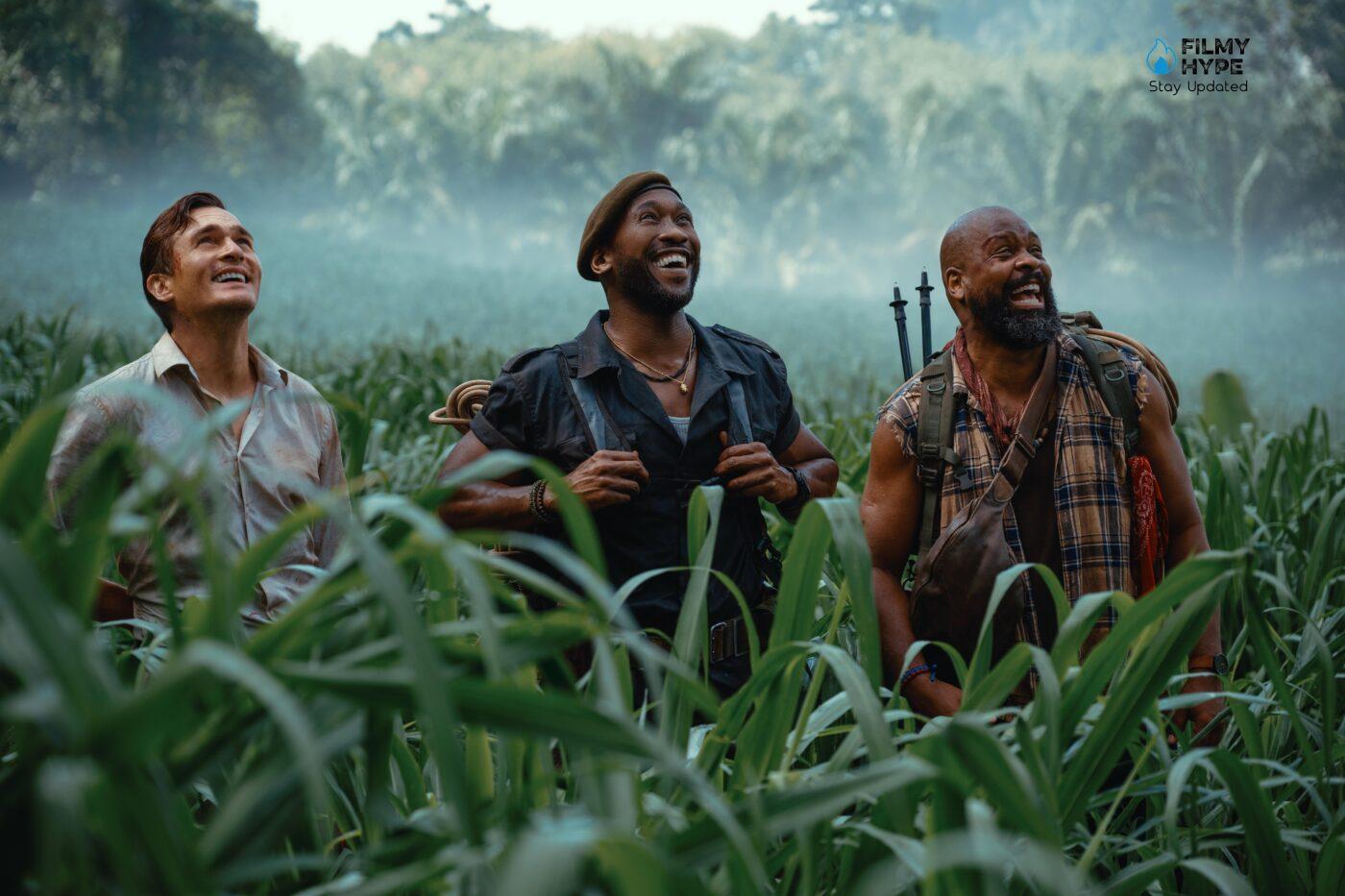
Gareth Edwards: Let’s give a name to the most successful motif of this seventh film in the saga. The director of Monsters, Godzilla, Rogue One, and The Creator confirms himself as an excellent author because he is capable of maintaining his gaze even within a context potentially capable of crushing any experienced professional in the sector. Edwards, on the other hand, despite the pressure he puts on his own: in the documentary cut of many scenes, in the management of the actors (including dinosaurs, which are finally scary again), in the choice to use 35 mm film to give more depth and vitality to the footage, in the harmonious balance of action and history, homage to the past and rooting to the present. The British director (God save the British workers!) however, he shares the credit with a brand new technical team: John Schwartzman away from photography and inside John Mathieson (Gladiator, King Arthur, 47 Ronin, Doctor Strange in the Multiverse of Madness, etc.), no more music than Michael Giacchino replaced by the equally good one Alexandre Desplat, and above all the end of the screenplays signed by Colin Trevorrow and a warm welcome back to David Koepp, screenwriter of the first two Jurassic Park, those directed by Spielberg.
The script, after the direction, is the element that most positively distinguishes Jurassic World Rebirth from previous films. Intelligently, the story starts from the assumption that no one cares anymore about dinosaurs: forgotten by people, they become extinct a second time due to an ecosystem incompatible with them. Only a small one “reserve” survives near the equator, near an island where the usual mad scientists – incidentally: the initial few minutes have more science fiction than all three of the last films combined – were trying to give life to extravagant dinosaurs capable of reawakening public interest. A failed intent which has given rise to very dangerous beasts with which a poorly matched team of unwary customers will have to deal, incited by the spokesperson of a pharmaceutical company interested in earning billions with the DNA of the longest-lived dinosaurs. Even without particular flashes or moments “wow”, the story proceeds coherently – net of predictable concessions to disbelief – and compact, in a succession of “paintings” (both video and aesthetic) satisfying and refined in every choice, which dedicate an unusually large space to the characters, their personal stories and the way they interact with each other.
The excellent quartet consisting of Scarlett Johansson, Mahershala Ali (most convincing of all), Jonathan Bailey and Rupert Friend, completed by a family of civilians who are the protagonists of a parallel and compelling storyline, does not miss the opportunity and takes advantage of this space to give depth to a script full of interesting ideas. There is, for example, a criticism of reckless human actions, from animal testing to the lobbies of pharmaceutical companies ready to sell treatment for profit, to man’s ability to cause his extinction without the need for asteroids. There is a varied social representation appealing to modern audiences, which includes two mercenaries with opaque pasts, a researcher on the verge of failure, an unscrupulous hired errand boy, a family man with his two daughters, the eldest of whom is engaged to a seemingly lazy and inept boy. In short, history and characters conquer not only the eyes but also the attention of the public, in a happy union where the adventure is not dominated by special effects and the progress does not appear subordinate to the main scenes – think, for example, of how the writing of the last two Mission: Impossible be a slave to Tom Cruise’s stunts.
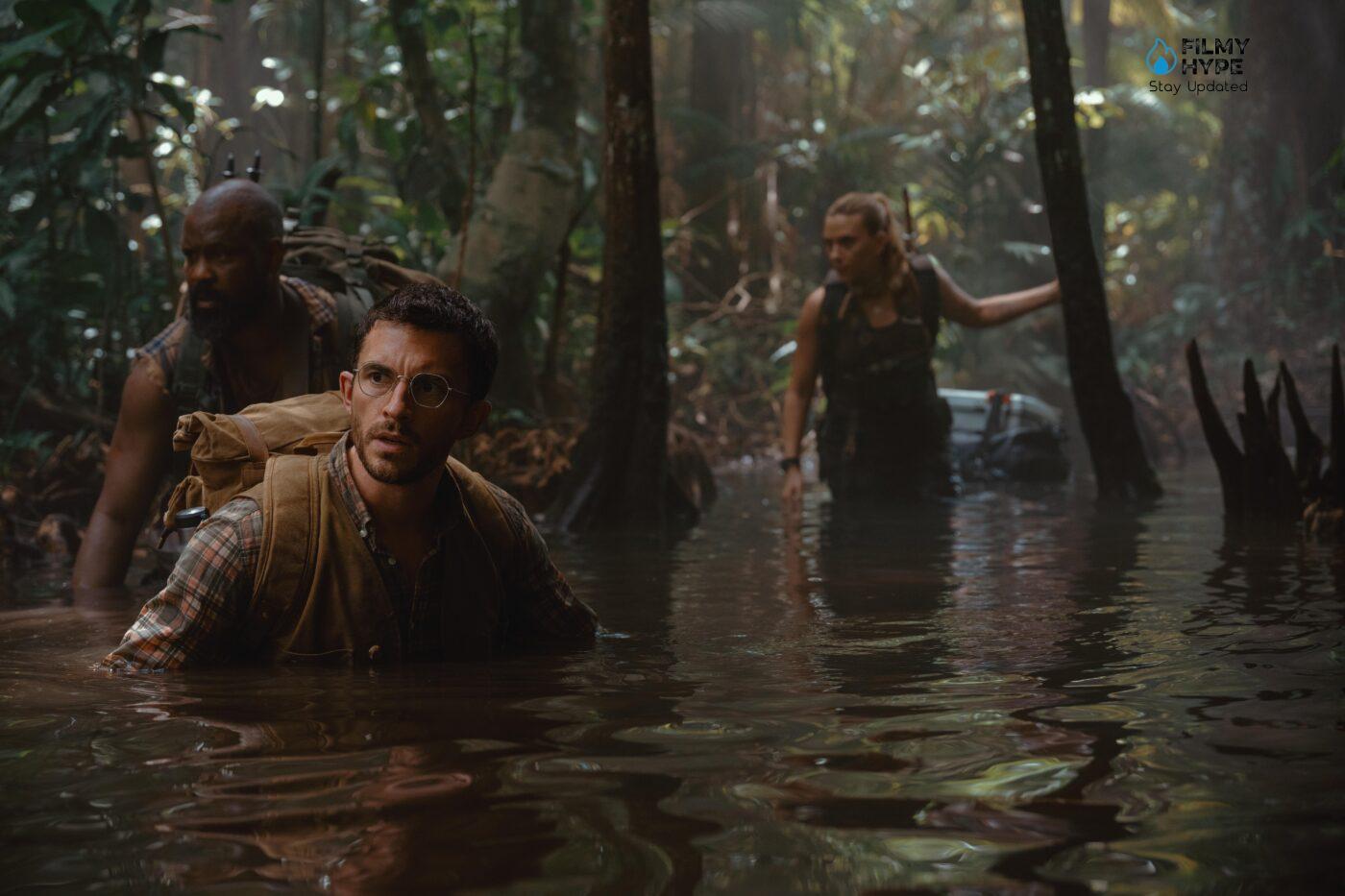
Thanks to the many elements mentioned above, Edwards’ direction manages to make a context bordering on the impossible credible and offers several scenes of great tension and spectacularity, at sea, underwater, on the river, and in an abandoned shop. For the first time in years, the sense of wonder, amazement, and fear in the face of the incredible is restored. And the dinosaurs finally return to cloak themselves in that threatening semi-darkness that Edwards was able to use very well in both his first film, Monsters, and that in Godzilla. It was not at all easy or obvious that over thirty years after Spielberg’s masterpiece, the right conditions were found to return to a world now lost. Even if your expectations are at an all-time low, give Jurassic World Rebirth a chance and you won’t be disappointed. The skill of Gareth Edwards, aided by a good script, an interesting cast, and a pace that rediscovers the taste for adventure and tension of the original film, makes this seventh chapter the best film in the franchise of the last 25 years.
Jurassic World Rebirth Review: The Last Words
So what’s left of Jurassic World Rebirth? A hybrid, exactly like the mammoth creatures protagonists of the saga, now in its seventh chapter, which has little else to say. A narratively weak restart, strong however with great visual fullness and solid direction – however, clear Gareth Edwards’s much, too much love for Spielberg is, which he even pays homage to and even copies. On the one hand, we have a limping plot development, on the other, an action blockbuster with a Jurassic background that makes you speechless in the face of certain sequences. The result lies a little in between, trapped like dinosaur DNA inside an ampoule. Jurassic World Rebirth is a spectacular adventure that brings back the spirit of the first film, thanks to inspired direction, a close-knit cast, and a renewed focus on wonder. It doesn’t innovate, but it entertains, excites, and, above all, convinces.
Cast: Scarlett Johansson, Jonathan Bailey, Mahershala Ali, Rupert Friend, Manuel Garcia-Rulfo, Ed Skrein, Luna Blaise, David Iacono, Audrina Miranda
Directed: Gareth Edwards
Where to Watch: In Theaters
Filmyhype.com Ratings: 3.5/5 (three and a half stars)