Heweliusz Ending Explained: Why Did the Ferry Sink and Who is Truly Responsible?
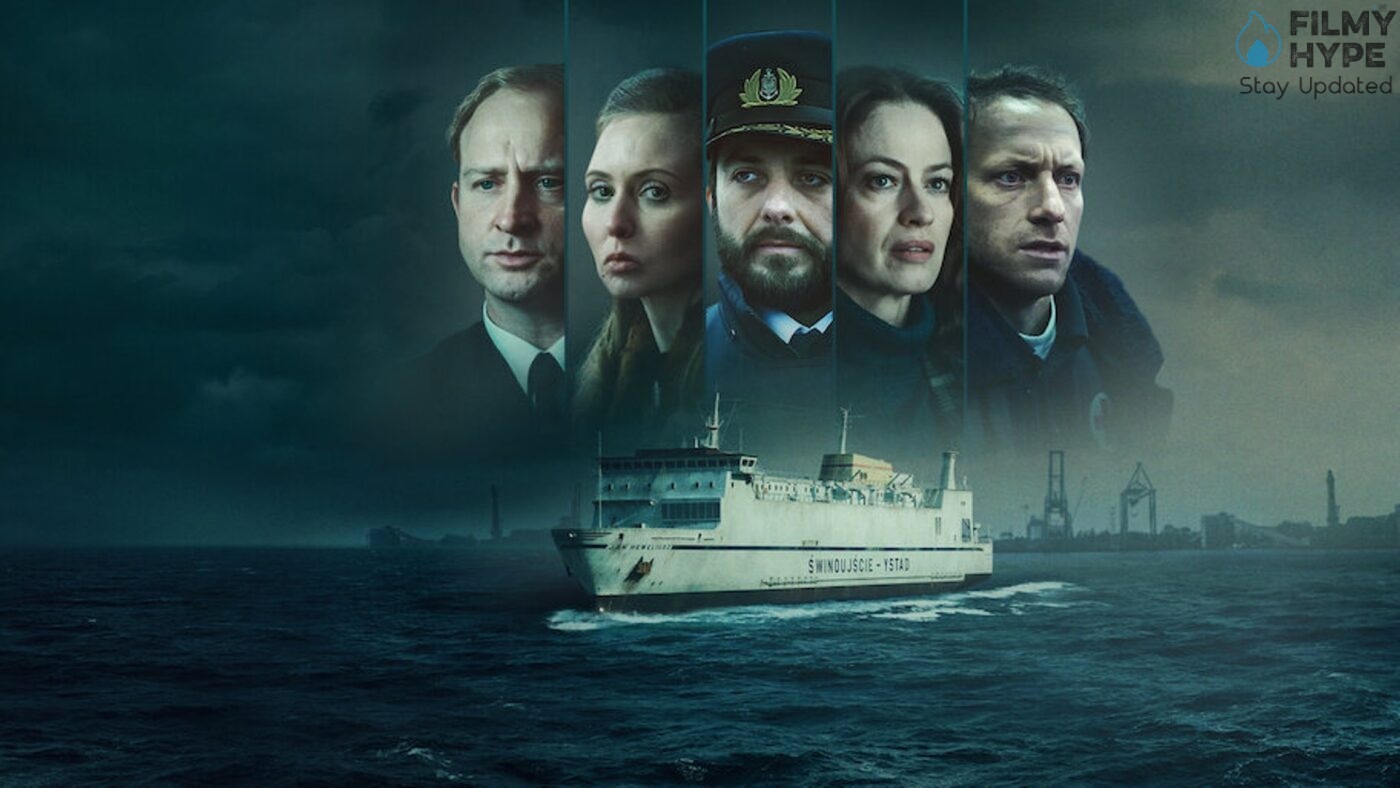
Heweliusz Ending Explained: The miniseries Heweliusz reconstructs the tragic shipwreck of the Polish ferry MS Jan Heweliusz that occurred in 1993 and, above all, the climate of silence that surrounded the subsequent investigation. After the disaster in the Baltic, with victims among crew and passengers, the country demanded answers. But the closure of the case left a bitter feeling: too many pieces did not fit, too many voices were left out, and the truth seemed blurred between political, military, and business interests. On January 14, 1993, one of the greatest tragedies in Polish maritime history occurred when the ferry Jan Heweliusz sank in the turbulent waters of the Baltic Sea, near the German island of Rügen. Of the 64 people on board, 55 lost their lives, and only nine survived. This catastrophe was brought to the screen, which is why it is currently available on Netflix under the title “Heweliusz”. As a result of the impact generated by its outrageous and heartbreaking plot, I will explain the end of this production.
Heweliusz Ending Explained: Who Was Responsible For The Maritime Tragedy?
In real life, the accident indicated that there was negligence, since the ferry was in poor condition (stability tests were omitted after its repairs and its long history of failures), in addition to exceeding the weight limit allowed in the hold. Cargo, but he was still forced to set sail. All this is shown in the series “Heweliusz”; However, when an organizing committee was asked to investigate the tragedy, it concluded that the late Captain Andrzej Ułasiewicz, his crew, and the shipowners were responsible for the shipwreck. Were they really? Although the ship later encountered a hurricane and was about to collide with the German ship Kempen, the crew did everything possible to face this situation; Despite their efforts, they were aware that several would not survive, something that finally happened. Those who managed to save themselves were questioned again and again by the committee, which blamed everything for the “accident” on Ulasiewicz and his team. But the shipowners and the army? Both were exempted from any responsibility. Let us not forget that the former were responsible for the condition of the ship and the latter for the excess cargo that the ship transported that day.
Why Did The Ferry Sink?
Captain Ulasiewicz’s lawyer explained in his final argument the reasons that caused the shipwreck. He first indicated that the concrete pavement laid by the shipping company Navica Ferries, after the Heweliusz caught fire, reduced the stability of the ferry. He later argued that the delay in the ship’s departure was caused by Ania and her companions, and then by Kaczkowski, who became trapped in a traffic jam while carrying suspicious cargo from the Polish Armed Forces. Although this would have prevented the collision with the German ship, nothing prevented them from encountering the hurricane, which would have led to other problems, one of them caused by the weight of the ship, as it exceeded the permitted limit. It is worth mentioning that the charge was imposed by the Polish Armed Forces.
Likewise, he revealed that the weather reports provided to the crew were doubtful, because despite the fact that bad weather was approaching, they were given the order to set sail, becoming the only ship to do so, while those who had already left returned to the docks. Another point mentioned is the mistake Skirmuntt made when stopping the ship in the middle of the storm. Although he survived, he could not live with guilt and ended up committing suicide.
What Did the Army’s Heavy Load Contain?
Although the blame fell on Ulasiewicz and his crew, the state-owned company Navica Ferries was only slightly reprimanded. Meanwhile, an investigation was not opened against the Polish Armed Forces to determine who was carrying the heavy load. What did it contain? Although the series does not explicitly mention that it was contraband, when the bodies appear mutilated, they suggest that the boxes possibly contained explosives that detonated when the ferry capsized. Another possibility is that they were loaded with weapons. We will never know this, as Special Agent Ferenc did everything to silence the conversation about the army cargo and blame the crew for their incompetence.
An Official Report… With Gaps
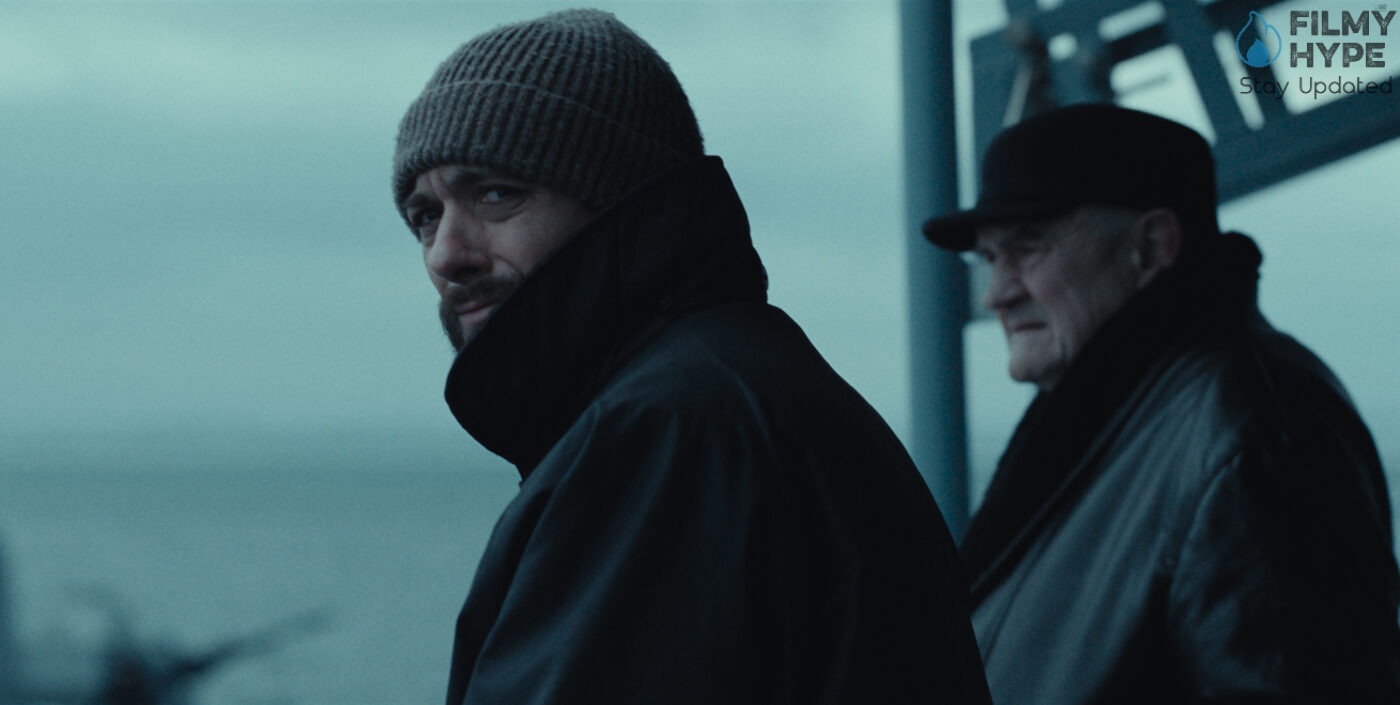
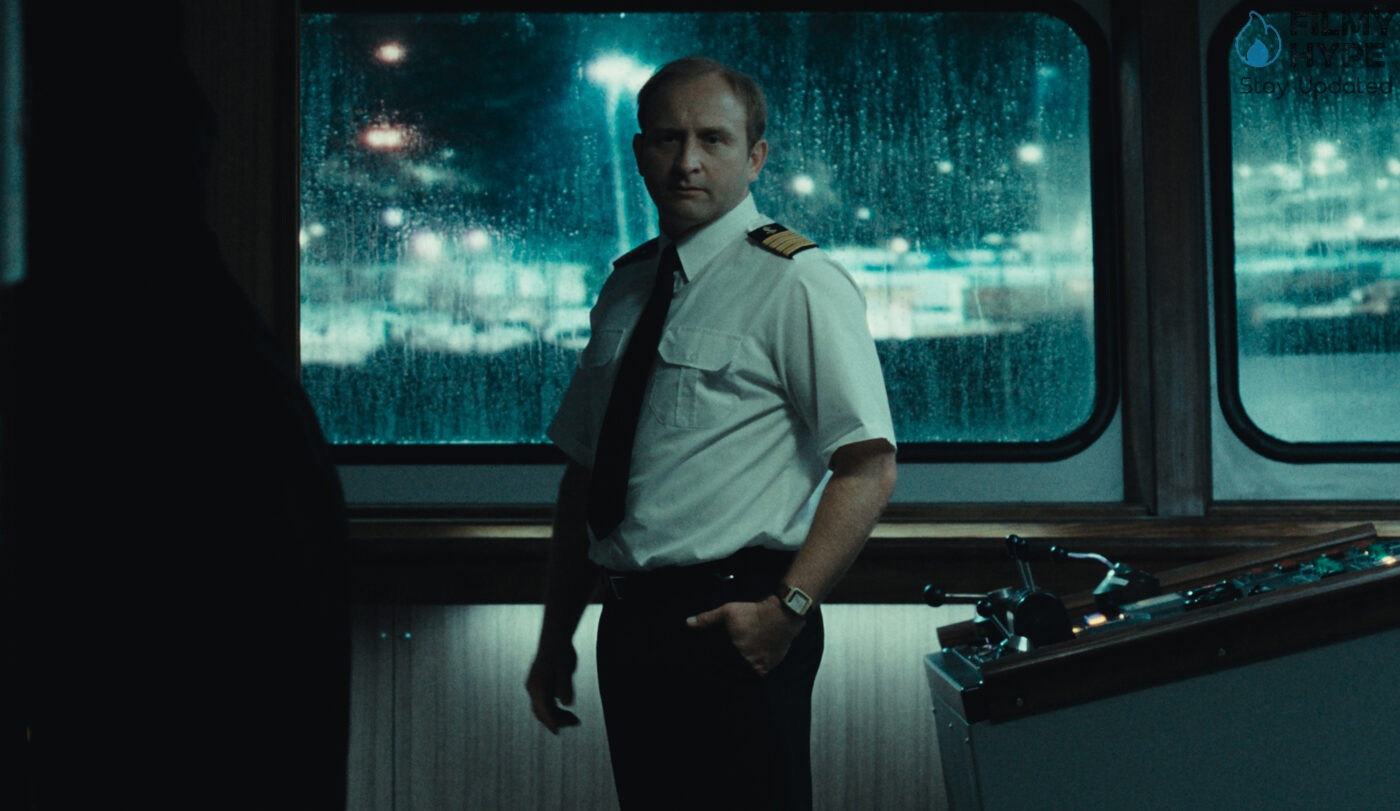
The last episode shows the conclusion of the commission that investigated the sinking. The verdict pointed to Captain Ulasiewicz and his crew as the main culprits, alluding to human errors, mismanagement during the storm, and alleged overconfidence in navigation. The ruling, however, avoided firmly pointing out Navica Ferries, the state company that owns the ship, nor did it delve into the poor condition of the ferry after its repair or the conditions under which it was ordered to set sail despite weather warnings. The feeling left by the end is that the report was born with a marked line: blaming those who could no longer defend themselves and protecting those who had the most to lose. The viewer attends that final press conference with the same frustration as the victims’ families: what is told “officially” does not fully explain what we saw.
A Bitter Closure that Invites us to Question the Official Version?
The ending makes it clear that the battle did not end at sea, but in the offices. The “official” truth was closed, but the series shows a concern in the viewer that persists after the credits: if so many things were left out, what else was hidden? It is not a complacent ending; It does not seek consolation, but rather makes us “look askance” at any explanation that is too comfortable when there are tragedies with political consequences. As with the best dramas based on true events, Heweliusz uses its outcome to remind us that the memory of a disaster can be rewritten and that accepting a version without questioning it is sometimes repeating the mistake. The mystery is not solved… and perhaps that is the key to the miniseries’ impact: it leaves you with the feeling that the full truth never came to light.