
Frankenstein Film Review (Guillermo del Toro): Beauty Engraved in Blood and Regret (Venice 82)
Frankenstein Film Review: With Frankenstein, Guillermo del Toro brings his greatest dream to Venice 82, in competition, the film he has wanted to make since he was just a child. After Pinocchio, of which you can find our review here, Netflix gave him the chance, and the film, after theatrical distribution, will arrive on the platform on November 7th. Del Toro adapts Mary Shelley’s novel in a rather free way and makes it a profound way human, existentialist film, which reflects on the concept of the monster and who speaks of love and death. Oscar Isaac it’s scientist Victor Frankenstein, modern Prometheus, Jacob Elordi is the creature that Frankenstein gives life to by defying death, shaping his body from pieces of corpses sewn together. Alongside Isaac and Elordi completed the cast includes Mia Goth, Christoph Waltz, David Bradley, and Charles Dance.
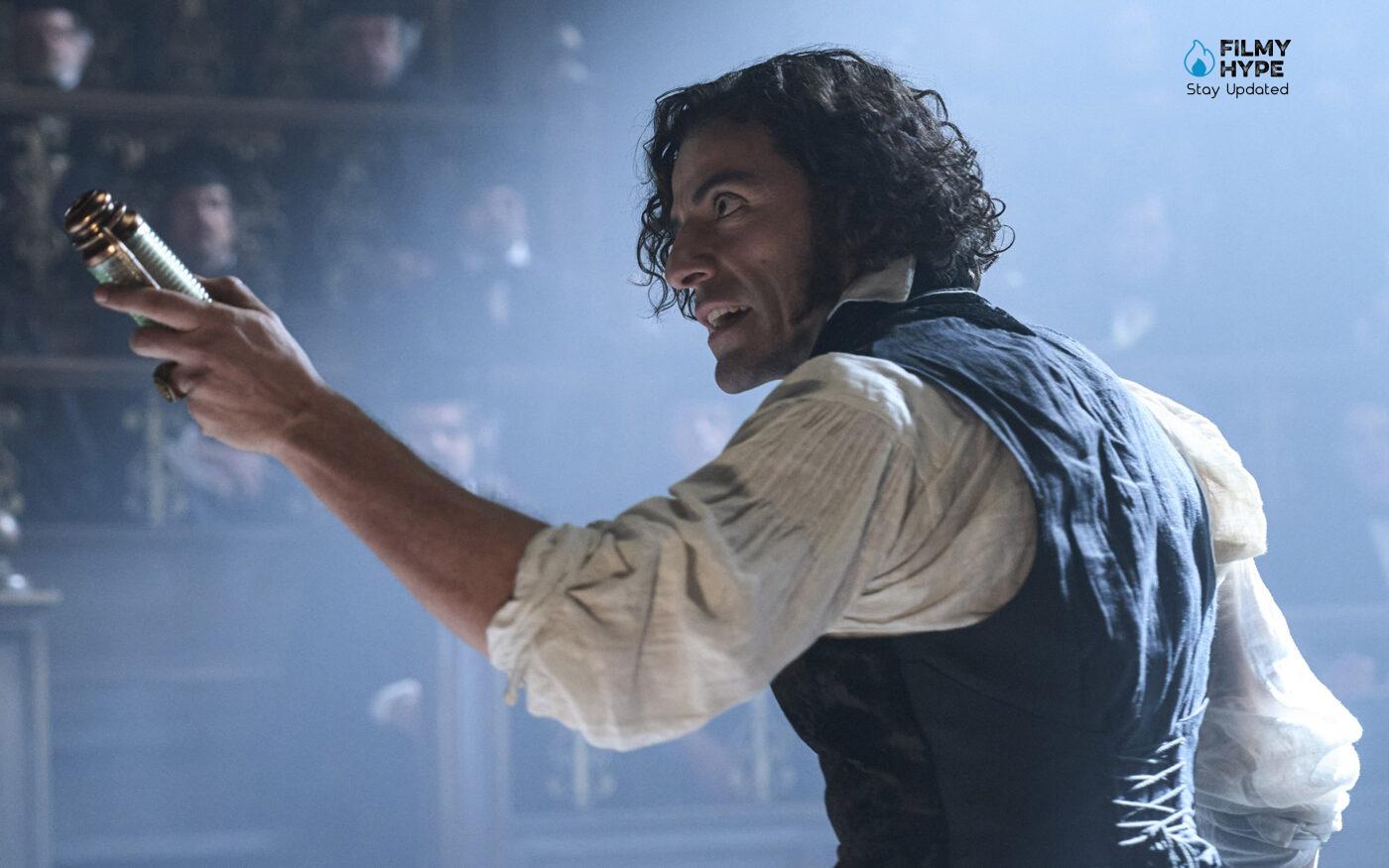
Inspired by Mary Shelley’s novel, written between 1816 and 1817, when she was only 19 years old. “There are stories I’ve always dreamed of bringing to the big screen, one era Pinocchio and the other Frankenstein”. This was revealed by Del Toro himself during the press conference to present the film in Venice, which is fighting for the victory of the Golden Lion. And he has dreamy eyes as he says it, as he tells the behind-the-scenes story of what, for him, seems to be the most personal film of all. But what is Guillermo Del Toro’s highly anticipated “Frankenstein” like, which will arrive on November 7th on Netflix and in some selected cinemas? As immense as the love poured by the director on this work is, his choice to make an “analog” film where the use of computer graphics is reduced to a minimum – a novelty for today’s times – this feature film, unfortunately, it is not a masterpiece, much less Del Toro’s best film.
Frankenstein Film Review (Guillermo del Toro): The Story Plot
The plot starts from an unusual point: the story, in fact, takes place about forty years after the presumed death of the creature among the Arctic ice. This is where Dr Pretorius, a scientist and patron obsessed with the work of Victor Frankenstein, comes in. Pretorius embarks on a mission to find the creature and continue, in his own way, the legacy of the celebrated scientist, pushing history towards a reflection on memory, obsession, and repetition of the sins of the past. The film is therefore configured as a sort of spiritual sequel to the novel, while remaining faithful to the thematic heart of the original work. It is no coincidence that del Toro explained that his goal is not to reconstruct the plot known to everyone, but to explore the intimate drama that arises from the relationship between two condemned beings, one from his own hubris and the other from his own appearance.
Frankenstein Film Review and Analysis
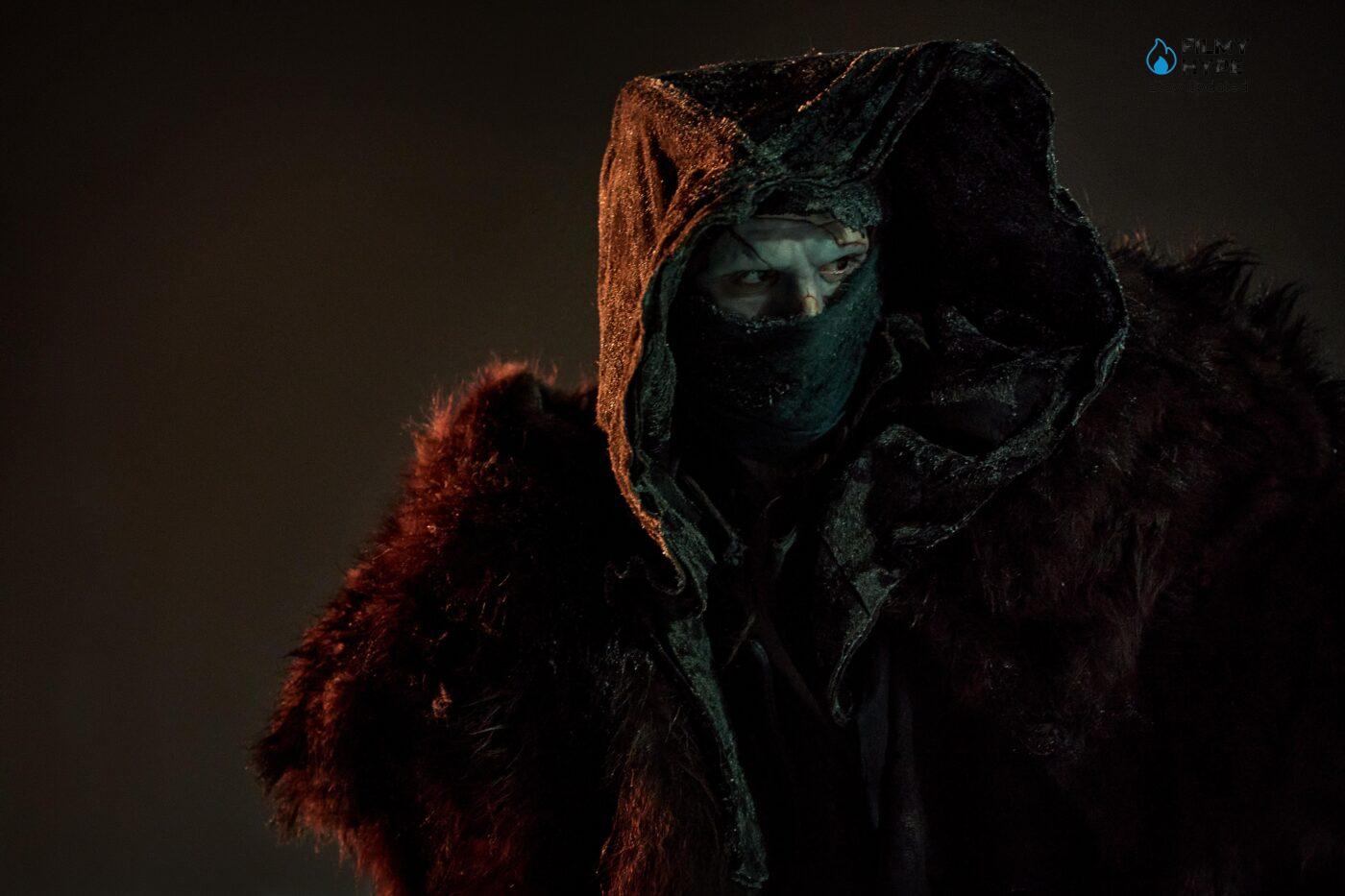
One of the most powerful elements of this version is the reversal of moral roles: Victor Frankenstein, played with bravado and darkness by Oscar Isaac, is a man devoured by pain and pride, capable of cruel and childish gestures, while the creature, to which Jacob Elordi lends surprising humanity, embodies innocence and curiosity. Del Toro does not look for justifications for Victor; he shows his trauma (the death of his mother, the abuse of an affective father) but exposes him as a tragic villain, incapable of truly loving what he has created. The creature, on the other hand, is a pure soul, an unwanted but sense-hungry child, destined to carry the burden of rejection on his shoulders. The work on the creature’s design is one of the most daring and poetic gestures in the film. Del Toro completely abandons the classic imagery of stitches, scars, and bolts to create a body that seems carved in marble, smooth and harmonious despite its imperfections.
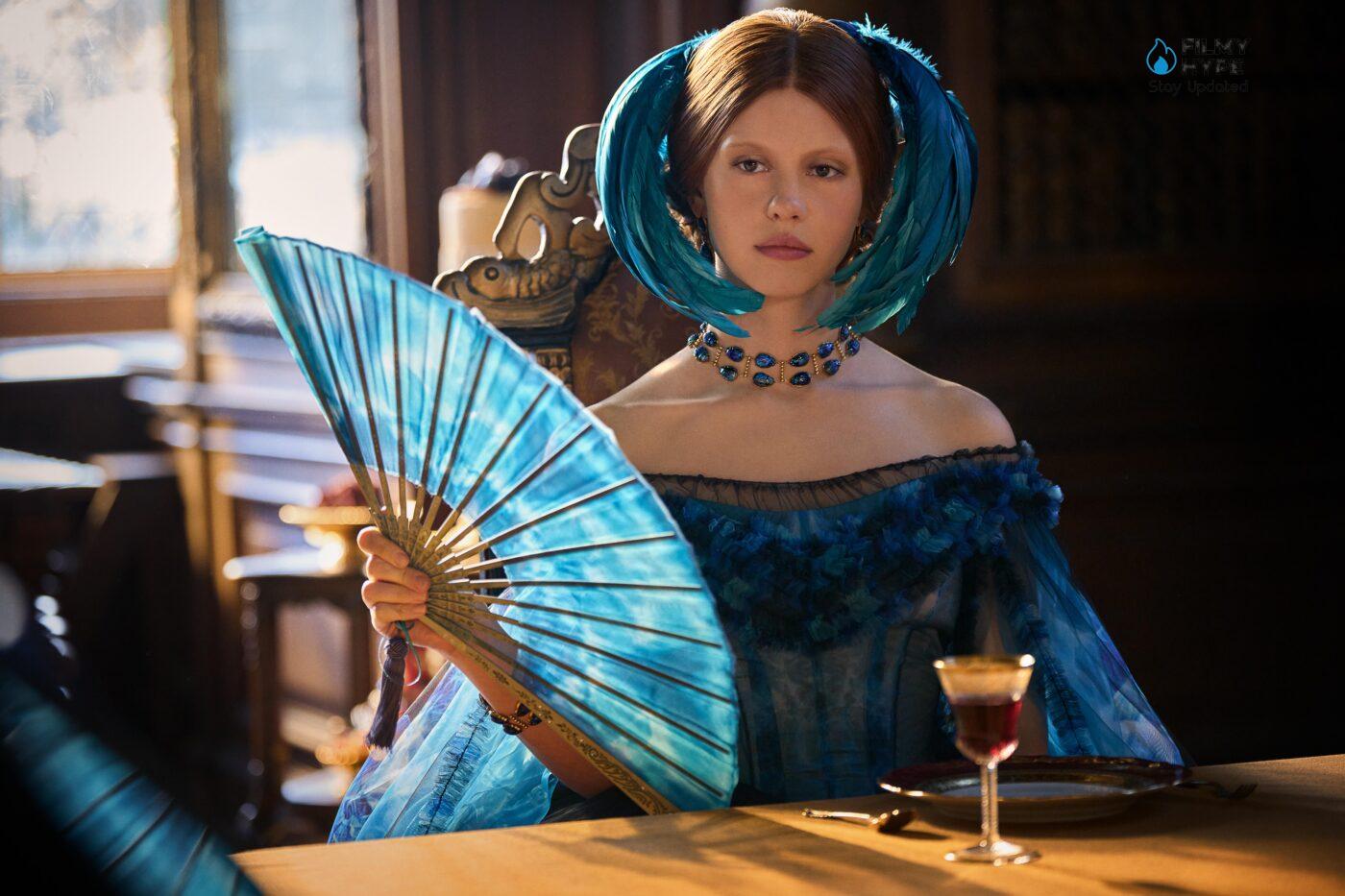
He is a being who bears the marks of creation, but with an elegance that makes him almost supernatural. This aesthetic choice is not just an exercise in style: it underlines the artistic side of Victor, who is not only a scientist but also a demiurge convinced that he could shape absolute beauty. The creature thus becomes a living work of art, a modern Prometheus that carries within itself as much the glory of creation as the condemnation of abandonment. Among the most fascinating characters in the film, there are undoubtedly the female figures. Elizabeth, played by a magnetic Mia Goth, and Victor’s mother are luminous presences in a universe dominated by violence and the male ego. They are colorful angels, wrapped in clothes that elevate them (and at times isolate them) from the rest of the world, bearers of compassion and empathy in a story that talks about loneliness, rejection, and pain. Their appearances are rare but incisive: when they enter the scene, the film is colored with warmer emotional nuances, as if the camera wanted to remind us that, beyond the chaos, there is still room for tenderness (all feminine).
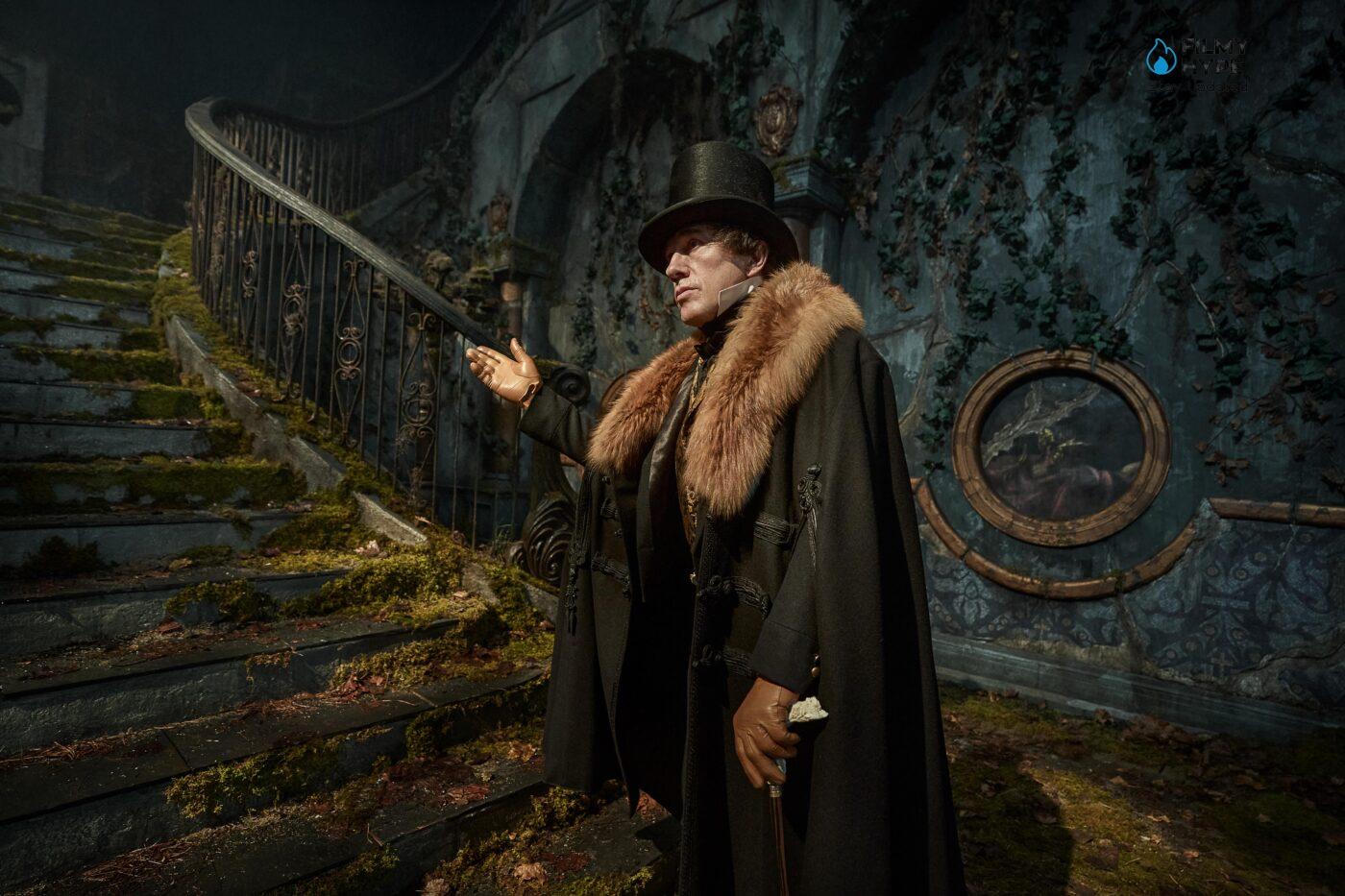
Del Toro treats them with evident reverence, transforming them into symbolic, almost archetypal figures, capable of giving depth and breadth to the narrative. As in all of Del Toro’s works, color is a narrative language. In Frankenstein, red dominates the visual palette: it is the color of blood, life, and death, but also of passion and sacrifice. It insinuates itself into the sets, costumes, and details of the environment, becoming a common thread that combines aesthetics and meaning. Alongside red, the dark and earthy tones create an often cold and hostile world, against which the brighter notes of the female characters and the ethereal tones of the creature stand out. It is a use of color that is never free, but always functional to tell emotions and conflicts, to give psychological depth to the characters, and to transform each shot into a painting.
Despite its hypnotic beauty, the film is not without shadows. Formal opulence, however flawless, sometimes crushes the emotionality of the tale, creating a feeling of distance that prevents the film from vibrating with the same intensity as other works by the director. There are times when the heart seems to step aside, leaving room for perhaps excessive elegance. Even CGI, although used sparingly, shows some uncertainty: the more dynamic sequences –such as the attack of the wolves – appear less refined than the rest of the work, slightly out of tune with the perfection of the visual sector. The cast is one of the film’s great strengths. Oscar Isaac offers a charismatic and disturbing Victor, capable of moving from omnipotence to emotional abyss naturally. Jacob Elordi is surprising: his creation is painful, curious, and tragic, and manages to communicate more with looks than with words. Christoph Waltz, Felix Kammerer, Charles Dance, and David Bradley enrich the painting with solid interpretations (although inevitably not very in-depth), building a credible and multifaceted outline.
Mia Goth, unfortunately, has less space than she deserves: her Elizabeth is magnetic and could have been explored more, but every scene of hers leaves its mark, testifying once again to the talent of an actress capable of hypnotizing the viewer even with just a few lines. Beneath the surface of tragedy and cruelty, Frankenstein is a film about forgiveness. Del Toro reminds us that even in the darkest universes, there is the possibility of accepting, understanding, and, finally, forgiving. This is the beating heart of the story: a path that unites creator and creature, hatred and love, guilt, and redemption. It is not a shouted message, but a whisper that runs through the film and remains with the viewer, transforming a Gothic tragedy into a universal parable. Guillermo del Toro’s Frankenstein is a monumental work, the fruit of an absolute love for myth and cinema. It is a film that enchants in aesthetics and direction and leaves its mark for its ability to reinvent a classic without betraying its soul. But it is also imperfect work, at times sacrificing emotional visceral on the altar of formal perfection. He is perhaps not the most powerful Del Toro, but he is certainly the sincerest: a director who lays bare his obsessions and reminds us how cinema can still be a place of wonder, pain, and, finally, redemption.
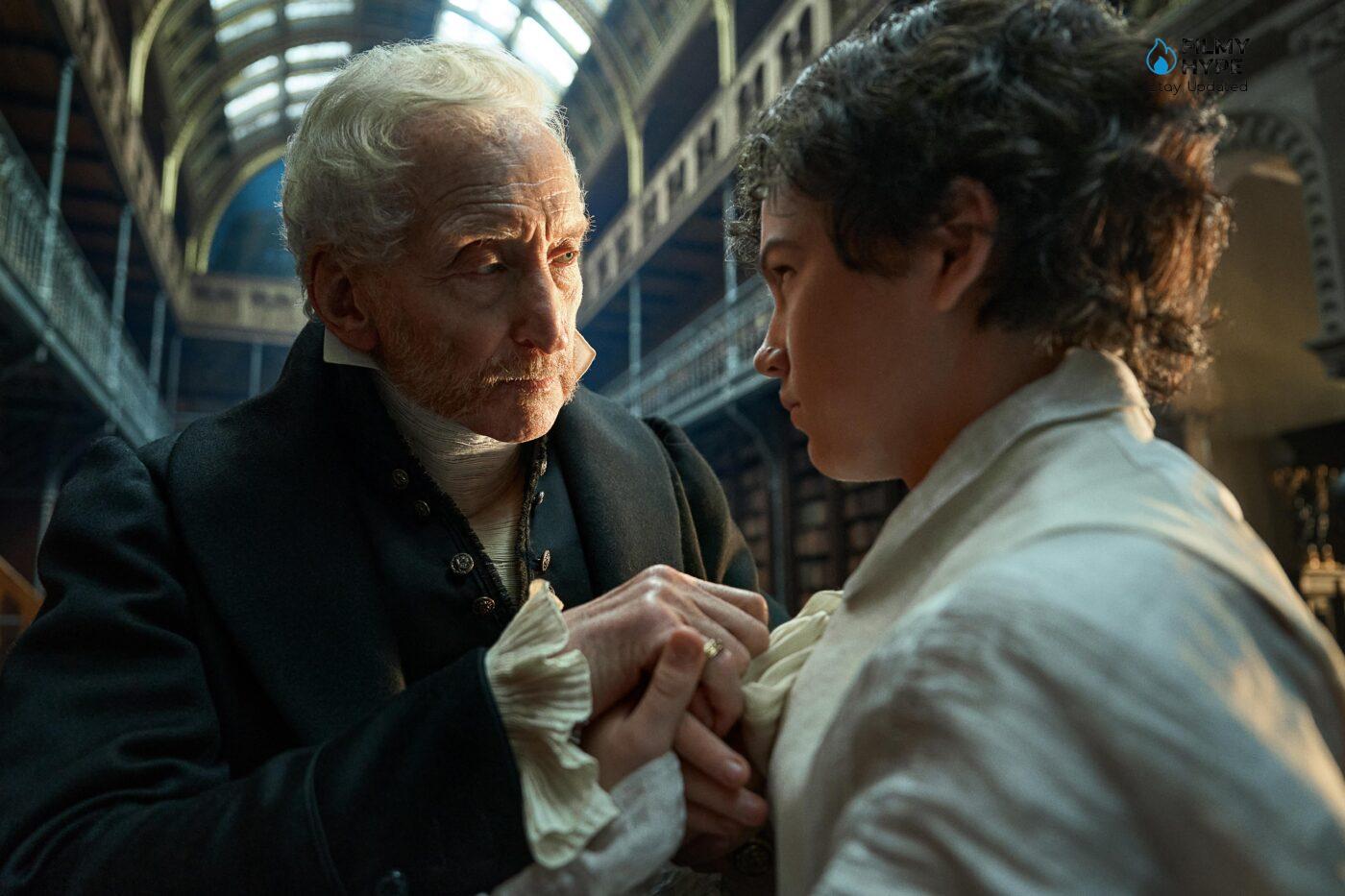
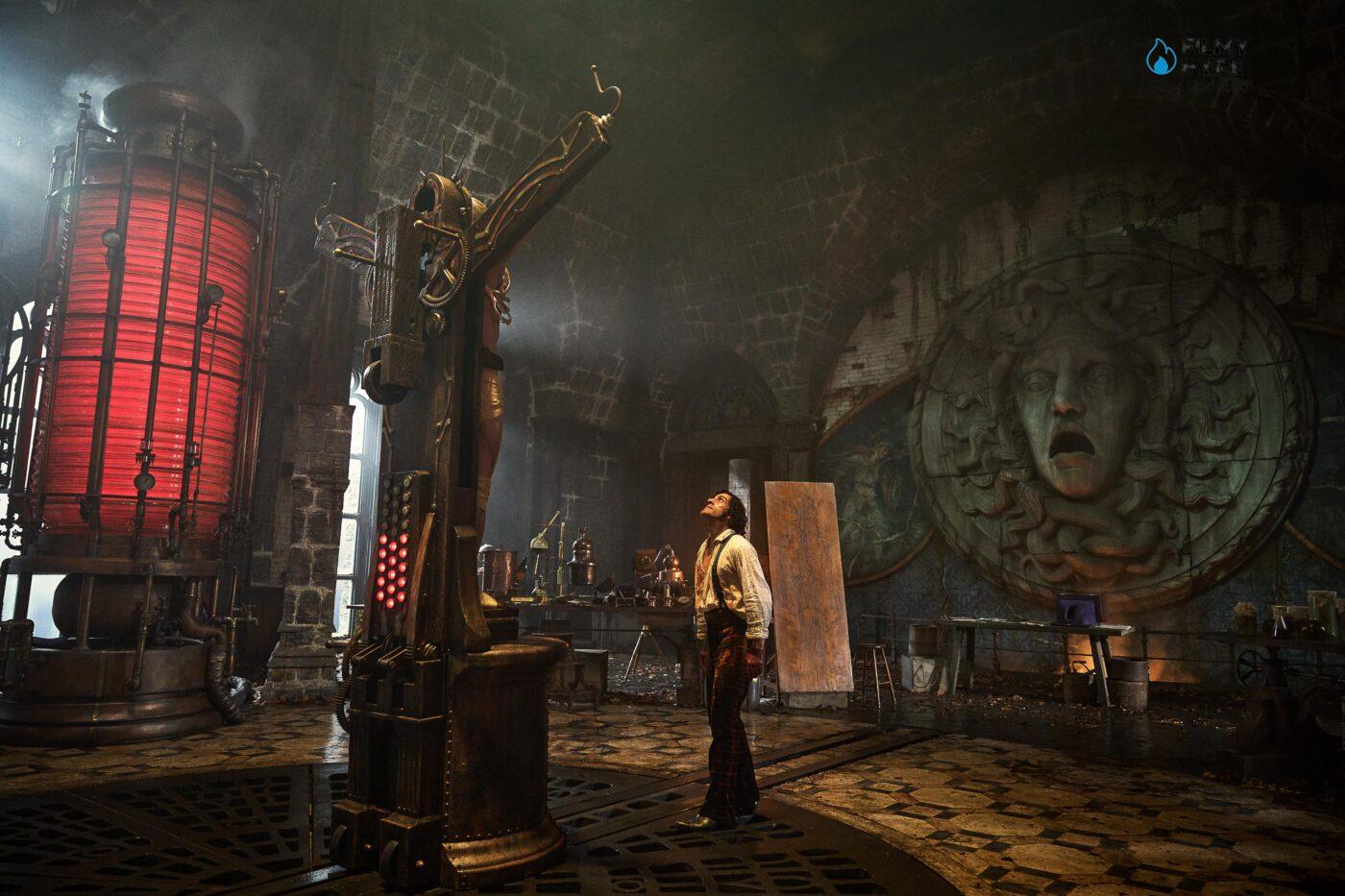
Guillermo del Toro adapts Shelley’s classic rather faithfully, and the salient passages of the narrative, as well as the characters, are those of the novel. The film is divided into three chapters: a prologue, a part in which the events are told by Victor, and another in which the point of view and the narrative voice are those of the creature. In the first part, we witness the story of Victor’s childhood, with the death of his mother, which profoundly affected him, to the point of ardently wanting to find a way to defeat death, to “make fun of it”. And it is also for this reason that Victor –a brilliant, crazy, and ambitious scientist – decides to give life to the creature. The stages of the creation of the creature, assembled from the bodies of death row inmates and soldiers who fell in war, I’m a visual jubilation, among truly impressive sets and props.
But it’s the whole film that has a strong impact, even at the level of photography and colors. In this aesthetic guise that is very close to perfection, only the use of CG, which is not always up to par, is out of place. The second part, the one told from the creature’s point of view, is the one that works best, the one that strikes most on an emotional level, and in which it emerges with greater strength the whole heart of Frankenstein by del Toro. It is here that we get to know closely the soul of the creature, its kindness, and a profound humanity that distances it from the Monster label with which it is identified and which, instead, belongs entirely to its creator. All of this becomes manifest in the village-set part, the one where the creature befriends the character played by David Bradley, by far the most poignant segment of the entire film.
If Oscar Isaac is perfect at bringing his Victor Frankenstein to the stage, the real revelation of the film is Jacob Elordi. The physique du role is not lacking, but what makes Elordi’s interpretation so surprising is the extra emotional load that the actor manages to bring to his character. And if the work on the protagonists, even in terms of character writing, is impeccable, the rendering of the secondary characters is less convincing, above all, the Elizabeth of Mia Goth. Elizabeth is the only one who can see beyond the appearance of the creature, but the bond that is created between the two is barely mentioned. Goth’s stage presence leaves its mark, but on a deep level, the impact falls short. The same goes for the Harlander of Christoph Waltz, a character that one ends up quickly forgetting after his exit from the scene, despite the usual excellent performance of the Austrian actor. Frankenstein, here is the trailer, will arrive at cinemas in Italy on October 22nd, before arriving on Netflix starting from November 7th.
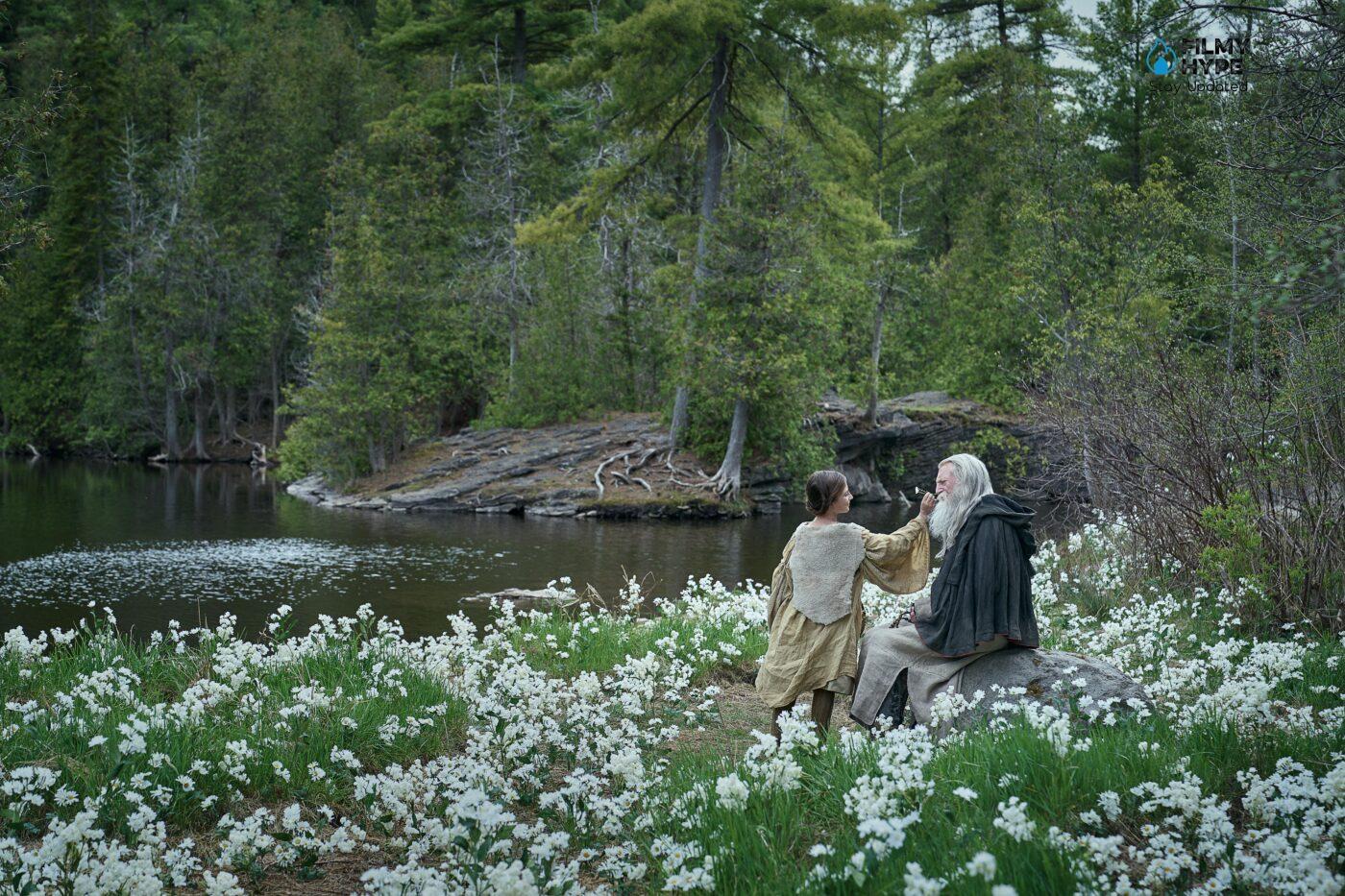
It is said that when you love something too much, you end up being blinded by love, losing that “rationality” that is necessary in life, as well as in art, much more than you might imagine. And that’s exactly what happens to Del Toro, who, in his Frankenstein, seems to have given himself more to his favorite fictional character than to the public. And this, unfortunately, when watching the film, comes. Thus, the result of his latest cinematographic work is a story that, although pleasant, right, and faithful to the original story, cannot overwhelm, does not excite, and is not powerful enough to leave its mark. Although the performances of the main actors are convincing, starting from Oscar Isaac who plays the role of Victor Frankenstein up to Jacob Elordi who completely transforms into the “monstrous” creature of the story, the film overall does not stand out, especially for a script that is too linear and predictable, and poorly researched dialogues.
And it doesn’t help the excessive length of the film – there are 149 minutes in total – nor Del Toro’s choice to divide the story into two parts, where the same story is told from two different perspectives, that of the creator and that of the creature. A choice which, undoubtedly, weighs down the vision. Much was expected from this adaptation of Guillermo Del Toro’s Frankenstein – which adds to the almost forty films based on Mary Shelley’s novel – perhaps too much was expected, and as often happens in these cases, disappointment is almost inevitable. Not everything should be thrown into Del Toro’s Frankenstein, however, also because just the fact that a director of his caliber put his whole soul into the making of this film is a good reason to see and appreciate it, at least with intent. Certain books and stories become part of your DNA. Two of the stories closest to me are Pinocchio and Frankenstein. I wanted to make this film before I even had a camera, before I even knew how to direct.
When I saw Boris Karloff make his mythical appearance [in Universal’s 1931 adaptation of Frankenstein] as a child, it was a mystical moment for me, because it represented everything I knew about the Catholic imagination. I thought: “This is a supernatural thing, and this is me. I am like that. That’s why I feel out of place”. I ended up making the two films pretty much one after the other, during a time when I had lost my father and mother, and I really had to question who I was, because you find yourself no longer anyone’s child. This fact made them both deeper. Was there a need for yet another readjustment of the Mary Shelley story? Like every novel that is adapted, there is always a curiosity behind it and in Frankenstein‘s case attention was focused on the highest level as soon as Guillermo Del Toro was announced as director. 13 minutes of standing ovation in Venice are an end in themselves, numbers that can mean everything or nothing, yet when you watch Netflix’s product, all we have to do is say “chapeau!”. And in this review, we tell you why Del Toro’s Frankenstein is one of the most interesting films of this Venice Film Festival.
Del Toro’s film does not intend to slavishly repeat the Gothic work in detail: it takes its freedoms and does so starting from world-building: a world characterized by the Gothic style, almost as if it were a fairy tale, with a pinch of cyberpunk and some references to the recent Death Stranding. It is a wonderful fresco that was worked by the Mexican filmmaker, who completely abandons the dark tones that have been seen in previous adaptations and impresses with the monumental scenography, rich in visual details, in which the shots are illuminated by the energy released by the shadows and characters. The story narrated starts in media res, but decides to exploit the division into chapters (or points of view) to describe which men and monsters are the actors of the events: Victor Frankenstein is not a mad scientist, but a man who deeply believes in science and challenges the system, trying to create the perfect man immune to death, touching limits that no human being has reached. His counterpart, his son, the creature, is the result of a broken soul.
A little’ like Pinocchio of 2023, creation does not happen with love, but via the darkest feelings of the human being: anger, obsession, despair. The modern Adam stands in a hopeless world, where greed and ambition devour the last remaining shreds of humanity. If you watch my films up to The Fair of Illusions, there are very well-defined villains and heroes. Like all tyrants, Victor believes himself to be a victim. He who is a tyrant loves to feel like a victim: “poor me”, and in the meantime destroys everyone’s life. This is Victor. But everyone in the film has a weakness and a lack. I love this look. Everyone needs love, because it’s the only answer, right? I think it’s a very tender film. For me, it is a melodrama and a drama. I don’t see it as a horror movie. Del Toro manages to take the imagery born from the pen of Mary Shelley to configure an intense, multi-layered dualism between fathers and sons, creator and creature, man and dogma, life and death. The result? A reworking of the Gothic myth that promises to cheer the eyes of the spectator and at the same time take up the figure of the creature in a more intimate way, in search of a purpose in his own existence, destined not to die and suffer for the sins of his father.
Frankenstein Film Review: The Last Words
The Frankenstein by Guillermo Del Toro is not a simple revisitation, but a poetic and visually sumptuous reinvention of the myth of Mary Shelley. The Mexican director manages to blend his gothic imagery with a contemporary sensibility, transforming the creature into a symbol of loneliness, pain, and the search for meaning. It is a work that speaks of fathers and sons, of science and spirituality, of creation and abandonment. A film that does not try to reply, but to question, and which manages to give new life to a story that now seems crystallized. An adaptation that was not only necessary, but which also turns out to be profoundly human. Guillermo del Toro’s Frankenstein is a lavish and personal work, paying homage to the myth of Mary Shelley with impeccable aesthetics and a profound interpretation of her universal themes. Between extraordinary sets, an innovative design of the creature, and intense interpretations, the film manages to excite and surprise, albeit with some narrative coldness and some technical flaws. It is a story of pain, rejection, and redemption, which, although not the best Del Toro ever, confirms the director’s ability to transform Gothic into visual poetry.
Cast: Oscar Isaac, Jacob Elordi, Christoph Waltz, Mia Goth, Felix Kammerer, Charles Dance, David Bradley, Lars Mikkelsen, Christian Convery
Directed: Guillermo del Toro
Where We Watched: At the Venice Film Festival 2025
Filmyhype.com Ratings: 4.5/5 (four and a half stars)







One Comment