Foundation Season 3 Review: Apple TV+ Gives Us Another Season of the Highest Level!
Foundation Season 3 Review: Foundation returns to Apple TV+ with a third season that confirms the high quality of David S’s creation. Goyer, capable of adapting a 90-load like Isaac Asimov’s complex and titanic sci-fi saga, and creating a TV series of great artistic caliber, current affairs, depth, while taking the risk of considerable freedom. The final result is another 9 episodes of great depth, another memorable season. Since season one, Foundation has made headlines because it immediately distanced itself from the substantial and complex source material, namely Isaac Asimov’s literary cycle, to give life to something equally fascinating. At the same time, it stood out perhaps as the best sci-fi series on Apple TV+ for its aesthetic refinement and narrative complexity in building the world it was going to create. A universe that did not please viewers, but forced them to remain vigilant while watching.
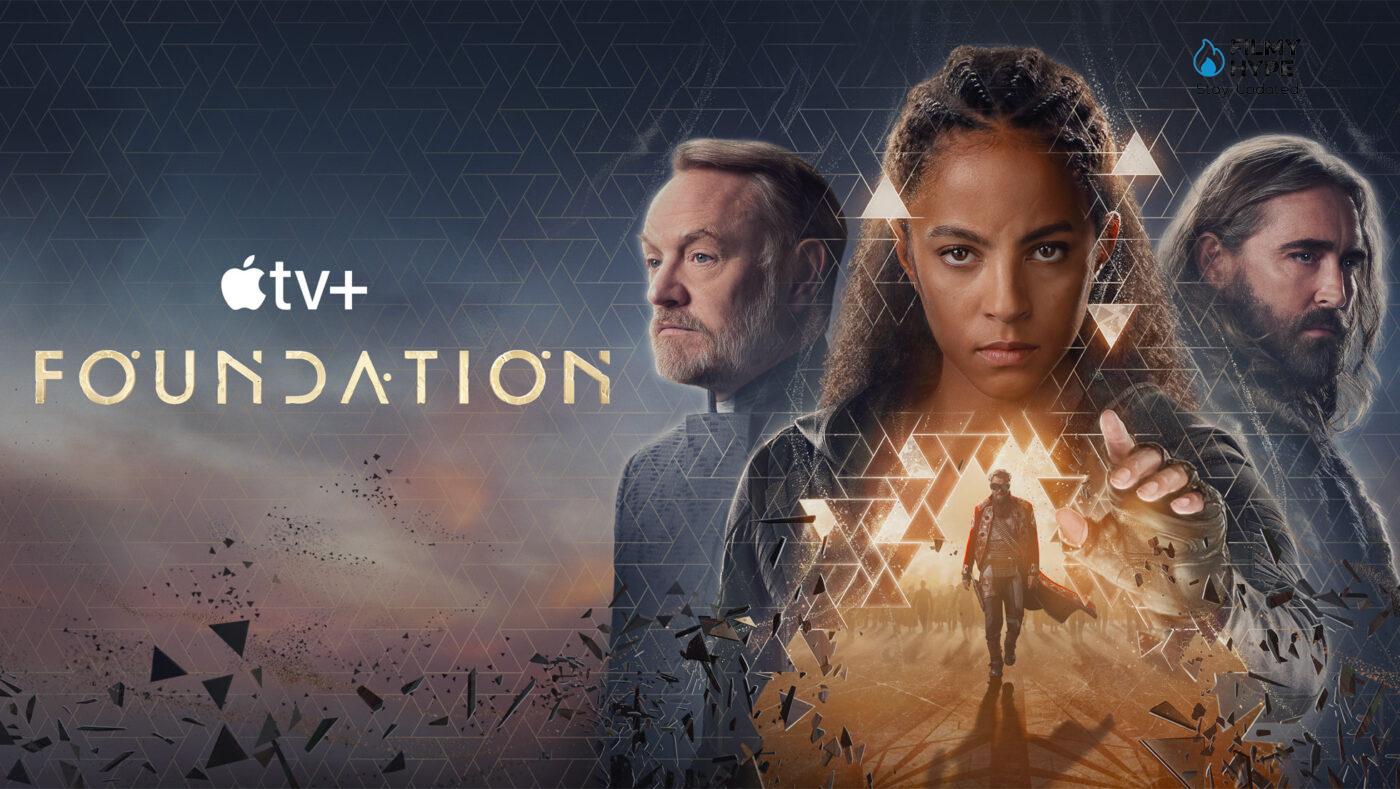
If the formula has operated fully satisfactorily for two seasons, why change it? The answer is quite obvious: to avoid repeating yourself and boring the audience. E Foundation Season 3 does just that – propose new solutions, especially on a narrative level, inside an aesthetic package already consolidated. The result is again appreciable, above all because continuity with the past has been reiterated in an intelligent and not obvious way. With season three, Foundation confirms that it is one of the most ambitious and complex productions ever created in the sci-fi field. The series Apple TV+, taken from Isaac Asimov’s masterpiece, continues its journey through time jumps, declining empires, and mathematical predictions, intertwining philosophical reflections and galactic conflicts with surprising emotional depth. The result is a visually extraordinary season, full of ideas and thematically powerful, which, however, does not give up a certain amount of narrative disorientation.
Foundation Season 3 Review: The Story Plot
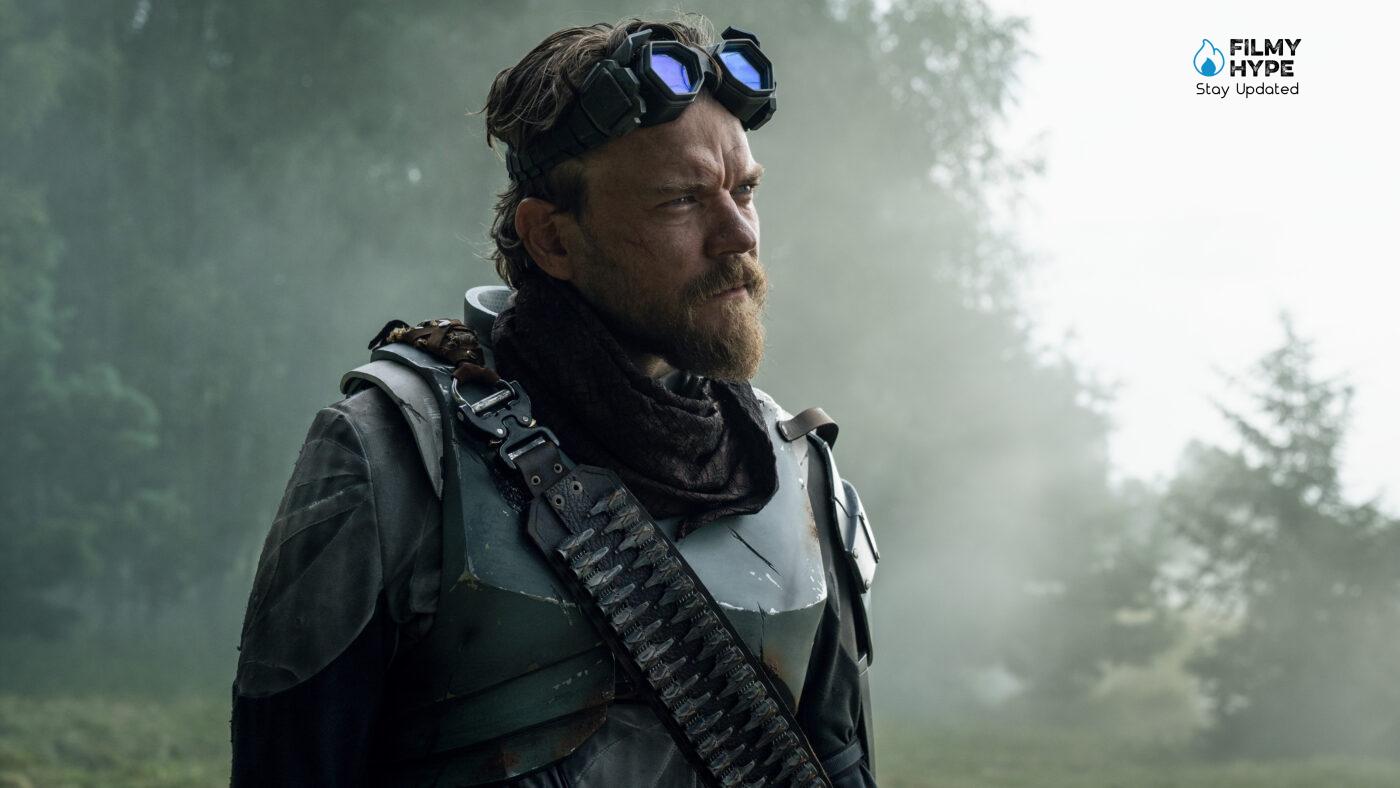
Foundation Season 3 starts the battle again, with a third season that consolidates the desire on Goyer’s part, to create a product that is faithful to all the semantics and all the thematic aspects of Asimov, but that suggests the evolution of the narrative point of view in a different way, when necessary and possible. Interestingly, the true element of novelty is the Stavolta, the Mulo (Pilou Asbækm, who we remember in “Game of Thrones”), the villain mutant telepathic, which is confirmed to be a cattivo among the saddest, most dangerous, and best-conceived of the small screens that have recently been gifted to it. Merit’s screenplay, created by Goyer, also by Jane Espenson, Caitlin Parrish, and Eric Carrasco, has come to given enough space to each character, as I lost a thousand stories behind my back, while assembling a plot in which I joined our modern society, but do not become a limit. Gaal Dornick (Lou Llobell) acquires greater centrality, Toran (Cody Fern) and Bayta (Synnøve Karlsen) become one of a kind of content creators, who end up in the middle of the storm in this. This may have cost Jared Harris’ Harry Sheldon something, certainly one of the most sophisticated and complex characters that the sci-fi genre has given in the last few years. So many times, old and new, within this future where the destiny of humanity is always in stall, always in doubt.
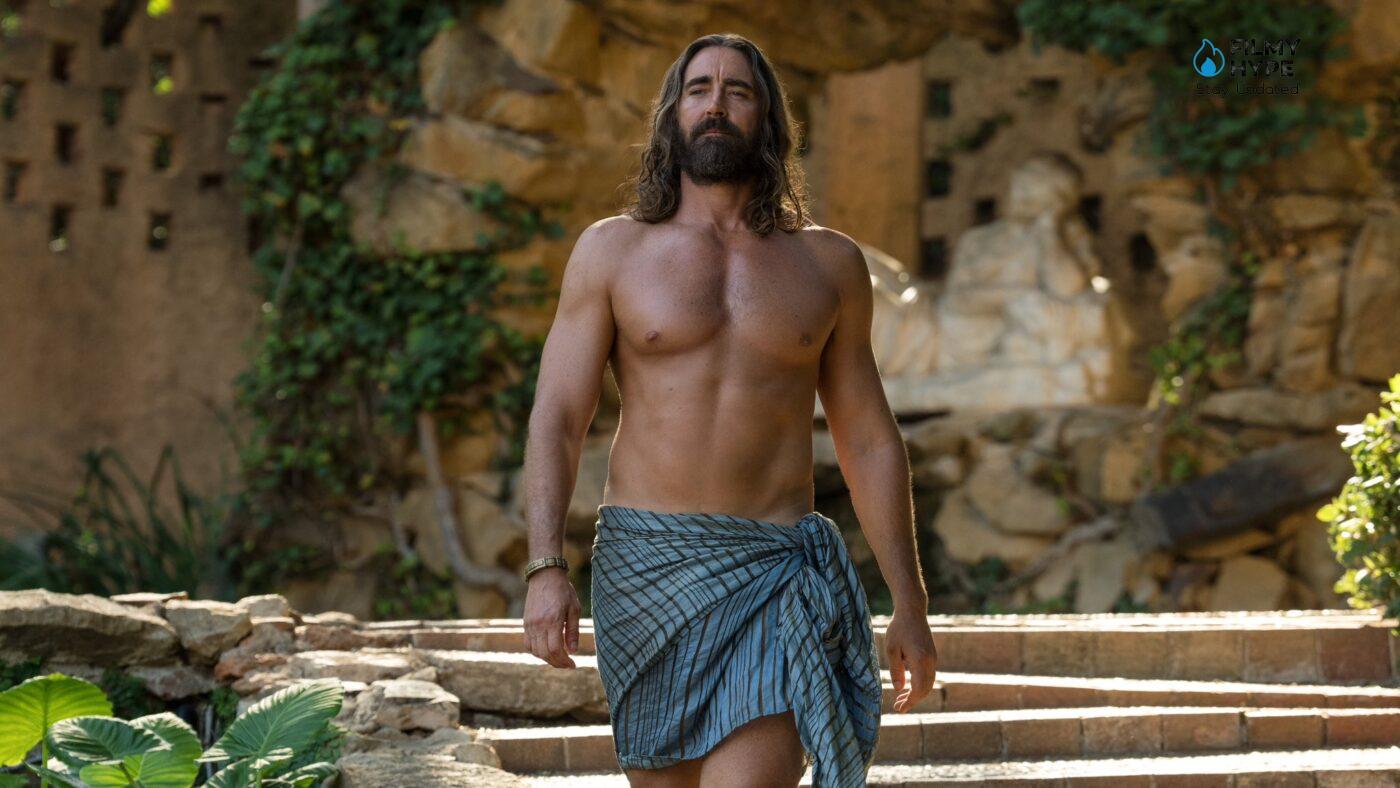
One cannot talk about this new season of “Foundation” without praising the script, which brings within it a dimension of intense period drama, following what happens to three clones of the imperials, the Fratello Alba (Cassian Bilton) the betrayer, the confused and finally the traitor, the Fratello Tramonto (Terrence Mann), symbol of a moral ambiguity that becomes ever more profound, and above all him: Fratello Giorno (Lee Pace). Incredible his metamorphosis in this third season, his attitude is anarchic and post-formal, almost that of a hippie, in perfect contrast with the monarch, elegant, violent, and unpredictable that we had known in the past. But each of them is not capable of plotting, of being a chaotic variable within a universe in which the political dimension dominates all the others, where ultimately each of them discovers their card, finding a way, a way within a world, double-entendre, and much more. More importantly, “Foundation” is not smart, but some of the characters, like Han Pritcher (Brandon P. Bell), Song (Yootha Wong-Loi-Sing), Quent (Cherry Jones), Demerzel (Laura Byrne), or Preem Palver (Troy Kotsur) go beyond a purely Manichean vision, making each a mixture of light and shadow, intriguing. It is not a season that is steeper in depth, but simply declines with greater balance and greater progression.
Foundation Season 3 Review and Analysis
Keeping many threads, characters, plots, and events together is not easy, so “Foundation Season 3” once again confirms itself as a different series from the ones you usually see. It requires attention, commitment; you can’t hope to skip two episodes and figure something out, no, sir. This is because the characters and events change continuously. After all, “Foundation Season 3” relies on the concept of repetition, cloning, and multiplication as a path towards unpredictability, differentiation, and the unusual. Every character is ready to amaze you, and every event can have very different consequences than you might have thought. In short, it is not a very easy series to follow, but despite the actors’ strike, the fact that Goyer left annoyed by the budget he considered not sufficient, to then retrace its steps, this series, a mix of scifi, fantasy, dystopia, is the best of the genre of the last decade, with very low hands. The quality is also aesthetic, each episode is not inferior in this to a film for the big screen, the photography, the soundtrack, sets, and costumes are of the highest order. Too much grace? Maybe. There are rumors that Apple TV+ is not convinced it wants to continue.
It would be a shame, but we now live in an era where quality is a danger rather than a guarantee. There are rumors that Apple TV+ is not convinced it wants to continue. It would be a shame, but we now live in an era where quality is a danger rather than a guarantee. There are rumors that Apple TV+ is not convinced it wants to continue. It would be a shame, but we now live in an era where quality is a danger rather than a guarantee. “Foundation Season 3“, bringing into it the concept of Psychohistory created by Isaac Asimov at the time, certainly remains a story that can be enjoyed by a minority, something that doesn’t work much in today’s industry. We are 150 years after the events of last season, the Foundation has become more powerful, the Empire is in free fall, and the Mule is a bloody, violent nemesis, the personification of what happens when chaos takes hold of society.
“Foundation Season 3“, however, is a fantasy politic story, yesterday’s enemies become allies of today and tomorrow, there are no ideals but only the need to adapt, but the control is only apparent, it is an illusion, while humanity seems leaning towards total self-destruction, “Foundation Season 3” suggests to us how much the history of man is made up of concentric cycles, how opposing change, even violent, is a terrible idea. Cynicism? Surely, Asimov’s distinctive trait, someone who does not have this optimistic idea of humanity. Perhaps there is a lack of balance in the episodes, of the ability to give the right space to the different arcs in a coherent way, but without a shadow of a doubt this third season is confirmation of how much the series is an anomaly (very welcome) compared to the so-called current standard, which reeks of an artificiality that is at times truly unsustainable. Of the ability to give the right space to the different arcs in a coherent way, but without a shadow of a doubt, this third season is confirmation of how much the series is a (very welcome) anomaly compared to the so-called current standard, which reeks of artificiality at times, truly unsustainable of the ability to give the right space to the different arcs in a coherent way, but without a shadow of a doubt, this third season is confirmation of how much the series is a (very welcome) anomaly compared to the so-called current standard, which reeks of artificiality at times truly unsustainable.
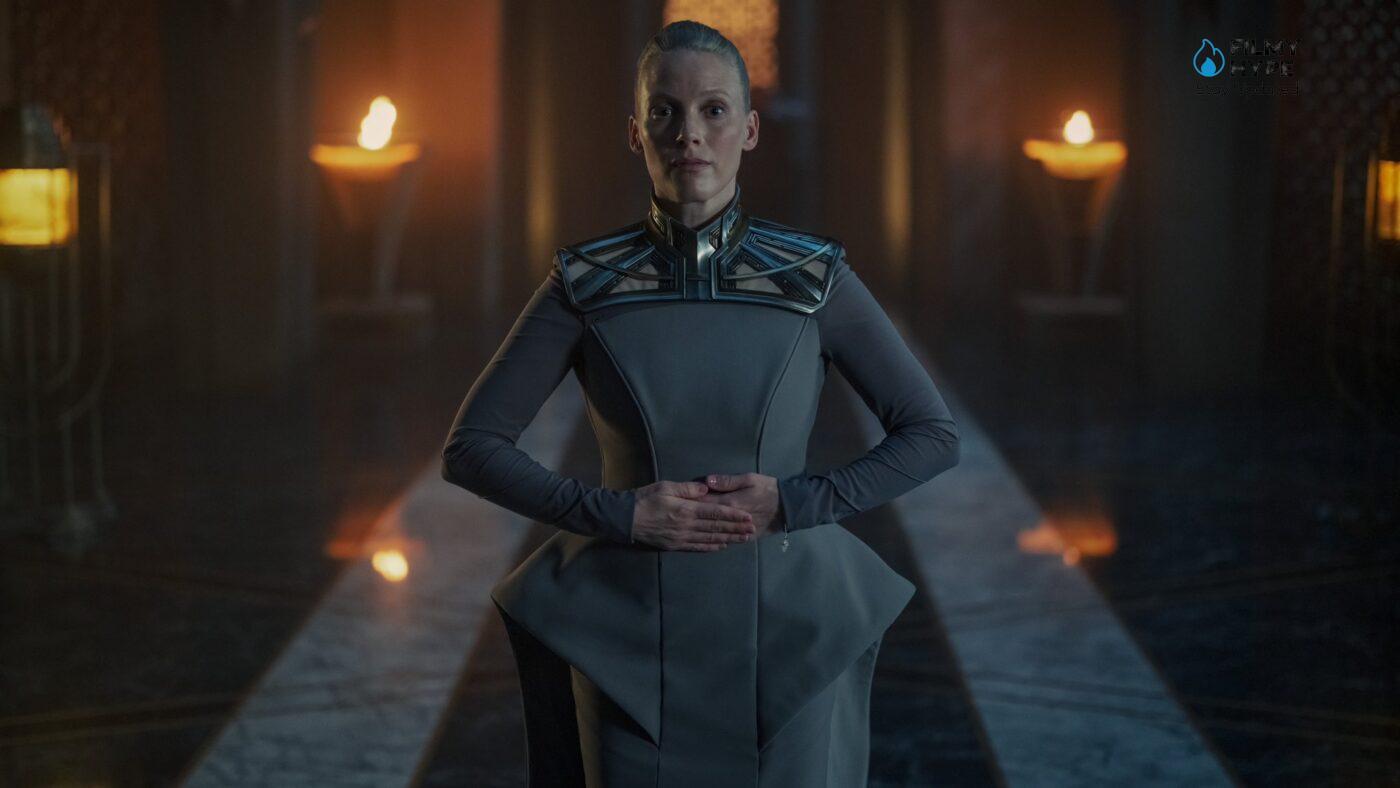
The great antagonist of this season is the Mule, a telepath capable of controlling minds and wiping out entire star fleets with the power of thought alone. Portrayed by Pilou Asbæk, the character has a devastating impact on action, but remains less successful psychologically. In a series where even clone emperors or robots experience complex emotions, the Mule almost seems like a caricatured figure, too “pulp” and not very consistent with the elegance of the general writing. As in previous seasons, the beating heart of the series is represented by the recurring characters. Laura Birn is extraordinary in the role of Demerzel, the robotic advisor of the imperial dynasty, torn between programming obligations and impulses of consciousness. Terrence Mann gives Brother Dusk poignant humanity, while Lee Pace enjoys deconstructing the figure of Brother Day, here crazier and more unpredictable than ever. Gaal Dornick (Lou Llobell) remains the connection point between past and future, embodying the desire to change destiny even when everything seems already written.
One of the stylistic signatures of Foundation is the introduction of new characters with each time jump. This season, Toran and Bayta stand out, a couple of space “influencers” who add a satirical and contemporary touch, and Ambassador Quent, played by a magnetic Cherry Jones. But this constant rotation also comes with a price: the first episodes are tiring, full of explanations, and difficult to follow without a review of the previous seasons. From a technical and artistic point of view, Foundation Season 3 is a marvel. The extraterrestrial settings, costumes, special effects, and photography transport the viewer into a very distant but vivid future. Each planet has its own precise visual identity, and each civilization is built with philological attention. The narrative universe is dense, cerebral, and deliberately difficult, but precisely because of this, it is stimulating. Foundation Season 3 is not a series for everyone: it requires attention, memory, emotional involvement, and willingness to get lost in complex plots. But for those who take on the challenge, this season is a step further in building a sci-fi epic that is unparalleled by contemporary TV. Despite some less successful characters and the initial fragmentation, the journey is worth it.
Now in its third chapter, Foundation, he knows how to renew himself admirably, placing at the center of the narrative the epic deeds of a handful of exiles fighting to save humanity from an almost certain end. The fearsome enemy, briefly announced in previous seasons, is “the Mule”, a ruthless, evil, and cruel warlord: an all-around villain, directly from the outskirts of the empire. Nothing will be the same as before, not even the future. We start again, three years after the second season; in between, there were the strike of the Hollywood actress and actor union, budget problems, and a change of showrunner. The journey resumes a century and a half after the events narrated previously; the protagonists are, once again, a small group of characters capable, in different ways, of challenging time.
Whether cloning or otherwise, the result is the same: overcoming the limits of the body, whether human or robotic. So Hari Seldon (Jared Harris), Demerzel (Laura Bins), Gaal Dornick (Lou Llobell), and Emperor Cleon return, expressed as always in Brother Day (Lee Pace), Brother Dawn (Cassian Bilton), and Sunset (Terrence Mann). An original idea from creator (and no longer showrunner) David S. Goyer, which allows you to fluctuate between the differences, large and small, that may exist in the same individual, although potentially infinitely replicable. It is precisely the rotation of the clones and the contemporary existence of three different eras of the emperor’s life that are some of the most intriguing aspects of the series, capable of giving more usability to the story, where Asimov’s work was instead, mainly, a long theory of social and psychological reflections. Showing the background of betrayals and revenge that spread through the palaces of power is a winning choice because it is capable of capturing the spectator, always fond of secrets and human weaknesses. Let’s not forget that also in the television adaptation, Foundation, it brought with it its being a narrative of a war between ideologies.
However, the balance and preservation of complex social systems such as a galactic empire can no longer be guaranteed by the sole certainty that man is in charge, even if Demerzel’s centuries-old and powerful wisdom is at his side. The time of maximum unpredictability has come, therefore, and the very violent irruption of the Mule (Pilou Asbæk) is proof of this. With his entry, we also witness a renewed polarization, which was already present in the series but until now had been more nuanced, between good and evil, making this last season closer to another typical sci-fi saga, Star Wars. If in the second season the main plot had less tension and momentum, while the stories of the individual characters were always interesting, the third can be based on the extensive work of worldbuilding of the previous ones to appear more oiled in the choral story, and for the first time raise the stakes by bringing it to an apocalyptic dimension that calls into question the concept of the future and the status quo. And now nothing and no one can say they are safe.
Third season of Foundation, again on a narrative level, results in an evident concentration of the history around development that concerns the comparison between the pirate played by Asbæk and the new alliance represented by the Empire and by Gaal Dornick (Lou Llobell). Upcoming episodes contain fewer characters, fewer stories to lead to the season finale, and consequently, a rhythm more pressing. A change of direction that probably brings the series to those conventions that in the past he had dared to challenge with its previously smooth progress, but at the same time it demonstrates the precise will of creators Josh Friedman and David S. Goyer to try something perhaps not new, but at least different from the past. As for the cast performances, Jared Harris confirms his innate elegance once again as an actor while Lee Pace continues to have a lot of fun constantly going over the top with Brother’s character Day. The real showman of Season 3 Foundation is but the “new entry” Pilou Asbæk, who builds a histrionic but also enigmatic villain, a figure who knows how to properly hide his cards.
The actor, of course he explains the tightrope walking side of his role but also knows how to hold back effectively in small, quick moments when you ask yourself what The Muel is trying or thinking, and that makes it subtly intriguing while remaining explicitly within its “type fixed”. Among the new cast members, Cody Fern deserves mention in the role of Toran Mallow: his stage presence certainly does not remain unnoticed. If we want, this new season of Foundation proves more conventional than the first two, but this does not prevent it from confirming the key strengths of the whole production. First of all, as already written, it continues to be a show for the eyes, to be enjoyed calmly and precisely, an advantage not to be underestimated. Secondly, the plot is well organized, effective in the rhythm of the story, and full of emotionally important moments. What else to ask of a third season if not the strength to remain at the level of those that preceded it? How many science fiction series have succeeded in the past? Foundation continues to be a guarantee, perhaps no longer as original as at the beginning, but equally powerful to enjoy in binge-watching.
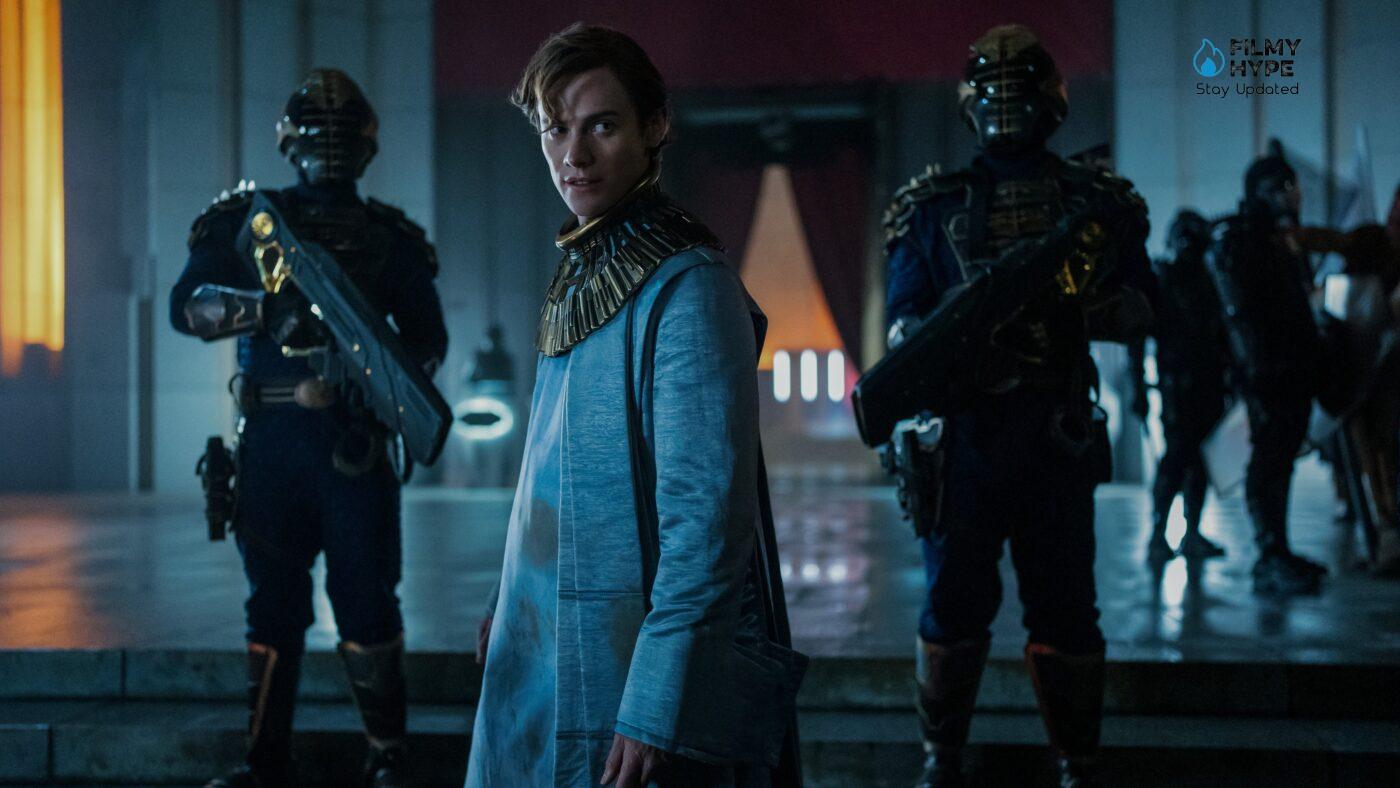
What surprises – or confirms, once again, of is Foundation’s worldbuilding. Incredible for the eyes, magnificent, magnetic, it uses narrative changes to implement them on a visual level too. The direction she becomes almost more intimate and syncopated. As well as the assembly, to best convey the sudden evolution between the Second and Third Crises. The photography iridescent also represents the reversal of the dynamics that totally affect this third chapter and its protagonists. However, we are equally astonished by the world told. The more we know it, perhaps the less we understand it. The more we are fascinated by it, the more we want to capture another glimpse of it. So as not to let the purest and most all-encompassing science fiction currently on TV die.
Foundation Season 3 Review: The Last Words
Foundation Season 3 is a monumental work of science fiction, which does not seek compromise. It pushes the narrative beyond the limits of time and space, offering a grand but demanding vision. Historical figures remain the strong point, while the new villain is less incisive. Visually flawless, conceptually bold, it remains one of the most ambitious and refined series in the Apple TV+ catalogue. For the characters, hit by the new arrival, The Mule, is ready to upset everyone’s destinies. For Hari and Gaal, who had failed to predict it. For the music, more preponderant because it is inserted in the dramaturgical context. For world building, always breathtaking but also changing by the new narrative lines. A season that turns the tables and brings us once again into the loop created first by Asimov and then by Goyer.