
Eko Movie Review: When a Slow-Burn Mystery Hooked Viewers?
Eko Movie Review: In the dense, mist-laden forests of cinematic storytelling, few director-writer duos have carved as distinctive a niche as Dinjiith Ayyathan and Bahul Ramesh. Celebrated for their layered, patient approach to mystery, they built a reputation on a simple, powerful principle: the audience discovers the truth only when the characters do. This deliberate, controlled revelation of information—holding back the aces until the final act—catapulted Kishkindha Kaandam (2024) to critical acclaim and served Kerala Crime Files Season 2 (2025) reasonably well. It is a style that demands trust, patience, and a deep engagement from the viewer. However, with their latest cinematic venture, the atmospheric thriller “Eko,” this meticulously crafted methodology faces its greatest test. The result is a film that, while brimming with potential and thematic ambition, ultimately sees its intriguing spark fizzle under the weight of its own narrative restraint.

Its tagline, ‘Infinite Chronicles of Kuriachan,’ is a promise the film keeps. This is a deep dive into the unspoken stories of its central enigma, Kuriachan. From the very first frame, the film poses a haunting question: Who is Kuriachan? The audience becomes a seeker alongside the characters—the faithful, the vengeful, those drawn to his flame, and those who feel burned by it. He is a man defined not by his own testimony, but by the judgments, needs, and projections of others. Is he a hero or a villain? The film wisely, brilliantly, refuses to settle the case. Bahul Ramesh, a screenwriter who delights in ambiguity and layered reveals, has crafted a narrative where the brilliance lies in the telling itself. The story unfolds in its own time, through scenes that land with quiet impact, meticulously shaped by director Dinjith Ayyathan’s vision. The director presents a world lushly irrigated with meaning—a vast, interconnected ecosystem of nature, humanity, and animal instinct.
Eko Movie Review Story Plot
Set against the hauntingly beautiful and isolating backdrop of a remote hill station, Eko presents a compelling chase narrative. At its centre is the elusive Kuriachan, portrayed with magnetic, quiet intensity by the ever-reliable Saurabh Sachdeva. The film masterfully establishes him as a man shrouded in shadows; even his wife possesses only fragmented knowledge of his past and present. Hunting for him is a disparate group: two determined middle-aged adults, a band of Naxalites operating with their own clandestine agenda, and another key figure whose identity is best left uncovered on screen. From the outset, Ayyathan and Ramesh make it clear that Kuriachan is no innocent pilgrim. His past is potentially unruly, his nature ambiguous, and the reasons for this multi-party pursuit are tantalizingly obscured. These opening acts successfully cultivate an aura of high-stakes mystery, promising a deep dive into the psyche of a fugitive and the motives of those on his trail.
Eko Film Review and Analysis: The “Animal Trilogy” and a Core of Canine Loyalty
Where Eko truly shines—and reveals Bahul Ramesh’s continued thematic fascination—is in its poignant exploration of loyalty, marking it as the next chapter in his informal “Animal Trilogy.” The film’s soul is often expressed not through its human characters, but through its canine counterparts. In one of the film’s most memorable and expertly crafted sequences, a pack of dogs encircles a stranger, their coordinated growls and piercing stares forming a living, breathing barrier. This is not mere aggression; it’s a sophisticated system of protection. This powerful visual metaphor lays the groundwork for the film’s central, haunting question: When does the instinct to protect someone you love cross the line into restrictive possession, and ultimately, destruction?
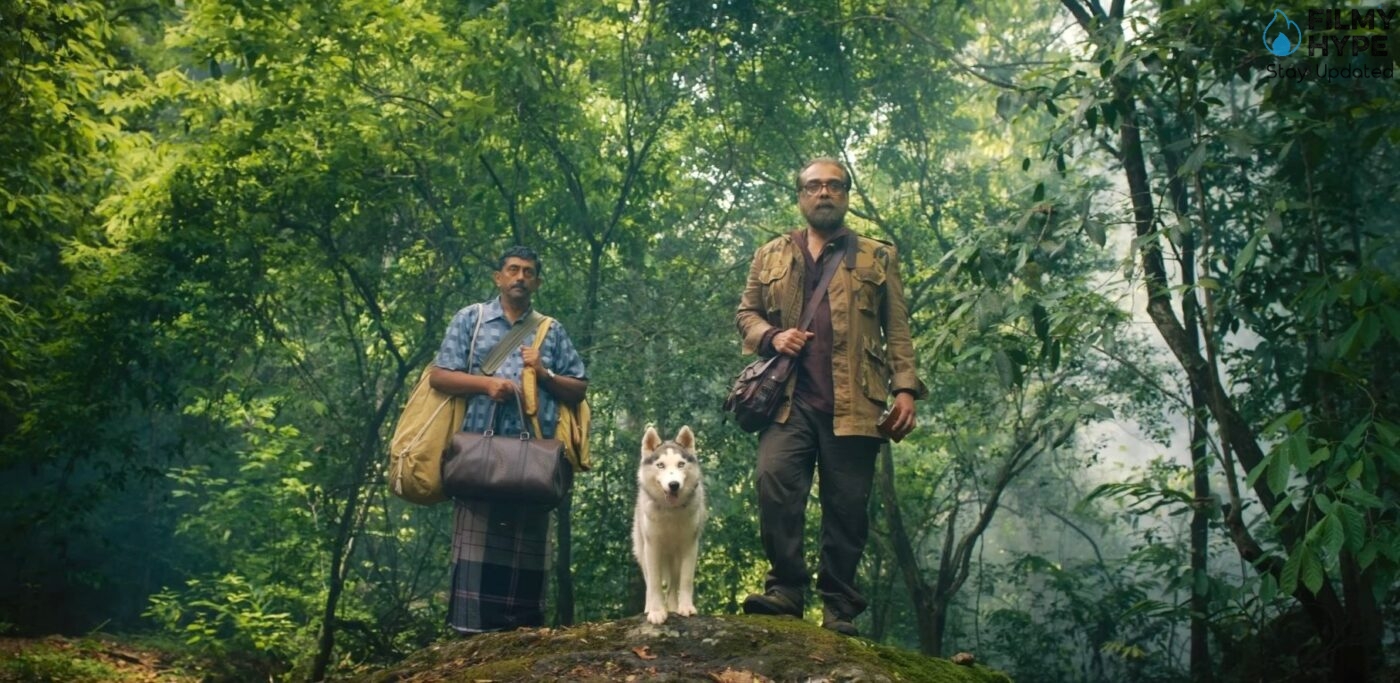
The premise is undeniably intriguing. It seeks to intertwine a human mystery with a primal, thematic exploration of devotion—a loyal dog’s unwavering vigilance mirrored in the flawed, complex loyalties between people. The setup is a cinematic promise of depth, suggesting a story where the hunt for a man parallels a deeper inquiry into the chains of allegiance that bind us. Eko is a film rich with layers, and at its heart beats the powerful metaphor of the Telomian dog—a Malaysian breed known for its intelligence, loyalty, and wild spirit. These are not the pampered pets of suburbia; they are coarse, rugged animals, a salt-of-the-earth yet fiercely intelligent species. Their presence throughout the film is a constant, silent commentary. The relationship between dogs and humans becomes a mirror for all relationships of power and devotion.
The Mechanics of Misdirection: Where the Narrative Loses Its Way
However, the fatal flaw of Eko lies not in its story, but in the very mechanics of its storytelling. The slow-burn technique, when executed with precision, creates unbearable tension and profound payoff. Here, it often feels like an exercise in narrative digression. The initial fascination begins to wane as the runtime extends, not because the mystery is uninteresting, but because the film consistently wanders away from its burning core questions.
We are left adrift, pondering: Why is everyone so desperately seeking Kuriachan? While the film eventually provides enough clues for a skeletal answer, the journey to that revelation lacks organic discovery. It feels handed over rather than earned. Similarly, significant screen time is devoted to detailing the Naxalites’ operational plans, yet their fundamental connection to Kuriachan remains frustratingly opaque. A subplot involving a character’s visit to his ageing mother to discuss a property issue feels like a narrative detour with little bearing on the central plot’s momentum. Even the early, painstaking focus on a specific dog fails to pay off in a meaningful way within the larger emotional architecture.

Most critically, the relationship between Kuriachan and his wife—a potential wellspring of emotional stakes—is sketched in faint lines. We understand it exists, but we never feel its weight, its history, or its fractures. This is the consequence of a storytelling style that mistakes opacity for depth and restraint for emotional resonance. The forest in the film, with its hidden trails and endless detours, becomes a fitting metaphor for a plot that meanders, losing sight of its final destination.
The Emotional Void: When Characters Become Enigmas
This narrative elusiveness bleeds directly into the performances and character engagement. In striving for a controlled, cinematic effect, the human element often feels stifled. Characters rarely vent, grieve, or express themselves in ways that feel instinctively human. While a few supporting actors manage to seize a genuine emotional moment—a testament to the talent involved—the central figures remain enigmatic to the point of alienation. We observe them, but we cannot connect with them. Their internal drives, fears, and angers are locked away, much like the secrets of the plot.
This stands in stark contrast to the duo’s previous success, Kishkindha Kaandam. That film’s triumph was rooted in its powerful, palpable emotional core, particularly the resonant father-son dynamics. Every mystery, every interaction with the forest’s monkeys, was a flavour added to a rich, beating heart. The audience was invested because they cared. Eko possesses nuance—a brilliant stretch exemplifying the “loyal dog” metaphor is a standout—but it desperately lacks that same vital, connective core. Restraint in performance is a virtue, but when it renders characters emotionally inscrutable, the story becomes rudderless.
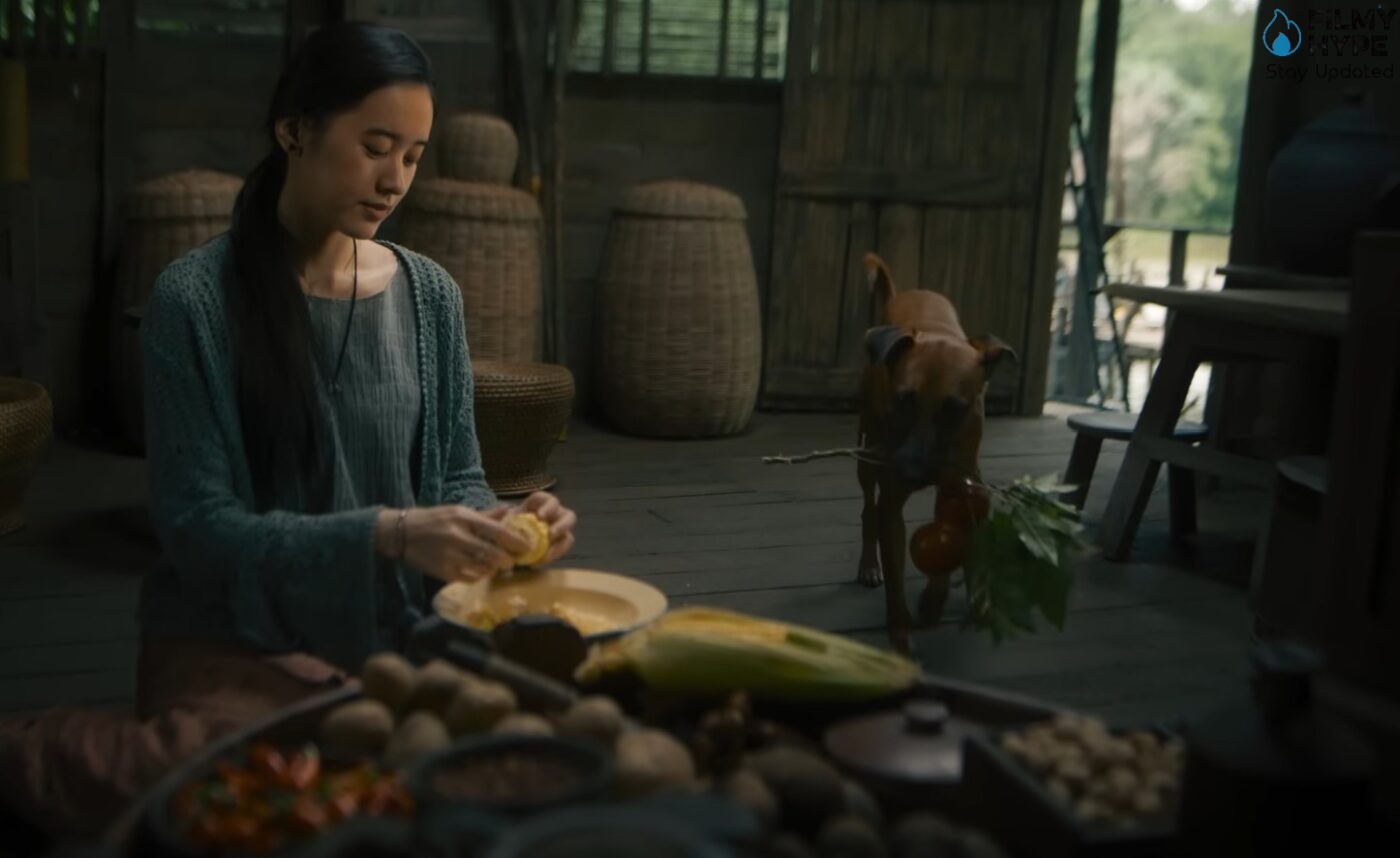
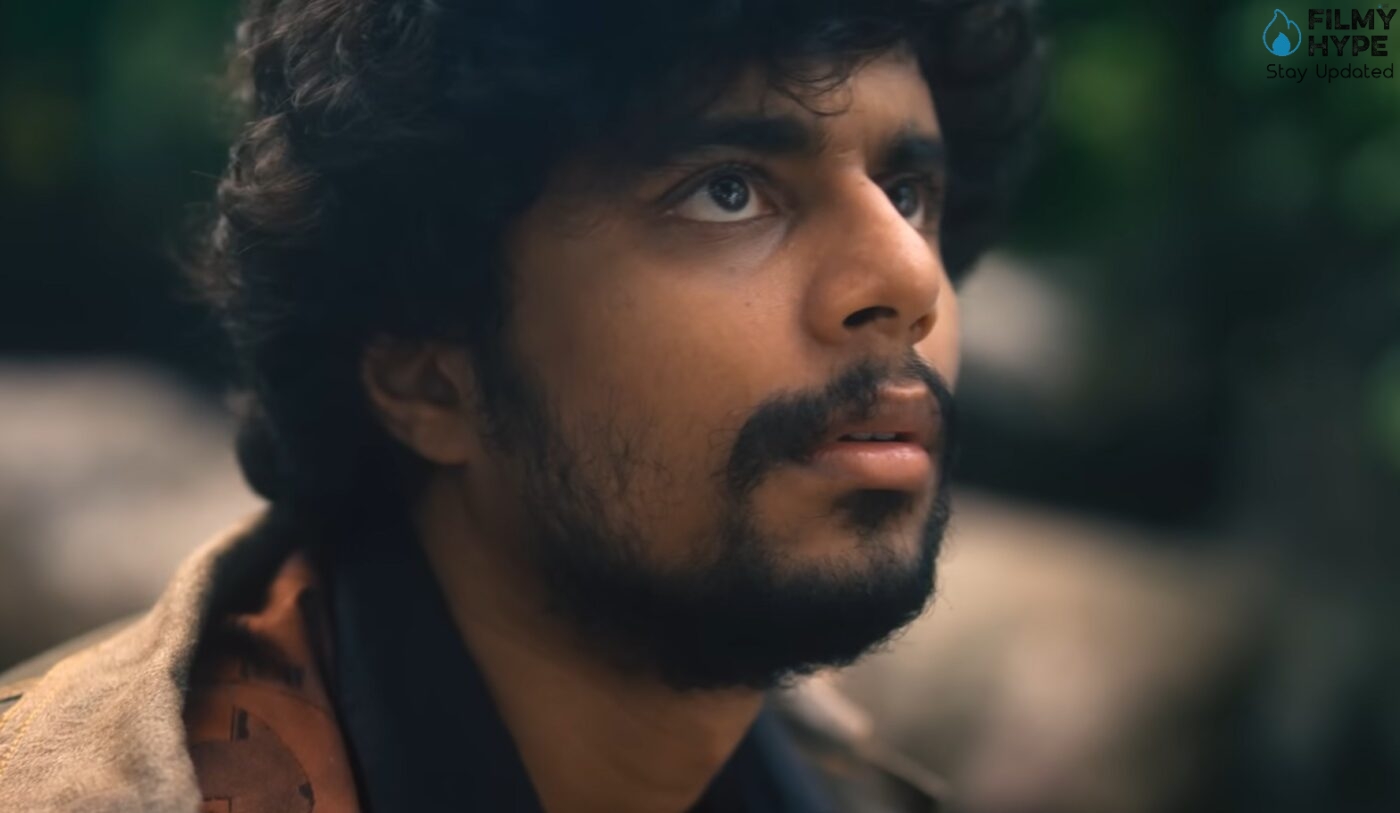
The film shakes the very foundation of our assumptions: Is it truly protection, or is it a possessive prison, to chain a dog in the name of love? This question ripples outwards, challenging the invisible boundaries between conservation and capture, between loyalty and subjugation. It is here that Bahul’s writing finds profound resonance, weaving in subtle yet intense themes of women’s agency and politics without ever resorting to heavy-handed dialogue. The unspoken power dynamics are felt, not preached. The film resounds with the thunderous clap of stellar performances. Viswajith Pradeep delivers a turn of immense momentum, providing moments of levity, action, and narrative propulsion that affirm, “This is his time.” To say more about the constellation of characters—including surprising, superb appearances by Vineeth, Ashokan, Innocent, Naren, and Zahir Mohammed—would risk the joy of discovery. Each actor, whether portraying Ashokan’s bread-and-butter humility or Naren’s nuanced naval officer, scores perfectly in the film’s symphony. They are not mere characters; they are facets of the truth surrounding Kuriachan.
Through ‘Eko,’ Bahul Ramesh cements his place among Malayalam cinema’s finest screenwriters. As the final chapter in his thematically linked Animal Trilogy—following the monkeys of ‘Kishkindha Kaandam’ and the canine elements of ‘Kerala Crime Files Season 2’, Eko places the dog at the absolute core of its moral and narrative universe. The technical craft is inseparable from the story. The cinematography is as insightful as the writing, finding life in every frame—the dense forest, the stark court, the pouring rain, the untamed wild. The spirit of these visuals is breathed into them by Mujeb Majeed’s transcendent background score, which surpasses even his excellent work in ‘Kishkindha Kaandam.’ Equally crucial is the scalpel-sharp editing of Suraj S. Kurup, who masterfully controls the film’s rhythm, delivering surprises and revelations at the exact pace to maximize their impact, all while maintaining a seamless, spotlight-free flow. This technical perfection marries a compelling story to create a world that, despite a limited budget, feels expansively real and thick with atmosphere.
The film concludes not with a definitive bang, but with spacious silence—room for the audience’s imagination and thoughts. Eko doesn’t spoon-feed; it offers an experience. Its elegant, potent climax is a kick that delivers precisely that. As you leave the theater, the details that seemed like mere scenery at the start begin to prove their significance. The assumption that the film’s Eko will travel with you, in and out of the theater, proves true. It invites you to savor the unique flavor of its meanings, to turn over its questions long after the screen darkens. There is no doubt that Eko is a thriller of world-class standard, a film Malayalam cinema can proudly present on any global stage. It is a testament to the beautiful experience cinema can offer when, at its best, it lines up with the linguists of the mountain, speaking in the primordial language of nature, conscience, and unresolved truth. Eko stands as a powerful example: a film with deep political and ethical undertones can also be a thoroughly engrossing, hauntingly enjoyable cinematic journey. It is not just seen; it is deeply, profoundly felt.
The Verdict: A Cautionary Tale in Narrative Restraint
In the final analysis, Eko serves as a fascinating, if flawed, cinematic experiment and a cautionary tale for mystery writers. It demonstrates that the architecture of a mystery—the careful layering of clues, the controlled pace—cannot stand without the foundation of emotional truth. A puzzle may engage the mind, but it is the heart’s investment that makes the resolution satisfying. The film’s thematic ambition regarding loyalty is commendable, and its atmospheric setting is impeccably crafted. There are glimpses of the directorial and writing prowess that made this duo worth watching.
Yet, by holding its cards too close, by valuing mystery over empathy, Eko withholds the very elements that transform a competent thriller into a memorable one. It misses the crucial alchemy that makes every great mystery appeal to the heart just as profoundly as it does to the mind. For audiences and creators alike, Eko is a potent reminder: in the forest of narrative, no matter how winding the path, we need the compass of human emotion to find our way home.
Cast: Sandeep Pradeep, Narain, Sim Zhi Fei, Biana Momin, Ashokan, Saheer Mohammed, Ranjith Shekhar, NG Hung Shen
Director: Dinjith Ayyathan
Where to Watch: Netflix
Filmyhype.com Ratings: 3.5/5 (three and a half stars)






One Comment