
Black Rabbit Series Review: Small Masterpiece of Psychological Thriller?
There was a lot of anticipation for “Black Rabbit”, a miniseries written by Zach Baylin and Kate Susman, and armed with a cast that includes none other than Jude Law and Jason Bateman as the main protagonists. The final result available on Netflix is a mix of atypical genres, seductive but not for everyone, which guides us into a maze of lies, secrets, and vulnerabilities, outlining an ambiguous and morally desolate universe. If you thought that after Ozark, you would never see Jason Bateman again in such an intense and engaging series, get ready to think again. Black Rabbit, the new Netflix miniseries created by Zach Baylin and Kate Susman, brings together two acting giants in a psychological thriller that promises to become the platform’s next phenomenon. Starring Jude Law and Bateman as two brothers as diverse as they are destructive, this series redefines the concept of family tension, bringing it to levels that will dwarf Cain and Abel.

The premise is seemingly simple: Jake (Law) runs a successful restaurant in New York called Black Rabbit, when brother Vince (Bateman) reappears in his life after years away. But as often happens in the best stories, simplicity is just the surface of something much deeper and more dangerous. What starts as a family reunion quickly turns into a downward spiral made up of debts, revenge, and bad choices. The first episode wastes no time: it immediately shows us Jake in his environment, a seemingly decent man who loves his son, has a civil relationship with his ex-wife, and runs his place with passion. But within minutes, everything collapses when armed men raid the restaurant. It’s an opening that is explosive and cinematic, which immediately captures you and leaves you with a thousand questions.
Black Rabbit Series Review: The Story Plot
“Black Rabbit” leaves from New York, where Jake Friedken (Jude Law) is about to open a special evening, which should mark the final triumph for his club, among the busiest in the city, and on the verge of receiving two Michelin stars. The particular atmosphere and the excellent cuisine mean that there is an endless queue every evening or almost every evening. However, the Black Rabbit (this is the name) is invaded one evening by two robbers; it will be a moment that will change a lot for those who work there and also for Jake, both emotionally and economically. Always one step away from success and at the same time from economic failure, Jake, as if that wasn’t enough, also has to deal with the return as prodigal son of his brother Vince (Jason Bateman), theoretically owner of part of the shares of the place, but who has always been a source of problems, shocking. If Jake broke through, he would be an admired and successful man, while Vince has missed opportunities, chances, gotten by with petty thefts, has often gotten into trouble, and has left quite a bit of debt to pay off with dangerous people, who, when they see him return to his old neighborhood, don’t wait long before showing up again.
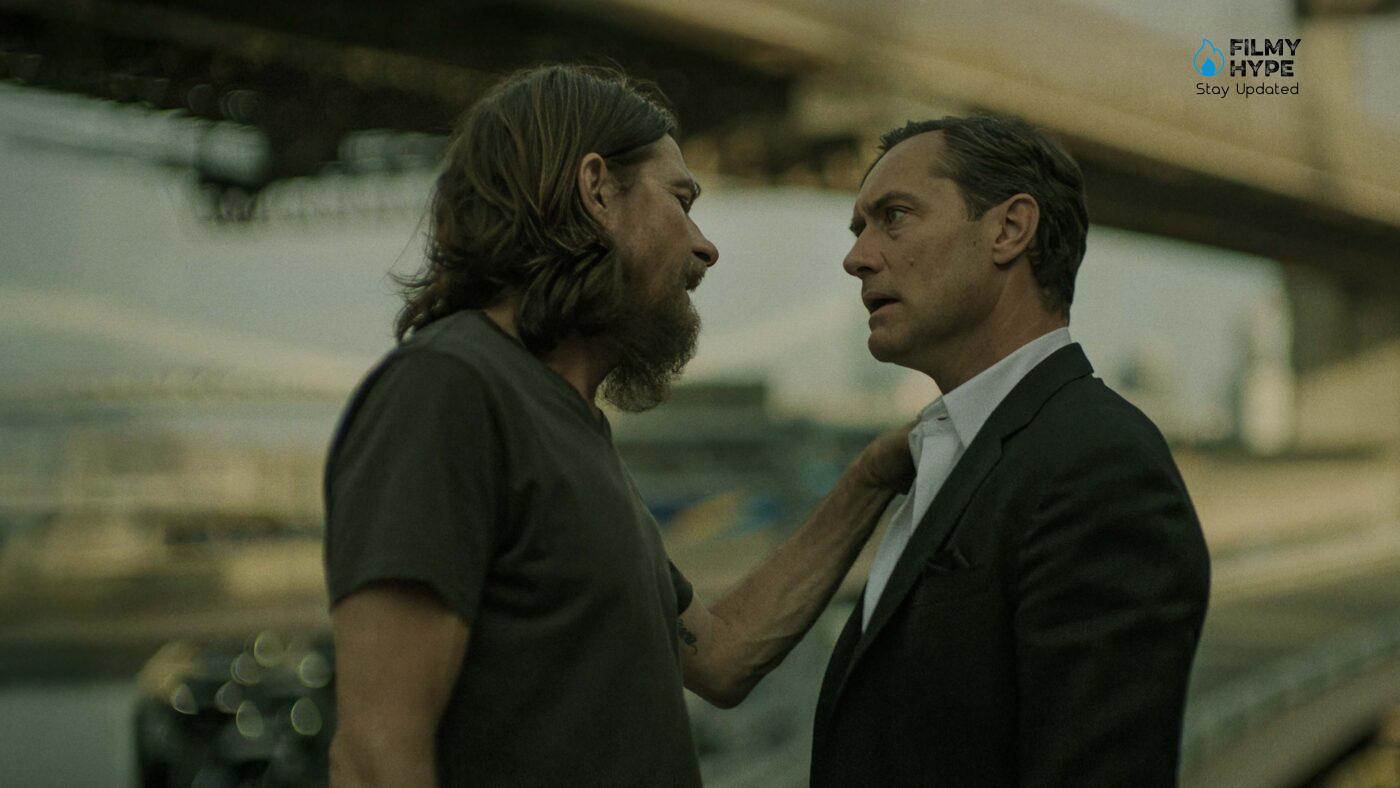
His desire to return to work with Jake will clash not only with that of the other employees of the club, but also with his dangerous creditors, bringing more chaos to his and others’ lives. Jake, on the other hand, realizes that the Black Rabbit, so fascinating, is populated by people who are much less respectable and reliable than he thought. Now he also has that brother to look after, full as usual of messes, complications, and a great talent for getting into trouble. “Black Rabbit” is a fairly atypical miniseries both in its premises and in its development, an element that in the long run becomes its greatest merit but also its greatest flaw. Certainly, nothing can be said about the aesthetic packaging, which is very attractive, but this is a miniseries not for everyone, and it often deviates from crime towards family melodrama and psychological thriller, given that the criminal world is involved, but also kept aside. There is too much focus on the private dynamics of the two and those around them, with narrative turns managed in a too linear way, almost inserted one after the other.
Black Rabbit Series Review and Analysis
Jude Law is called to outline yet another complicated man, to which, however, he manages to add, with the usual class, also a profound ambiguity, given that Jake is an ambitious, perfectionist man, but also selfish in an incredible and very opportunistic way. A complex emotionality, always cornered by that brother, by his messes, by a life in which that place is in every way not only his place of work, but also his home, everything that actually matters in his life. “Black Rabbit” is a series that talks to us about life, its unpredictability, the desire to relaunch and remedy itself, but also how difficult it is often to do so, if you don’t first question yourself, if you don’t want to change. Mistakes always have a price; nothing can be solved with tricks, but it’s much less easy to understand than you think. Set almost at night, even when it rediscovers the light of day, it continues to engage with an oppressive, almost claustrophobic atmosphere, as if to represent the ambiguity, the darkness, the lack of clarity that surrounds the lives of the protagonists.
Jason Bateman has demonstrated many times in the past that he is an actor of great sensitivity. This Vince is perhaps his most unpleasant character, but also incredibly interesting, because he is a failure, a dead weight, an insecure man, but who tries in every way to make up for it, to make a change in his life. It seems clear how clearly the project is connected to “Ozark”, another series on perdition and vices, but the result is obviously lower. The exchanges and chemistry between the two protagonists are the most valuable elements of “Black Rabbit”, which, however, often leaves them too alone, given that he begins to populate the various episodes with a little too many secondary characters with little depth (one hour each, really too much!). In the long run, it’s not clear here whether we’re dealing with a noir, thriller, a melodrama, or a pure crime. The final result is that of a fairly daring miniseries, which, however, lacks a bit of personality, the ability to go beyond what has already been seen, to overcome the limits of a lacquered, intriguing package, the feeling of having pulled out the minimum union, counting the names at stake.
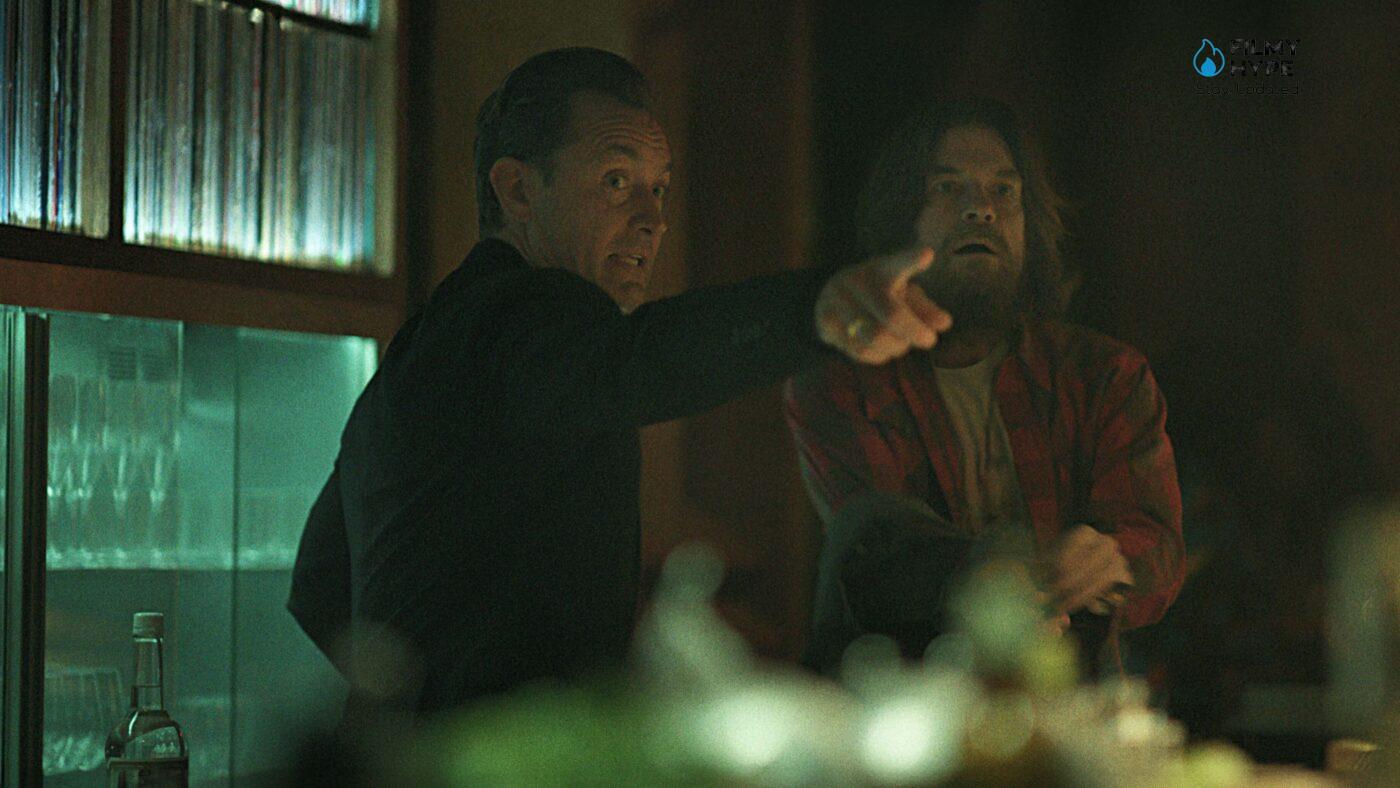
The heart of the series is the relationship between Vince and Jake. Bateman builds a cynical character, but capable of making a smile even in the darkest moments; Law brings to the screen a man obsessed with success but fragile in his choices. The dynamic between the two is credible, especially in arguments that alternate between resentment and complicity. The problem is that the script insists too much on this scheme, with discussions that repeat themselves until they become too predictable, leading the narrative to turn on itself. Black Rabbit tries to fit into the mainstream of the great anti-hero series, but the protagonists don’t have the depth of the models he looks up to: Vince is treated like a nice hustler despite his serious actions, and Jake is a man in crisis who can’t convey real ambiguity. Secondary characters remain in the background and rarely find room to grow. The only one to stand out is Joe Mancuso: Troy Kotsur, despite having few scenes, gives life to a charismatic, threatening, and at the same time melancholy boss, who ends up stealing the show from everyone else.
The series focuses on dark tones and a photograph reminiscent of Ozark. Bateman, who directs the first episodes, sets a slow pace and very verbose dialogues; in the final part Justin Kurzel brings more tension and a more effective use of Brooklyn settings. The last two episodes manage to build moments of real suspense, but the ending gives in to a sentimental epilogue that extinguishes much of the accumulated tension. The result is a closure that leaves a feeling of a compromise rather than a coherent conclusion. The beating heart of Black Rabbit is Jake and Vince’s relationship. Jake is the “good” brother, the one who made it, who built something of his own. Vince is the chronic problem, which always brings trouble, but which Jake never manages to completely abandon. As one of the characters wisely says, “Vince is a drug addict, but Jake is addicted to his brother”. Law and Bateman sell this dynamic to perfection. It never seems like they’re acting: they’re simply two New Yorkers arguing with the familiarity of someone they’ve known all their lives. They never try to overwhelm each other in scenes together, but the script and their interpretations constantly shift the balance, making you change your mind about who you should cheer on.
Although Law and Bateman are the undisputed protagonists, Black Rabbit also shines for its supporting cast. Troy Kotsur, fresh Oscar winner for TAIL, plays Joe Mancuso, a local bookmaker with old unfinished business with the Friedken family. Despite the relatively small role, his presence looms throughout the narrative as a constant threat. Odessa Young, whom we had already seen in The Order, plays Gen, Vince’s daughter, and manages to make her mark despite limited screen time. His scenes with Bateman are particularly intense and well written. The restaurant itself becomes almost a character, populated by Roxie (Amaka Okafor), an ambitious chef, Wes (Ṣọpẹ́ Dìrísù), a rising musician, and other staff members who Jake considers “family” but who are treated more like pawns. Black Rabbit also explores the murkiest aspects of the restaurant world, where the lines between employees and “family” blur dangerously. Jake boasts that he has created a familiar environment, but his neglect of staff well-being reveals how similar he is to the brother he despises.
It is a subtle but effective criticism of ‘management hypocrisy that preaches values he doesn’t respect. The restaurant becomes a perfect metaphor: elegant and welcoming on the surface, but underneath it hides debts, tensions, and secrets that risk causing everything to collapse. One of the most pleasant surprises of Black Rabbit is discovering that behind the camera, there are familiar faces from Ozark. Bateman directs the first two episodes, followed by Laura Linney for episodes 3 and 4. Both show that their skills are not limited to acting: their direction is precise, tense, and capable of keeping attention high without resorting to cheap tricks. Ben Semanoff, another veteran of Ozark, directs the central episodes, while Justin Kurzel closes the series with the same visual grit that he brought in The Order. It’s like one creative reunion that works perfectly, creating a stylistic coherence that not all multi-director projects can achieve.
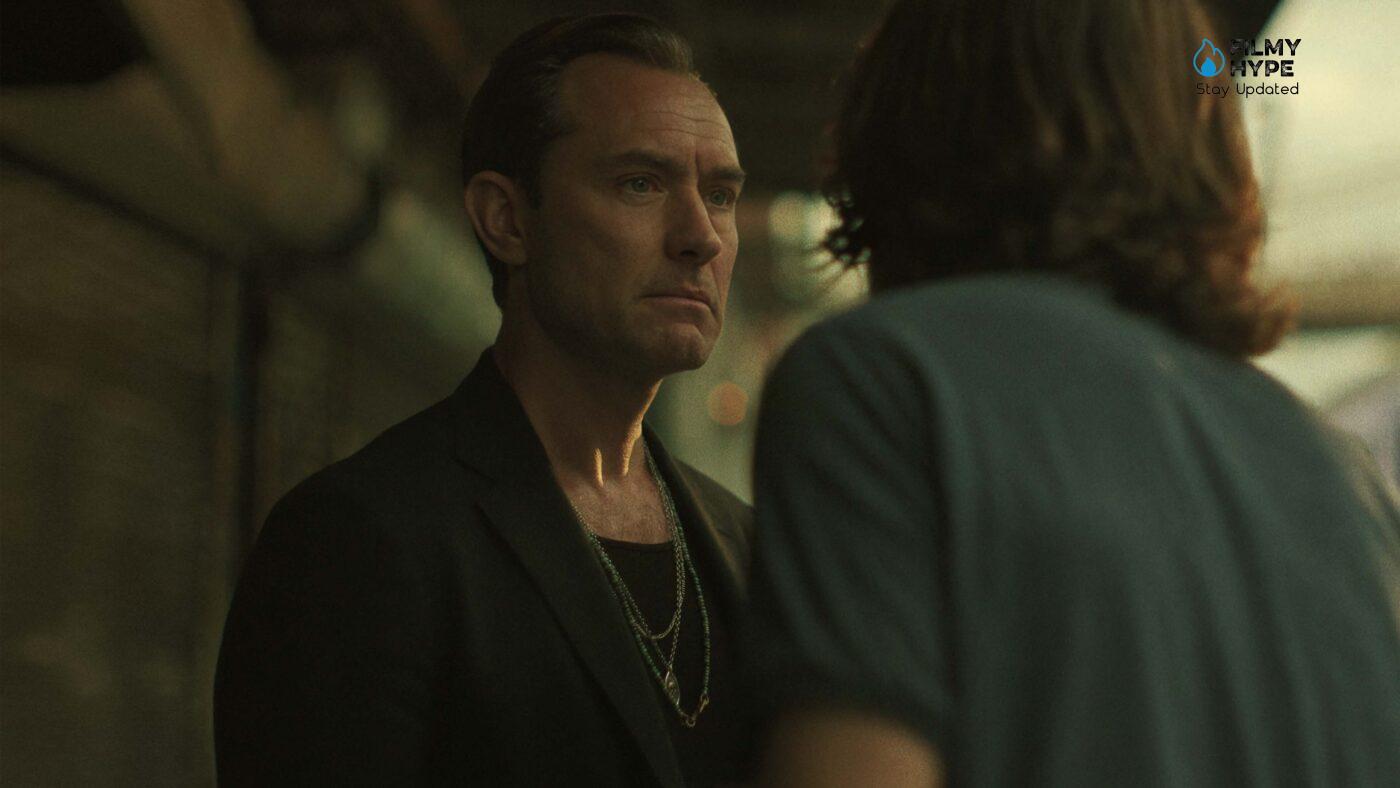
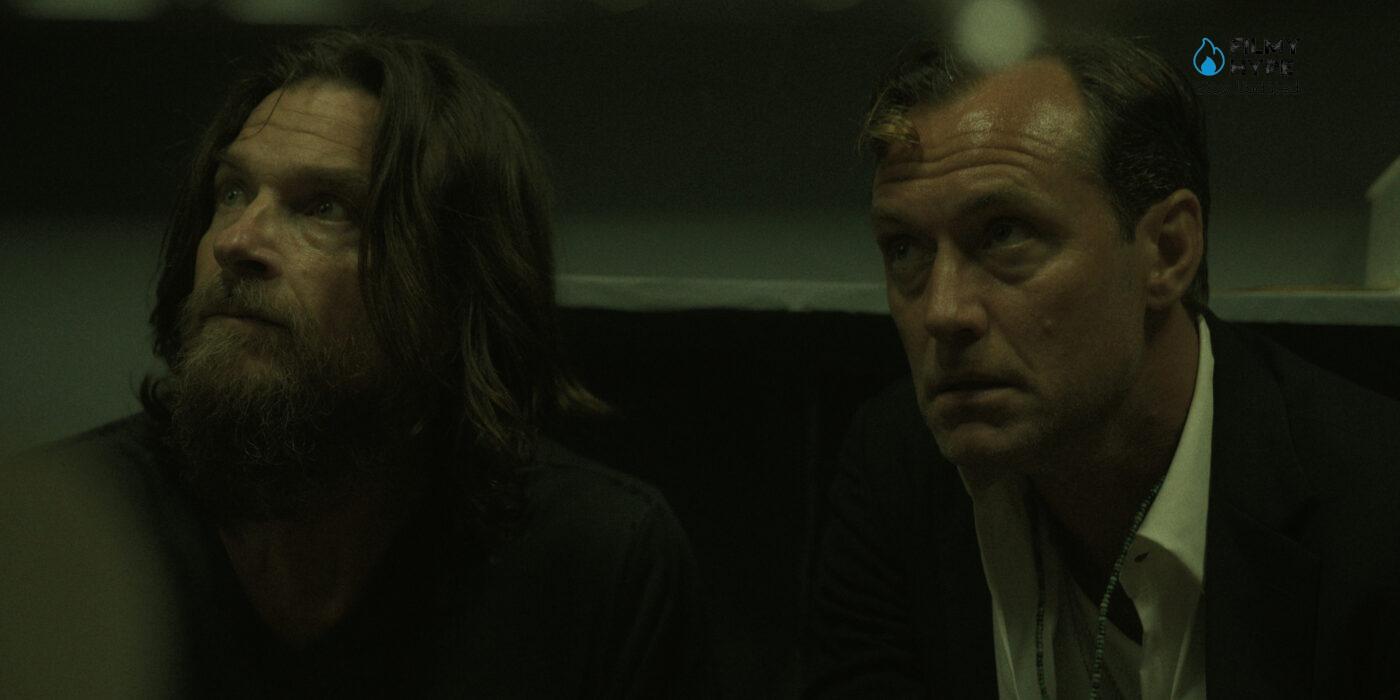
What makes Black Rabbit so engaging is also what could limit its appeal: its ruthless realism. There is nothing consolatory about this story. There are no heroes, only imperfect people who make bad decisions and pay for the consequences. Jake and Vince are both frustrating characters, the kind of people you would carefully avoid in real life. But it’s this lack of comfort that makes the series so powerful. Each 45-minute episode leaves you emotionally exhausted, and that’s not something the binge-watching model is meant for. You may need breaks between episodes to process what you just saw. Without giving spoilers, I can tell you that Black Rabbit manages to close his story satisfactorily but devastatingly. The ending is frighteningly realistic, the kind of conclusion that leaves you thinking for days. He doesn’t try to teach moral lessons or offer easy catharsis: he just wants to tell a story of self-destruction with brutal honesty.
Black Rabbit is not an easy series, but it’s a necessary series. In an increasingly standardized television panorama, finding a production that he risks so much emotionally is refreshing. Law and Bateman deliver the best performances of their recent careers, backed by a clever script and impeccable direction. If you’re looking for something that makes you feel better after seeing it, this isn’t the series for you. But if you want to be challenged, involved, and emotionally shaken from a story that doesn’t give anyone discounts, then Black Rabbit is exactly what you were looking for. The series is already available on Netflix, so you have no excuse not to give it a chance. Just be prepared not to sleep soundly after seeing her. Black Rabbit represents a small masterpiece of the psychological thriller, supported by the extraordinary performances of Jude Law and Jason Bateman as two self-destructive brothers. The series explores complex themes such as addiction, family loyalty, and the consequences of poor choices through tight storytelling and no-discount realism. Directed by Bateman, Laura Linney, and other veterans of Ozark, it creates impeccable stylistic consistency, while the clever use of flashbacks builds tension rather than dispels it. The result is an emotionally devastating but artistically superior series that confirms Netflix as the home of quality products.
Black Rabbit Series Review: The Last Words
Black Rabbit tries to mix crime drama with the story of two brothers marked by mistakes and unrealized ambitions. Bateman and Law function as a couple, though the writing forces them into repeated bickering that ends up weighing down the beat. The secondary characters remain in the background and rarely find space, except Joe Mancuso: Troy Kotsur, with a few scenes, gives his boss a charisma that obscures all the others. The direction alternates with sudden bursts of tension, finding balance only in the last episodes. The ending, more sentimental than coherent, leaves the impression of a series that entertains but fails to really make an impact. With dramatic consequences, which, however, fail to keep the viewer’s attention high due to aseptic writing, listless direction, and an excessive lengthening of the story, combined with a crowd of characters who live solely for the protagonist duo. Only the performance of Jude Law and Jason Bateman (also director) was excellent, but it did not save the final result.
Cast: Jason Bateman, Jude Law, Abbey Lee, Dagmara Dominczyk
Created By: Kate Susman, Zach Baylin
Streaming Platform: Netflix
Filmyhype.com Ratings: 4/5 (four stars)






One Comment