Black Phone 2 Review: The Grabber Returns, Between Past and Present
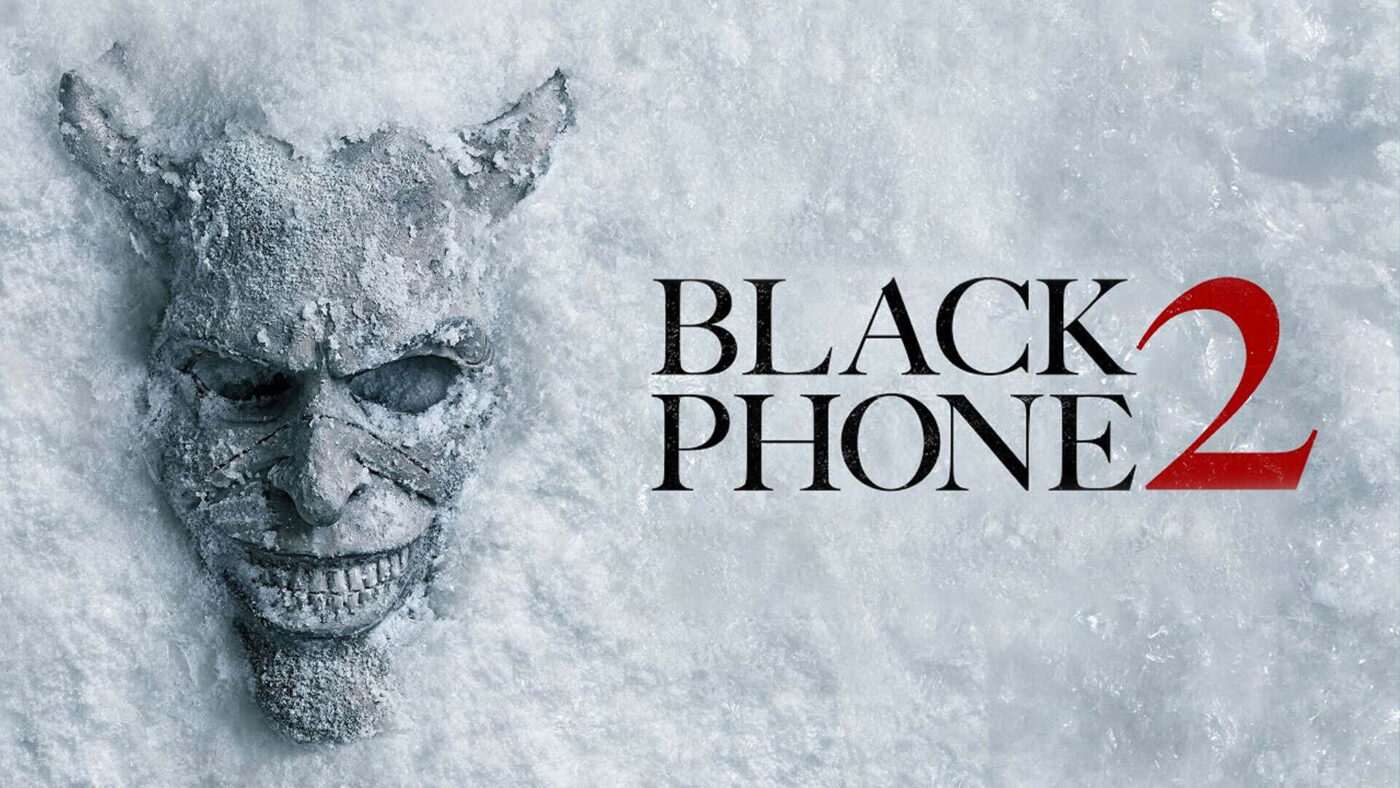
Black Phone 2 Review: There was no reason to continue after the 2021 film. Better yet, it wasn’t possible to continue after the 2021 film. Or maybe not. The Black Phone 2 arrives in cinemas on October 16, 2025, courtesy of Universal Pictures International Italy. It is the sequel to the popular horror (made in Blumhouse) from 2021, Black Phone, and why we couldn’t move forward, it’s easy to say: the fearsome villain, otherwise known as The Grabber –Black, masked van, kidnaps and kills kids – had left the scene in a very irreversible way. Now, since a trifle like death is not enough to satiate Hollywood’s thirst for seriality, here is the sequel. Theoretically, it can’t work, but instead, it does, because there is method in the cinematic madness of Scott Derrickson, director and screenwriter of UNIPAROUS. Black Phone in 2021 was the typical success in Blumhouse sauce. A winning idea in the right hands, those of a horror veteran like Scott Derrickson, a reduced budget overall (about $16 million budget), and a star like Ethan Hawke in the villain’s part. The result was excellent critical and public acclaim, with a staggering gross of over 160 million.
In the beginning, it was a way to recharge your batteries: burned by what would have been your second Marvel experience, abandoned due to creative differences (Doctor Strange in the Multiverse of Madness), the director Scott Derrickson had returned to the fold, to horror done with big ideas and tight budgets, in partnership with Blumhouse. That was Black Phone, from the story of Joe Hill (son of Stephen King), and the latter, following the success of the film, suggested to Derrickson and co-writer C. Robert Cargill the idea for a sequel that delved into the antagonistic relationship between the young Finney Blake and the evil serial killer known as the Bird of Prey. Almost exactly four years later (both feature films debuted in September at the Fantastic Fest, a well-known genre event held in Austin, Texas), so here we are in the face of the return of evil, which we talk about in our Black Phone 2 review.
Black Phone 2 Review: The Story Plot
But Scott Derrickson is not like everyone else. He is the author behind great films like The Exorcism of Emily Rose, Sinister, and Deliver Us from Evil, a triptych of scary works of mass consumption among the most successful of the last decade. And someone like Scott Derrickson understands that for a sequel like this, you have to topple the house. From the suffocating darkness of a basement, you pass into the open of a Colorado submerged in blizzards. From Finney’s Mason Thames, the baton slips into the hands of her sister, Gwen Madeleine McGraw, a psychic teenager with a power yet to be fully controlled. Four years after the events of the first film, it is Gwen’s visions that worsen. He dreams, with bloody and ruthless tears, of the corpses of mutilated children, no one knows why, and no one knows where. Then he also dreams about his mother when he was young (Anna Lore), who leads her along with her brother to the Christian campground of Alpine Lake, where they get stuck, and where there is a dark, unfinished story that has to do with the past of the Raptor (Hawke). That he found a way to torment them even from beyond?
And it is always from these visions that Black Phone 2 finds new lifeblood to draw on. Derrickson, who co-wrote the screenplay with C. Robert Cargill, imagines them as if they were little films experienced by Gwen, but on grainy film, in low resolution. An aesthetic choice, of course. But also a response to the gaze of contemporaneity, which sees everything, absorbs everything, but elaborates or understands almost nothing, and which in these grainy and out-of-focus folds descends the persistence of evil. The Raptor, but he could be called Freddy Krueger. Black Phone 2 is set in 1982, four years after the first film. A lot of water came under the bridge, not for Finn (Mason Thames) and Gwen (Madeleine McGraw). For them, it’s always 1978, and most importantly, it’s always The Raptor (Ethan Hawke). Finn is the only one who escaped the ferocity of the killer, and the one responsible for his death; he gets by venting his repressed anger on his companions and stunning himself with the grass. He’s slightly to the side of the story this time because the focus is shifted to Sister Gwen (Madeleine McGraw); she has a fiery temper and strange visions.
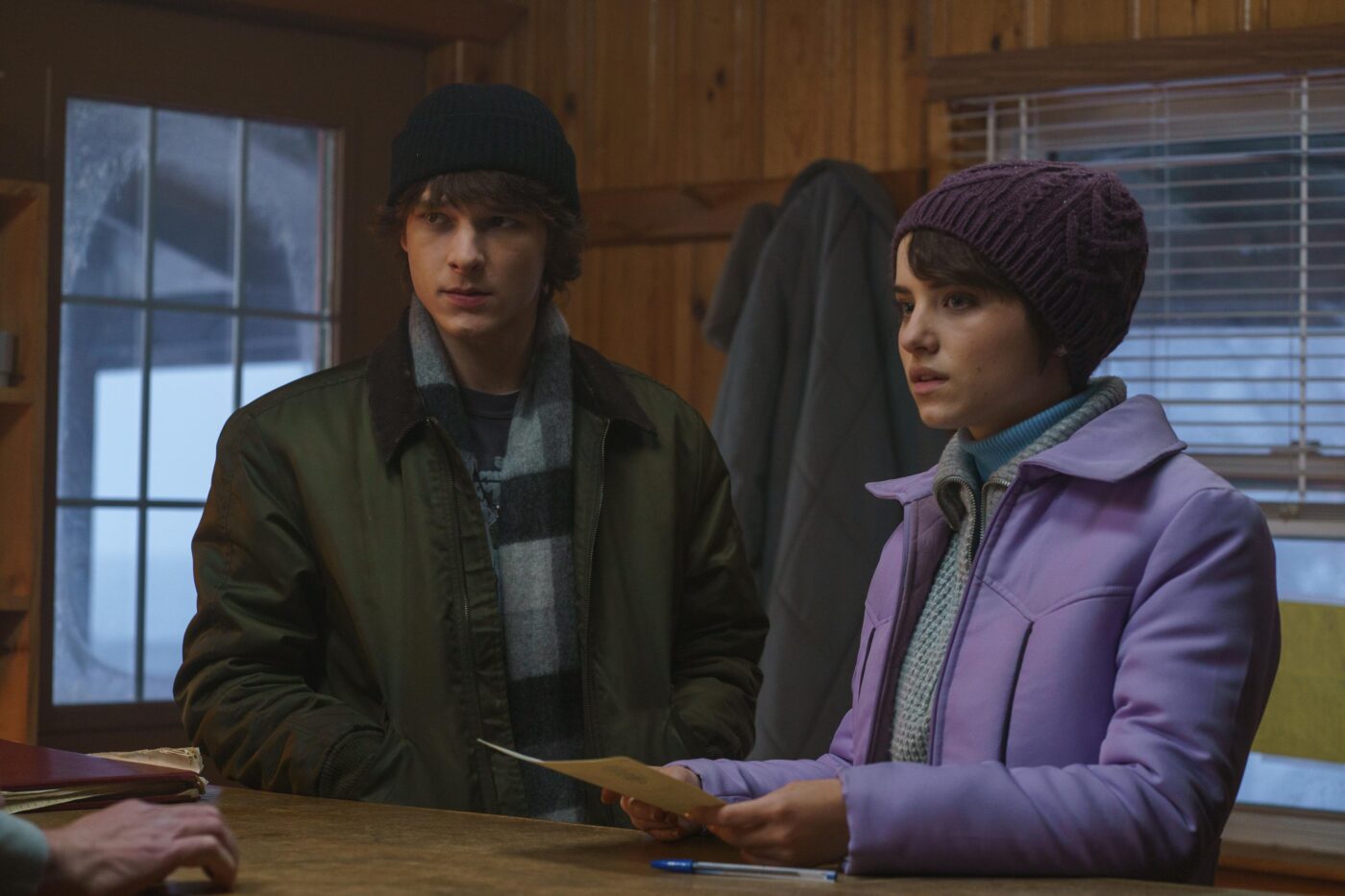
The visions –especially those of the first half are the most successful thing in the film, putting the girl’s mental health to the test: the bodies of mangled children speak from a winter recreational camp from the 1950s and beg to be found, whose traces have been lost. Indeed, during one of these disconcerting nocturnal fantasies, Gwen has the opportunity to talk to a very young version, 1957 or so, of her mother Hope (Anna Lore), long dead. Horrible truths about the Raptor’s past are preserved in the camp, and they need to be investigated. There shouldn’t be any problems. The Raptor is dead. And whoever is dead cannot harm. Black Phone 2 it’s a smart sequel. Scott Derrickson knows there is no way to evade the question: How do you continue, and make sense of, a discourse that had brilliantly closed with the success of the 2021 film? His answer is a three-move check. One: make a film that, more than the facts, looks at the consequences; it is the legacy of trauma – Finn, Gwen, and dad, Terrence (Jeremy Davies), they still feel the shadow of the Raptor over their lives – the real villain of the characters. Two: overturn the status quo.
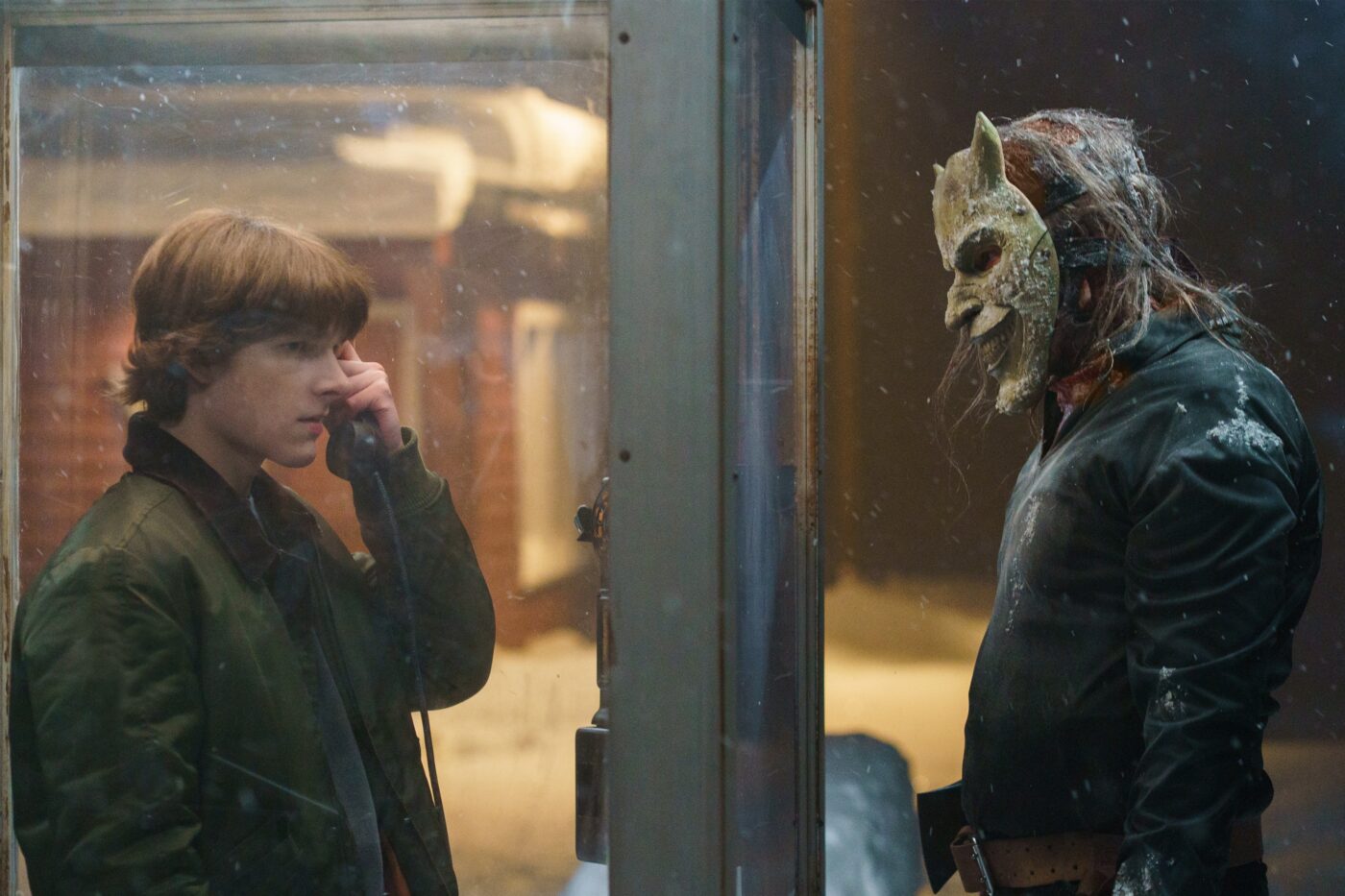
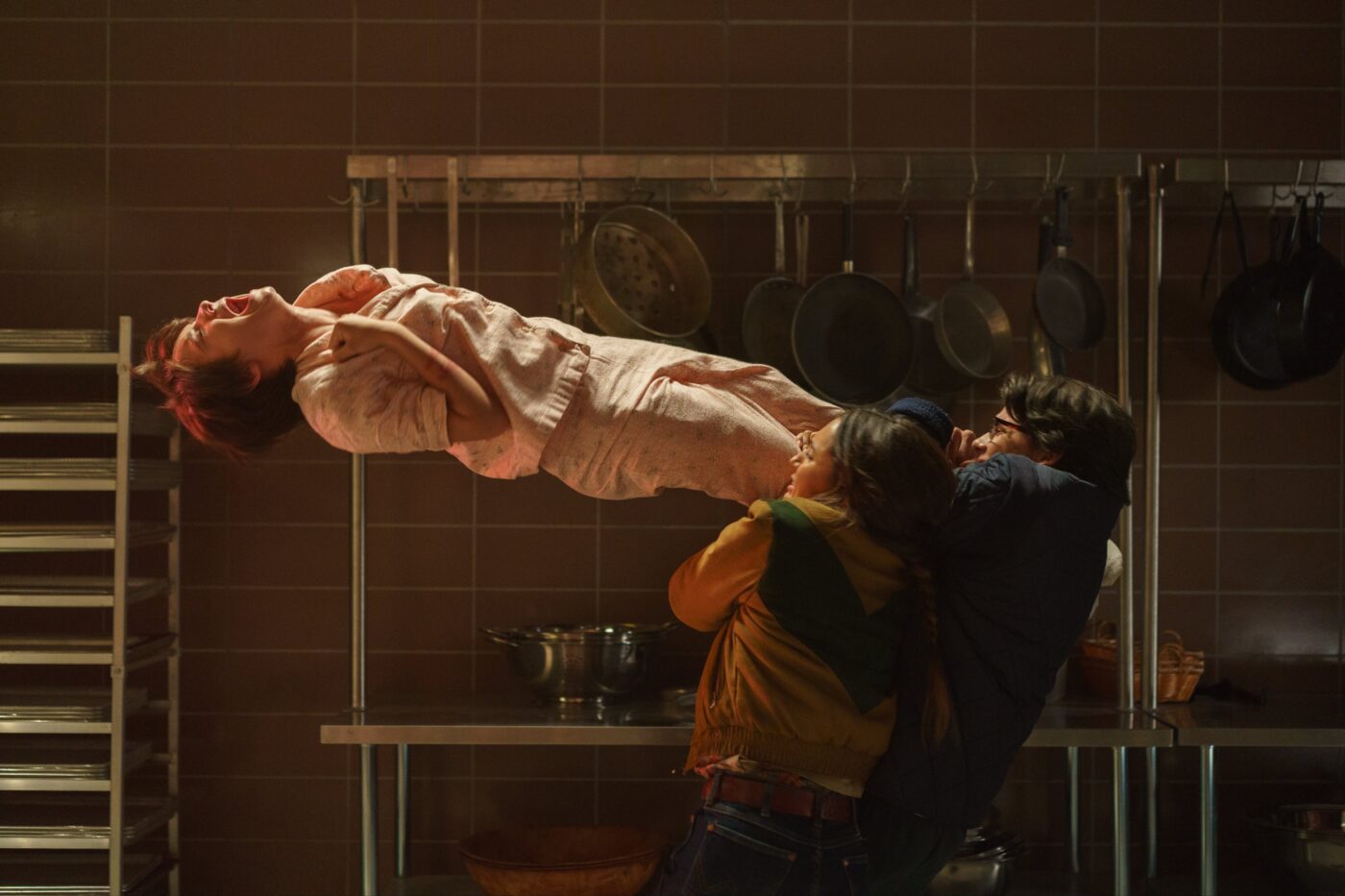
The claustrophobia of the original is replaced by the wide availability of winter camp space, where Gwen, Finn, and Ernesto (Miguel Mora) investigate. There’s a snowstorm that complicates things and increases suspense, and there’s a nice handler, Armando (Demián Bichir), to help them. Three: find a way to put Il Rapace back on track. The man is dead; make way for the ghost. And if you don’t touch the ghost, see it, or feel it in the real world, you have to make it live in dreams. Gwen’s dreams, surreal fantasies of death torn apart by gruesome violence and framed by the dirty and grainy photograph of Pär M. Ekberg, are destabilizing incursions of the irrational into the fragility of the real. The Raptor is a revised and corrected Freddy Krueger who moves into the impalpability of dreams to give vent to his bloodlust. The relationship between reality and dream is the destabilizing and hypnotic engine of suspense and fear in the film.
Black Phone 2 Review and Analysis
Even more than in the first film, Derrickson relies on the acting skills of young people Mason Thames and Madeleine McGraw, who return to the roles of Finn and Gwen and demonstrate considerable interpretive maturity in this sequel, which intelligently and consistently delves into the psychological damage the two protagonists have suffered in one way or another. Also at their side again is their father, played by Jeremy Davies, increasingly distant from the stereotype of the alcoholic and violent parent who already had additional depth in the progenitor, while Miguel Mora, who in the first chapter was one of the victims of the Raptor, this time embodies that character’s younger brother. The most important new entrant is Demián Bichir, now used to horror films with religious elements (even if here they are decidedly subdued compared to The Nun).
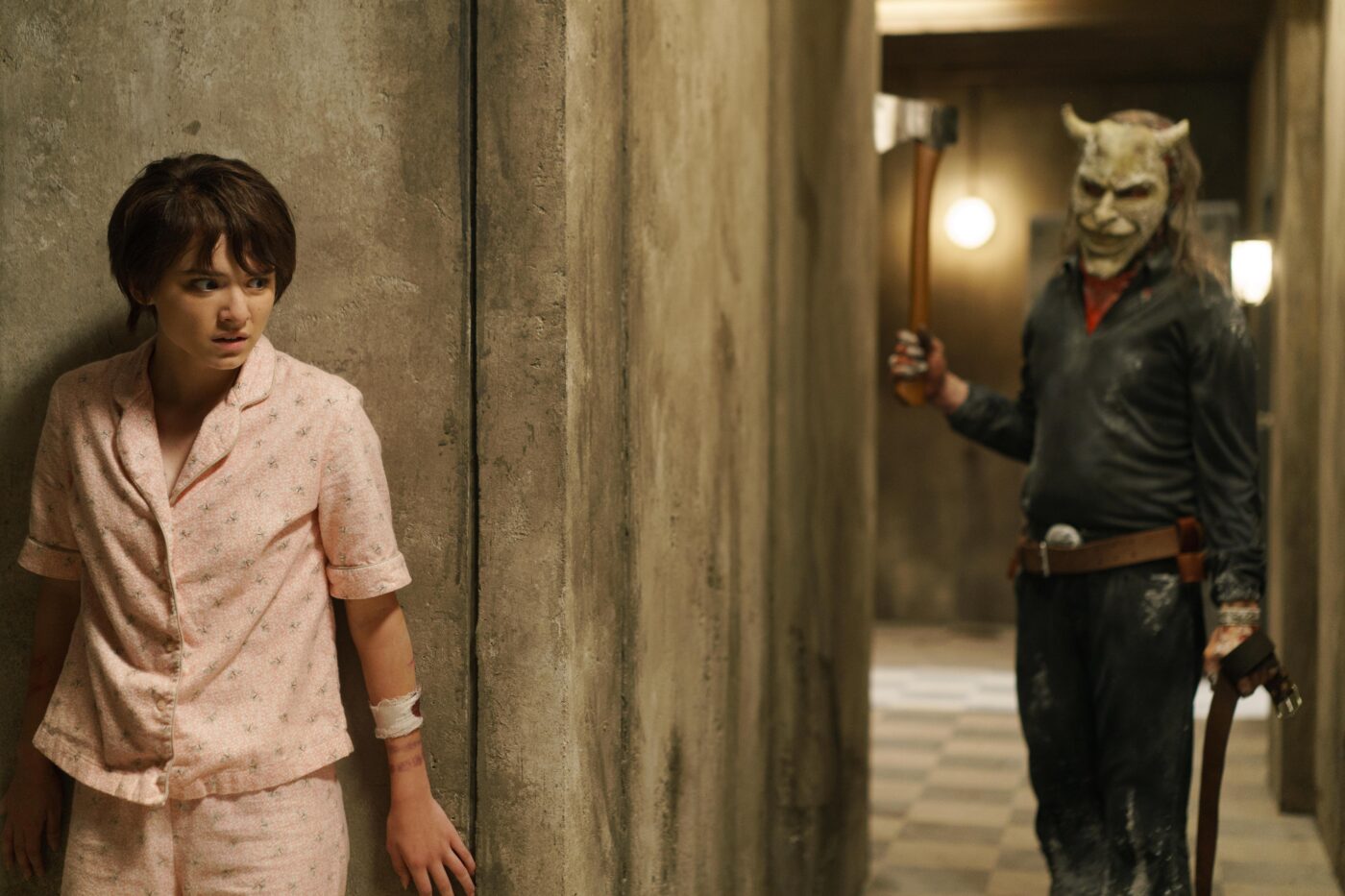
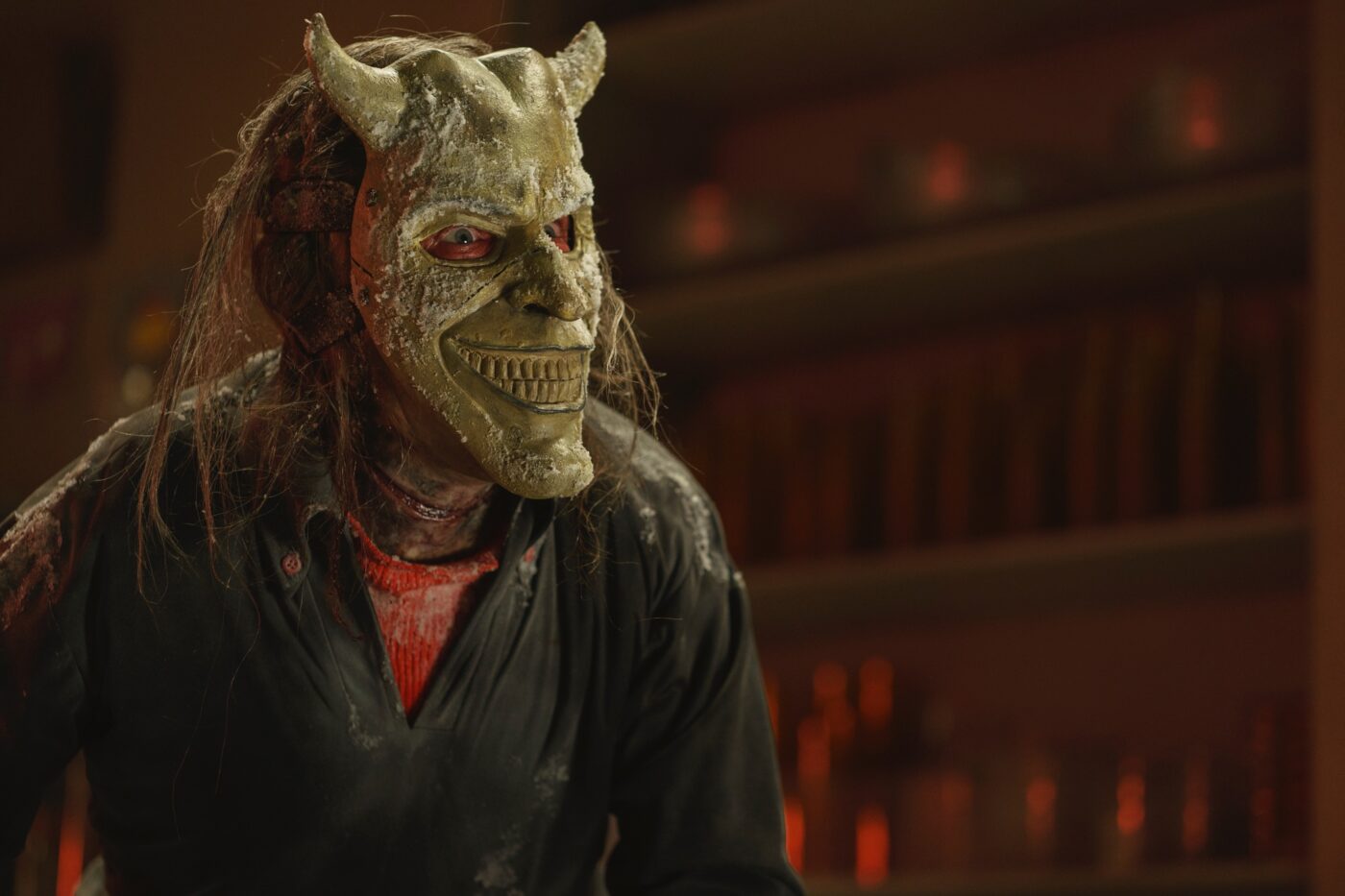
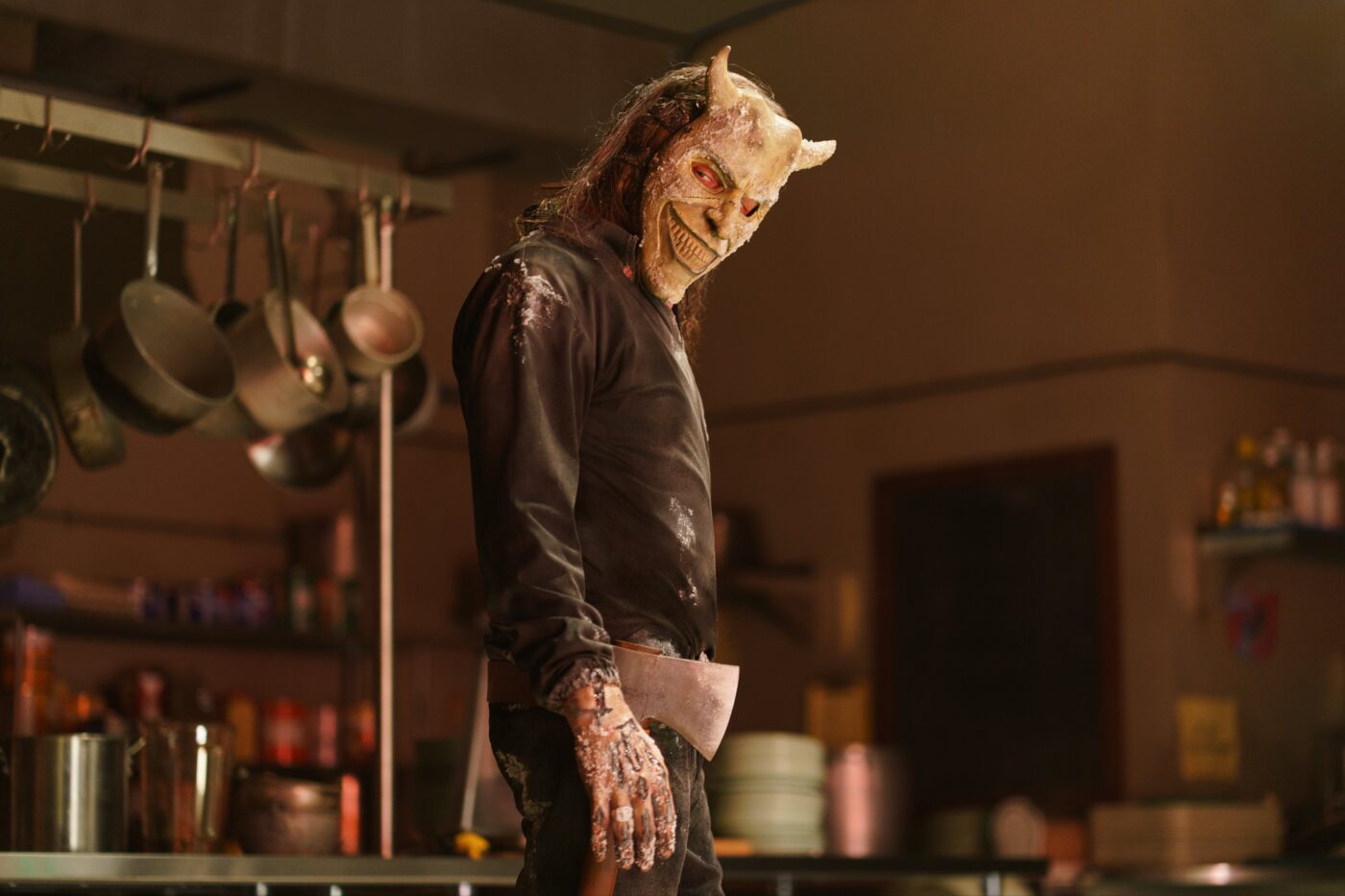
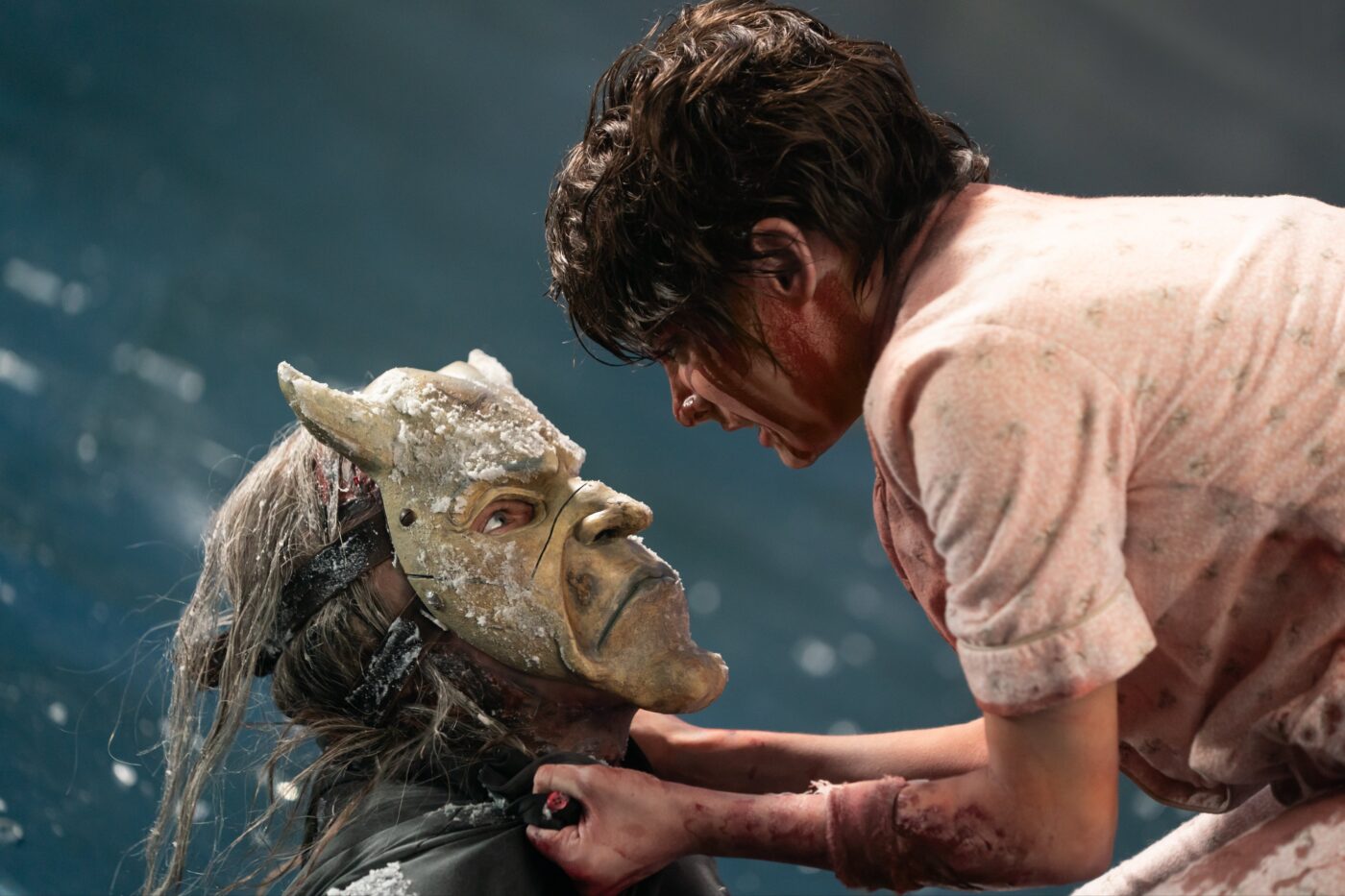
And then there’s him again, Ethan Hawke, who a few years ago surprised the audience in the role of the Rapace, the very first break from his self-imposed rule of not playing villains that he had allowed himself to be able to work with Derrickson again On the second lap he is much more uninhibited and at ease, embracing the purely horrifying dimension of the villain who, like a new Freddy Krueger, he torments his victims in a dream and presents himself with a disfigured face (although strategically covered by the mask, which returns with its irresistible variations on the theme). Viewing in the original language is also highly recommended to fully appreciate the work Hawke does with his voice, a sound that comes from beyond the grave to sow panic in the snowy landscapes which, according to the person concerned, are not so different from where he ended up because Hell is not made of fire, but ice…
Between the two feature films based on Hill’s story, the anthology V/H/S 85 was also released, where Derrickson directed one of the episodes, set in the same universe as the events of Finn and Gwen (but with the fetish actor James Ransone, who played Max in the first film, in a different role). An experience that probably allowed the director to perfect the aesthetic ambition of Black Phone 2, which deserves the largest possible screen – and optimal projection quality, it goes without saying – to do justice to the desired contrast between the evocative outdoor locations (located in Canada, where the predecessor was shot in North Carolina) and the dreamlike component shot in Super 8, as if they were again the gruesome home movies of the two traumatized teenagers and/or their cadaverous stalker (and the reference to Sinister is evident, going back through the director’s filmography). From this, a world is born where physical matter (the film used by the filmmaker, the apparently unusable landline telephone) becomes a vehicle for more spiritual reflections, until reaching a conclusion which, after many thrills, is cathartic and exciting, perhaps the purest expression of Derrickson’s poetics to date, enclosed in the elegant and brutal packaging of a horror sequel.
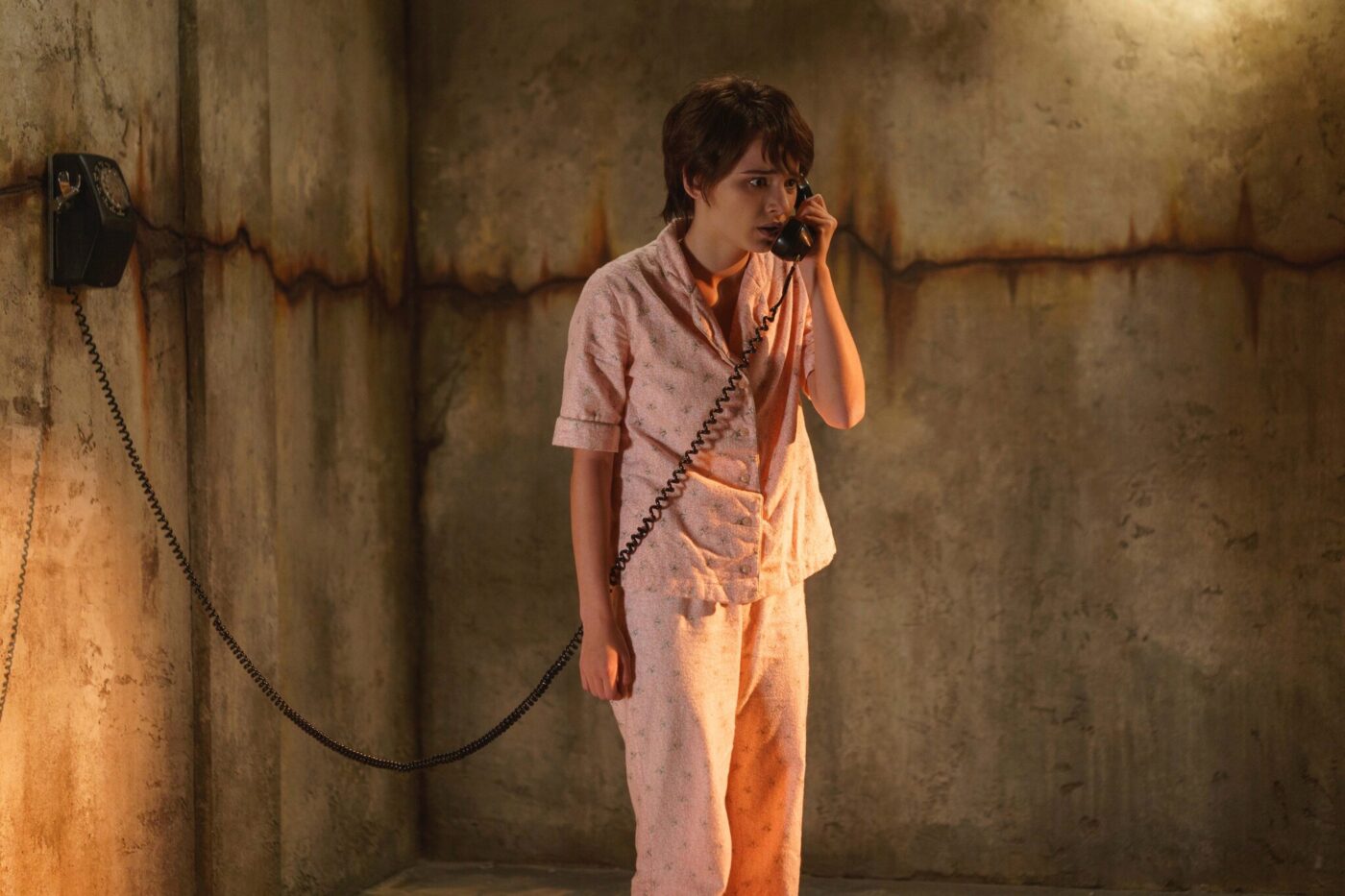
There’s more. Moving on from here, the film also synthesizes a new horror hybrid. The setting, the characters and their behavioral codes respond to the horror slasher of the Eighties, made up of young people camping, sexual prohibitions (Gwen has a liking for Ernesto, Miguel Mora, who accompanied her and her brother), dark presences thirsty only for blood and finally of final girl, of a protagonist ‘chosen’ and destined to prevail over the threat. And all this Black Phone 2, however, seems to mix it with the drives of analog horror and backrooms, of that trend generated in the undergrowth of forums and online culture designed precisely in low resolution and with a retro aesthetic that pairs with indefiniteness, with liminal spaces, with horror vacuum of misunderstanding. It is from these parallel spaces and planes of existence that the Raptor seems to re-emerge (a Hawke always hidden under the mask, with stars not often happening today). Hell is not hell, but something that interpenetrates reality, which Gwen perceives “sliding” into dead zones from which she does not know how to ascend – is the definition of how one comes into contact with the backrooms, “rooms next door”.
Black Phone 2 comes out by re-proposing itself in an almost camp dimension, holding itself together in a less complex way in dramaturgy and more entrusted to its atmospheres in dialogue with the icons of past and present, sometimes disturbing, sometimes playful – the return of the Rapace is at a certain point in the form of a lethal ice skater, a version that could project him into the court of the most recognizable villains of contemporary cinema. He has the obstinacy of focusing on what he actually has to do through the work he does on images, on visions that come together in the dark, also relying on jumpscare in an exhibited desire to compose himself in the name of a healthy crowd-pleaser, of substantial entertainment in itself. He succeeds and has it.
Here is another ghost that is difficult to escape: the years ’80s. If the morbid attachment to the imagination of the decade is the most alarming indicator of the double crisis, of identity and originality, of American cinema, homage is possible as long as there is an original to allow it. What happens when there are no longer originals – of derivative, in Black Phone 2, there is less than meets the eye. Maybe it’s fairer to say that Scott Derrickson knows what he wants from the film –in terms of aesthetics and emotion – and manages to build a mythology poised between studied quotations and creativity. Simply put, the film draws on the iconic universe of Wes Craven’s film (Nightmare – From the Depths of the Night, 1984, et seq) but does not transform Ethan Hawke and his very bad Rapace in a half-asleep Freddy Krueger just for the superficial, pimps pleasure in minimizing risks by beating proven paths.
It would be nice to live in a world where Black Phone 2 deals his blows without needing to rely on mythologies and cinematic universes other than himself, but the reference to a pre-existing model is managed with sobriety. Even the family chronicle of the film, the dad relationship triangle, Jeremy Davies and children Mason Thames and Madeleine McGraw, does not have the calculated, sugary insistence of contemporary commercial cinema. Citationism is a means to an end: Black Phone 2 not only seeks to tell the physical and psychological weight of trauma, but also has an interest in showing us how trauma finds fertile ground in people’s imaginations. Scott Derrickson uses the film to answer the most pressing question for a horror: how to shape the ultimate impalpability, fear.
To achieve this, he tears apart the distance between dream and reality and catapults his actors – starting with the convincing, intense and foul-mouthed one Madeleine McGraw – in a hypnotic, alienating half-sleep, not entirely nightmare nor entirely reality, no-man’s-land of the imagination in which nightmares materialize in terrible forms; just touch them and they disappear, and fear begins its circle again. There is, in the story of everyday life, nothing that equals the disturbing force of the very violent – seeing is believing – dream sequences of Black Phone 2, atmospheric horror that can be disgusting and violent when needed. It is a reasoned compromise between originality and inspiration, and it matters the right thing that reality does not stand up to the emotional and visual strength of the dream scenes. Scott Derrickson found a dignified sense of a theoretically impossible sequel.
Black Phone 2 Review: The Last Words
The claustrophobia of the first film is not set aside, but revised. This time, prison is the mind, and to strengthen the message Scott Derrickson defies with a diabolical complacency nightmare and reality. In Black Phone 2, he tends to resolve his conflicts with some haste at the end, partly disavowing the elaborate and anxiety-provoking first half of the story; the telling of reality lacks the ambiguity and subtlety of dream sequences. However, the film has many arrows in its bow. A destabilizing atmosphere, an interesting way of mixing past and present, a dreamlike and opaque aesthetic, unusual explosions of violence for emotional and painful strength, and a more sophisticated use of the camera than the standard of so much horror. It cannot help being derivative, but it intelligently uses homage. You couldn’t ask for much more from a horror film than sensibly reopen an already closed discussion.
Cast: Ethan Hawke, Mason Thames, Madeleine McGraw, Jeremy Davies, Demián Bichir, Miguel Mora
Directed: Scott Derrickson
Filmyhype.com Ratings: 4/5 (four stars)