
A Knight of the Seven Kingdoms Review: Well-Written Medieval Dark Comedy!
A Knight of the Seven Kingdoms Review and Analysis
Cast: Peter Claffey, Dexter Sol Ansell, Bertie Carvel, Daniel Ings
Director: Owen Harris, Sarah Adina Smith
Streaming Platform: HBO
Filmyhype.com Rating: 4/5 (four stars)
The arrival of A Knight of the Seven Kingdoms from January 19 on HBO Max. Taken from the series of stories Tales of Dunk and Egg of George R.R. Martin, published in the collection “The Knight of the Seven Kingdoms”, the series expands the narrative universe of Game of Thrones, choosing a decidedly different perspective, however. The protagonist Ser Duncan the Great is interpreted by Peter Claffey, supported by the young man Dexter Sol Ansell in the role of Egg. Around them revolves a cast that includes, among the protagonists, Daniel Ings, Bertie Carvel, Sam Spruell, Finn Bennett, Henry Ashtone, and Tanzyn Crawford. The series will be distributed with weekly episode releases and was conceived as a three-season project, the second of which is already in the works. Thanks to HBO Max Italy We were able to watch the entire first season of the series, and below we give you our opinion without spoilers!
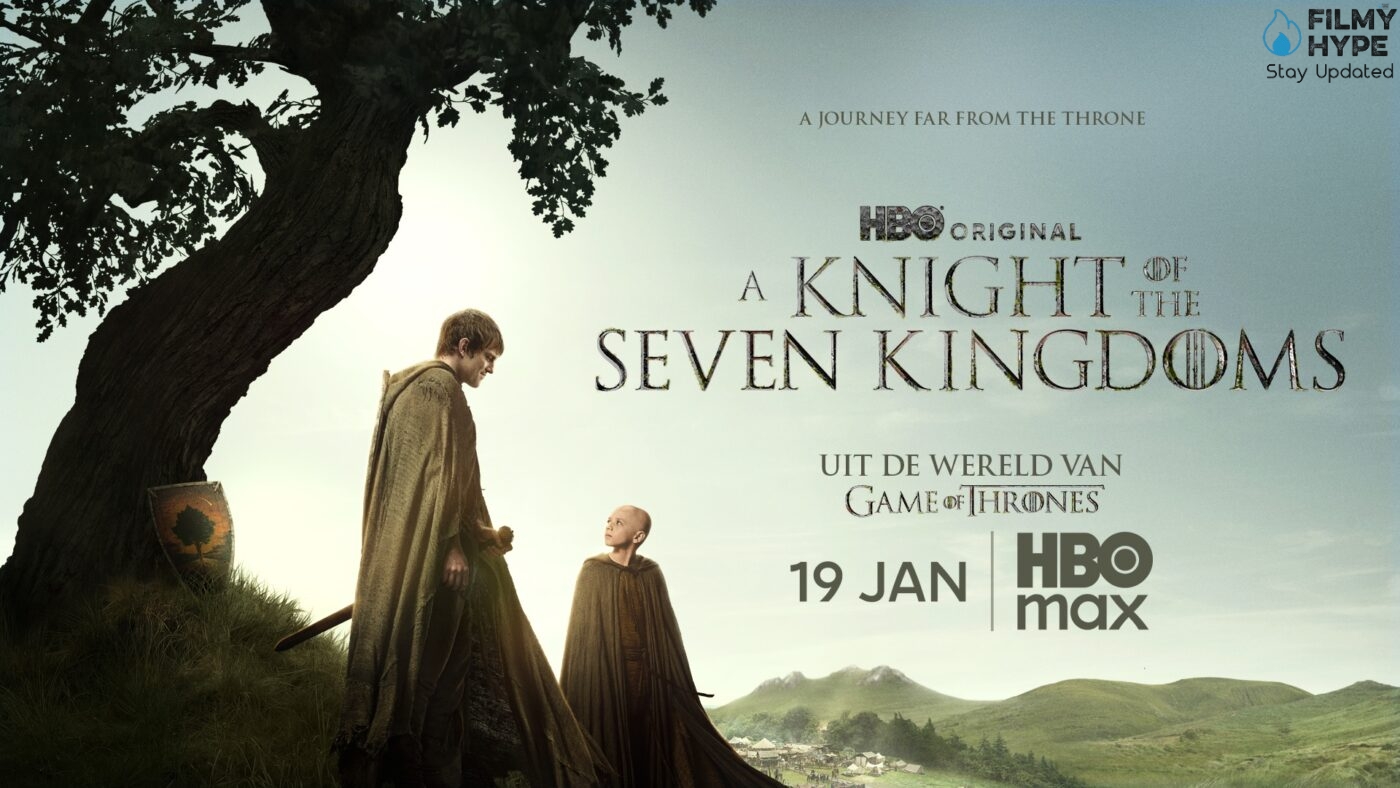
At first glance, A Knight of the Seven Kingdoms might seem like one of the most distant productions from the world of Game of Thrones never realized. The series, starting from its duration — approximately 30 minutes per episode — presents itself as a comedy, without renouncing the ethics, moral complexity, and harshness that characterise the narrative universe of George R.R. Martin. By “comedy” we do not mean a superficial lightness, but a narrative structure that inserts comic grafts capable of toning down the dark tone of the story, which nevertheless remains very present. The comedy chosen often tends towards zany, a stylistic signature that could turn some audiences off, especially in the early episodes, where the balance between irony and drama is not yet fully balanced. As the series gets into full swing, however, the comedic moments become more measured and functional to the story, leaving room for a narrative of introspection, personal growth, and building bonds between the characters.
A Knight of the Seven Kingdoms Review: The Story Plot
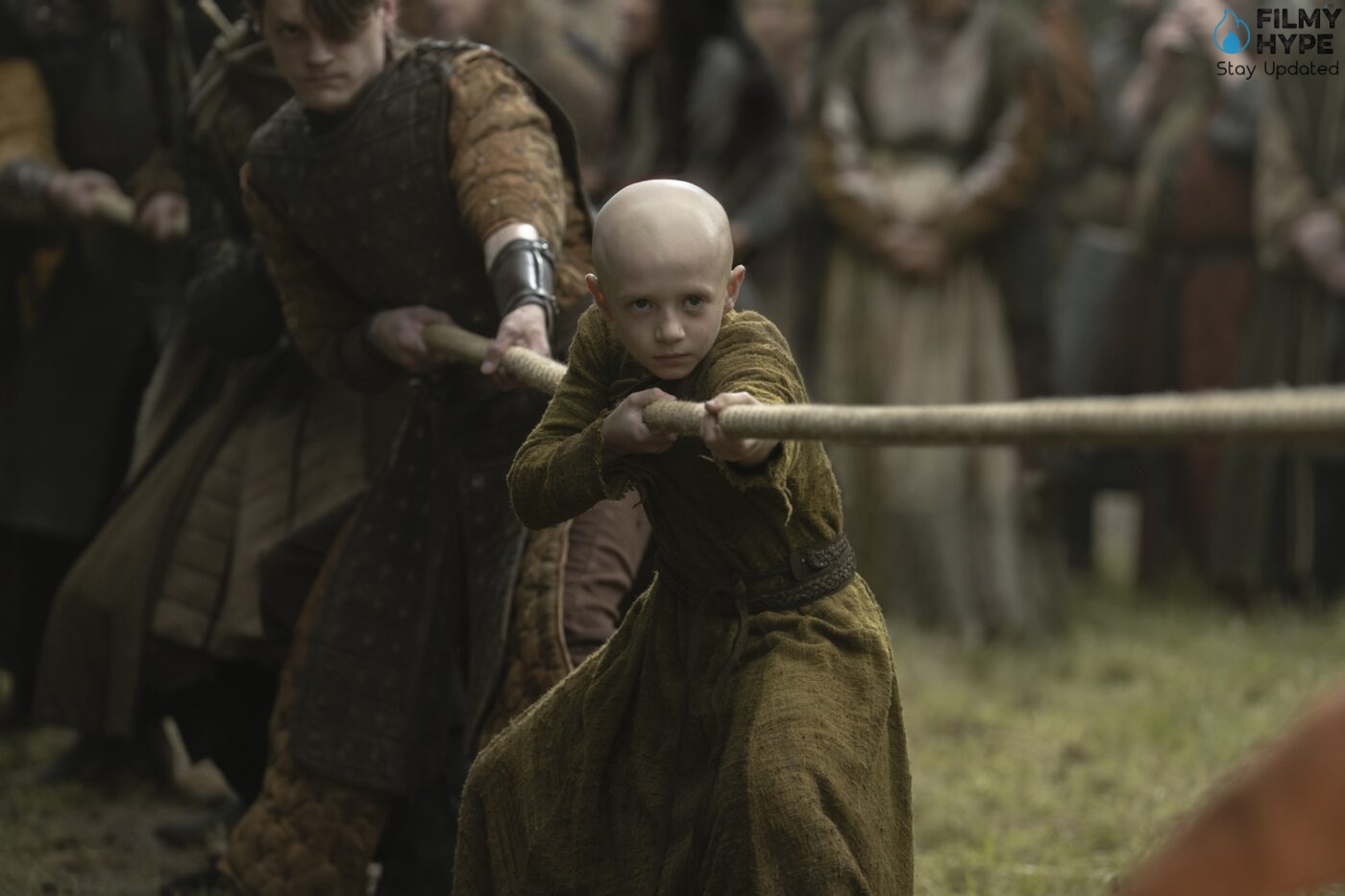
Forget, at least in part, court intrigues, noble houses, ladies and lords, dragons and wars for succession. A Knight of the Seven Kingdoms is a small, very small story: that of Dunk, a novice knight-errant, and his squire Egg, two lost souls who found themselves in that chaotic marasmus called Westeros. Set about 90 years before the events of Game of Thrones, the series written by Ira Parker and George RR Martin follows the American writer’s stories quite faithfully and aims to take us into the rot of the Westeros “undergrowth.” The plot is extremely simple: Dunk, a poorly trained knight, inherits his sword, shield, and horses from the Ser who raised him, and embarks on a journey to make a name for himself in the Seven Kingdoms by pursuing all the positive virtues passed down from his mentor. He will meet Egg, a mysterious hairless, egg-headed child (hence his name), who becomes his squire. The two arrive at a tournament during which they will learn, at their expense, the vices, secrets, and cruelties of the main families of Westeros, from the Baratheons to the fearsome Targaryens, the house that still sits on the Iron Throne despite losing its mythological dragons.
A Knight of the Seven Kingdoms Review And Analysis
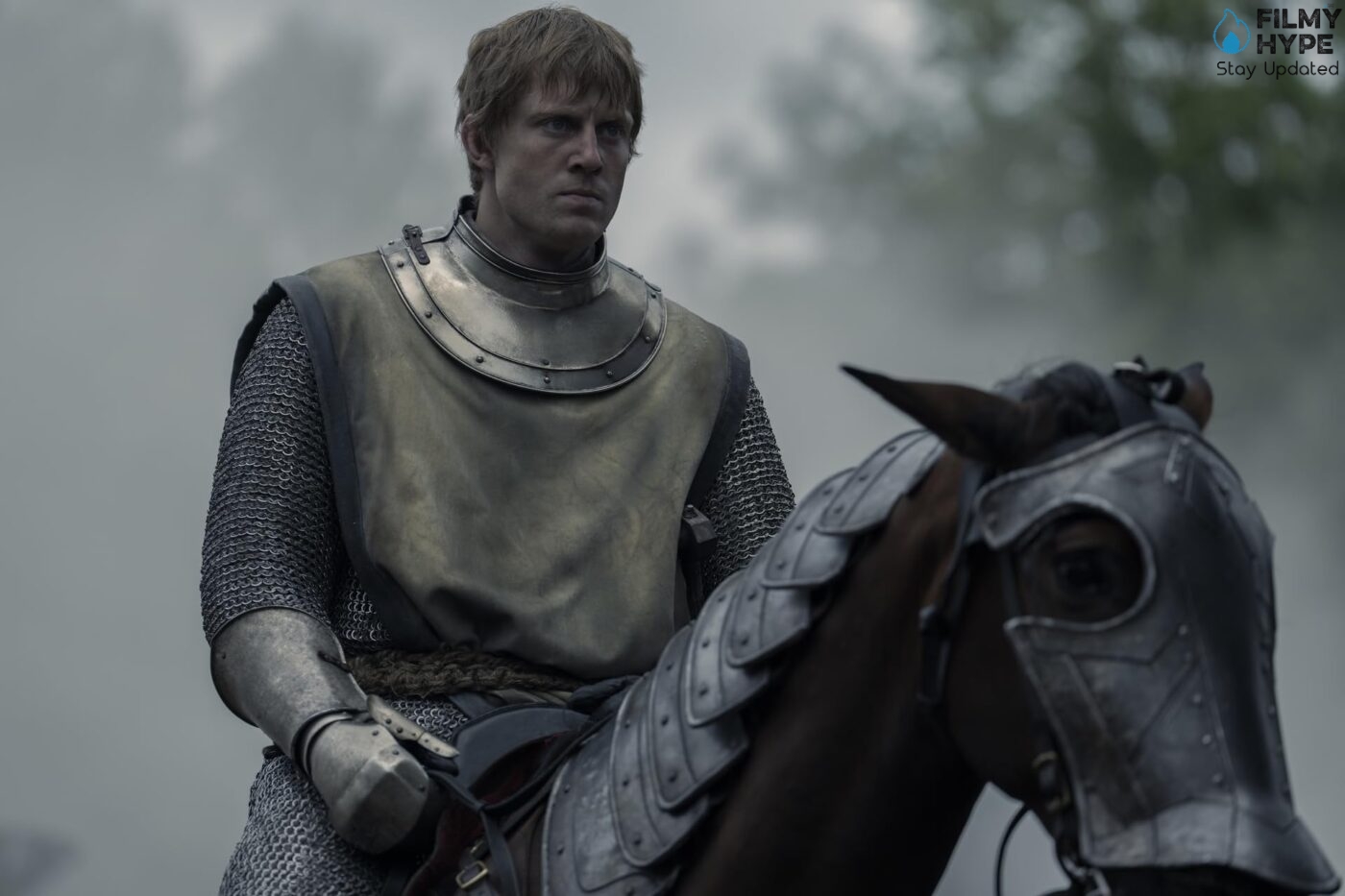
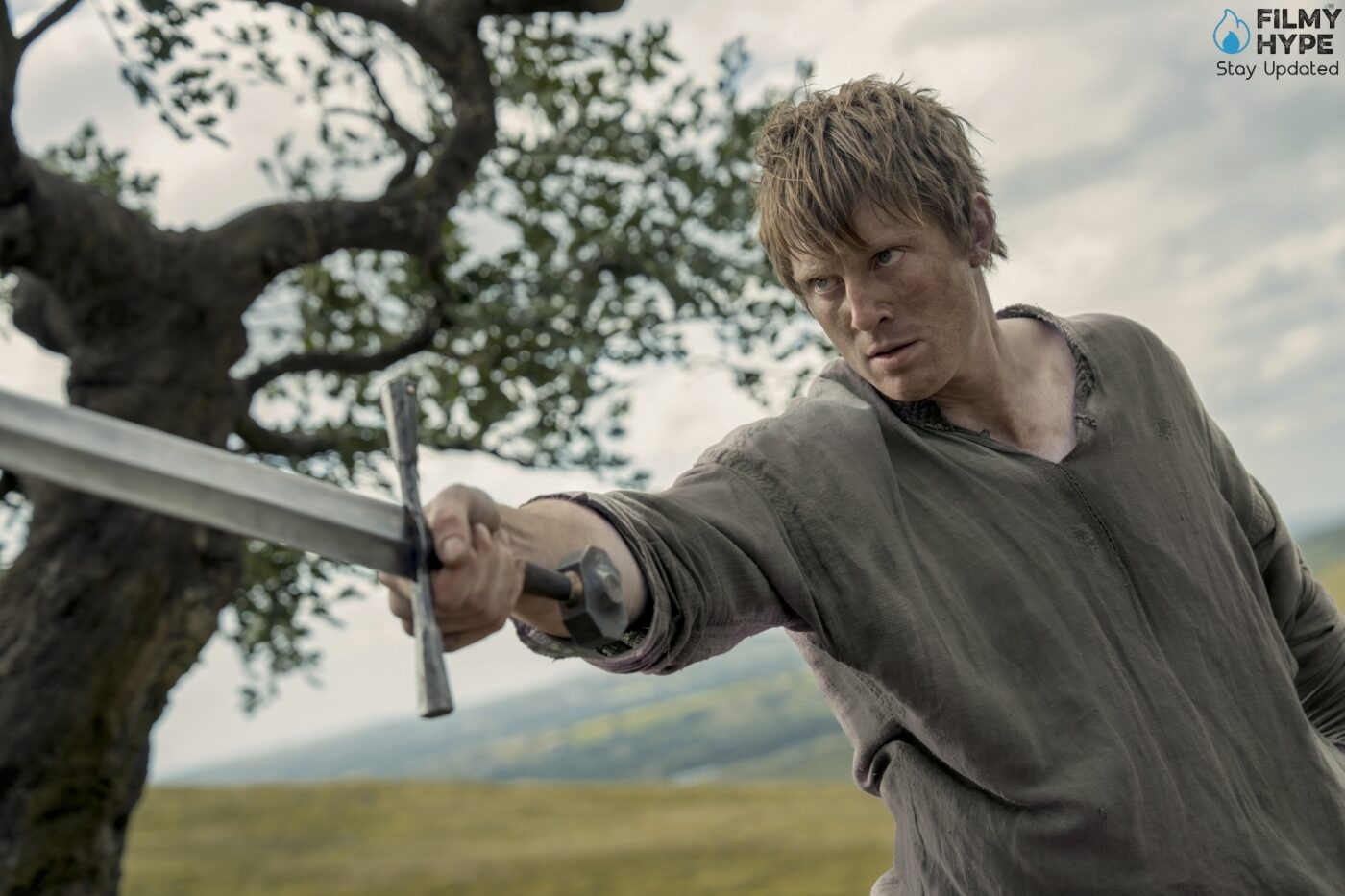
The main element of prominence and originality, in A Knight of the Seven Kingdoms, is the tone: Far from both the solemnity of Game of Thrones and the Shakespearean drama of House of the Dragon, the series immediately presents itself as a medieval dark comedy, perfectly centering both the mood and the atmosphere. It is a story, in some ways, even dirtier and cruder than its predecessors: As mentioned, we are not in glittering castles or on the backs of mighty dragons, but in the murky Westerosian “underworld.” Even the bravest knights or the wealthiest nobles are farcical and over-the-top masks, and the fights have nothing epic or spectacular about them. To be fair, A Knight of the Seven Kingdoms offers the bloodiest, most believable, and realistic action scenes and sword duels in the entire saga. The beauty is that this formula, surprisingly, works, amazes, and amuses: because, in the subtext of an exuberant comedy, A Knight of the Seven Kingdoms hides valuable themes of identity, belonging, and honor, hitting where it hurts most when the tone suddenly becomes more dramatic.
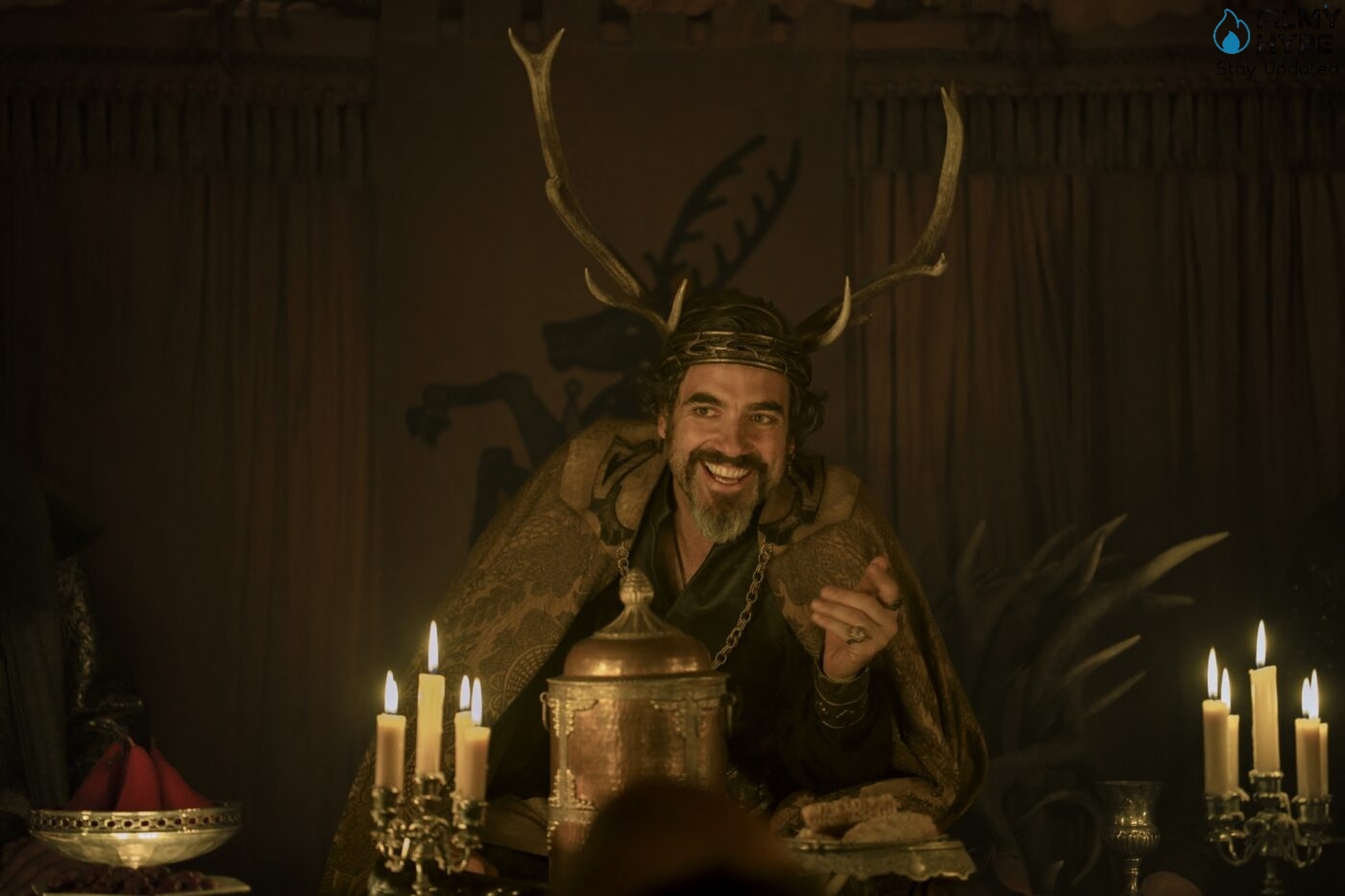
And in fact the series soon takes shape as a tragicomedy studied to the millimeter, starting from the minutes and space granted to each character: essential, in terms of timing, in the distribution of locations and in the cast of protagonists and supporting actors. It’s a smaller format product, since we’re talking about 6 episodes lasting about half an hour: a far cry from the monstrous numbers of previous series, A Knight of the Seven Kingdoms makes simplicity its main war song. This, over the course of the story, perhaps at times sacrifices a little space given to some characters, about whom one feels the need to know something more. But it doesn’t penalize the writing, which manages to exhaust more or less all the remaining subplots by the final season, while leaving open glimpses for later seasons, which can draw heavily from other Martin stories.
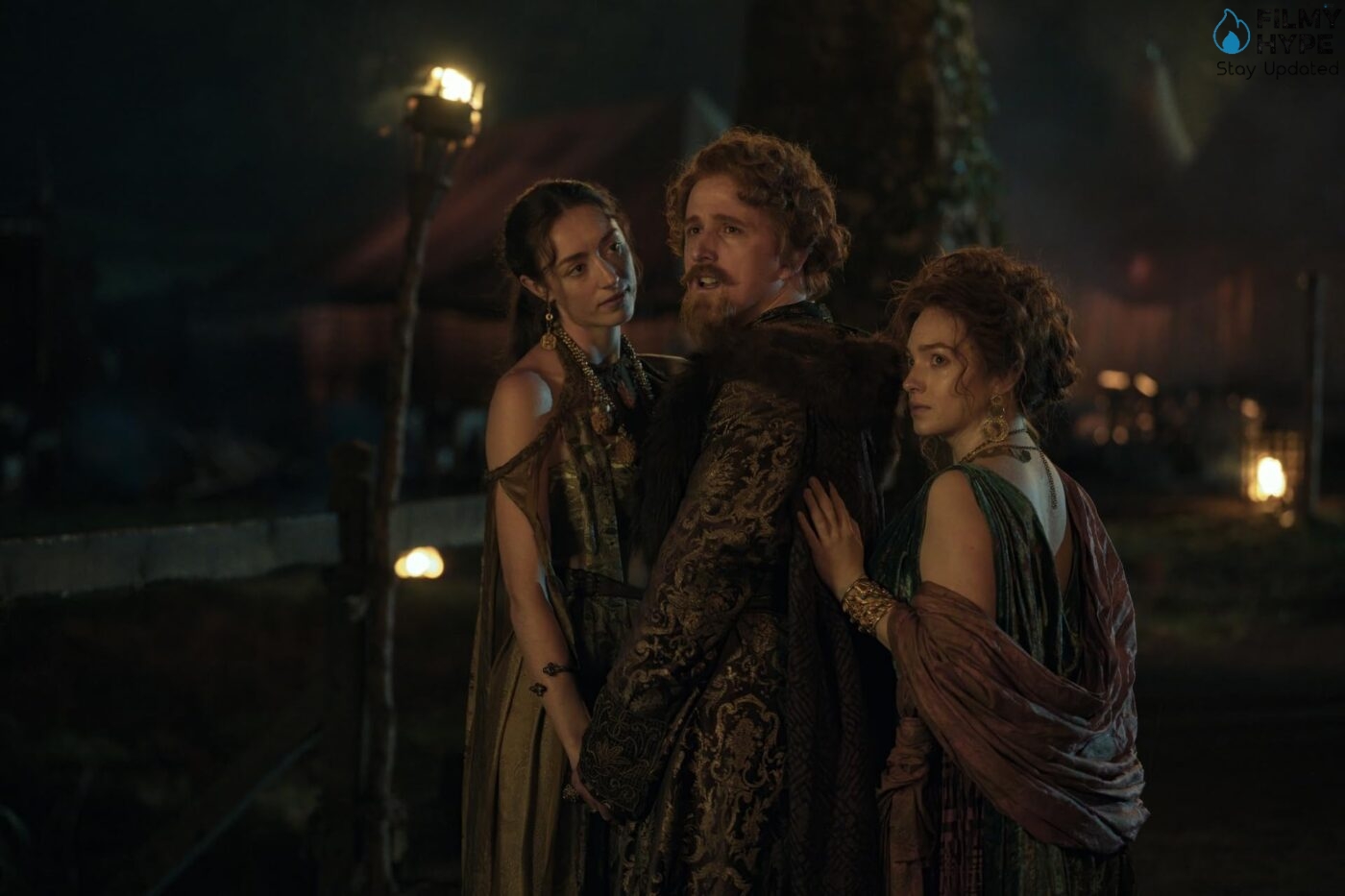
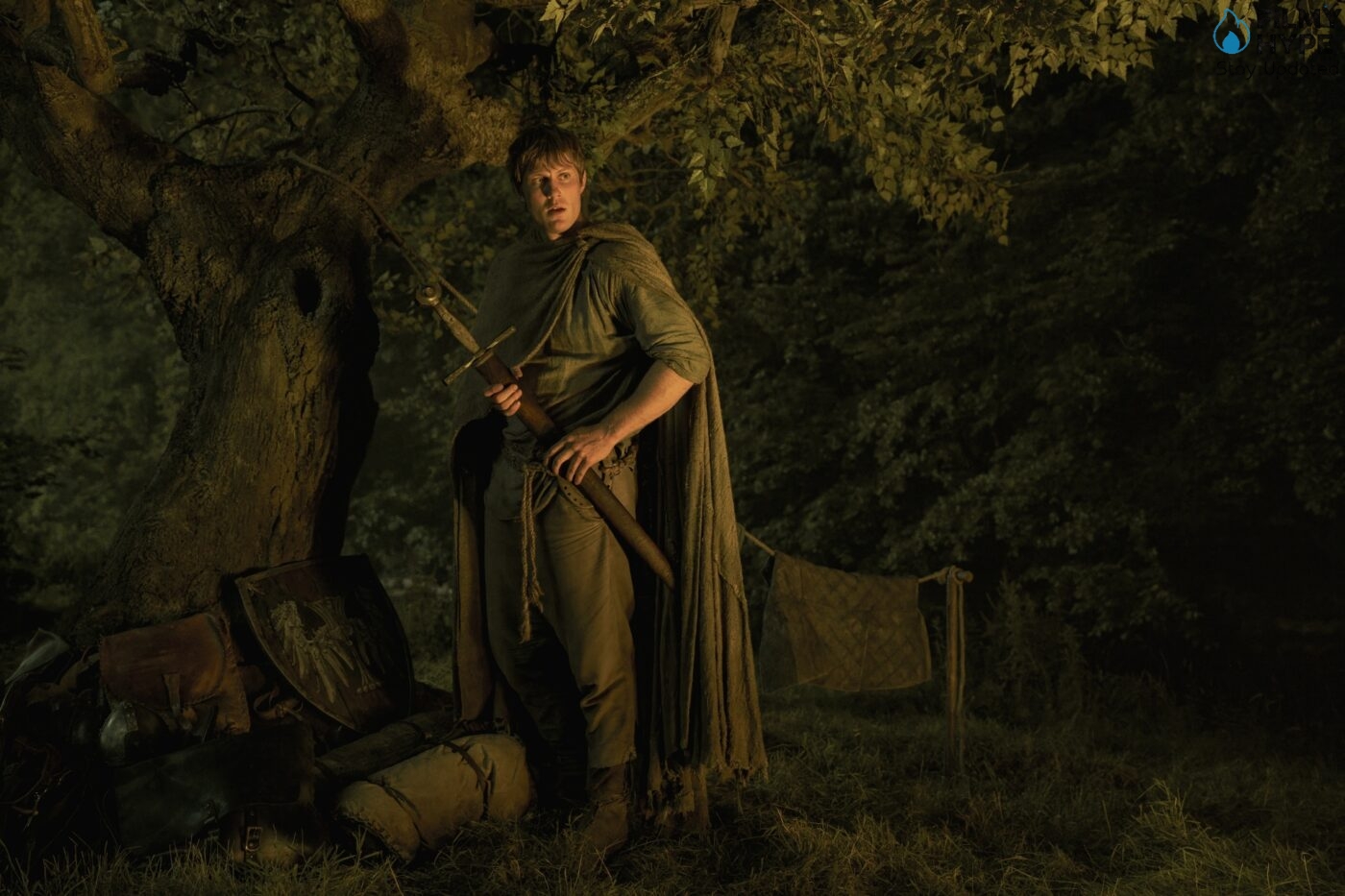
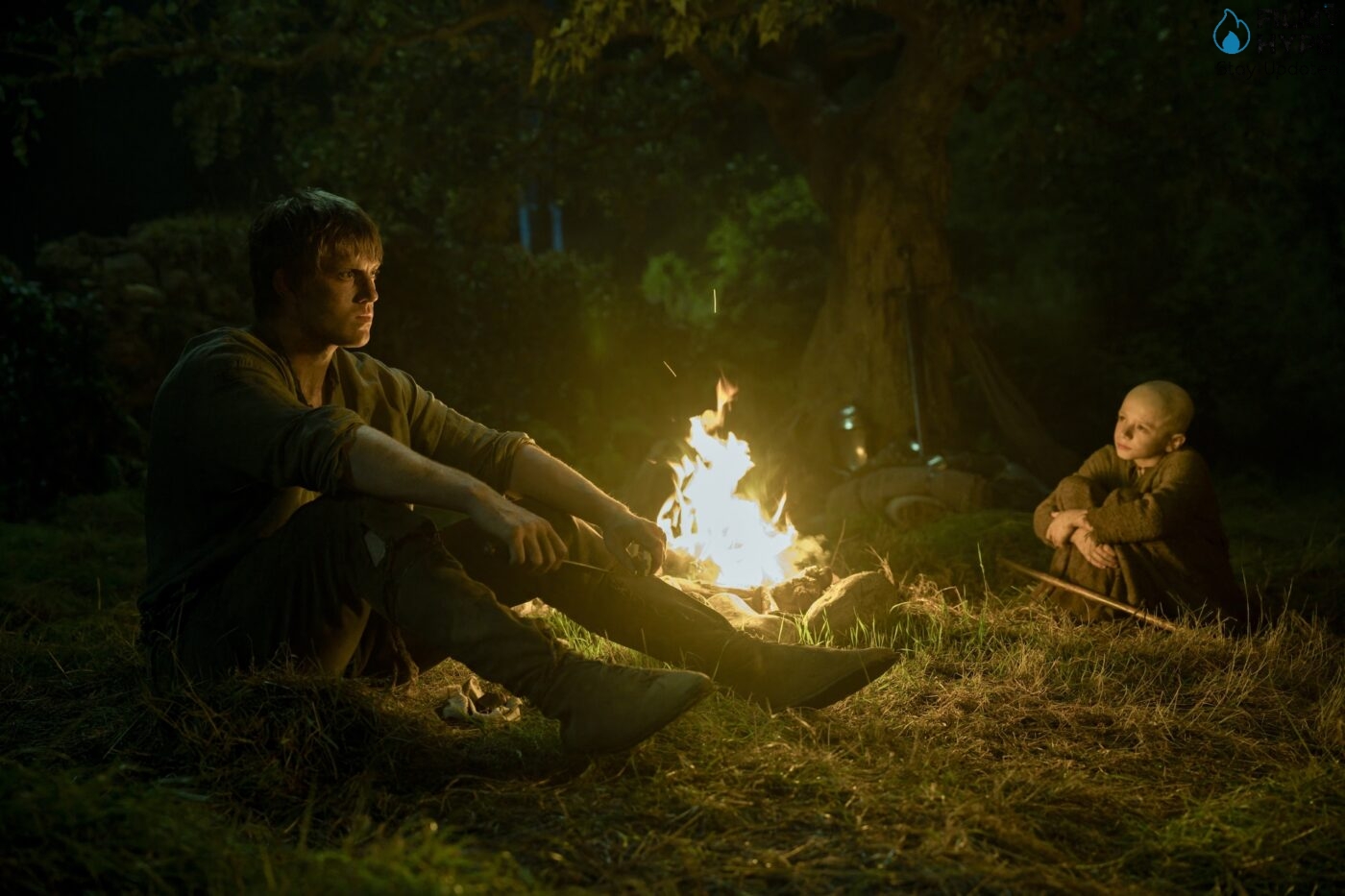
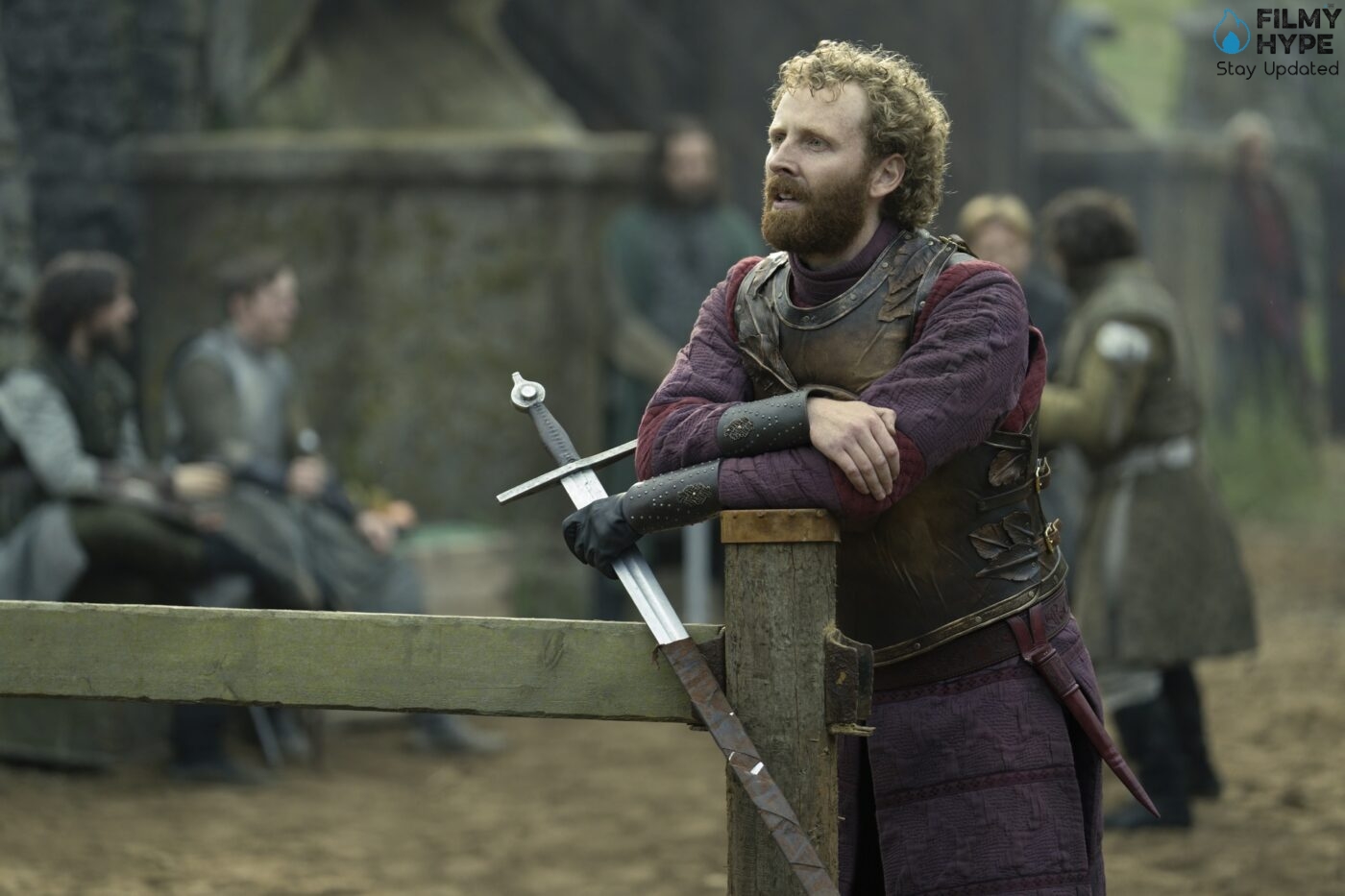
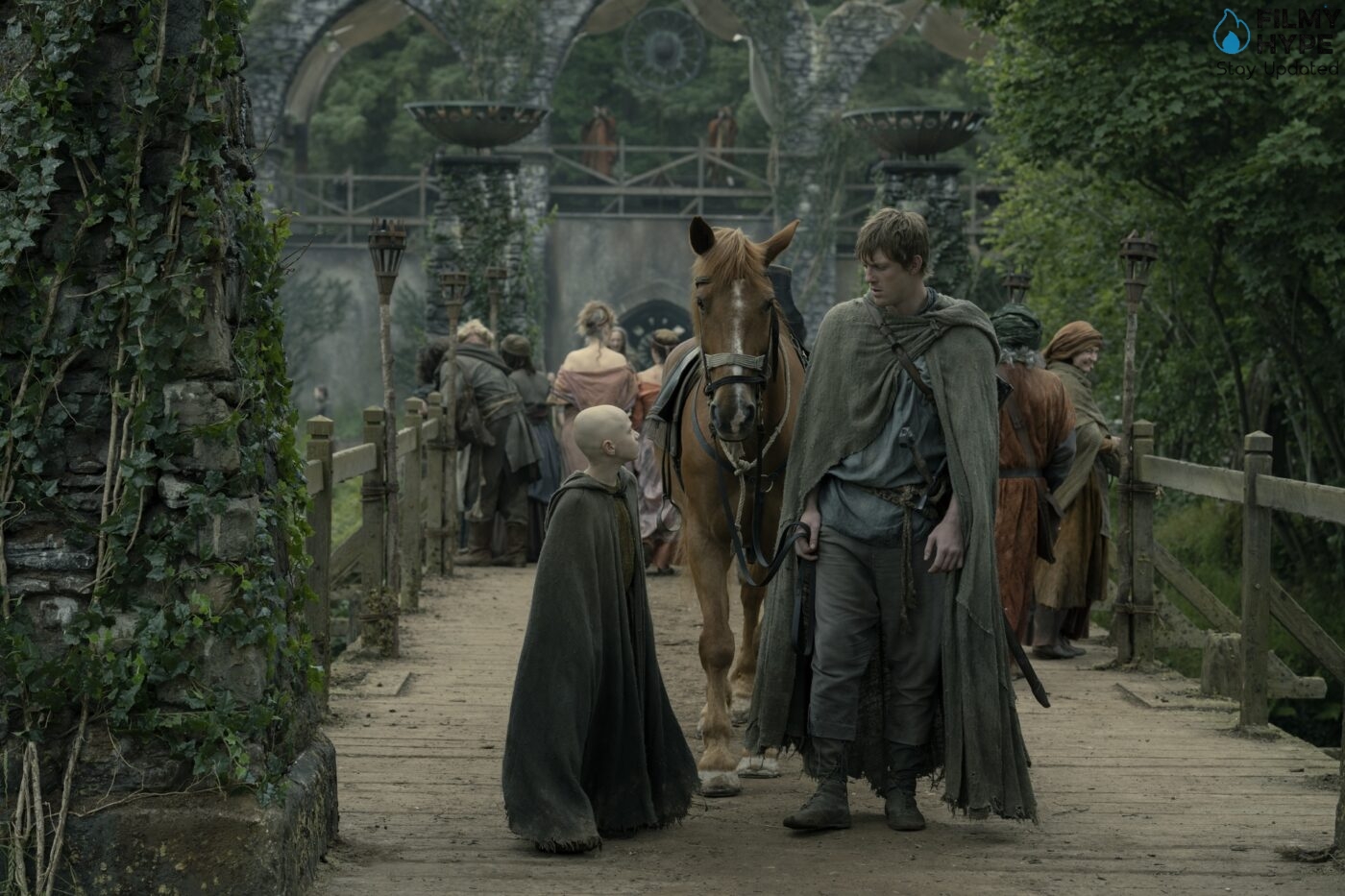
Ser Duncan and Egg are not simply the protagonists of the series: they are its true gravitational center. Their relationship arises from a decidedly strong visual contrast: on the one hand, Dunk, a clumsy, idealistic and often naive homage, who embodies an idea of chivalry that is now almost anachronistic; on the other Egg, a seemingly fragile child, but endowed with sharp intelligence, critical spirit and a vitality that allows him to read the world with surprising lucidity. The bond that is built between the two is not purely hierarchical. It is not only that between knight and squire, but takes on the traits of a complicit, fraternal, and deeply human relationship, made up of mutual protection, misunderstandings, and undeclared affection: Dunk learns from Egg as much as Egg learns from Dunk. Around them revolves a constellation of deliberately eccentric, bizarre, sometimes grotesque characters, who seem to have emerged from a folk tale rather than a chivalric epic. Their actions are often over the top, unpredictable, and at times deliberately absurd, and serve to support the comedy tone of the series, accentuating its lighter and more dissonant side compared to the standards to which the universe of Westeros had accustomed the audience.
Yet, behind this ironic surface, the harshest and cruelest soul in Martin’s world does not fail. Themes such as honour, brotherhood, loyalty, and respect are continually being tested within a deeply chauvinistic, violent, and ruthless imaginary, where strength, pride, and domination are still the main coins of exchange. The series never really idealizes this world: it shows it for what it is, leaving the protagonists to search, often awkwardly, for their own way out. It is precisely this constant friction between lightness and brutality that makes A Knight of the Seven Kingdoms only apparently far from Game of Thrones. As the episodes progress, the comedy component downsizes and leaves more and more room for a narrative that becomes dramatic, conflictual, and emotionally layered. The viewer is gradually brought back into that ambiguous and cruel moral universe that made the saga famous, but through a different door: not that of thrones and wars, but that of ordinary men trying to remain true to themselves.
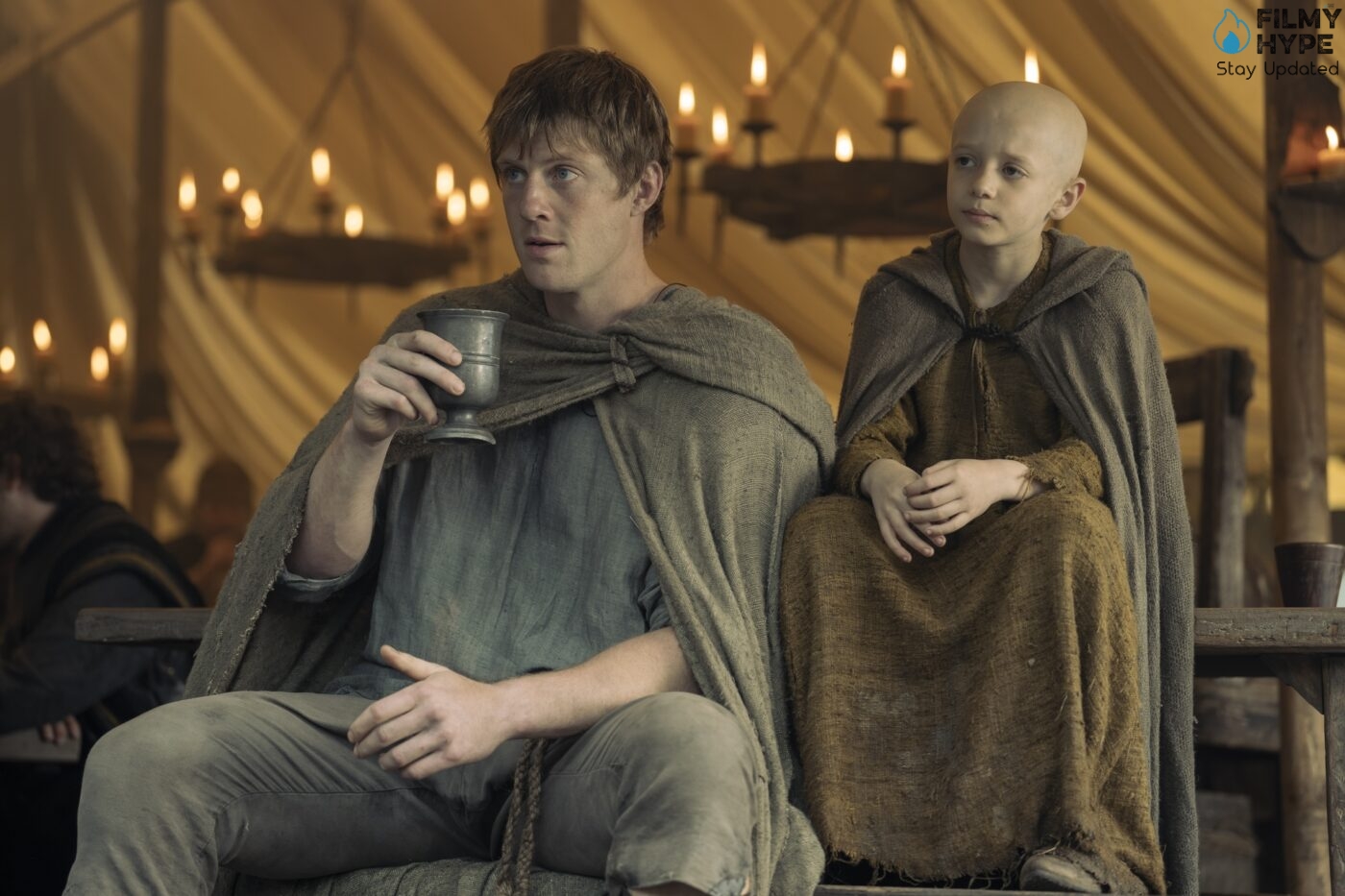
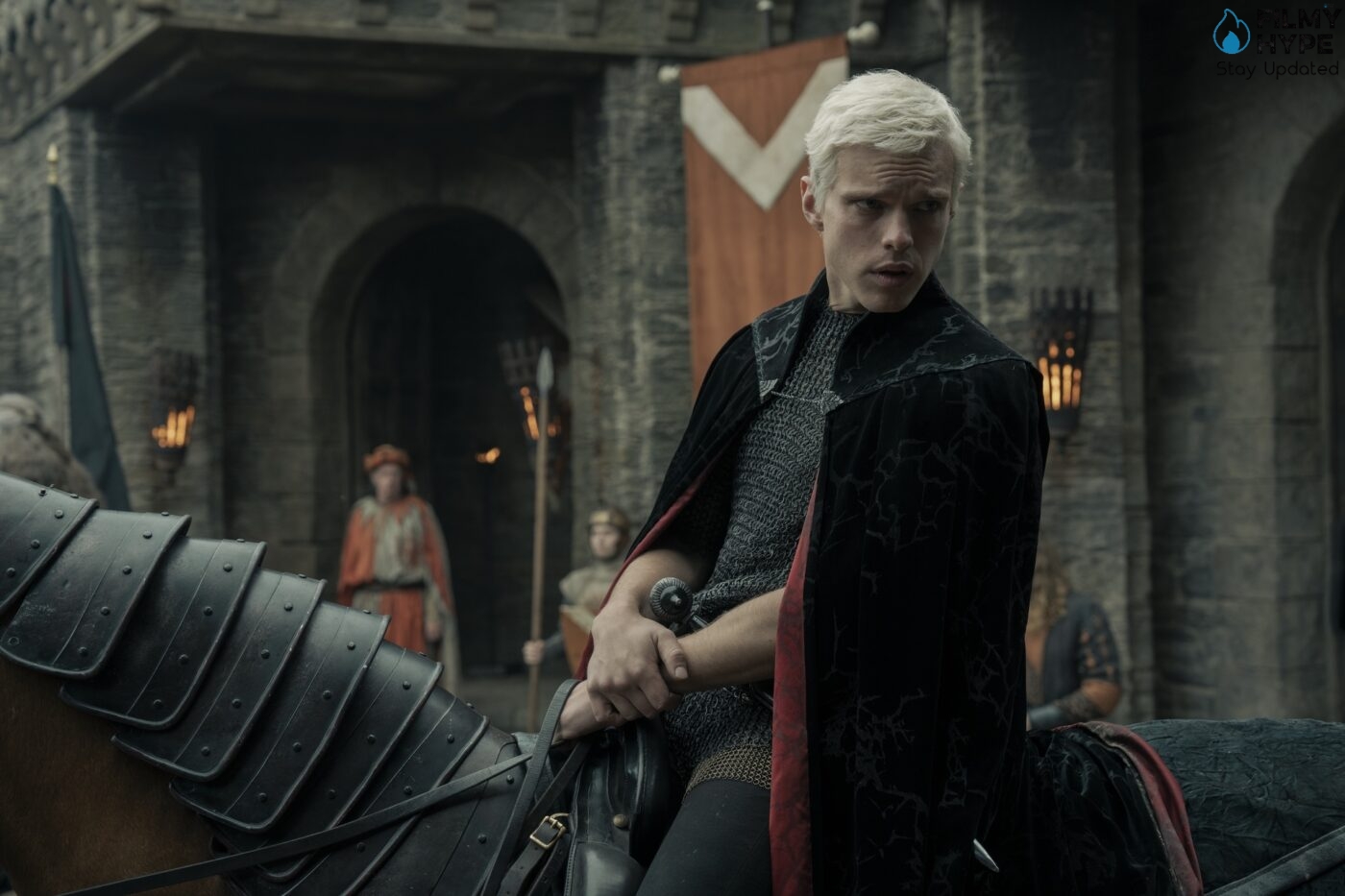
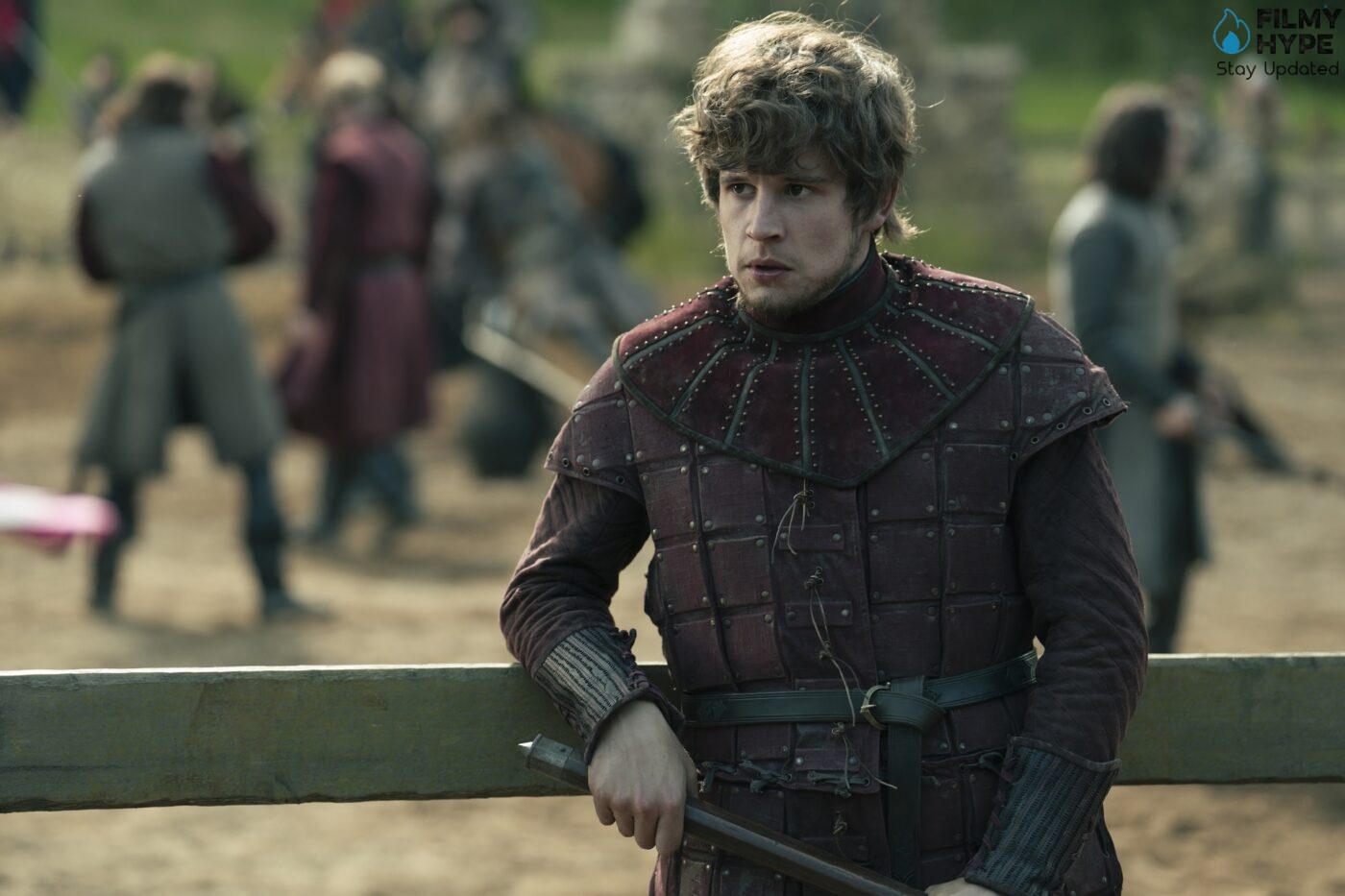
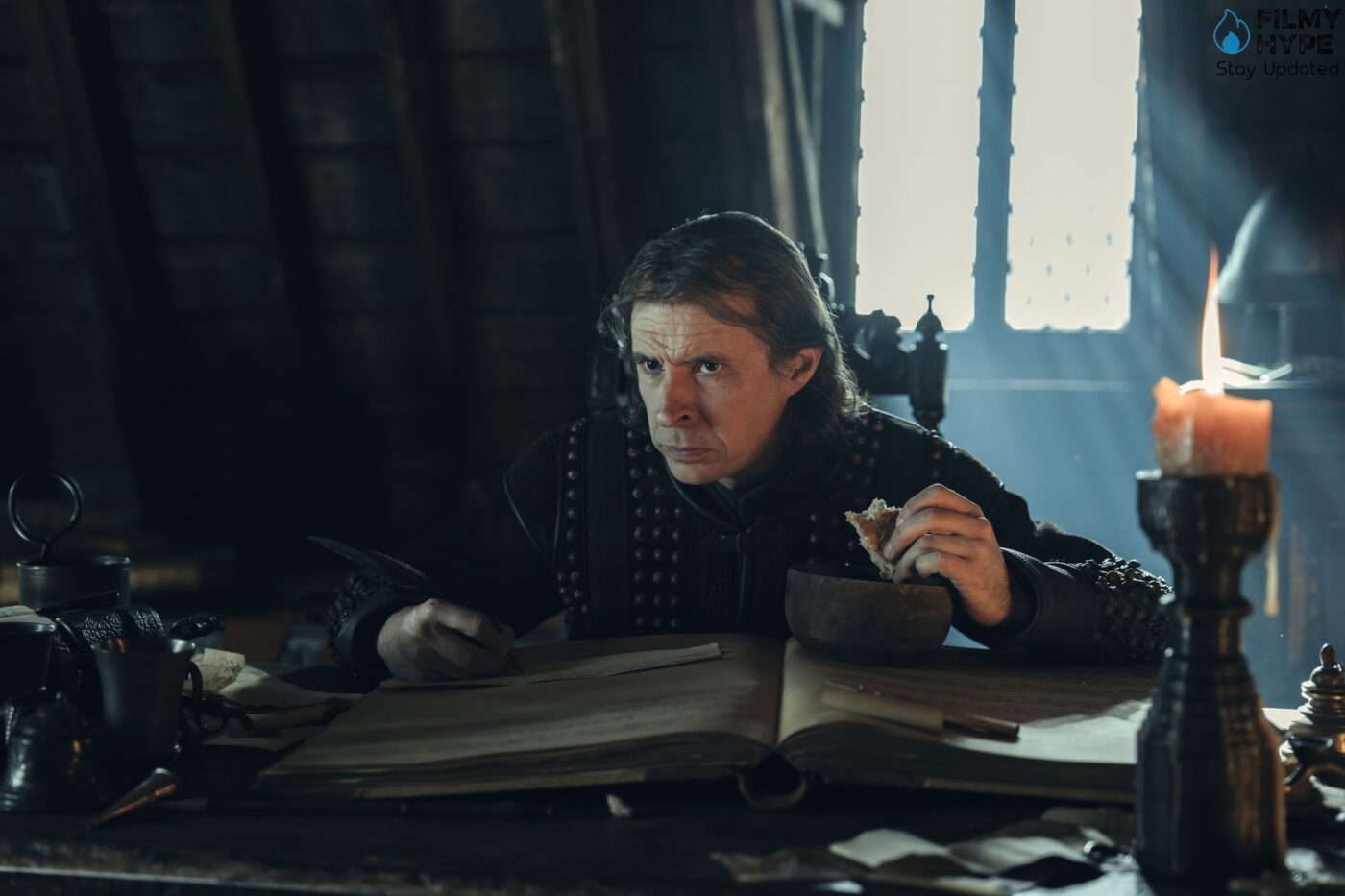
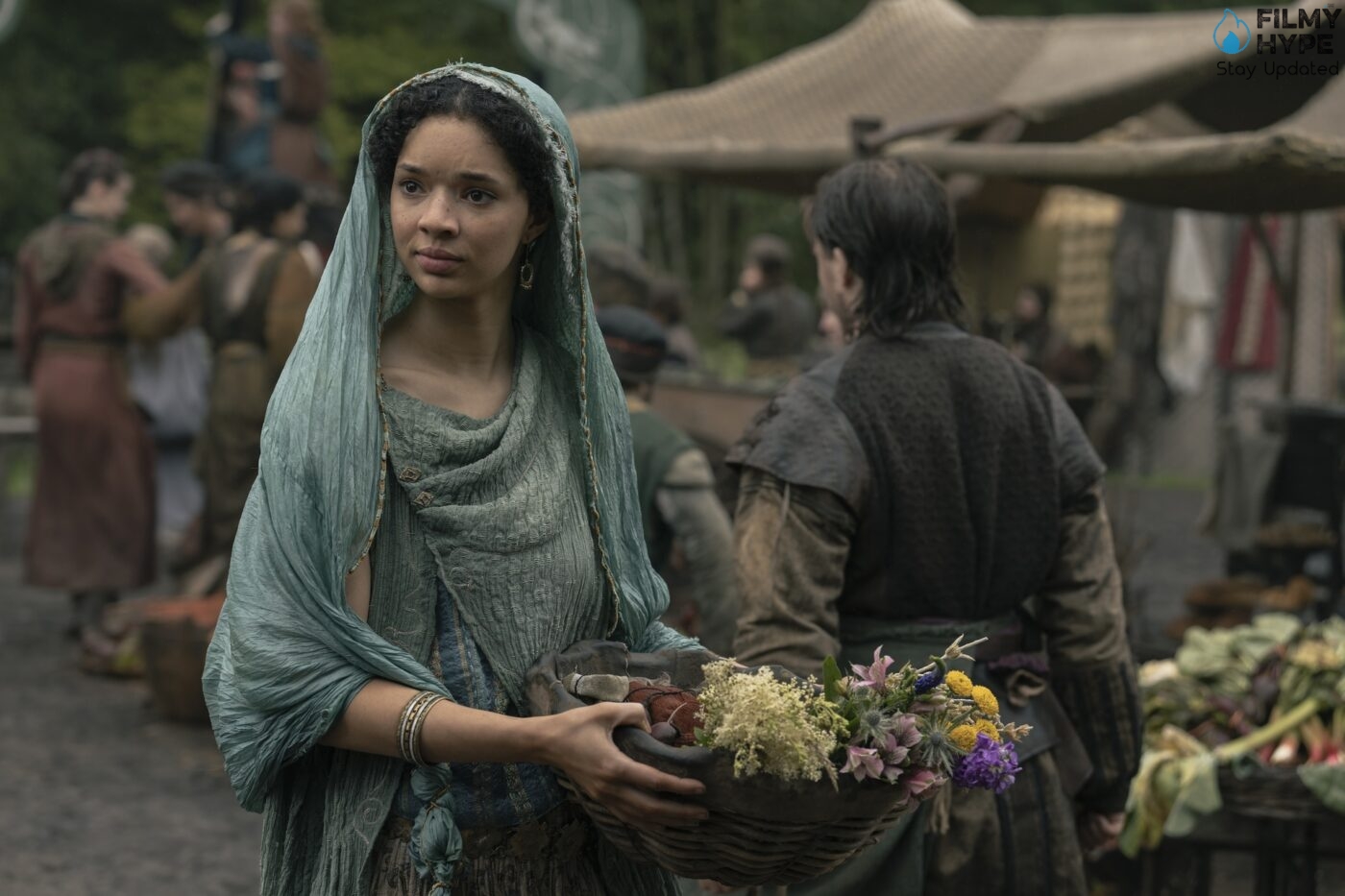
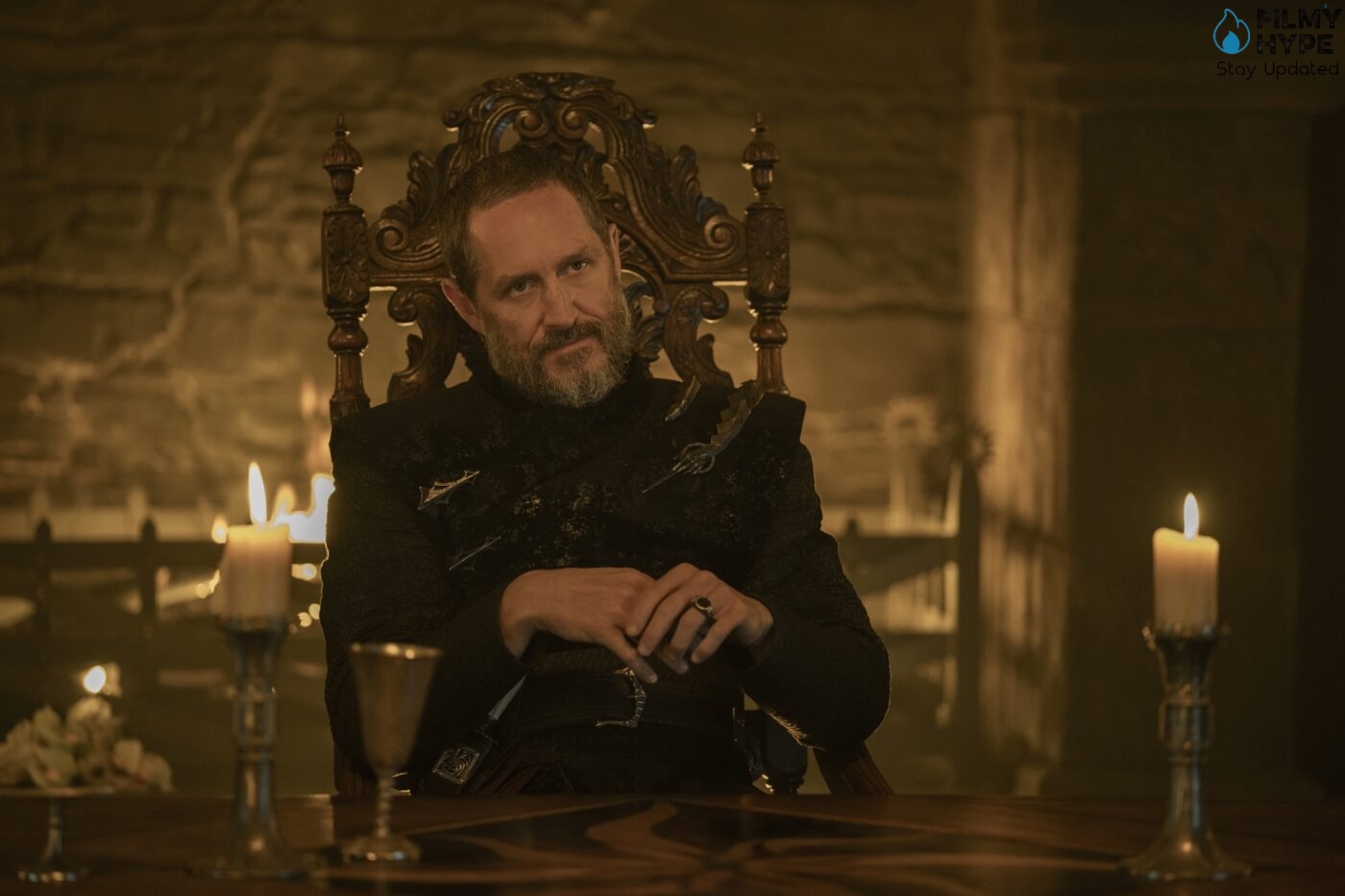
From the point of view of staging, one clearly perceives how A Knight of the Seven Kingdoms is both a project born within a production that truly believes in the story it is telling and that has invested significantly in both the qualitative and the productive levels. Nothing appears left to chance: every visual element contributes to building a coherent, credible world perfectly integrated into the Westeros imagination. The direction adopts an effective style, which favors narrative clarity and the centrality of the characters; there is no shortage of moments in which the spectacular effect is sought. The staging is functional to the story: it does not overwhelm it, it supports it, allowing the viewer to immerse themselves in this world halfway between fairy tale, adventure, and drama. The costumes and sets deserve special mention. There is no ostentation, but attention to detail, aesthetic coherence, and respect for the imagination already constructed in previous series set in the Seven Kingdoms.
A Knight of the Seven Kingdoms turns out to be a successful gamble: a series that dares to change tone, duration, and structure, without, however, betraying the soul of the universe created by George R.R. Martin. The choice to focus on a shorter, more ironic and intimate narrative allows us to explore Westeros from a new perspective, without sacrificing the moral complexity that made it great Game of Thrones. After a deliberately unsettling start, the series gradually finds its balance, building a story that grows in thematic intensity and narrative engagement. The relationship between Dunk and Egg becomes the true heart of the story, capable of making themes such as loyalty, growth, friendship, and identity universal. Visually curated, narratively coherent, and supported by a compelling cast, the series represents not only a good spin-off but an important piece in the expansion of the universe of Westeros.
Even though he knows that the short stories he is inspired by The Knight of the Seven Kingdoms it is a lighter parenthesis than the work of George RR Martin, the first impact with the story and Dunk introducing us to it is disconcerting: throughout the first episode we wondered if that was what the audience of Game of Thrones expected from this second spin-off/prequel of the series, if it was able to speak to those who had loved the raw and powerful epic that was told to us from 2013 to 2019 and to which also House of the Dragon it aligns. But sequence after sequence, Dunk and his excellent interpreter Peter Claffey manage to break down our resistance and perplexity and win us over, so much so that they come to think that perhaps it was precisely the kind of story that the saga needed to break the pace and propose something new, smaller, more intimate, warmer. He succeeds for his ability to sketch the purity of his Ser Duncan, for the writing that supports him, and for the invaluable assistance of the equally good, yet very young, Dexter Sol Ansell, who brings his trusty squire Egg to the screen.
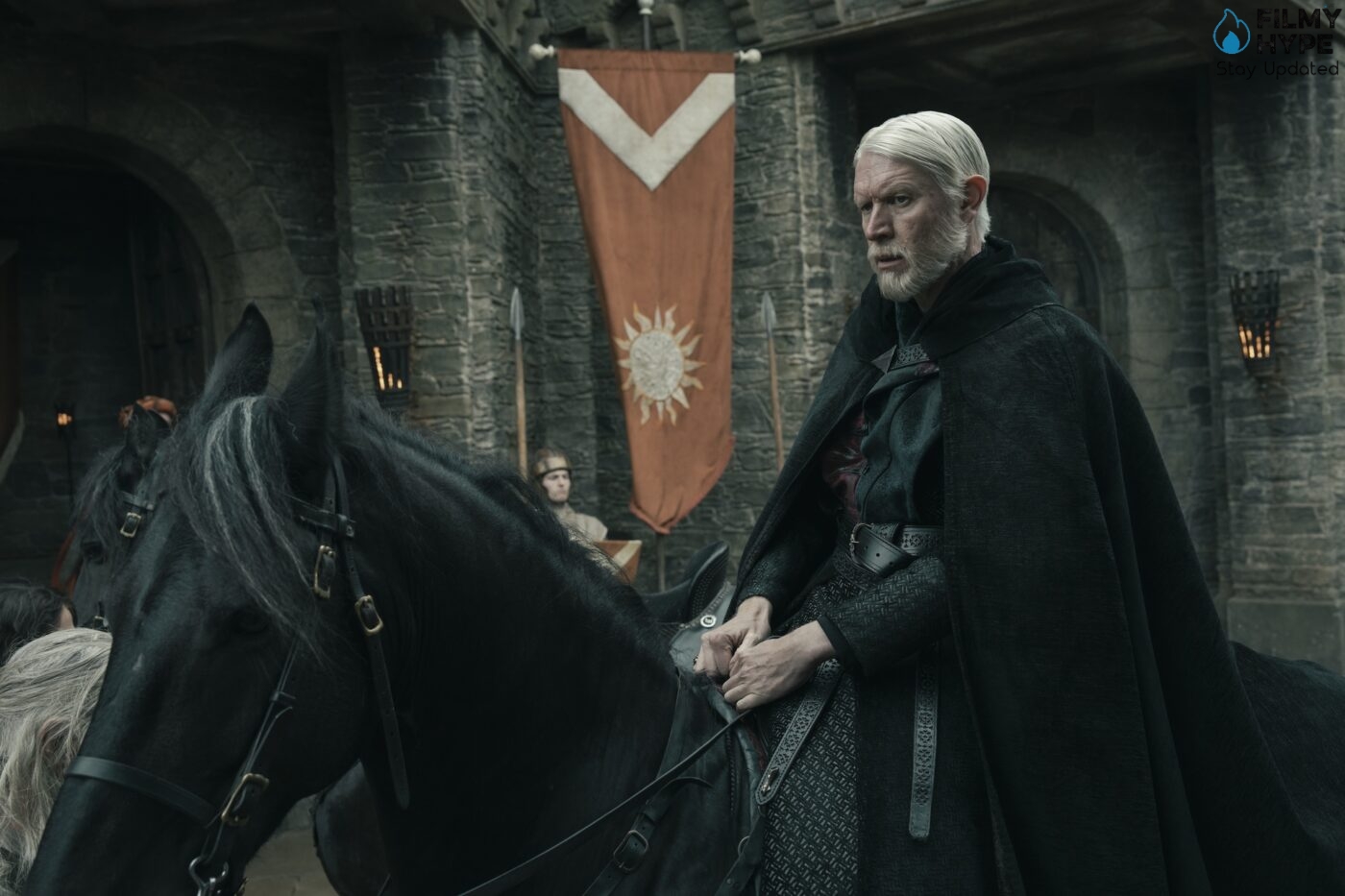
There are no dragons in A Knight of the Seven Kingdoms, there is not the tragic scope and magnificence of the two previous series, but there is an equal attention to detail that gradually reassures us about the world we move in: Westeros emerges with the same depth, and the same usual production values as HBO, but in the service of a smaller, more intimate story, who manages to both entertain and excite with brilliance and humility. A world that is indeed sketched by the meticulous work on sets, environments, and costumes, but also from the composition of a varied and credible cast that knows how to accompany and assist the protagonists on their journey. And it must be said, and it is not negligible, that by its nature it can be enjoyed even by those still unfamiliar with the two series that preceded it: references to characters, places and details that lovers of Martin’s world can recognize and appreciate will be lost, but they are not essential to enjoy the story of this pair of new heroes, of knights errant of Westeros, who we have learned to love.
Despite the lighter tone and smaller scale, A Knight of the Seven Kingdoms remains deeply Martinian. The tension between ideal and reality, between myth and human nature, is the same ground on which it thrived Game of Thrones thrived. They change the dimensions of the conflict, not the worldview. Even when the season culminates in a collective dance rather than a pitched battle, the series doesn’t lose that disenchanted clarity that rejects easy consolations. From a production point of view, the level remains high but fits the ambition of the series and seems to look much closer to House of the Dragon or to the same Game of Thrones. The directors, Owen Harris and Sarah Adina Smith, maintain a dirty and believable realism: worn costumes, numerous extras, lived-in settings. Westeros appears less monumental, but more tangible. It’s a world where heroes still exist, but they must earn every inch of their way, without narrative shortcuts.
Viewed as a whole, A Knight of the Seven Kingdoms is a clever example of managing a complex narrative property. It offers fans a coherent expansion of Martin’s universe and, at the same time, a more regular and sustainable seriality. But beyond industrial logic, what remains is the effectiveness of the story. When Dunk and Egg ride together towards their future, the series clarifies its ambition: not to tell the fate of the world, but that of two people. It is a deliberately “small” story, and for this very reason, precious. In a universe often dominated by thrones, dragons, and apocalypses, A Knight of the Seven Kingdoms. Remember that even the desire to be respected and recognized for who you really are (beyond the name you bear) can be a battle worth recounting.
A Knight of the Seven Kingdoms Review: The Last Words
Ultimately, A Knight of the Seven Kingdoms is the prequel/spin-off you don’t expect: far from the solemn, epic tones of the parent series and House of the Dragon, the HBO miniseries is as simple as it is essential and impactful: a biting, well-written medieval dark comedy, which shows a new side of Westeros and fascinatingly expands the lore of Game of Thrones. HBO Max is off to a flying start in Italy, with an exclusive worth a subscription. A Knight of the Seven Kingdoms turns out to be a successful gamble: a series that dares to change tone, duration, and structure, without betraying the soul of the universe created by George R.R. Martin. The choice to focus on a shorter, more ironic and intimate narrative allows you to explore Westeros from a new perspective, without sacrificing the moral complexity that made Game of Thrones great. After a deliberately unsettling start, the series gradually finds its balance, building a story that grows in thematic intensity and narrative engagement. The relationship between Dunk and Egg becomes the true heart of the story, capable of making themes such as loyalty, growth, friendship, and identity universal. Visually curated, narratively coherent and supported by a compelling cast, the series represents not only a good spin-off but an important piece in the expansion of the Westeros universe.



One Comment