


The Bombing of Pan Am 103: Some dates stick in the collective memory, and for anyone old enough to remember December 21, 1988, the name Lockerbie still carries a weight that’s hard to describe. It was four days before Christmas. A Boeing 747 called Clipper Maid of the Seas, operating as Pan Am Flight 103, took off from London Heathrow on a routine transatlantic journey to New York. On board were 259 people. College kids flying home for the holidays. Families reuniting. Business travelers are wrapping up their year and looking forward to a break. The flight plan was unremarkable. The departure was on time. Everything was normal until thirty-eight minutes after takeoff, when the plane exploded at 31,000 feet.
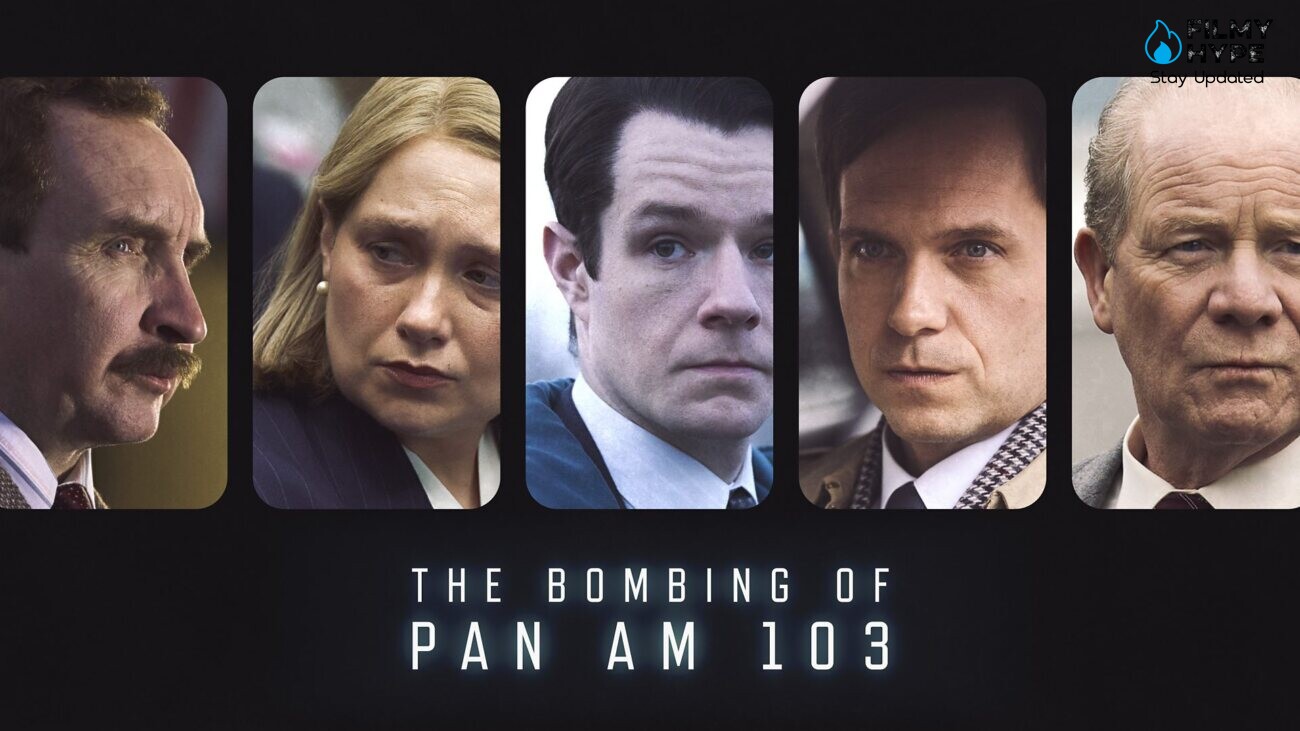
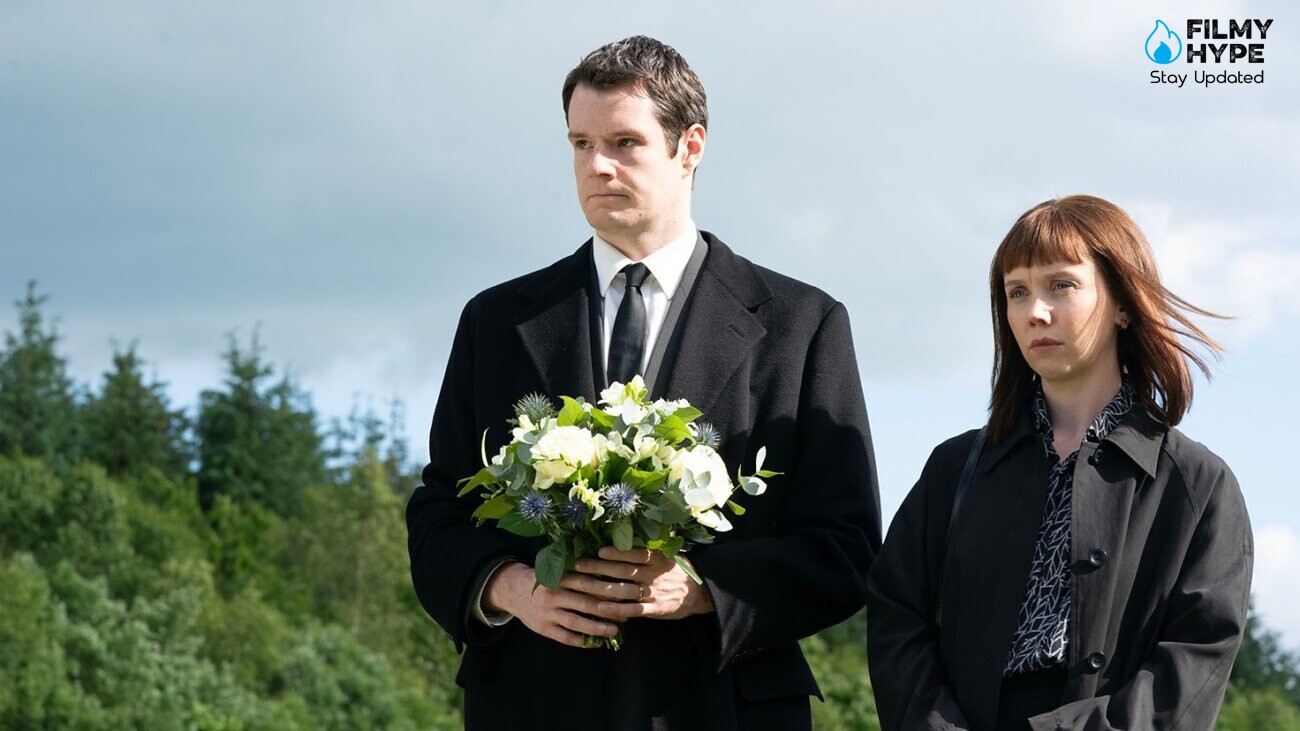
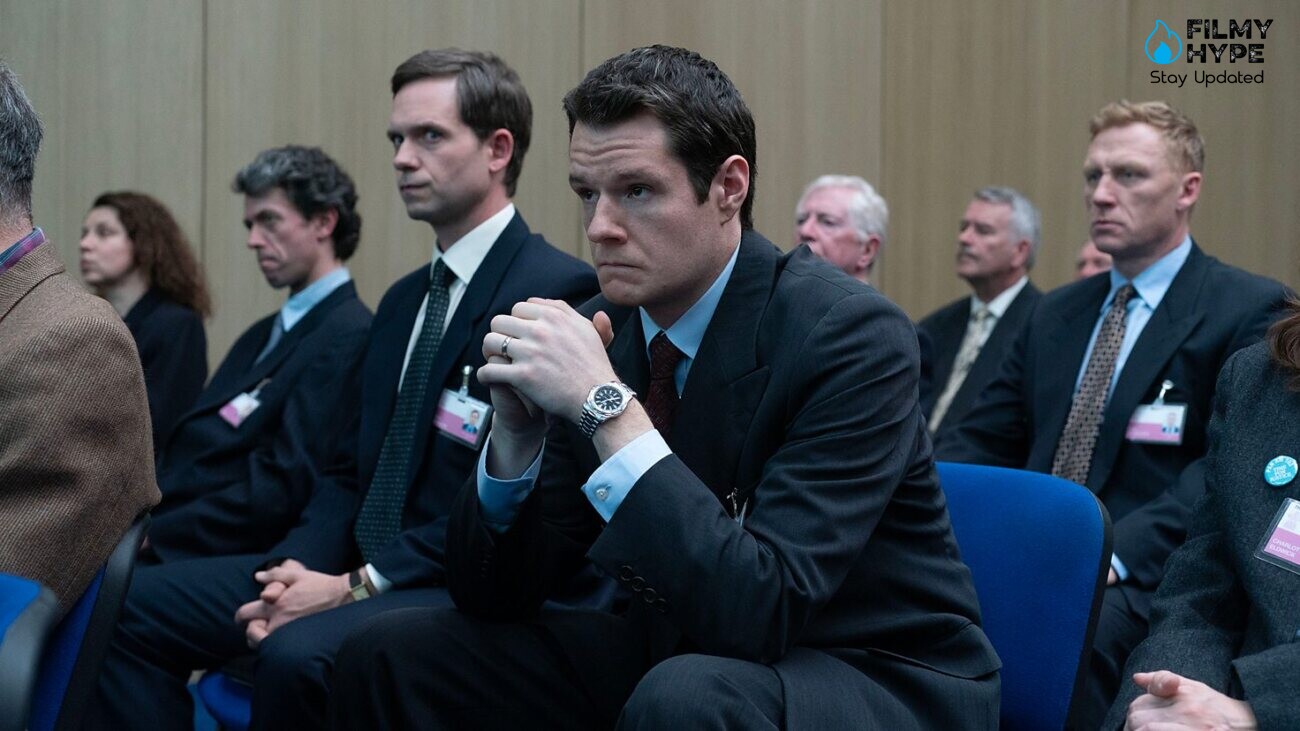
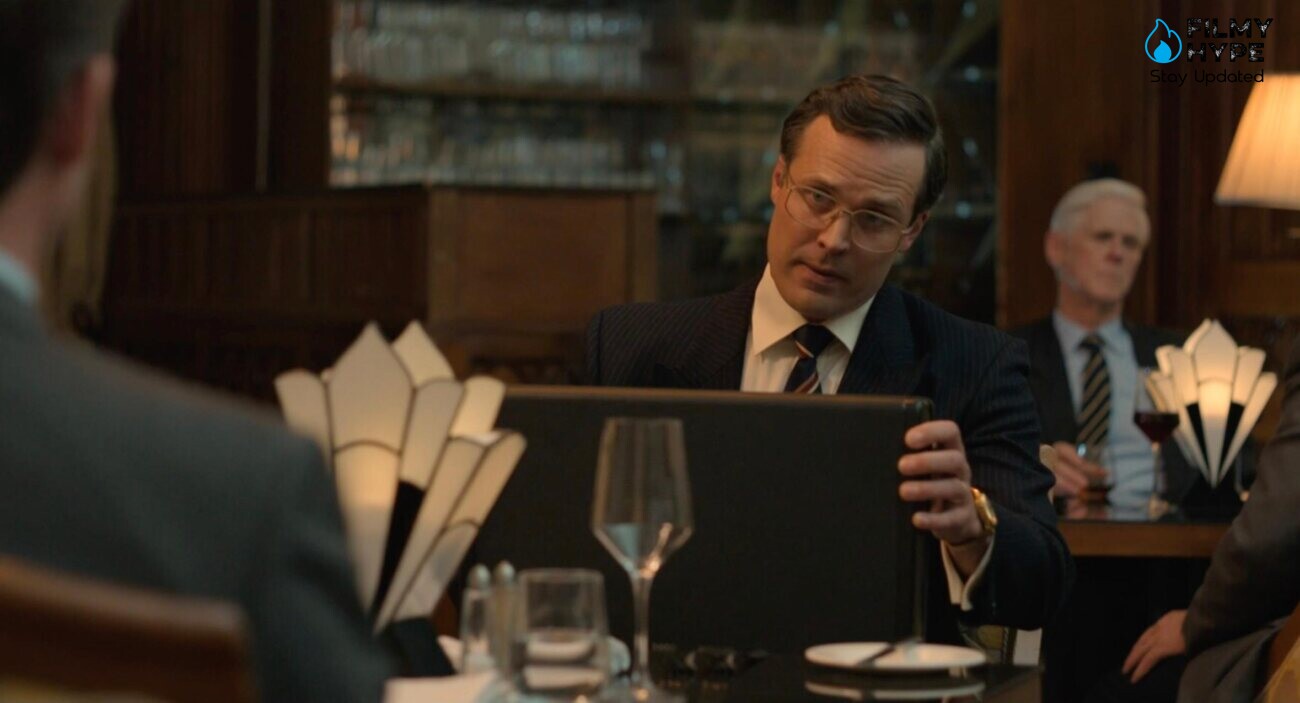
Netflix’s new six-episode miniseries, The Bombing of Pan Am 103, arrives on July 30 with a cast that includes Connor Swindells, Patrick J. Adams, and Merritt Wever. The series dramatizes both the attack and the sprawling international investigation that followed, a manhunt that crossed borders and decades and ultimately rewrote the rules of aviation security. But the real story, the one the show is built on, doesn’t need much dramatization to be devastating.
The Bombing of Pan Am 103: What Happened That Night
The bomb was hidden inside a Toshiba radio cassette player, the kind of unremarkable electronic device that wouldn’t draw a second glance from anyone. It was packed with Semtex, a plastic explosive favored by intelligence services for its stability and destructive power. When it detonated in the forward cargo hold, the decompression was immediate and catastrophic. The nose section of the 747 separated. The rest of the aircraft disintegrated as it fell. The wings, still heavy with fuel for the Atlantic crossing, became fireballs when they struck the ground.
The wreckage didn’t fall into empty fields. It fell on Lockerbie, a small Scottish town of about four thousand people. Houses were obliterated. A crater more than forty feet deep was carved into a residential neighborhood. The fire was visible for miles. Eleven people on the ground died alongside everyone on the plane. The final toll was 270 lives.
Among the dead were 190 Americans. Thirty-five of them were students at Syracuse University, returning from a study abroad program in London. They had been selected for something prestigious, the kind of opportunity that’s supposed to mark the beginning of something, not the end. Syracuse still holds a memorial service every year. The names are etched into the university’s chapel wall. For a lot of people, the Lockerbie bombing isn’t an abstract historical event. It’s personal.
The Investigation That Wouldn’t Quit
The crime scene was unlike anything British law enforcement had ever dealt with. The debris field stretched for more than eighty miles. Police Scotland, working alongside FBI agents, spent months walking through fields and forests and back gardens, collecting over ten thousand fragments of the aircraft. Every piece was catalogued. Every fragment was analyzed. The goal wasn’t just to reconstruct how the plane came apart. It was to find something that would identify who destroyed it.
The breakthrough came from a piece of evidence smaller than a fingernail. Embedded in the charred remains of a shirt was a fragment of an electronic circuit board. It was part of a timer, the mechanism that had triggered the bomb. Investigators traced that timer to a Swiss company called Mebo, which had sold a batch of identical devices to Libyan intelligence. The shirt and other clothing fragments found with it were traced to a shop in Malta.
That was the thread that unraveled everything. The suitcase containing the bomb had been loaded onto a flight in Malta, transferred in Frankfurt, and then placed on Pan Am 103 at Heathrow. The trial led to two Libyan intelligence officers, Abdelbaset al-Megrahi and Lamin Khalifah Fhimah. The evidence suggested the bombing had been ordered by Muammar Gaddafi’s regime, possibly in retaliation for U.S. military actions in the region.
The Diplomatic Standoff
Gaddafi refused to hand over the suspects. The refusal lasted for years. The United Nations imposed sanctions. The United States and the United Kingdom applied pressure through every diplomatic channel available. The standoff became one of the defining international confrontations of the 1990s, a test case for whether the global community could hold a state sponsor of terrorism accountable.
The resolution, when it came, was unprecedented. A trial was convened at Camp Zeist, a former U.S. military base in the Netherlands that was temporarily declared Scottish territory. A Scottish court, operating under Scottish law, presided over proceedings on foreign soil. The arrangement was designed to satisfy everyone’s requirements. The victims’ families wanted justice. The Libyan government wanted a neutral venue. The British and American governments wanted accountability. The trial was, in its way, as groundbreaking as the investigation that preceded it.
In 2001, al-Megrahi was convicted of 270 counts of murder and sentenced to life in prison. Fhimah was acquitted. The verdict was controversial at the time and remains so. Al-Megrahi maintained his innocence until his death. Some of the victims’ families believed the conviction was sound. Others, including some legal observers, questioned the reliability of the forensic evidence and the identification of al-Megrahi as the specific individual responsible. The case never achieved the clean resolution that everyone wanted.
The Release and the Aftermath
Al-Megrahi served eight years. In 2009, he was released on compassionate grounds after being diagnosed with terminal prostate cancer. The Scottish government, operating under a legal provision that allows for the release of prisoners near death, allowed him to return to Libya. The scenes of his reception, crowds waving Libyan flags and celebrating his return, were broadcast around the world. For the families of the victims, many of whom had waited twenty years for accountability, it was a devastating spectacle. He died in 2012, still protesting his innocence.
The story didn’t end there. In December 2022, the U.S. Justice Department announced that Abu Agila Mohammad Masud, a former Libyan intelligence operative, had been extradited to face charges in connection with the bombing. Masud is accused of being the bombmaker, the person who actually assembled the device. His trial is ongoing, a reminder that the pursuit of justice in this case has stretched across thirty-five years and counting. His extradition was itself historic, the first time a Libyan national had been brought to the United States to face Lockerbie-related charges. The evidence against him reportedly includes a confession made to Libyan authorities after Gaddafi’s fall, though the circumstances of that confession will presumably be a central issue at trial.
How One Bombing Changed Air Travel
The most immediate and lasting consequence of Pan Am 103 is something that affects every person who has boarded a commercial flight in the decades since. Before Lockerbie, the vulnerability was known but not systematically addressed. A bomb could be placed in checked luggage without the passenger who checked it being on the plane. The bombing made that loophole impossible to ignore.
The principle that emerged is now so fundamental that most travelers don’t think about it. No bag flies without its passenger. If someone checks a suitcase and then doesn’t board, that suitcase is pulled from the cargo hold. It seems obvious now, but it wasn’t then. That rule, along with the X-ray screening of checked baggage and the widespread deployment of explosive detection systems, was a direct response to what happened over Scotland.
The bombing also accelerated the development of hardened luggage containers, the reinforced boxes that hold checked bags in the cargo holds of passenger aircraft. The idea is that even if a bomb gets through screening, the container might contain the blast enough to prevent catastrophic damage to the aircraft. That technology, still in use, traces directly back to the recommendations of the Lockerbie investigation.
More broadly, the attack changed how governments understand aviation security. The idea that airline safety wasn’t just about mechanical reliability or pilot training, but about hostile actors actively trying to exploit vulnerabilities in the system, became central to how agencies like the TSA and its international counterparts operate. The security procedures that everyone endures at airports exist, in significant part, because of what happened on December 21, 1988.
What the Netflix Series Brings
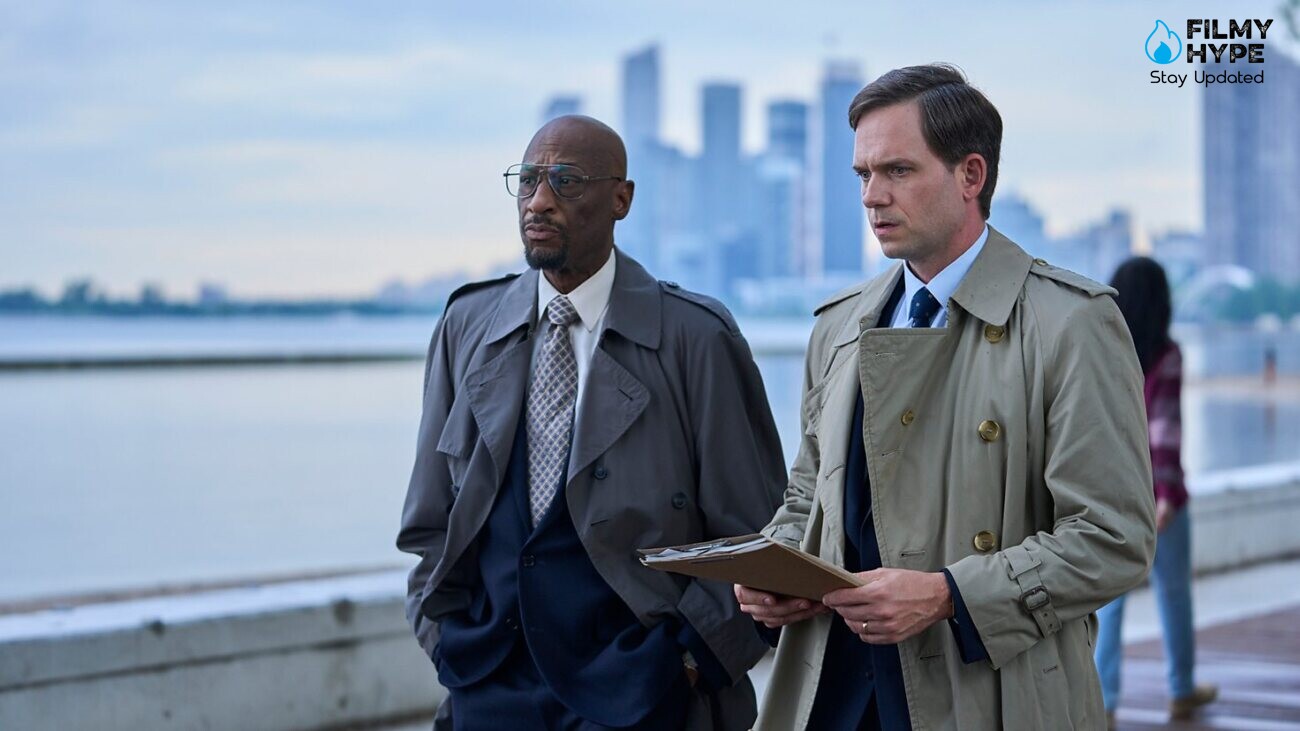
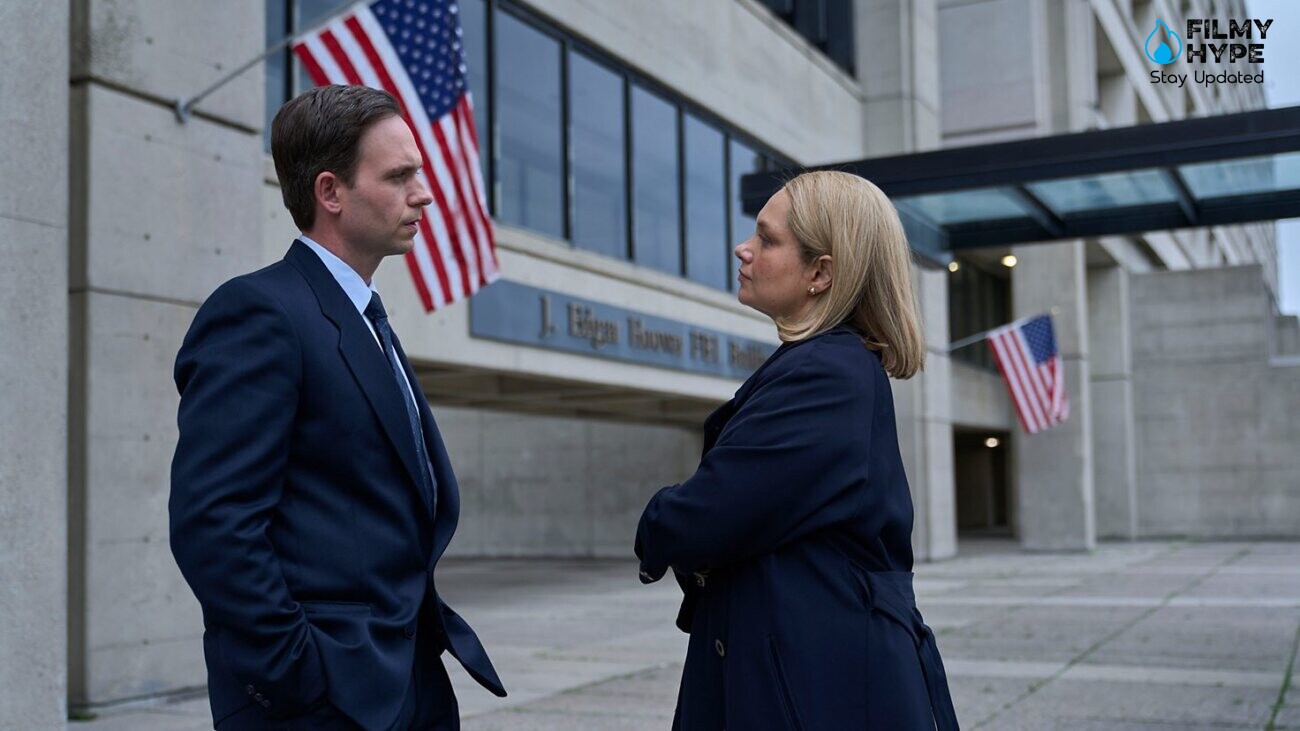
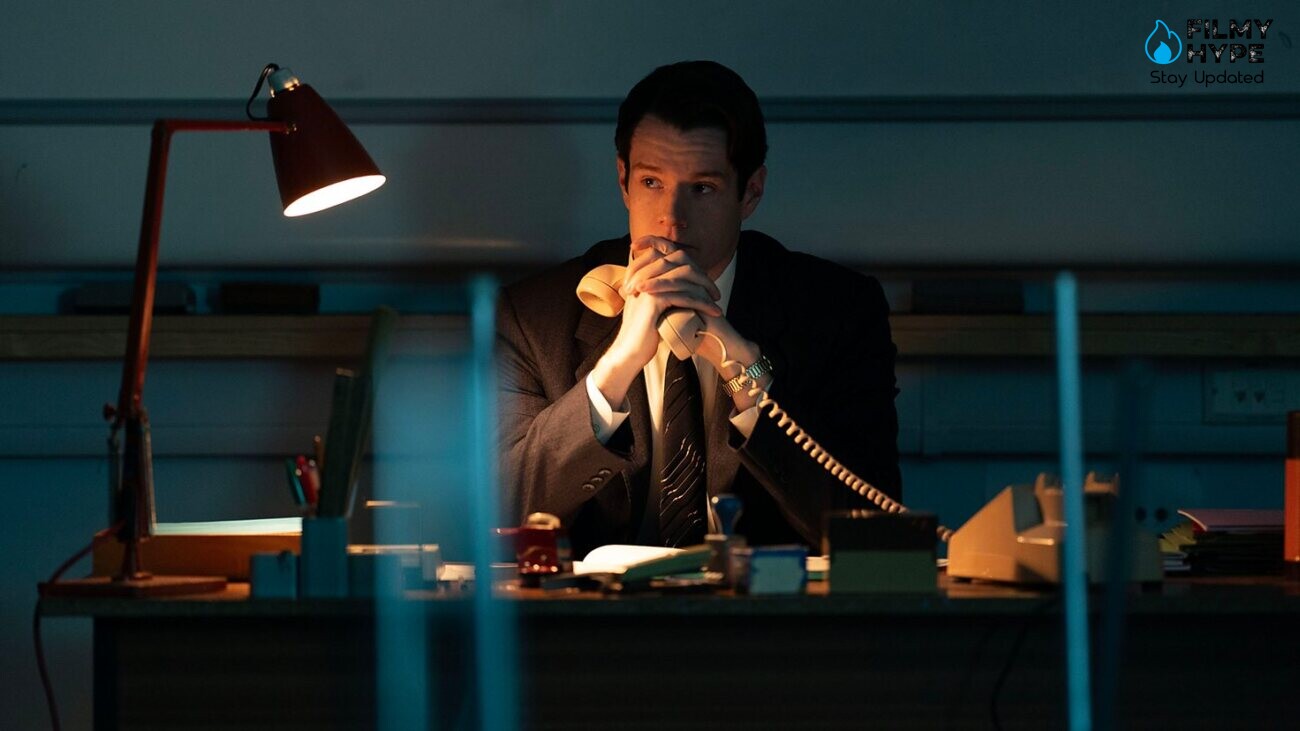
The Bombing of Pan Am 103 arrives at a moment when the case is back in the news, with Masud’s trial keeping the story alive in the American legal system. The series stars Patrick J. Adams as an FBI agent involved in the forensic investigation, Merritt Wever in a role connected to the victims’ families, and Connor Swindells in a key part tied to the investigative thread.
The show has access to a story that operates on multiple levels. The procedural elements, the methodical detective work that traced a fragment of circuit board to a shop in Malta to an intelligence service in Tripoli. The diplomatic drama, the years of sanctions and negotiations, and the unprecedented trial on neutral ground. And the human cost, the 270 lives, the families who waited decades for answers, the town in Scotland that became synonymous with an act of violence it had nothing to do with.
The miniseries doesn’t need to invent drama. The facts provide enough. What it can do, and what the best true crime adaptations do, is honor the reality of what happened while making it feel immediate rather than historical. These weren’t abstractions. They were students, families, people in their homes when the sky caught fire. The Lockerbie bombing is a story about terrorism, international law, and aviation security. But it’s also, and perhaps most importantly, a story about what gets lost when violence reaches out and touches people who were simply in the wrong place at the wrong time.
The Bombing of Pan Am 103 premieres July 30 on Netflix. The true story it’s based on is, in a very real sense, still unfolding.