
Ikka Movie Ending Explained: There’s a particular kind of tension that legal thrillers do better than almost any other genre. It’s not the tension of a chase scene or a shootout. It’s the quieter, more insidious tension of watching someone who knows the truth sit in a room full of people who don’t, methodically manipulating every lever of the system to produce a specific outcome. Ikka spends most of its runtime sitting in exactly that tension, and the ending delivers on it in a way that’s both satisfying and morally complicated.
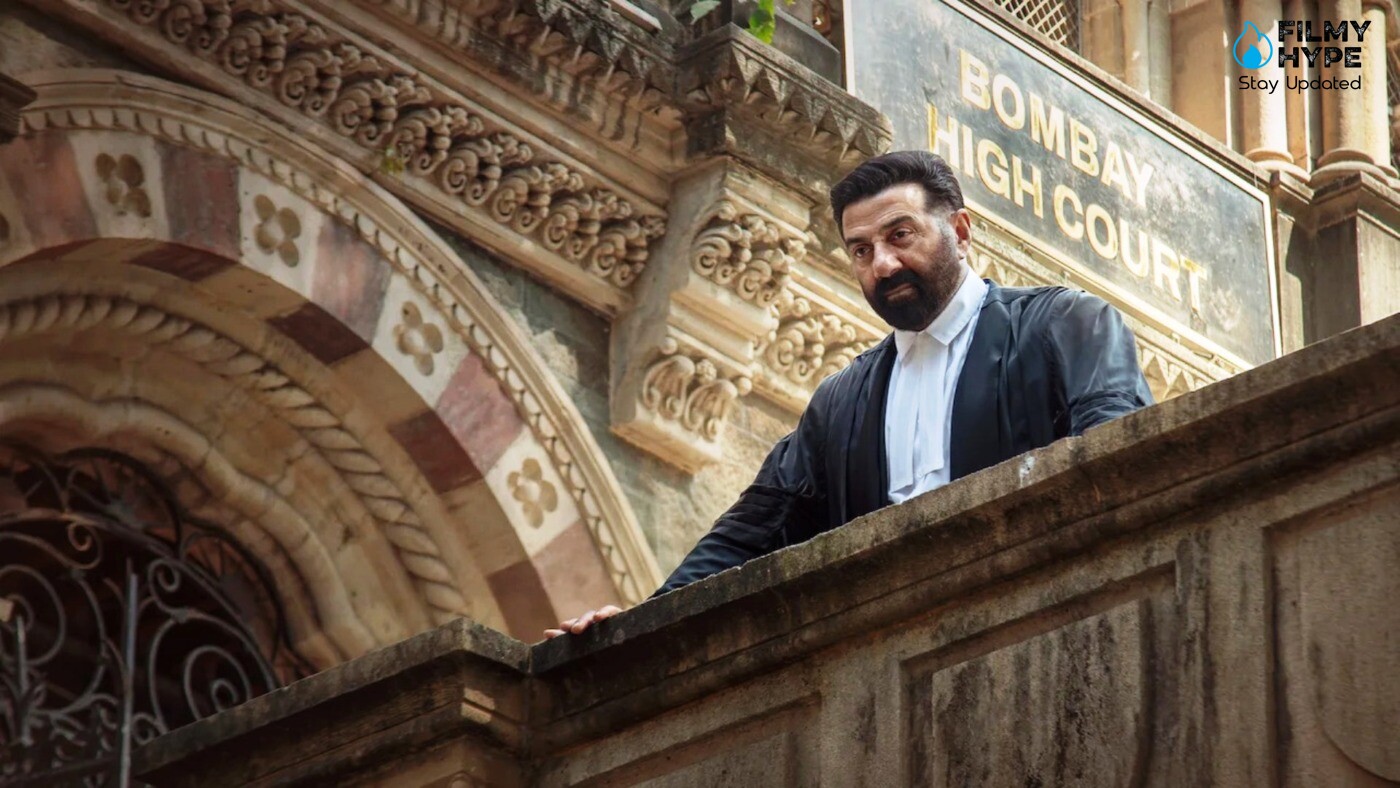
The series centers on Arjun Mehta, a defense lawyer with an immaculate record. He’s never lost a case. His reputation is built on being the man you call when you need to walk out of a courtroom a free person, regardless of what you may or may not have done. When he takes on the defense of Shauryaman Gaur, the wealthy and politically connected son accused of murdering a young woman named Soma Mittal, everyone assumes it’s just another high-profile notch in his belt.
Ikka Movie Ending Explained: Who Killed Soma Mittal and How Justice Finally Prevails
What nobody knows, and what the series slowly reveals, is that Arjun isn’t taking this case for money or reputation. He’s taking it because his daughter is dying, and the man he’s defending is the only person who can save her.
Let me walk you through exactly how the ending unfolds, what it means, and why the final moments land with such force.
The Murder of Soma Mittal: What Really Happened
The central question driving the entire series is straightforward: Did Shauryaman Gaur kill Soma Mittal? The show keeps you guessing for a while, presenting a defendant who seems arrogant and capable of violence but who also has what appears to be a solid alibi. By the finale, however, all ambiguity evaporates.
Shauryaman did it. He murdered Soma Mittal.
The circumstances are brutal in their simplicity. Soma rejected Shauryaman’s advances. For a man like Shauryaman, someone who has never been told no in any meaningful sense, this rejection was incomprehensible. His entitlement curdled instantly into rage. He grabbed a knife and stabbed her in the neck.
What makes the crime even more chilling is that Soma didn’t die immediately. She survived the initial attack, bleeding and terrified, clinging to life long enough for the possibility of rescue to exist. But Shauryaman left her there. He walked away from a woman he had mortally wounded and did nothing to help her. She died from her injuries, alone, because of him.
The series doesn’t flinch from this. It doesn’t try to make Shauryaman sympathetic or give him a tragic backstory that explains away his violence. He killed Soma because she said no, and he believed his status placed him beyond the consequences that would destroy anyone else.
How the Fake Alibi Was Constructed
This is where the procedural elements of Ikka get genuinely fascinating. Shauryaman didn’t just commit a murder and hope for the best. He constructed an elaborate alibi designed to place him miles away from the crime scene at the exact moment of the attack.
The mechanism of the deception is clever enough that it takes Arjun’s considerable skill to weaponize it in court. Here’s how it worked.
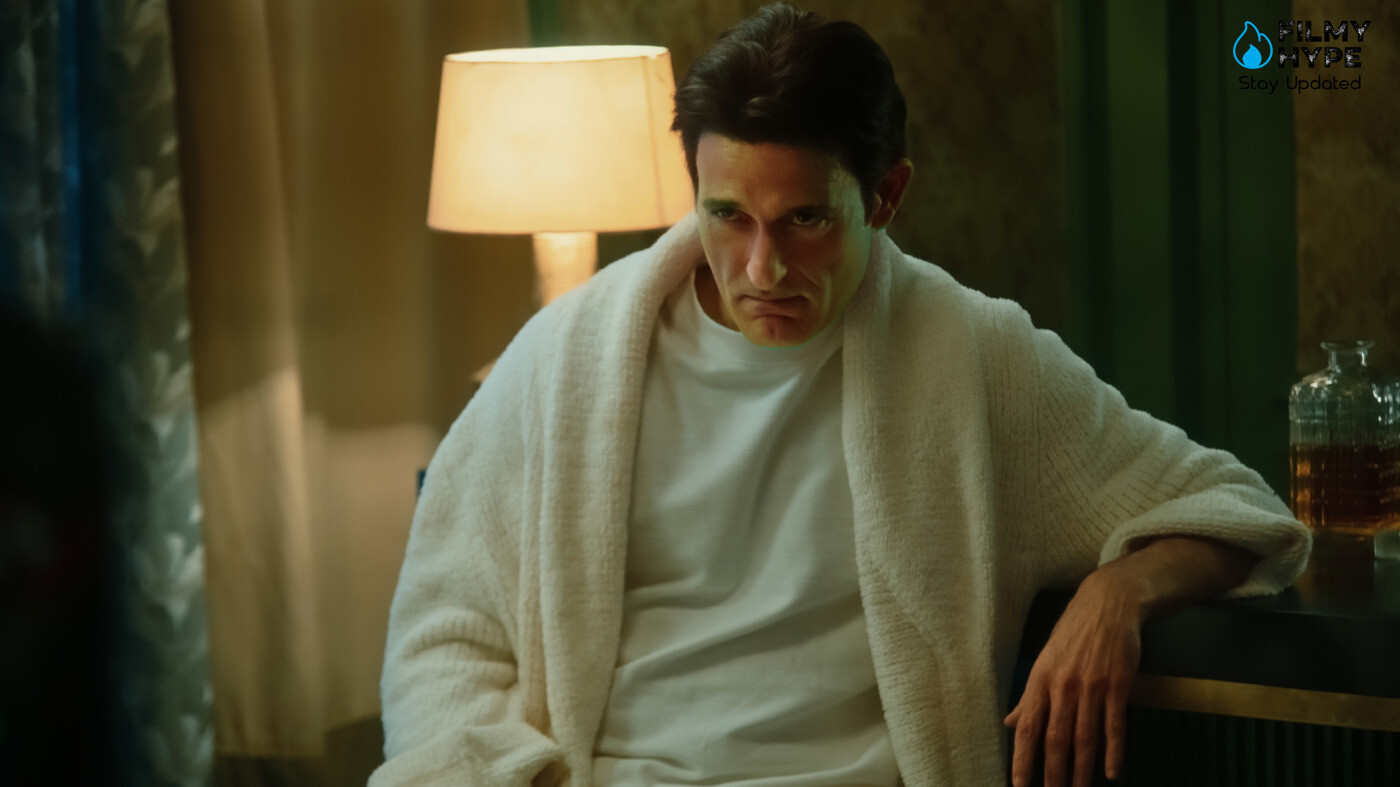
After stabbing Soma and leaving her to die, Shauryaman immediately called his wife, Gauri. He didn’t call her to confess or to seek help. He called her with very specific instructions. Gauri was to phone the police and report a domestic disturbance at their home. While she was on the call with the authorities, Shauryaman’s trusted associate Chatur would be in the background, speaking loudly enough to be picked up by the phone’s microphone.
Chatur’s job was simple but crucial: he had to imitate Shauryaman’s voice. If the police recording captured what sounded like Shauryaman shouting in the background of a domestic disturbance call made from his own home, it would create an apparently irrefutable record that Shauryaman was at his residence during the window of time when Soma was attacked across town.
It’s the kind of plan that relies on a single fragile thread. The police would need to believe the voice on the recording was Shauryaman. The timeline would need to hold up under scrutiny. No one could crack and tell the truth. But Shauryaman had money, connections, and a wife who would do what he said. He also had Chatur, whose loyalty and vocal mimicry made the whole thing possible.
For a long time, it worked.
Arjun’s Impossible Choice
To understand the ending, you have to understand why Arjun Mehta, a man who has built his entire identity on being the best, takes a case he almost certainly knows is morally bankrupt.
Arjun’s daughter Samaira is dying. She needs a stem cell transplant, and the search for a compatible donor has turned up nothing. Time is running out. And then Arjun discovers something that reframes every decision he makes from that point forward: Shauryaman Gaur is Samaira’s biological father.
The series doesn’t spend much time on the backstory of how this came to be, but the implication is enough. Shauryaman is the only compatible donor. He is the one person in the world who can save Samaira’s life. And Shauryaman, being who he is, sees this not as a moral obligation but as leverage.
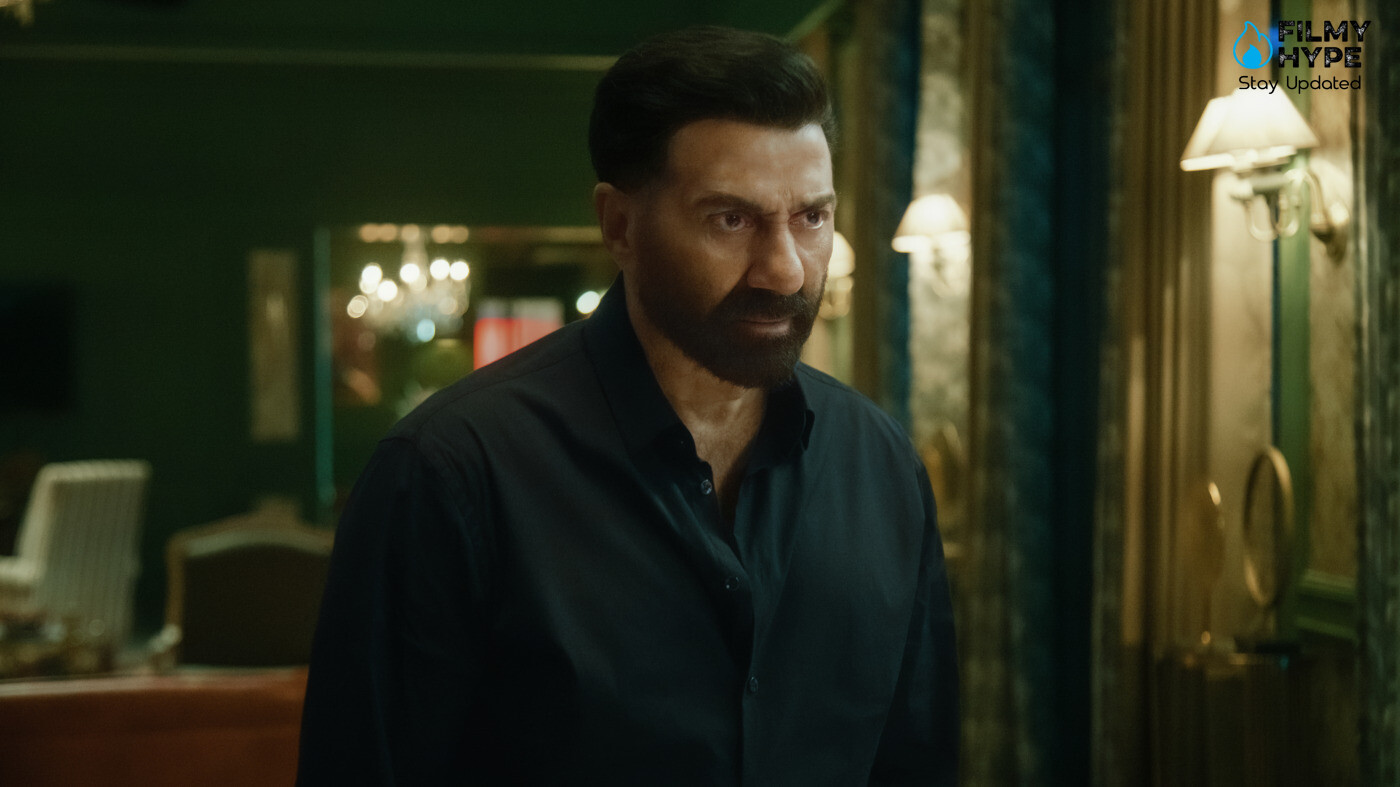
The deal is presented with cold precision. Shauryaman will undergo the procedure and donate the stem cells his daughter needs to survive. In exchange, Arjun will defend him against the murder charge and secure his acquittal. If Arjun fails in court, Shauryaman refuses the donation. Samaira dies.
This is the moral trap at the heart of Ikka. Arjun knows Shauryaman is almost certainly guilty. Every instinct he has as a lawyer and as a human being tells him this man killed Soma Mittal. But his daughter’s life hangs in the balance, and the only path to saving her runs directly through the destruction of his own principles.
He takes the case. He builds the defense. He uses the police recording of the domestic disturbance call to create reasonable doubt, arguing that Shauryaman’s voice can be clearly heard at his home during the time of the murder. He’s good enough to make it work, and Shauryaman walks free.
The courtroom victory should feel like a triumph. Instead, it feels like a Faustian bargain coming due.
The Detail That Unravels Everything
Arjun may have won the trial, but he never stops investigating. This is what separates him from someone who simply sells out for personal gain. Even as he fulfills his end of the deal, he’s quietly gathering the threads that will eventually hang his client.
The breakthrough comes from a tiny detail, the kind of thing that would mean nothing to most people but means everything to someone who has spent his career studying how people speak, how they lie, and how they reveal themselves without meaning to.
During the recorded call to the police, the man pretending to be Shauryaman in the background pronounces Gauri’s name in a very specific way. It’s not how Shauryaman says it. But Arjun has heard that pronunciation before. He recognizes it immediately as belonging to Chatur.
It’s such a small thing. A syllable. An inflection. The sort of detail a less observant person would never catch. But Arjun catches it, and once he does, the entire alibi starts to crumble. If Chatur was at the house imitating Shauryaman’s voice, then Shauryaman wasn’t at the house at all. And if Shauryaman wasn’t at the house, every argument Arjun made in court was built on a deliberate deception.
From this single observation, Arjun begins reconstructing the real sequence of events. He tracks down a witness who had disappeared after seeing Shauryaman covered in blood shortly after the murder. This witness, it turns out, survived an assassination attempt ordered by Chatur, presumably to eliminate anyone who could place Shauryaman at the scene. When Arjun finds him, the man confirms everything.
The picture is now complete. Arjun knows exactly what happened, who made it happen, and how the cover-up was engineered.
Shauryaman’s Arrest and the True Meaning of Justice
The timeline of the final act is crucial. Shauryaman keeps his word about the stem cell donation. The procedure happens. Samaira receives the transplant she desperately needs, and her life is saved. Arjun has fulfilled his part of the bargain and secured his daughter’s future.
But the bargain had an unspoken expiration date, at least in Arjun’s mind.
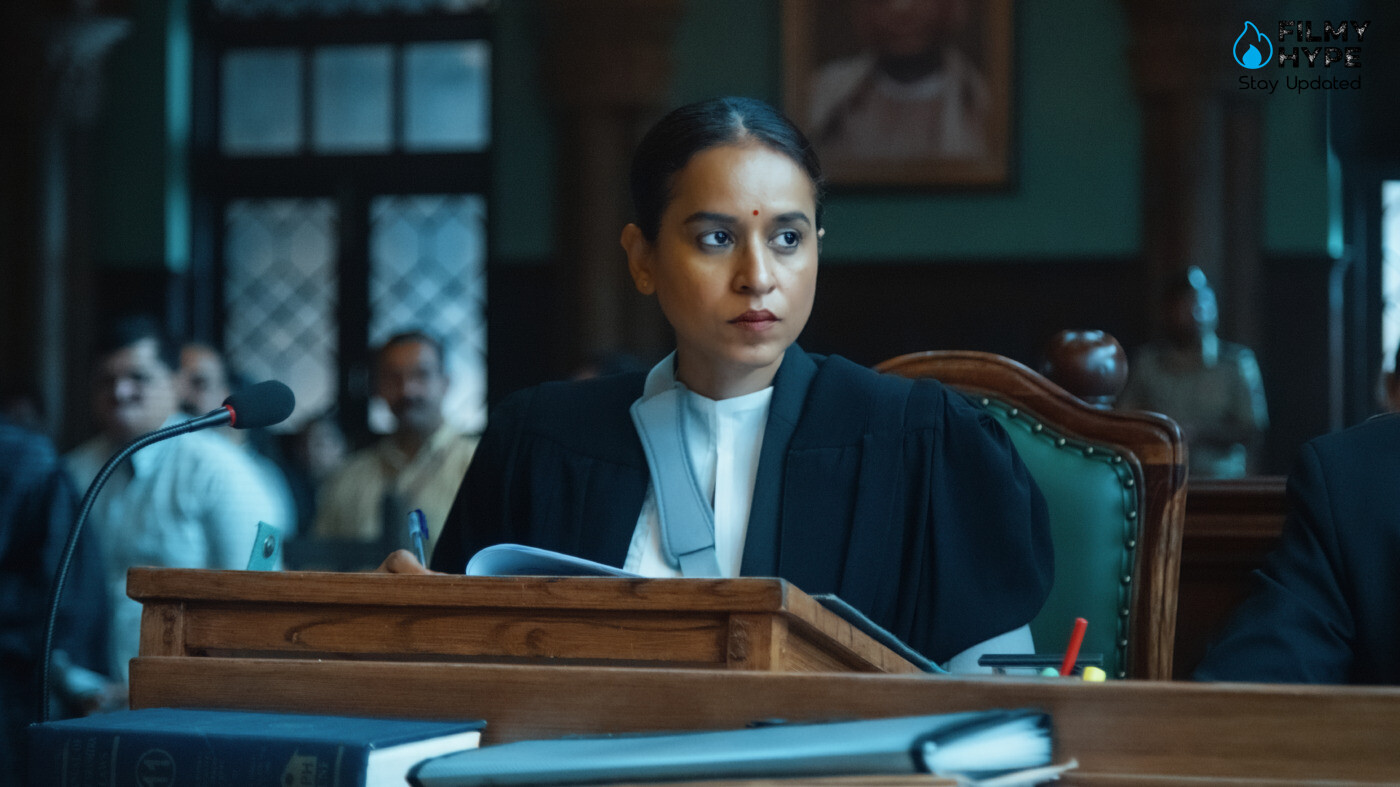
The moment Samaira is safe, Arjun’s obligation to Shauryaman evaporates. He doesn’t hesitate. He doesn’t wrestle with whether honoring the letter of their agreement means protecting Shauryaman forever. He takes every piece of evidence he has gathered, everything he has learned since the trial ended, and hands it directly to prosecutor Madhura and the police.
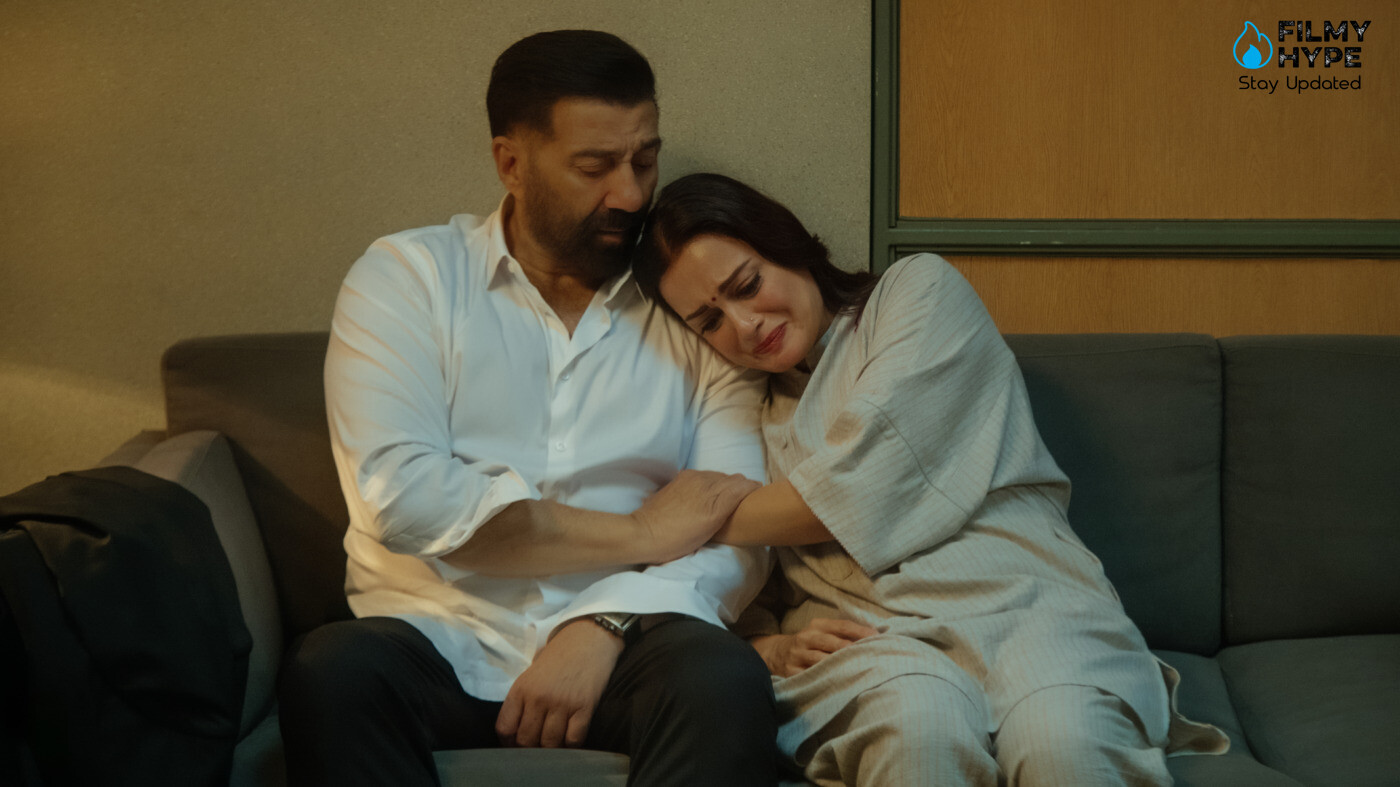
The series stages the arrest scene with a kind of poetic justice that’s hard not to find satisfying. Shauryaman is celebrating. He’s been declared innocent by the court. He believes he has beaten the system, that his wealth and connections and carefully constructed alibi have placed him permanently beyond the reach of accountability. He’s toasting his freedom when the police arrive.
This time, the evidence is overwhelming. It’s not just the witness placing Shauryaman at the scene. It’s not just the voice analysis identifying Chatur on the recording. It’s the entire architecture of the deception, laid bare by someone who understood it from the inside. Shauryaman is arrested again, and this time there will be no acquittal.
The victory isn’t a courtroom drama moment. It’s quieter than that. It’s the satisfaction of watching someone who thought they had escaped face the consequences they always deserved, delivered by the very lawyer who had seemed to be their savior.
What the Ending of Ikka Really Means
The finale of Ikka lingers because it refuses to offer a simple moral. Arjun Mehta is not a pure hero. He deliberately used his skills to free a murderer. He stood in a courtroom and argued for the innocence of a man he suspected was guilty, and he did it knowing exactly what kind of person he was defending. The system worked exactly as designed, and it produced an unjust result because a brilliant lawyer made it happen.
But the series also doesn’t condemn Arjun. It understands the position he was in. The choice between saving your child and serving abstract justice is not a choice most people would find easy, and the show doesn’t pretend otherwise. Arjun made a deal with a monster because the monster had something he needed, and the alternative was watching his daughter die.
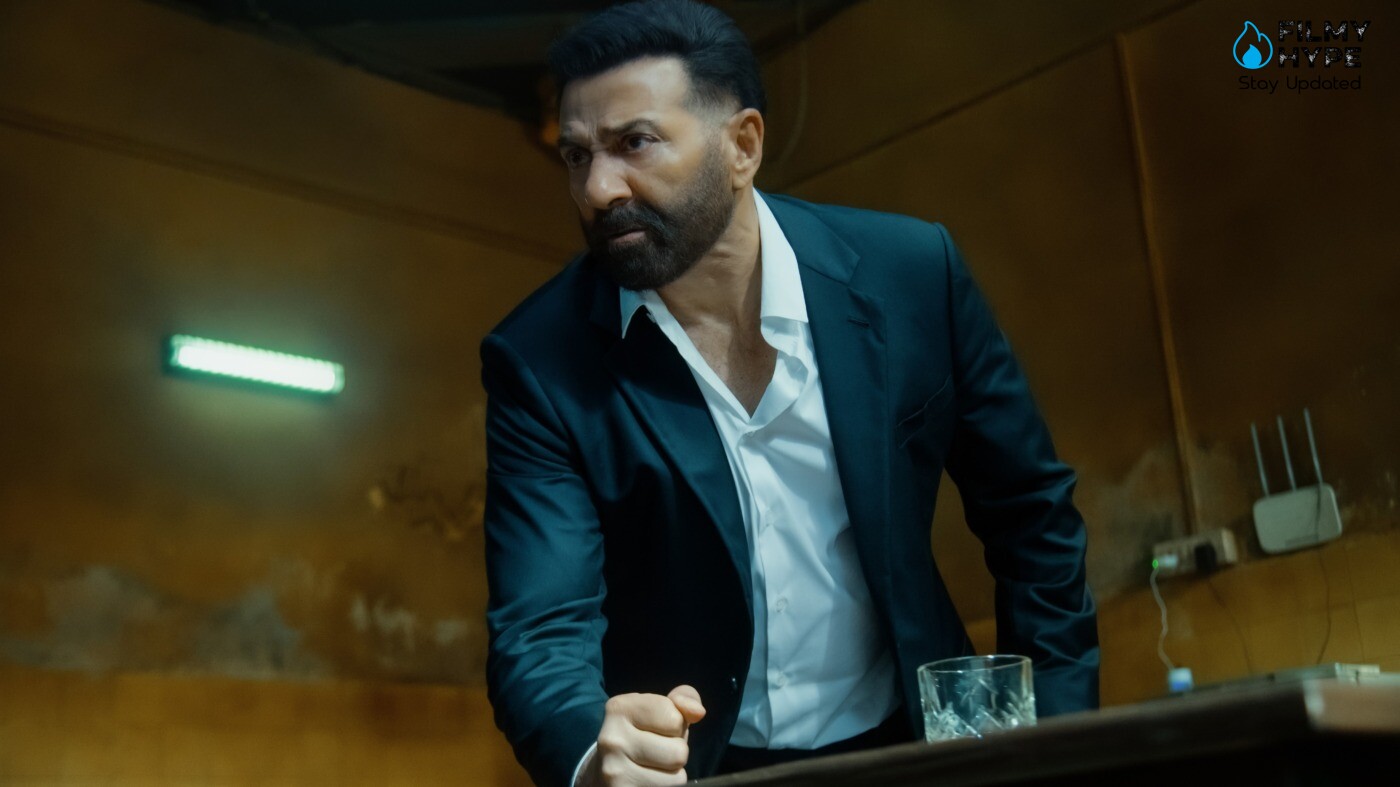
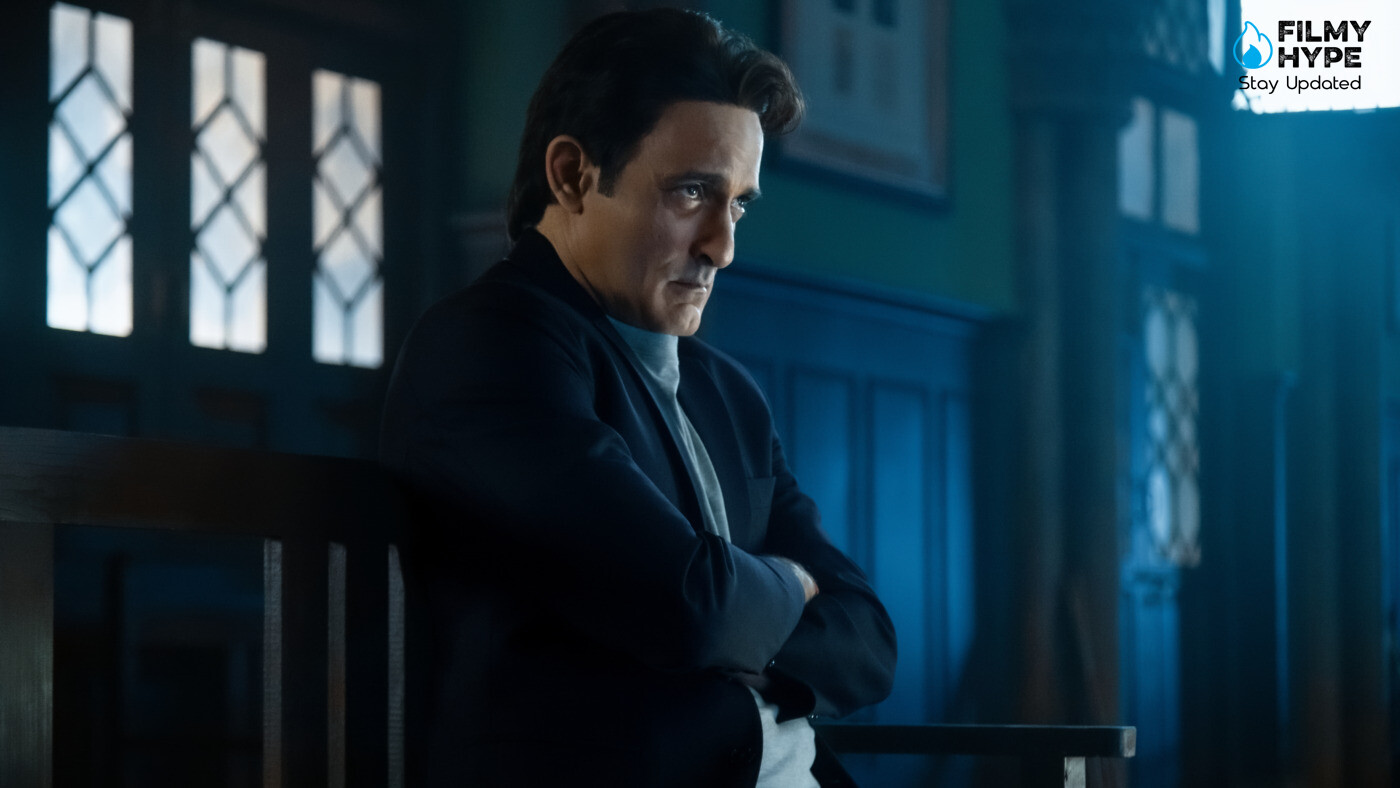
What makes the ending work is that Arjun never accepts this as the final state of affairs. He doesn’t rationalize Shauryaman’s freedom as an acceptable cost. He doesn’t convince himself that maybe Shauryaman deserved a second chance or that the system’s flaws are just the way things are. He uses the time he bought to gather the evidence that would bring Shauryaman down for good.
The series is making an argument here about the difference between legal outcomes and actual justice. Shauryaman’s acquittal was legal. It followed the rules of evidence and procedure. A skilled defense attorney exploited weaknesses in the prosecution’s case, and the judge ruled accordingly. Everything about it was proper, and everything about it was wrong.
Arjun’s final act is a recognition that the law is a tool, not a moral compass. It can be used to protect the guilty and to punish the innocent. What matters is what people do with the knowledge they have. Arjun had knowledge that Shauryaman was a murderer. He used his legal skills to save his daughter, which required temporarily using those same skills to protect a killer. But he never forgot what he knew, and he never stopped working toward the outcome that Soma Mittal deserved.
The ending also quietly condemns the kind of entitlement that Shauryaman represents. He believed he was untouchable. He believed his father’s political power, his family’s wealth, and his ability to manipulate the system would protect him from any consequence. He was almost right. The only thing he didn’t account for was the lawyer he had forced into his service turning out to be more principled than he had calculated.
The Ethical Questions the Series Leaves Unresolved
What makes Ikka more than just a clever thriller is its willingness to sit with uncomfortable questions rather than answering them neatly.
Was Arjun right to defend Shauryaman in the first place? The series gives you enough to argue both sides. A parent’s duty to their child is one of the most fundamental moral obligations there is. Letting Samaira die when a path existed to save her would have been its own kind of moral failure. But that path required Arjun to actively work against justice for Soma Mittal and her family, to use his talents to obscure the truth rather than reveal it.
Would Arjun have turned over the evidence if the transplant hadn’t already happened? The series structures events so that Arjun only moves against Shauryaman after Samaira is safe. This raises the question of what he would have done if the timeline had been different, if Shauryaman had demanded ongoing protection rather than a single courtroom victory. The show doesn’t answer this, and that’s probably for the best. It leaves Arjun’s morality in a productive gray area.
What does this say about the legal system itself? Shauryaman’s acquittal exposes how vulnerable the justice system is to manipulation by those with resources. He had the money to construct an elaborate alibi, the connections to make witnesses disappear, and the ability to hire the best lawyer available. Someone without those advantages, accused of the same crime with the same evidence against them, would almost certainly have been convicted. The series doesn’t offer a solution to this problem, but it makes the problem impossible to ignore.
The Final Image and What It Communicates
The closing moments of Ikka resist the urge to show Arjun triumphant. He’s not celebrating. He’s not giving a speech about justice prevailing. He’s a man who has been through something harrowing, who has made compromises that will probably haunt him, and who has emerged on the other side with his daughter alive and a murderer behind bars.
There’s exhaustion in the victory. Arjun’s reputation may recover, or it may not. His colleagues may understand why he did what he did, or they may only see that he defended a killer. The series leaves these questions open because they’re not really the point. The point is that Arjun did what he had to do, and then he did what was right, in that order, and sometimes that’s the best anyone can manage in an impossible situation.
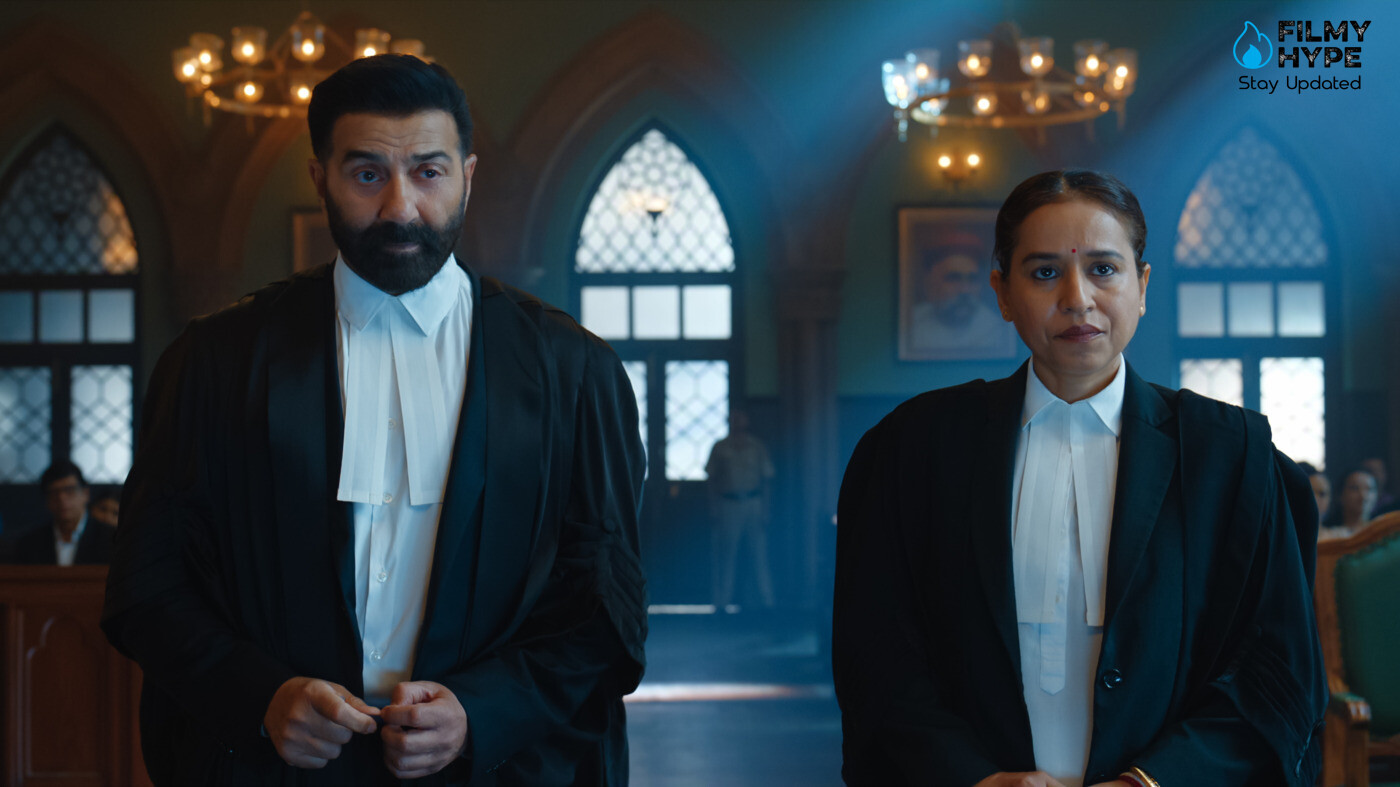

Soma Mittal’s family gets something resembling closure, though the series is too honest to suggest that Shauryaman’s arrest heals their loss. Nothing heals that kind of loss. Justice, when it comes, is never enough. But it’s better than the alternative, and Arjun’s final actions ensure that the alternative doesn’t stand.
As for Shauryaman, his arrest is the culmination of his own arrogance. He thought he had found a lawyer who would sell his soul for the right price. He didn’t understand that Arjun was playing a longer game, one that required temporarily giving Shauryaman what he wanted to take it away permanently. The monster is finally caged, and the lawyer who put him there did it by first letting him think he had won.
That’s the bitter, complicated, ultimately satisfying heart of Ikka. Justice delayed is not necessarily justice denied, and sometimes the only way to beat someone who thinks they’re above the law is to let them climb high enough that the fall actually hurts.