Monster: The Lizzie Borden Story Review and Ratings
Cast: Ella Beatty, Vicky Krieps, Rebecca Hall, Billie Lourd, Jessica Barden, Charlie Hunnam, Chris O’Shea, Ember Ambrose, Lidia Vitale, Sarah Paulson
Director: Max Winkler, Sarah Adina Smith
Streaming Platform: Netflix
Filmyhype.com Ratings: 2.5/5 (two and a half stars)
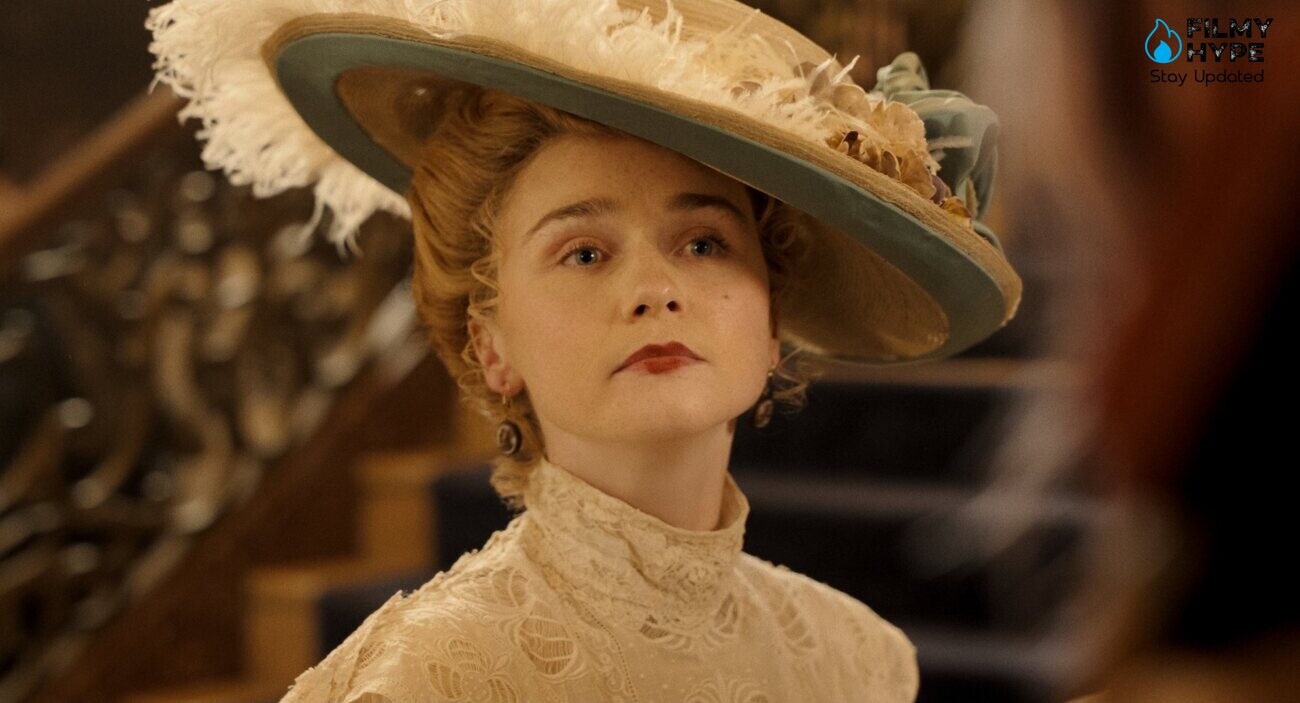
After Jeffrey Dahmer, the Menendez, and Ed Gein, Monster changes perspective for the first time. At the center of the fourth chapter of the anthology created by Ryan Murphy and Ian Brennan is a woman: Lizzie Borden, accused and later acquitted of the murder of her father, Andrew, and stepmother, Abby, which occurred in Fall River, Massachusetts, in 1892. Played by Ella Beatty, Lizzie becomes, above all, the starting point for something broader. Monster: The Lizzie Borden Story tries to question female violence and, above all, the different way it is told, explained, and even mythologized. She does this by going through different eras and figures, until arriving at Aileen Wuornos, played by Sarah Paulson, and building a sort of imaginary genealogy of female murderers who look at those who came before them.
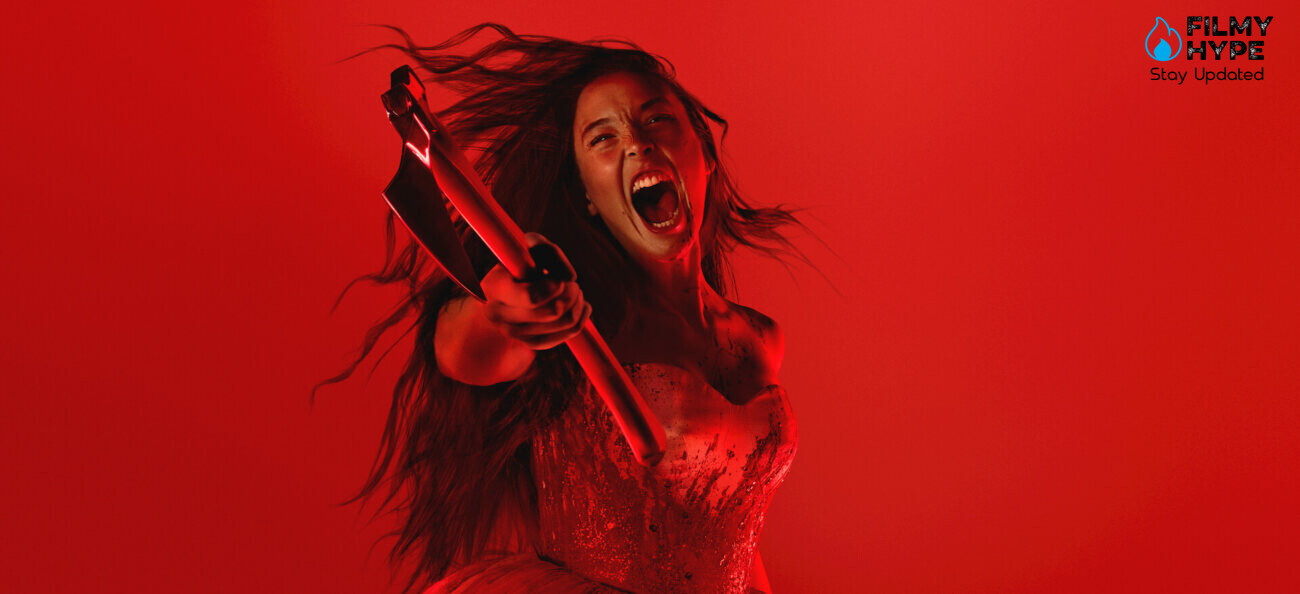
It’s probably the most interesting idea of the season. But it is also the one that shows its limitations most clearly. Because Murphy and Brennan seem to continually search for a reason behind the woman who kills, tracing the violence back to what was done to her, often by men. A perspective that allows the series to address repression, misogyny, and male violence, but which also ends up becoming an overly rigid interpretative key. Not because it’s unwatchable. In fact, she is visually refined, Ella Beatty is magnetic, and some interpreters manage to give depth even to overly written characters. The problem arises from the moment the series decides that the real story is not enough and begins to fill every space with sex, provocations, modern symbolism, unproven relationships, and an ideological reading so insistent that the Borden case almost disappears.
Monster: The Lizzie Borden Story Review: The Story Plot
The case of Lizzie Borden seems almost built specifically for the Monster universe. We do not know for certain what happened in the Borden house on August 4, 1892, and the woman was acquitted of the charge of killing her father and stepmother. It is precisely within this enormous space left by the story that the series places its own Lizzie. The story does not seem particularly interested in accurately reconstructing the case or establishing a truth. He prefers to imagine. He builds a network of family, sexual, and social repressions around the protagonist and progressively transforms her story into a tale of the condition of women.
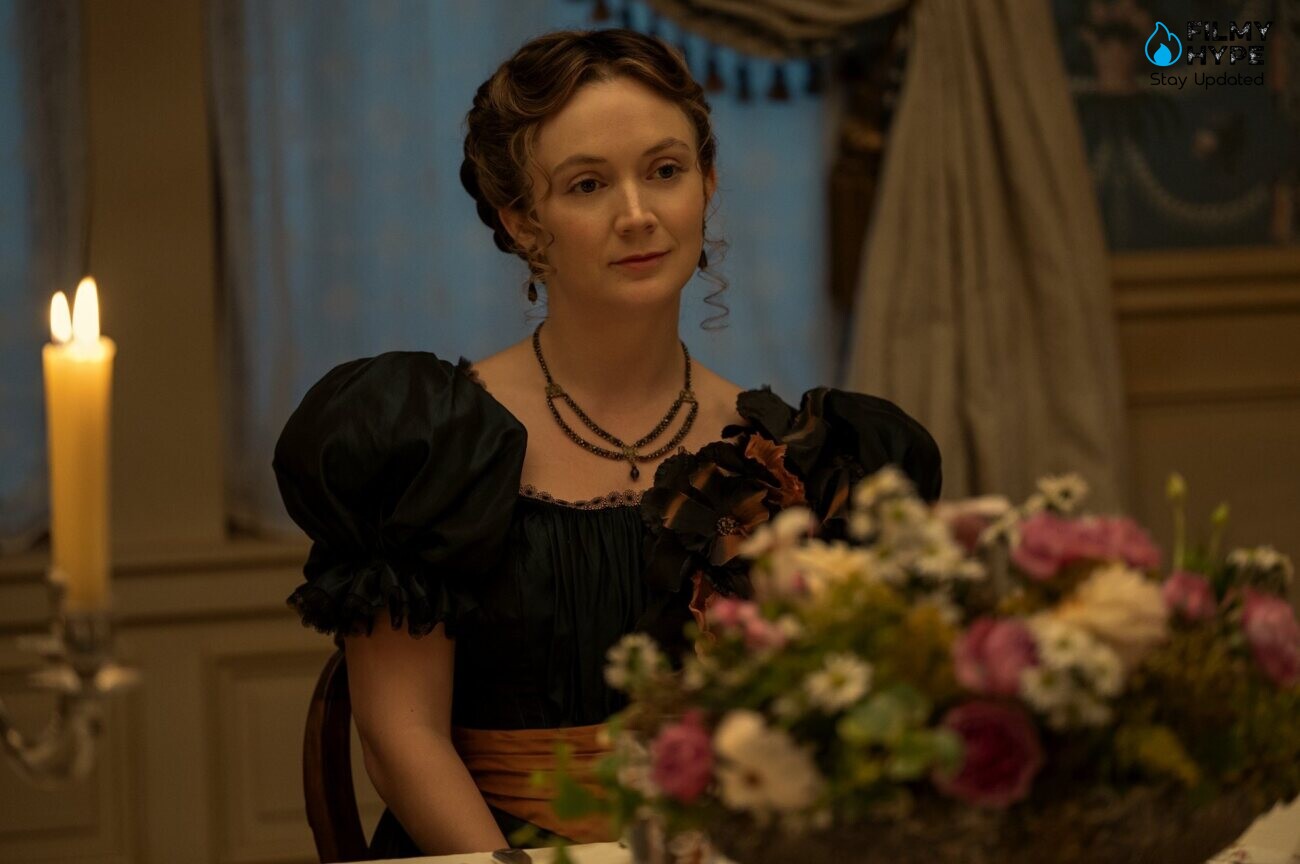
It is a choice that allows the season to adopt more female perspectives. It’s not just Lizzie. There’s Abby, Bridget, Emma, and then, moving forward in time, Aileen Wuornos. Even Countess Erzsébet Báthory enters the story through the stories Bridget reads to Lizzie, becoming another piece of this long fascination with women transformed into Monsters. The parallel is explicit: Lizzie obsessively listens to stories about Báthory; nearly a century later, Aileen is obsessed with Lizzie’s story. Violent women thus become stories passed down to other women, figures in which to seek an explanation, a precedent, or even an identity.
Monster: The Lizzie Borden Story Review and Analysis
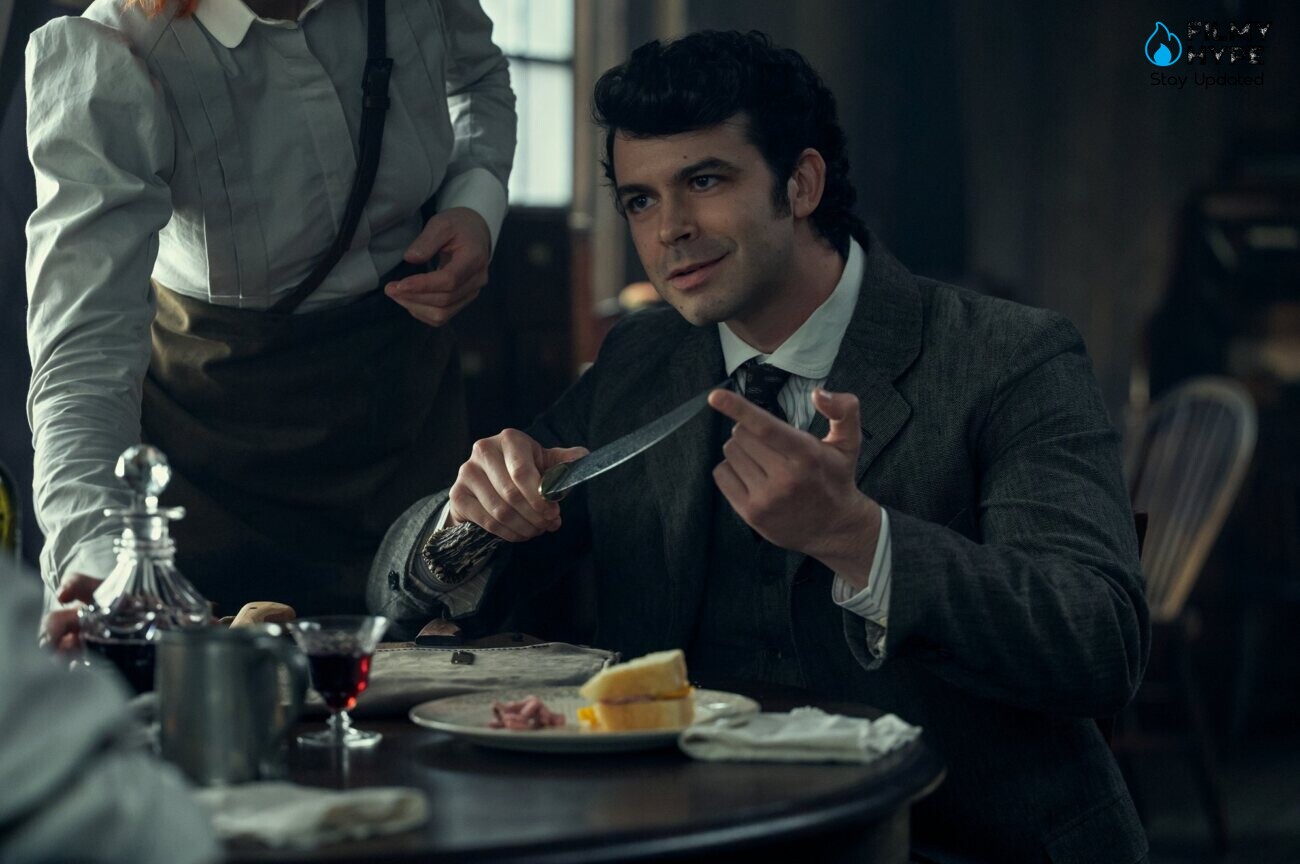
However, one of the most recognizable characteristics of the anthology does not change. As was already the case in Dahmer and especially in the previous chapter dedicated to Ed Gein, Monster continues to be deeply interested in physicality. Bodies, fluids, food, sex, noises: everything must be perceptible. The camera constantly lingers on the mouths as they eat, on chewing, on the sounds produced by the bodies. It’s a very precise way of continually reminding us of their materiality, almost as if to prevent the viewer from forgetting that behind the mythology of the “Monster” there is something extremely carnal.
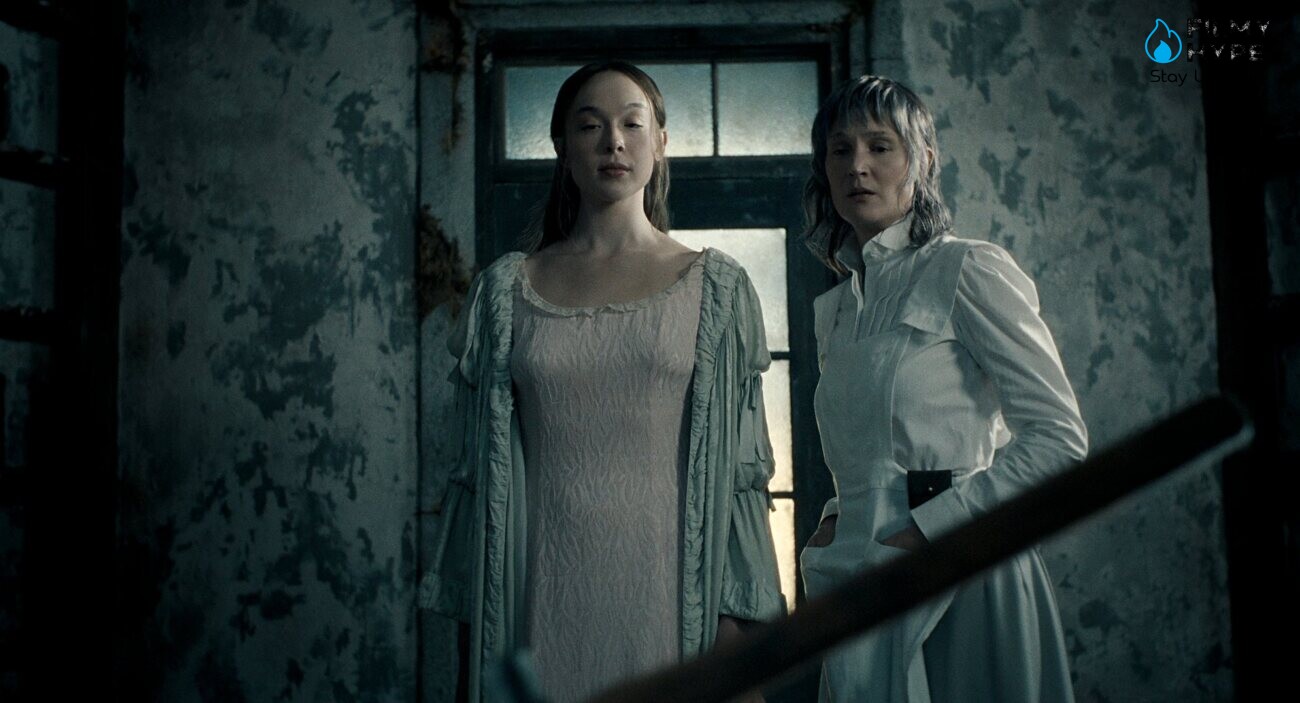
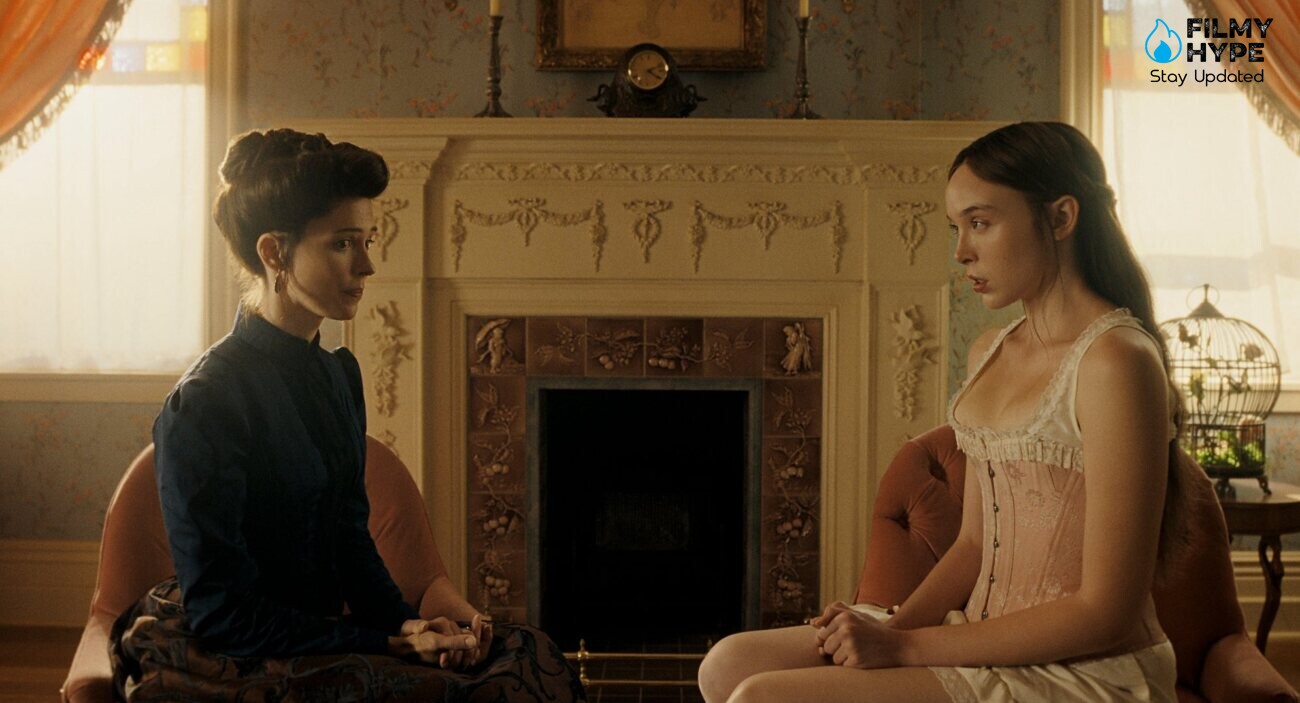
With Lizzie, however, this obsession takes on a specifically feminine dimension. Menstruation, sexuality, desire, and repression are constantly brought to the forefront and rarely discreetly. Murphy and Brennan don’t seem to know subtraction: if an element can be shown, it must be shown; if it can be made unpleasant, noisy, or excessive, it probably will be. Sometimes this choice works. The Bordens’ environment becomes suffocating, dirty, and almost tactile, despite the family’s apparent respectability. At other times the insistence becomes so exasperated that it seems an end in itself. Everything is too much: too dirty, too loud, too explicit, too grotesque. It is a now recognizable poetics of Monster, but here it often risks transforming in a way.
The question that runs through the season seems to be different from the one posed in previous chapters. Not only “how is a Monster born?”, but what happens when that Monster is a woman. The response offered by the series is surprisingly uniform, however. Behind female violence there almost always seems to be another violence: abuse, oppression, a society that represses, a man who exercises his power. It doesn’t mean Monster necessarily justifies what its protagonists do. Rather, it continually seeks a cause that makes their violence understandable. And this is where an interesting contradiction emerges: in an attempt to restore agency to its female figures, the series paradoxically risks taking some of it away from them. If every extreme gesture must be explained through what a woman has suffered, her ability to also be the architect of her own violence inevitably ends up shrinking.
The season is much more interesting when it lets these contradictions live together instead of resolving them. Lizzie can be a victim and a possible executioner. She can be crushed by the rules imposed on women of her time without this automatically having to turn into an explanation for everything she does. It is especially from the fourth episode that The Lizzie Borden Story makes its ambition explicit. The story takes a huge time jump and introduces Aileen Wuornos, played by Sarah Paulson, who even goes so far as to introduce herself to a client under the name Lizzie Borden.
We are no longer simply faced with the fictionalized reconstruction of a nineteenth-century case. Monster wants to connect women far away in time and transform Lizzie into a cultural archetype. Intuition is interesting. Aileen looks at Lizzie the same way Lizzie looked at Báthory: through the story of another abusive woman, she tries to read herself too. It is a mechanism that allows the series to reason about how these figures are transformed into myths and how much the subsequent narrative ends up overlapping with real people. However, it is also the moment when the already precarious balance of the season begins to give way.
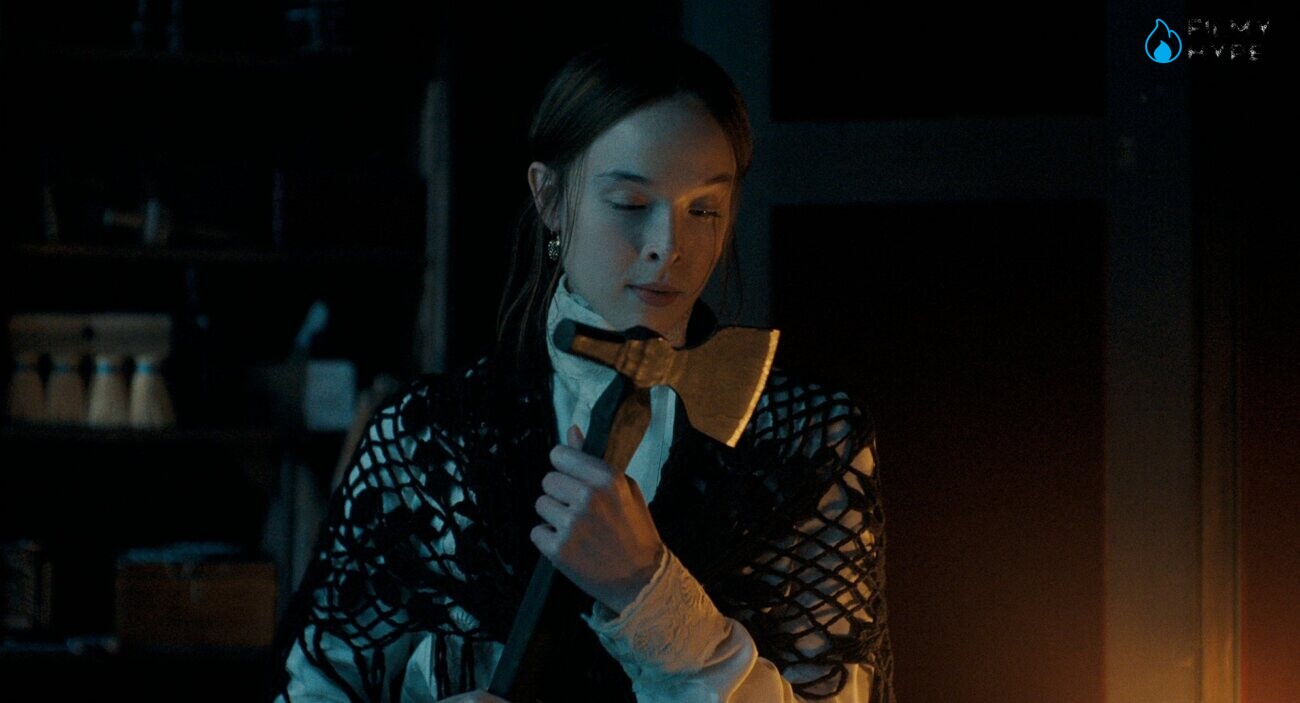
Feminist discourse becomes increasingly explicit, to the point of being declared rather than constructed through characters and situations. And the grotesque that in the Borden part could still function as a visual language, with Aileen is pushed so far that it frequently borders on the ridiculous. Sarah Paulson throws herself completely into character, but around her the series turns up the volume even further. Gestures, dialogues, expressions, situations: everything seems to continually ask the viewer for a reaction. The result can become almost annoying to look at, not so much because of what is shown as because of the insistence with which it is shown.
Monster: The Lizzie Borden Story thus remains an interesting season precisely because it is problematic. The change in perspective compared to previous chapters opens up possibilities that the anthology had not yet explored and allows us to observe the very concept of “Monster” through gender, the body, and the way society constructs the story of women who kill. Different female perspectives are one of the best insights of the season. The connection between Báthory, Borden, and Wuornos also has a fascinating internal logic: three very distant women transformed by culture into something that transcends their own history.
But the more Monster tries to explain this genealogy, the more he risks simplifying it. Male violence, repression, and misogyny are fundamental elements of the stories she decides to tell, but making them almost a universal key to female violence ends up reducing the complexity the series would instead like to claim. Murphy and Brennan’s trademark remains: an almost compulsive fascination with the dirty, corporeal, noisy, and unpleasant. Sometimes he creates powerful images; others he simply seems unable to stop. The Lizzie Borden Story, in short, tries to ask itself what changes when the “Monster” is a woman. It’s a much more interesting question than some of the answers he can find.
This is where “Monster: The Lizzie Borden Story” shows its main limitation. The series takes a true story and transforms it into a highly contemporary tale, especially through its depiction of Lizzie’s sexuality, her relationship with Maggie, and other aspects of her private life that are not clearly reflected in historical reconstructions. The problem is not creative freedom. The problem is that these choices end up taking up too much space, leaving behind what should have been the heart of the series: the figure of Lizzie Borden, the crime and psychological complexity of a woman accused of a double homicide.
There is more focus on the romantic component and rebellion against social conventions than on building a truly disturbing character. The result is a tale that seems more interested in speaking to today’s audience than immersing them in the brutality of the original story. The splatter scenes are numerous, at times even excessive, while the characterization remains superficial. The tone continually oscillates between crime, melodrama, and romance, until it transforms “Monster: The Lizzie Borden Story” into a decidedly more macabre sort of “Bridgerton”. A comparison that says a lot about how far this season strays from the dark and disturbing atmosphere of previous installments.
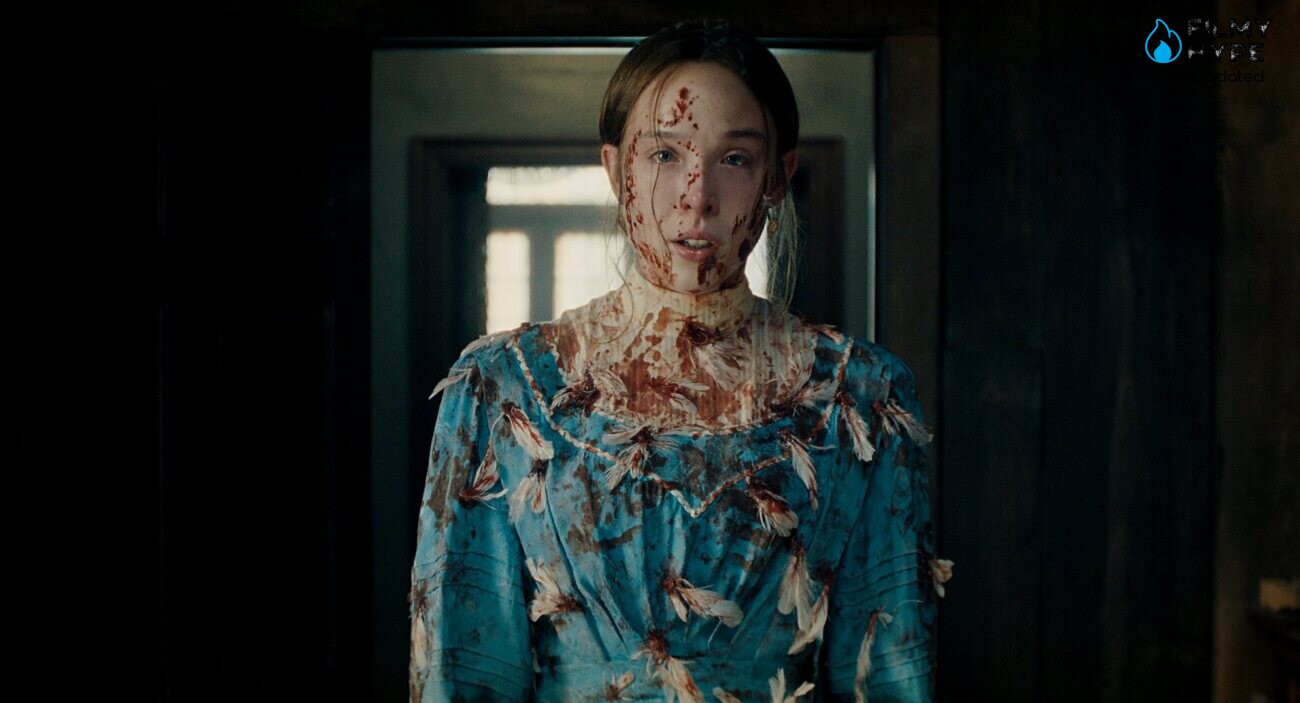
To make matters worse is the time jump to 1988. The series introduces new characters and a second storyline set in a completely different era than Lizzie Borden. The idea could have enriched the story, but in practice it ends up breaking it. The new elements do not add enough to the main story and contribute to making a narrative already characterized by numerous time jumps even more fragmented. It’s one of the least successful points of the season, because it takes away space from the very story that should have been at the center of everything: Lizzie’s. In the end, what is most lacking is depth. There is a lack of greater character development, a lack of a more compact script, and, above all, the balance between historical reality and narrative freedom that made the first chapters of the saga so effective.
“Monster: The Lizzie Borden Story” seems to want to use a true story to construct a contemporary tale, adapting it to the sensibilities and themes of the present. But in doing so, it loses some of the strength of the original case. And it’s a shame, because the Lizzie Borden story would have had all the elements to become one of the most disturbing chapters in the saga, and the cast had all the credentials to give us exceptional performances. Instead, we are far from the sophistication of “Dahmer”, a season that revolutionized the way true crime is told on television, and the powerful story of the Menendez brothers. Thus, “Monster: The Lizzie Borden Story” confirms a feeling that the Ed Gein season had already hinted at: The Murphy and Brennan saga seems to be starting to lose some of its strength. This time, however, the misstep was there for real.
Narrative freedom is normal. No one claims that a television series based on an event that occurred in 1892 can reconstruct every conversation, every thought, and every movement with documentary precision. The problem comes when those inventions become crucial to explaining the characters. Netflix takes a very clear position: in the series, Lizzie is guilty. Historically, we cannot say for sure. She was tried in 1893 and acquitted, while no other person was convicted of the murders of Andrew and Abby Borden. The case remained unsolved. The same official Netflix page dedicated to the real story acknowledges that no one knows for sure whether it was her. It can even stay here.
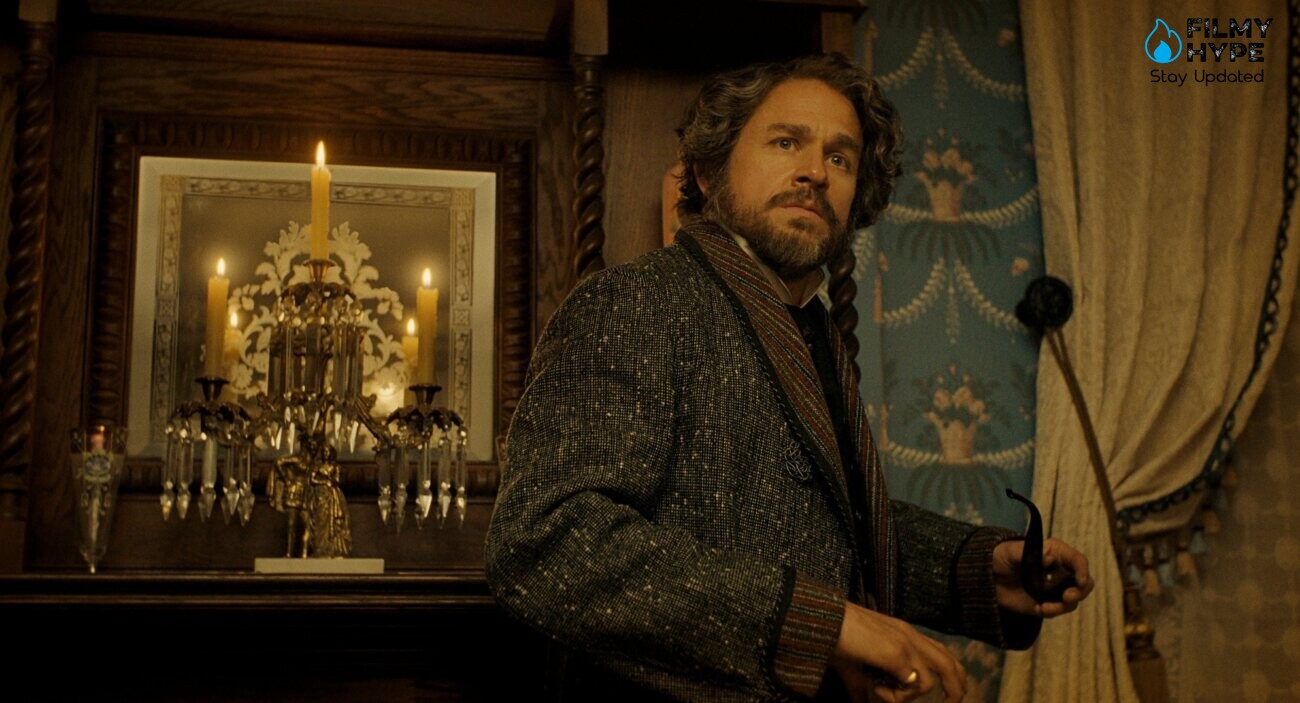
A series can choose a theory and build the story around that. The problem is what is added to get there. The Borden family is transformed into a kind of perfect laboratory to explain Lizzie’s anger. Andrew becomes, above all, the repressive and stingy father, Abby a deliberately repulsive figure, Bridget the sentimental and sexual liberation, while Lizzie is progressively inserted into an almost contemporary reading of the woman suffocated by a male society. It’s a possible interpretation. It is not the confirmed history, however. An example concerns Andrew Borden himself, played by Charlie Hunnam. The series focuses on his past in manual labor and presents him in a way that can leave the impression of a simple, enriched carpenter. Technically, it’s not invented that he worked in that industry: Andrew started as a carpenter and cabinetmaker and worked on furniture and funeral crates. Over the years, however, his life changed completely.
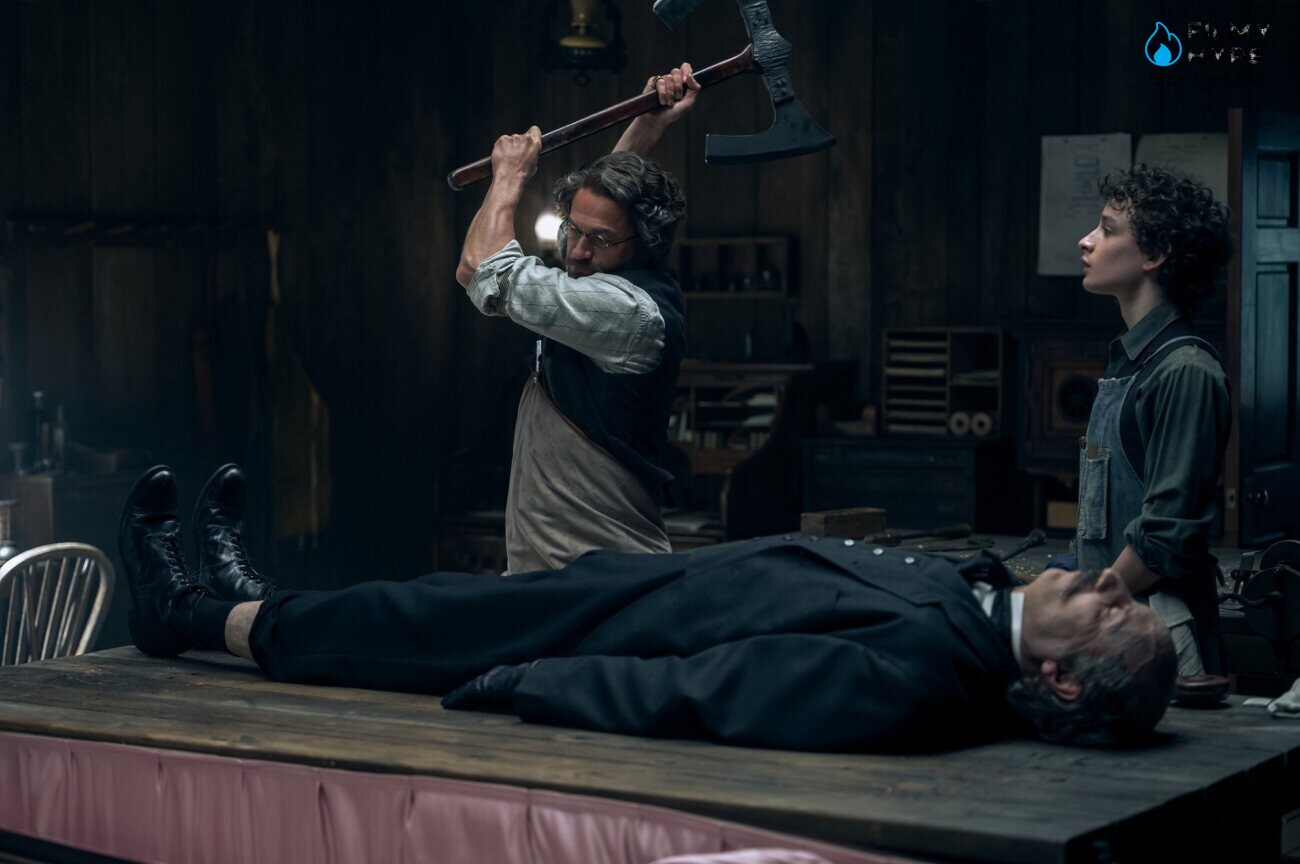
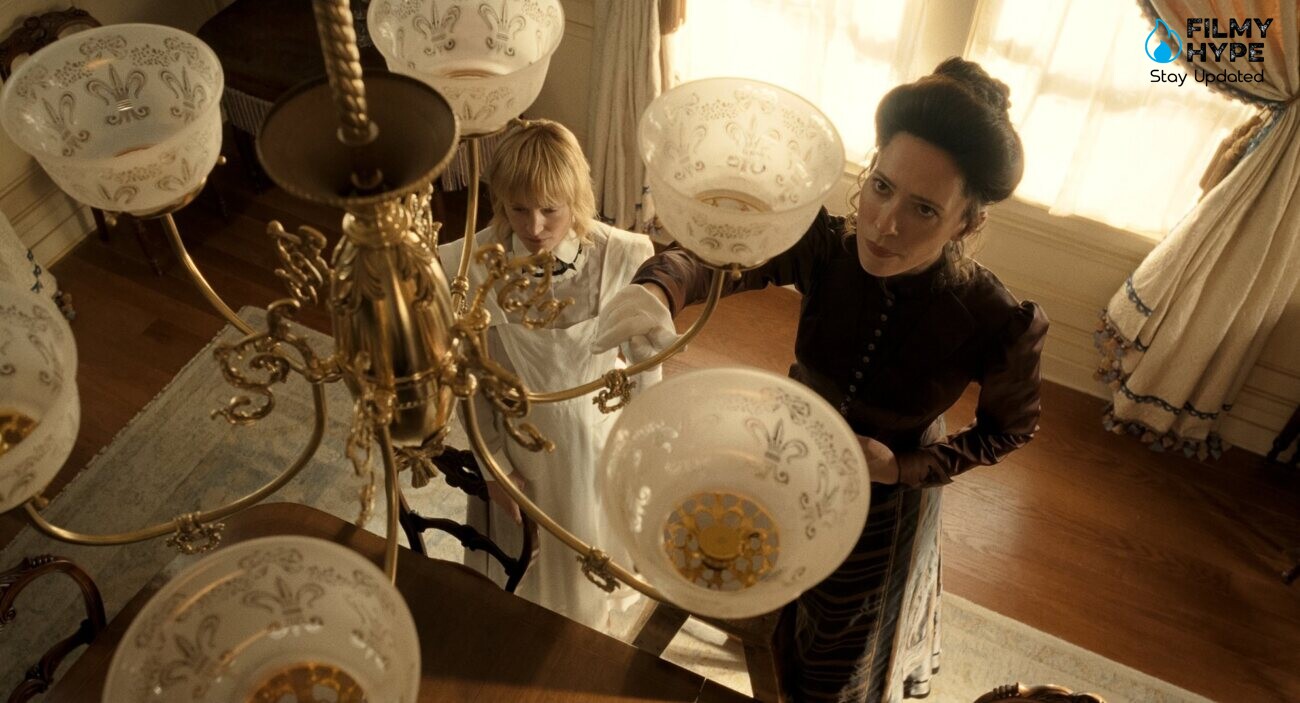
At the time of his death, he was a very rich man. He had investments in real estate and textiles, owned significant property, and by 1892 was president of the Union Savings Bank. His estate was estimated at between $200,000 and $300,000 at the time, a huge amount. Telling his professional origin is therefore not a mistake in the strict sense. However, reducing him to that image helps build a father who is simpler and more functional to the story the series aims to create. And it’s a feeling that comes back all the time. The thesis is chosen first. Then the real characters are adapted to the thesis. The most obvious example concerns Bridget Sullivan, the Borden family maid played by Vicky Krieps. Bridget actually existed. He was in the house on the day of the murders. Its position in the case is therefore very interesting even without adding anything else.
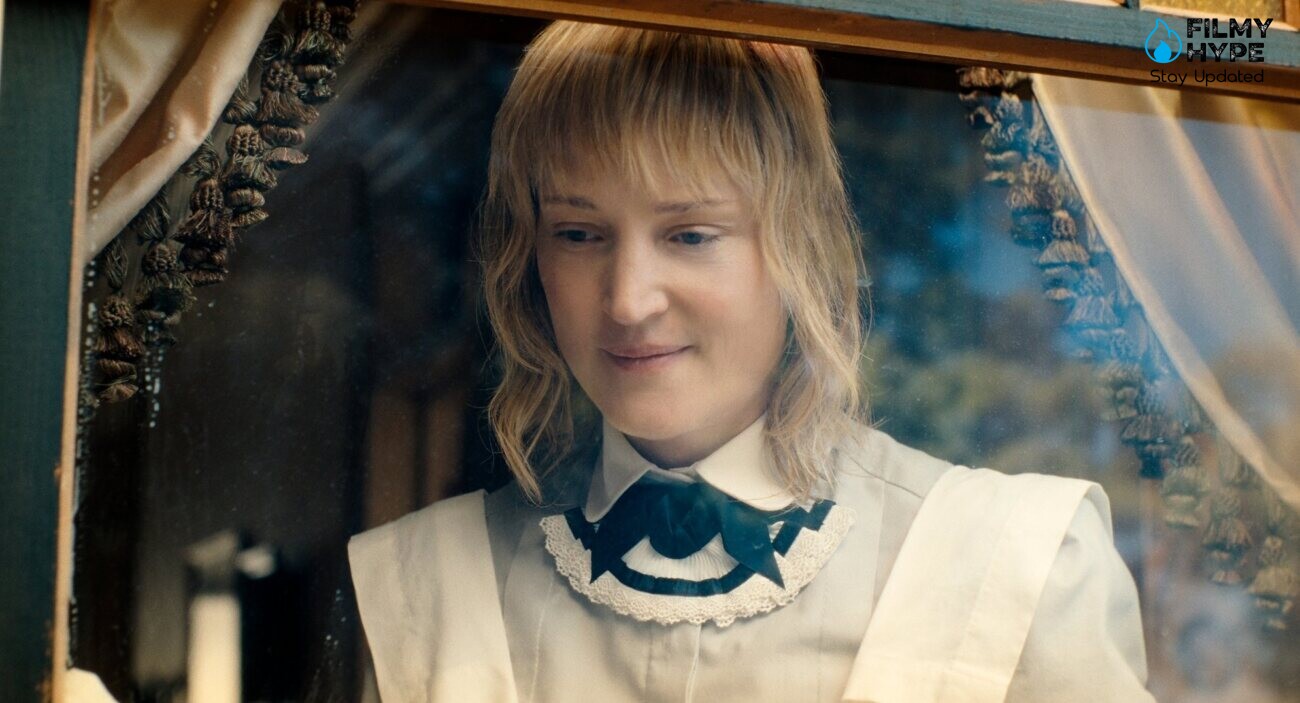
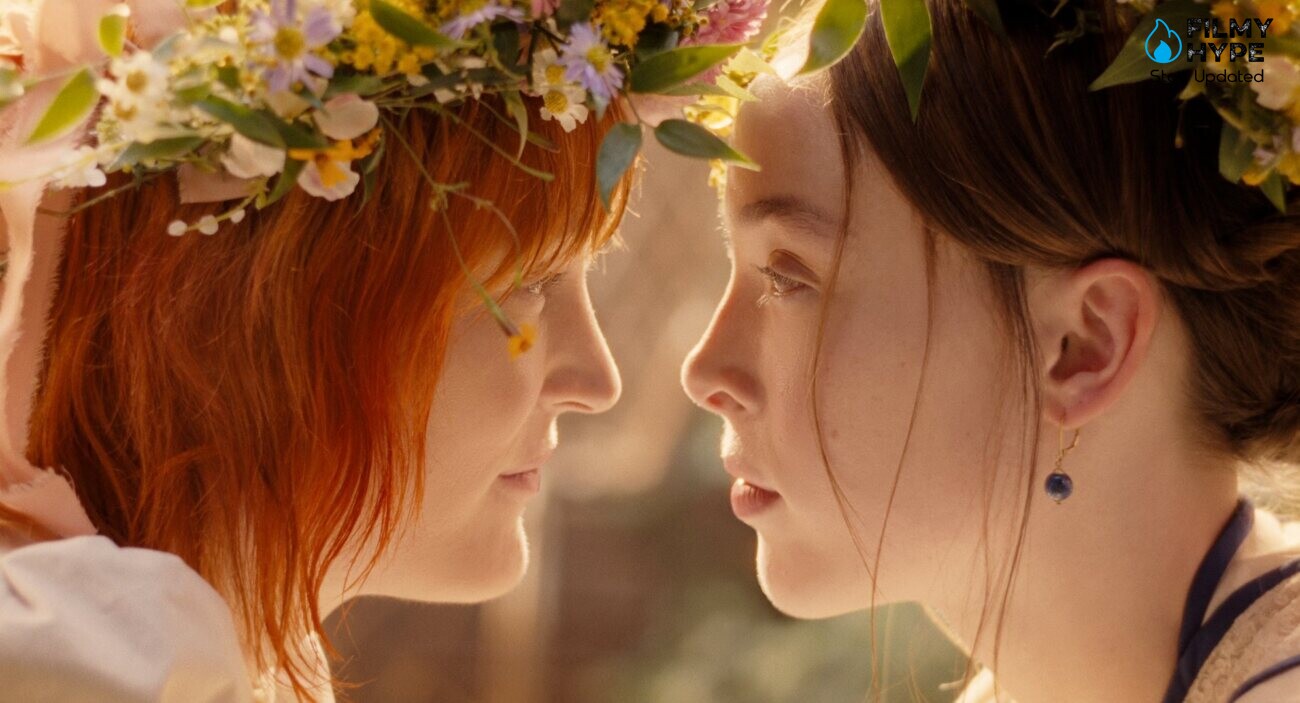
The series, however, transforms her into Lizzie’s great romantic interest and builds a fundamental erotic and romantic component around the two for the entire season. The problem is simple: there is no historical evidence that Lizzie Borden and Bridget Sullivan were lovers. We have no letters, reliable testimonies, or documents proving a romantic relationship between them. The theory entered popular culture primarily through fictional works and later reinterpretations. Even sources who reconstructed the case after the series’ release are very clear in distinguishing the real Bridget from the companion imagined by Netflix. Even a rather curious detail tells how far they were from that representation: according to historian Cara Robertson, Lizzie called Bridget “Maggie”, a name that belonged to a previous maid in the family. This of course, does not prove that there could not have been something between them. It shows, however, that we don’t know.
Netflix then takes a poorly documented possibility and turns it almost into a narrative certainty. This is where that feeling arises that someone might call a “Wokata”, even if we prefer to explain better what we mean. The problem isn’t seeing Lizzie in love with a woman. If there were solid historical elements, it would simply be part of the story. The problem is that the series seems to need that relationship to build its thesis on female repression and, instead of presenting it as one of many hypotheses, puts it at the center of the character. At that point, it is no longer history that suggests reading: it is reading that rewrites history.
Ian Brennan has openly explained that this season also stems from a desire to tell the story of a woman after three seasons dominated by male figures and to delve deeper into the theme of female anger. The idea itself could have been interesting. The problem is how much it is emphasized. Lizzie Borden is not enough. Elizabeth Báthory arrives. Aileen Wuornos is coming. The soundtrack uses modern music to connect different eras. Violent women become parts of the same discourse that spans centuries. At a certain point, you almost get the feeling that the authors’ real interest is no longer in telling Lizzie’s story, but in using Lizzie to talk about something else. Aileen Wuornos is the most obvious example of this. Sarah Paulson is always great, and her presence gives the season some interesting moments, but the connection with Lizzie seems forced.
The series aims to build a kind of genealogy of the angry, repressed, and ultimately violent woman. The result is that the real person becomes secondary to the message. And that’s a huge shame, because the Borden case already had enough ambiguity to sustain a full season. Then there is a problem of tone. Previous seasons of Monster, despite all their flaws and the inevitable controversies over faithfulness to the facts, retained a certain gravity. This time Brennan consciously chose to include more irony and dark humor. Some scenes seem almost grotesque. Exasperated vomiting, certain sexual moments, deliberately over-the-top dialogue, and the use of modern music create a series that transitions from tragedy to comedy in the space of a few minutes.
Part of the public appreciated this very choice. Other viewers criticized the overly modern tone, Lizzie and Bridget’s relationship transformed into certainty, and the liberties taken with the real story. We are closer to the second group. Not because Monster has to be a documentary. But if you take real people, real victims massacred, and a real trial, you have to find a balance. Season four, on the other hand, seems to be having fun, especially whenever it can break that balance. However, it would be unfair to throw everything away. Ella Beatty works very well, like Lizzie. He has presence, manages to be fragile and disturbing without constantly turning the character into a caricature, and holds up much of the season. Rebecca Hall takes several scenes as Abby and manages to make interesting a character written deliberately to be difficult to love.
Vicky Krieps is very good, even if Bridget, in our opinion, is one of the characters most penalized by the direction chosen by the authors. Sarah Paulson needs no introduction, while Charlie Hunnam does what he can with an Andrew constructed more as a symbol of patriarchal repression than as a real person. Scenarios, costumes, and photography also maintain a high level. If we judged only the packaging, the rating would be significantly higher. The strangest part is that, once the season is over, you feel like opening a book or looking for documents on the real Borden case. Not necessarily because the series delved deeply into the story, but because it comes naturally to constantly ask: “But did this really happen?” And often the answer is no, or “we don’t know”. This is the main limitation of the season.
A series based on a historical mystery can invent what is missing, but it should make the viewer perceive where the fact ends and where the interpretation begins. Monster: The Lizzie Borden Story often doesn’t. He takes an acquitted woman and openly presents her as a murderer. He takes a real maid and turns her into his lover and accomplice. It uses criminal figures who lived a century later to construct a common discourse. Edit and simplify real characters to better fit into the story chosen by the authors. It can work as a very free horror inspired by Lizzie Borden. It works much less as a Monster season dedicated to its story. Dahmer was disturbing. The Menendez were causing a discussion. Ed Gein divided, but retained a certain ability to get inside the viewer’s head.
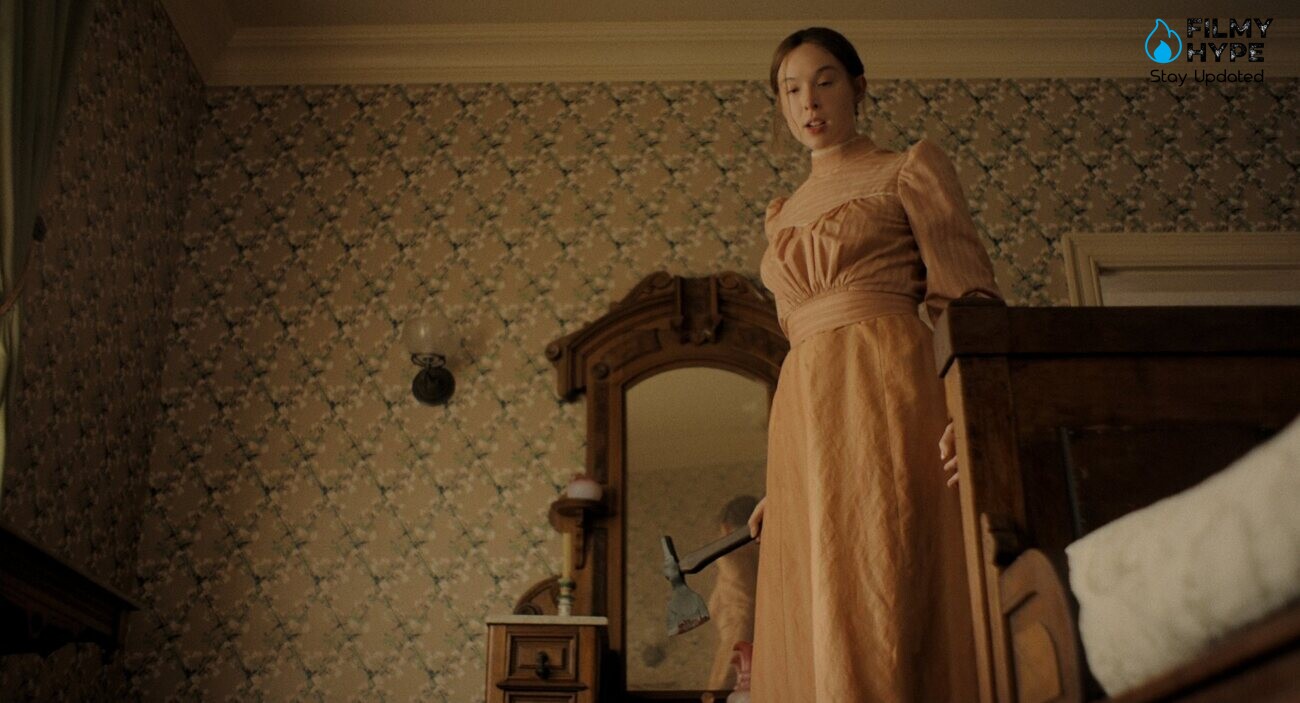
Lizzie Borden, on the other hand, often seemed more interested in provoking than in telling. It’s not a series without quality. The cast prevents it from falling completely apart and visually remains a major production. Some episodes flow well, and some ideas have charm. But if we have to put it next to the other seasons, there isn’t much discussion for us. She’s the worst Monster to date. And now we’re curious to know what you think: did you enjoy this very free-form version of Lizzie Borden’s story, or would you also have preferred a series more faithful to the facts and less interested in filling in the blanks with modern interpretations? Write it to us in the comments.
Monster: The Lizzie Borden Story Review: The Last Words
For the first time, Monster centers a woman accused of murder and uses Lizzie Borden to question female violence and the reasons behind it. The diverse perspectives and ideal bond built between Báthory, Borden, and Aileen Wuornos offer some of the most interesting insights of the season, but the need to almost always trace women’s violence back to what they have experienced risks simplifying the discussion. Added to this is Ryan Murphy and Ian Brennan’s usual taste for the corporeal and the grotesque, here so exasperated that it becomes, especially in the part dedicated to Wuornos, almost annoying.