

The Chestnut Man Season 2 presents a new case in which Naia Thulin and Mark Hess must work together. It’s been 2 years since they caught the serial killer who left chestnut dolls at his crime scenes, and now they must investigate the case of a woman from Copenhagen, who disappeared after being harassed by a mysterious figure who uses nursery rhymes to play with your mind. Eventually, the victim is found murdered, and Thulin and Hess discover three things: that this is the work of a new serial killer, that the killer uses games and nursery rhymes to pursue his victims, and that everything could be connected to the disappearance of a teenager 2 years ago.
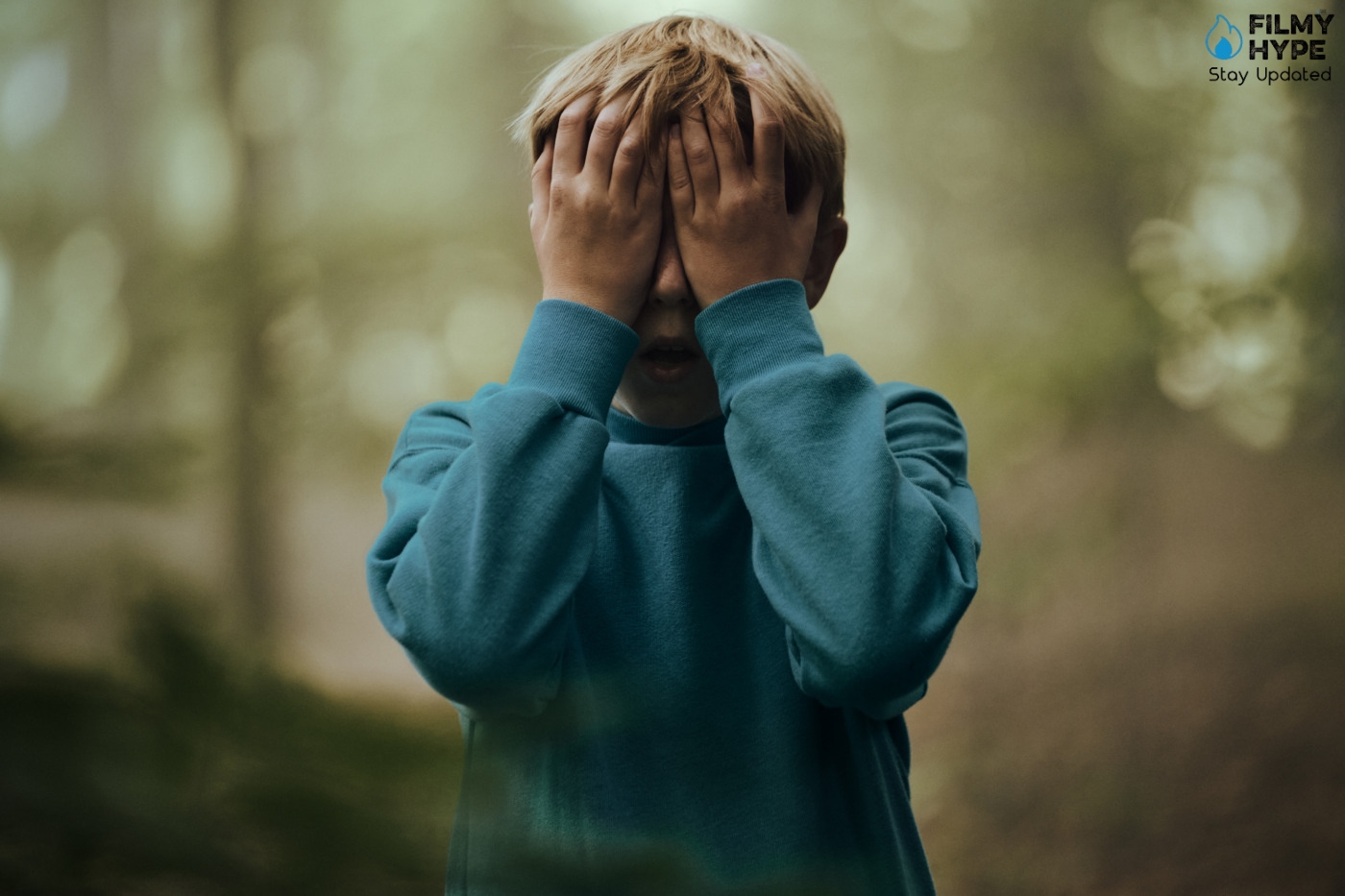
Throughout its 6 Episode, the nordic series explore the complex relationship between Thulin and Hess (wondering if they are really capable of building something stable), and Naia’s daughter, Le- but also a series of disturbing crimes and, as in the first season, the psychology of a murderer who has a strange obsession with childhood games, which suggests that he may have had a terrible childhood. He is a murderer who not only kills but also uses psychological elements to leave his victims upset and scared, invading their personal space with messages, videos, and rhymes that make them feel increasingly desperate, and that is one of the most terrifying aspects.
The Chestnut Man Season 2 Ending Explained: Who is the Murderer?
Some crime thrillers conclude with a confession. This one ends with a lingering question after the screen goes dark. How much of the evil we do is ours, and how much was handed to us before we ever had a choice?
If you’ve just finished the six episodes of The Chestnut Man: Hide and Seek and are left sitting in stunned silence, you aren’t the only one. The finale reveals more than just the killer, too. It strips away layer after layer of a tragedy that stretches over decades, turns everything you thought you knew about guilt upside down, and then leaves you hanging in a kind of moral fog that no amount of detective work can clear. Let’s unpack what went down, what it means, and why that last scene with Mark and Le could be the most crucial moment of the whole season.
The Big Reveal: Who Is The Killer – And Why It Matters?
By the time the season reaches its climax, the investigation has strayed from a missing person case into something much more tangled. The victims seem to have no apparent link to each other, and each crime scene is marked with a mysterious children’s rhyme. The pattern seems ritualistic, but it is also deeply personal in ways the detectives can’t quite grasp.
The killer is Thea, also known as Signe. On the surface, she seems unremarkable — a woman who works within the very system designed to protect vulnerable families. She works for the Family Law Agency, and she hears stories of separation, infidelity, and domestic breakdown every day. But that work is not neutral to her. It’s gasoline.
You have to go back decades to understand Thea. Her father, Thoger Staal, was a multiple murderer and had destroyed her childhood beyond repair. That first trauma, what the season calls the “original sin” of the whole story, blew up her family structure. Her mom ran away. Thea was left alone in an institutional system that could hold her but not contain her pain. That wound of abandonment never closed. It just learned how to hide.
Her adult life didn’t break the chain, either. It pulled it in tighter. Roy’s marriage breakup. The tragic loss of her own children in an accident. They weren’t new wounds. They were savage re-openings of the old one. By the time she meets Emma — Marie’s daughter — something is calcified. She sees Emma and Roy’s relationship as a rehash of the betrayal that destroyed her. The next murder is not a sudden psychotic break. It is the logical endpoint of a mental structure being constructed over decades. Revenge is a kind of internal coherence for Thea. A perverse attempt at emotional order in a world that never provided it.
How Mark and Naia Solved The Case?
The investigative thread leading to Thea is methodical and grim, built up piece by piece in the background as the emotional chaos unfolds in the foreground. Mark Hess, still chased by his own ghosts, follows a trail of biological traces and archival records. The key to the door is finding Thoger Staal’s DNA. It connects the present murders to the old multiple homicide and then, through the orphanage records, straight to Thea.
But here’s the key difference that makes this show stand out from a typical procedural: closing the case doesn’t close the emotional circle. When her last hiding place is discovered, a confrontation ensues, and violence ceases to be merely criminal. It becomes a symbol. It’s the point of collision where every generation touched by the original trauma comes together. That room has Thea, her father, her lost children, Emma, Marie, and Roy. Even if two people are standing in that room.
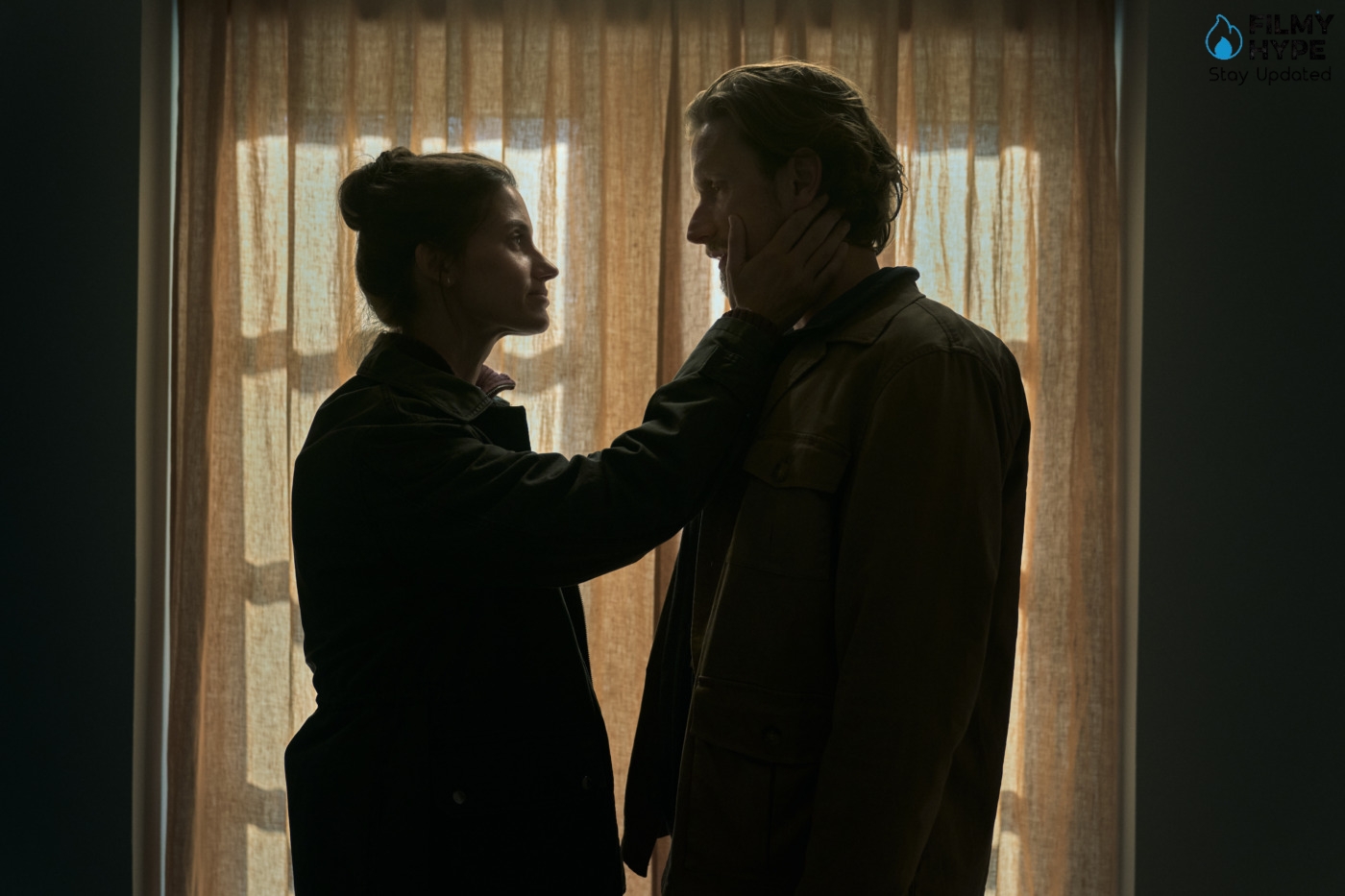
Naia Thulin remains the steadying force at the center of the procedural side, while everything around threatens to fall apart into chaos. Danica Curpic plays her with a quiet devastation that makes every scene feel heavier than it needs to be. She’s not just working a case. She’s walking through the rubble of inherited damage, looking for some kind of ground that may not be there.
What The Ending Really Means: Inherited Trauma
The point of the finale is not the killer’s identity. It’s the way the show makes its actual argument that trauma is like a hereditary structure. It’s not contained by the person who first experiences it. It twists through families, through systems, through time, distorting every life it touches along the way. Thea is not a monster in the usual sense. She is what happens when a wound goes untreated, and then gets passed down like a cursed object nobody asked for
This is where the title of the show really comes into its own. Hide and Seek is no longer a child’s game but a tragic means of survival. The hiding is not fun. It’s psychological self-preservation. And the seeking — the investigation — is a sort of archeology. Mark and Naia are not just chasing a criminal. They’re digging through layers of buried pain, trying to pull to the surface what was forcibly taken and allowed to fester in the dark.
In this reading, the Family Law Agency itself becomes a key symbol. It’s an institution designed to log the cracks in home life — the breakups, the child-custody battles, the meltdowns — but it can never figure out their emotional weight. Thea isn’t in that system by chance. Sadly, it’s inevitable. She is surrounded by stories of rupture every day, and each one reactivates her own. The system intended to limit damage actually amplifies it.
The Dissolution of Personal Guilt
One of the more chilling things the finale has to say is that individual guilt may not be the best way to think about crime. This is not an excuse for what Thea does — the show never lets her off the hook. But it complicates the picture so much that you can’t walk away feeling good that a “bad person” has been caught.
Thea is not a clear-cut figure of evil, but the product of systemic fractures. Her family’s downfall. The failure of the institutions to catch her after she fell. The collapse of any relationship that might have broken the spiral. Crime in this framework is a kind of learned language, not a simple isolated act. She spoke the only language she knew.
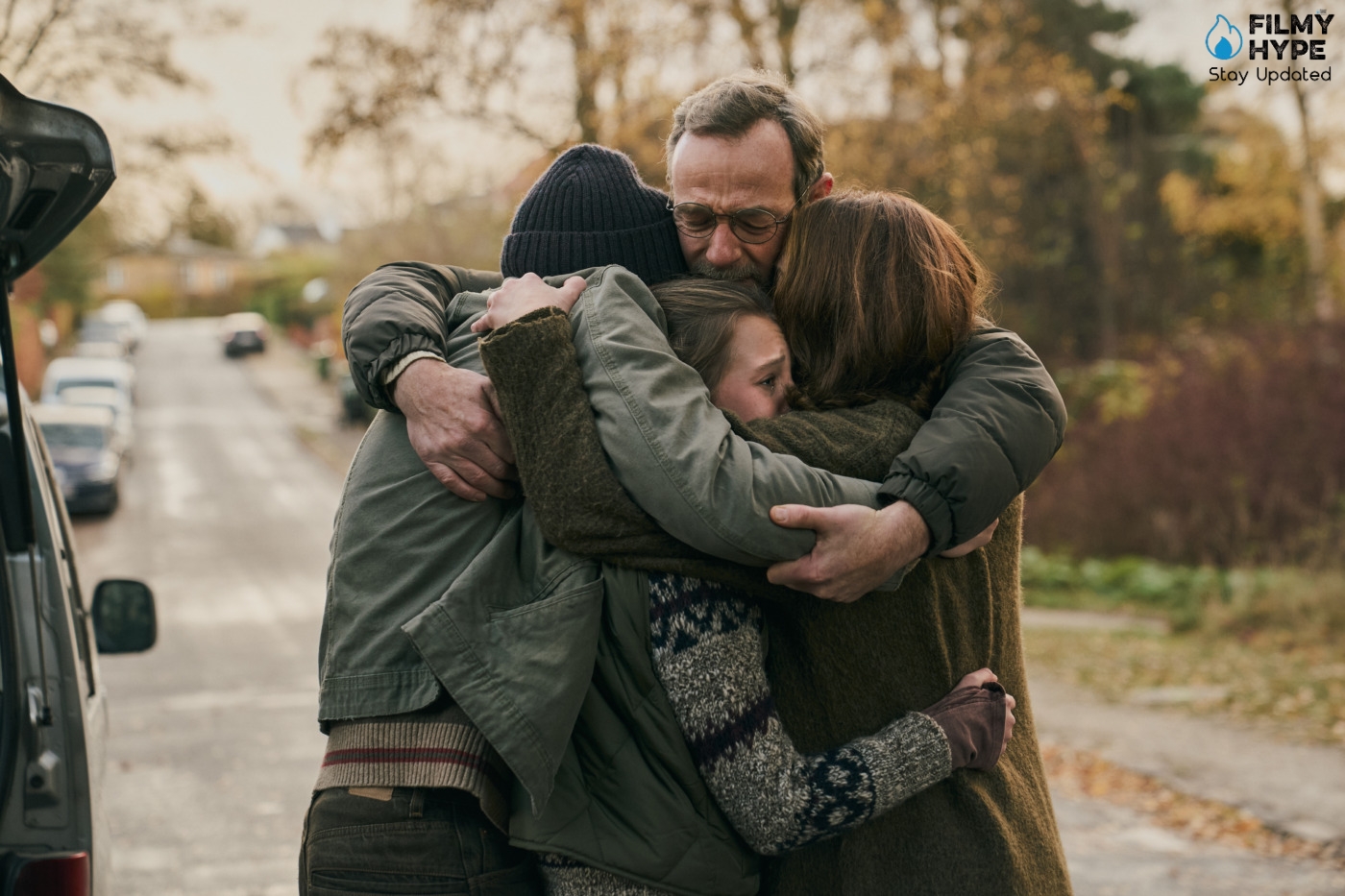
And here the show runs up against the structural pessimism that colours so much classic Nordic noir. The solution to the crime never aligns with the healing of the narrative world. While Thea’s death closes an individual trajectory, it does not in any way close the conditions that made her transformation possible. The systems that failed her still function. The orphanages, the agencies, the bureaucratic machines that process human pain without ever really touching it — they all remain in place, waiting for the next broken child to slip through the cracks.
Mark’s Final Decision: Ending the Cycle and then There’s Le?
Mark Hess is a man of avoidance, and that’s what he is all season. He doesn’t do emotional confrontation. He doesn’t do commitment. He doesn’t do the kind of vulnerability that might actually heal something in him. Mikkel Boe Følsgaard plays him with a subtlety that makes his silences more eloquent than most actors’ monologues. He’s good at his job, but he’s been running from everything else so long that running is his normal mode.
And his ultimate decision to take on a parental role for Le changes everything. The show is smart enough not to make this a triumphant moment. It is silent. Tentatively. The man who’s shirked responsibility for years, taking on one, not because he’s suddenly healed or whole, but because he’s seen what happens when no one does.
And this is the fracture in the cycle that is Thea’s story. If trauma is inherited, the only way to stop it is to intervene at the point of transmission. You cannot rewrite the original wound. You can’t bring the dead back to life. But you can develop a new kind of relationship that can take pain without being taken over by it. Mark’s choice is not a moral resolution to the case — the case is resolved, messily and incompletely. His decision is a personal response to a much older question that the case only made visible: What do you do with the broken pieces when the investigation is done?
In this last framing, family is completely rewritten. It’s not a biological origin, and it’s not a guaranteed safe harbor. It’s a process, an active and ongoing process of building. It’s something you build, day by day, knowing it could fall, but you build it anyway. In a world of loss, the only way to stand up to it is to care.
The Open Question the Finale Leaves Behind
The season doesn’t end neatly. It cannot. The conclusion of Thea’s story is not a resolution, but a pause in a far longer and more complex narrative. The show seems to be asking, not just what happens next to Mark and Le, but what happens next to a world where the conditions that created Thea are still in place?
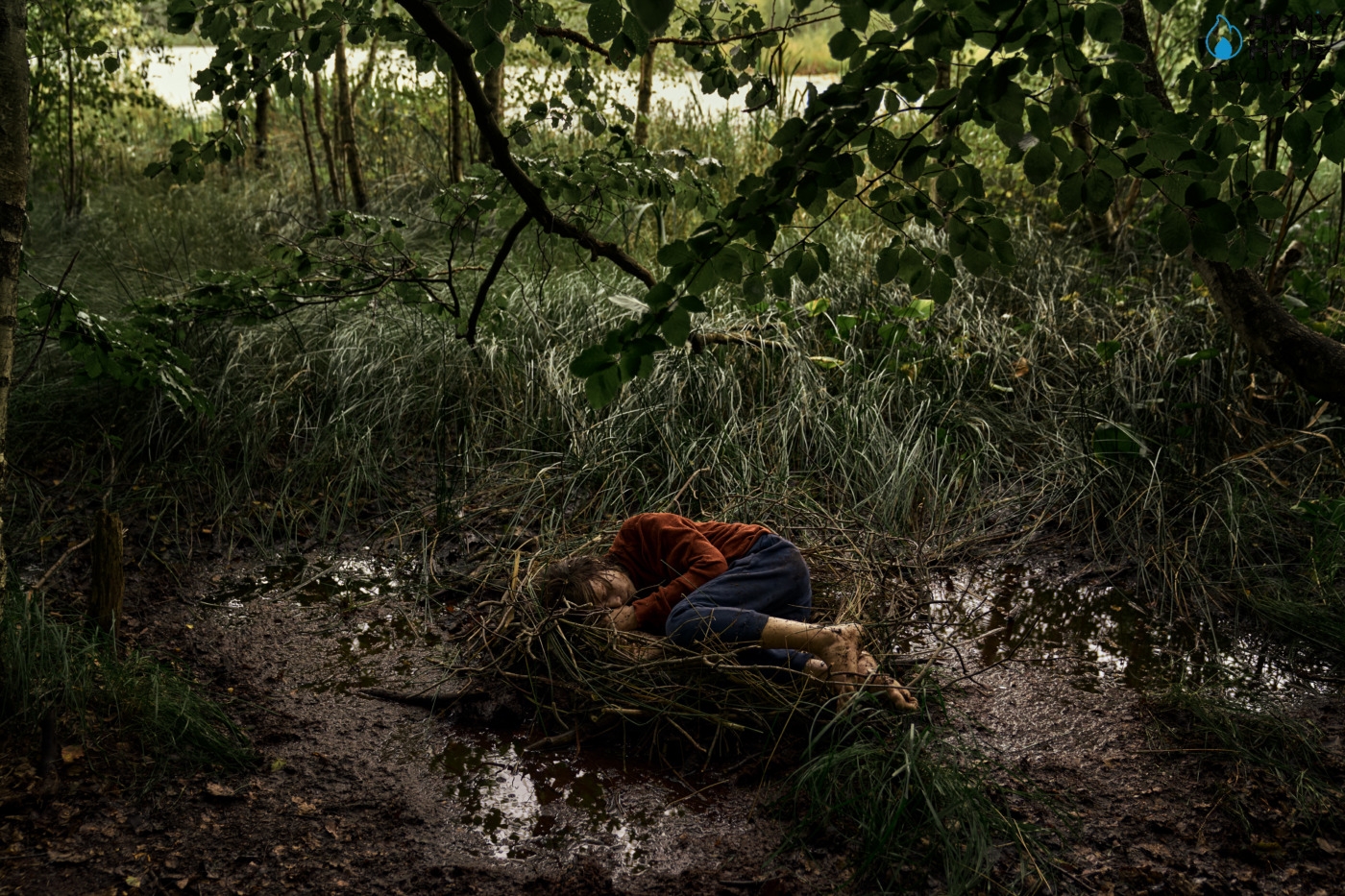
It is the unease you carry with you after the credits roll. The crime is over. Killer is done. But the machinery of trauma — the families that fail, the systems that can’t catch the falling, the wounds that go untreated and become something predatory — keeps humming. A possible third season couldn’t just repeat this structure. It would have to look at what happens when someone makes an active, imperfect effort not to participate in the inheritance of damage. She’d have to follow Mark, and Le, and the fragile thing they’re building in the shadow of all that was destroyed.
The Chestnut Man: Hide and Seek ends with its own darkest question hanging. It just frames it differently. Evil is not necessarily a single moment choice. It might be something you get, and then either pass on or finally, painfully, refuse to carry. Mark’s final gesture is one of refusal. And in a story this grim, refusal might be the best thing you can get, like hope.
What is the Connection with Emma, the Teenager Who Disappeared 2 Years Ago?
The case of Hide and Seek has a connection to the disappearance of a teenage girl years ago, and everything becomes clearer when the DNA of Thoger Staal, the 1992 killer, is found under the fingernails of Emma’s body. But Thoger is dead, and that leads Hess to find his daughter, Thea, and the authorities to discover that the family home still exists. It turns out that Emma was the daughter of Marie, who strikes up a friendship with Thea, not knowing that the murderer considers her responsible for the destruction of her family and her marriage. Thea murdered Emma as revenge. When Hess tries to confront her, she tries to kill him, and it is Marie, Emma’s mother, who kills Thea and saves Hess’s life (who by this point had already lost Naia, who is murdered during the investigation, by the husband of one of the victims). Mark Hess survives and decides to go find Le, Naia’s daughter, and become a father figure to her.

