

Waiting to understand if 28 Years Later: The Bone Temple, we tell you the plot of the new chapter of the beloved horror saga created by Alex Garland and Danny Boyle, also focusing on what happens in the finale. 28 Years Later: The Bone Temple directly continues the events of 28 Years Later and once again immerses us in a world devastated by the virus of anger, where the threat is no longer only the infected, but the extreme beliefs and cruelty of the survivors themselves. The film focuses on Dr. Ian Kelson, a scientist obsessed with finding a possible cure, and Spike, a young man trapped by a violent cult led by the charismatic and disturbed Jimmy Crystal. Both stories advance in parallel until they come together in a climax as brutal as it is revealing, which redefines the meaning of hope within this post-apocalyptic universe.
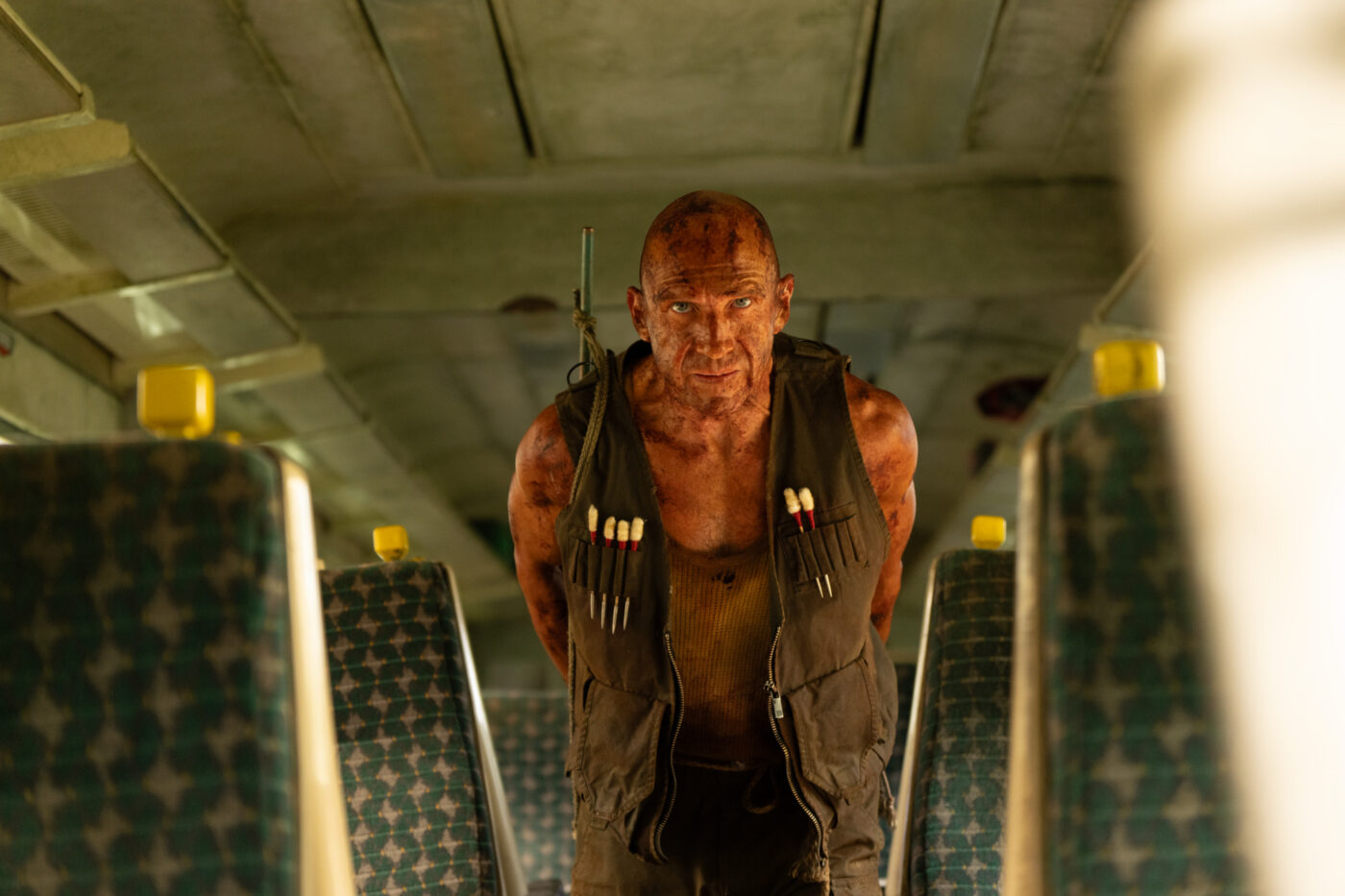
The fourth installment in the ’28’ saga, a direct sequel to 28 Days Later, released in 2025, picks up right after the cliffhanger of the previous installment, with Spike (Alfie Williams) face-to-face with the twisted Jimmy gang. Their boss, the sadistic Sir Lord Jimmy Crystal (Jack O’Connell), tells the boy that he can only join his inner circle if he can kill a Jimmy. A reluctant Spike succeeds, and after joining the gang, he meets Jimmy Ink (Erin Kellyman) and Jimmima (Emma Laird). In the meantime, Dr. Kelson (Ralph Fiennes) discovers that Alpha Samson (Chi Lewis-Parry) has become addicted to morphine and continues to return to The Bone Temple to get a new dose from time to time. Despite being infected by the Rage Virus, Thanks to morphine, Samson becomes more and more lucid and eventually starts talking, thanks to the antipsychotic therapy provided by Kelson.
28 Years Later: The Bone Temple Ending Explained
The outcome revolves around two key ideas: the real possibility of treating the virus of anger and the definitive collapse of the fanaticism that Jimmy Crystal represents. Kelson accomplishes something that seemed impossible: his experimental treatment works on Samson, an infected “alpha” who begins to regain memories, language, and awareness from his previous life.
This advance suggests that the virus is not only physical, but also psychological, and could be contained or even reversed with appropriate medication. However, the film makes it clear that this progress comes at a price: the infected react violently against Samson, as if they considered him an anomaly, a traitor to his wild state.
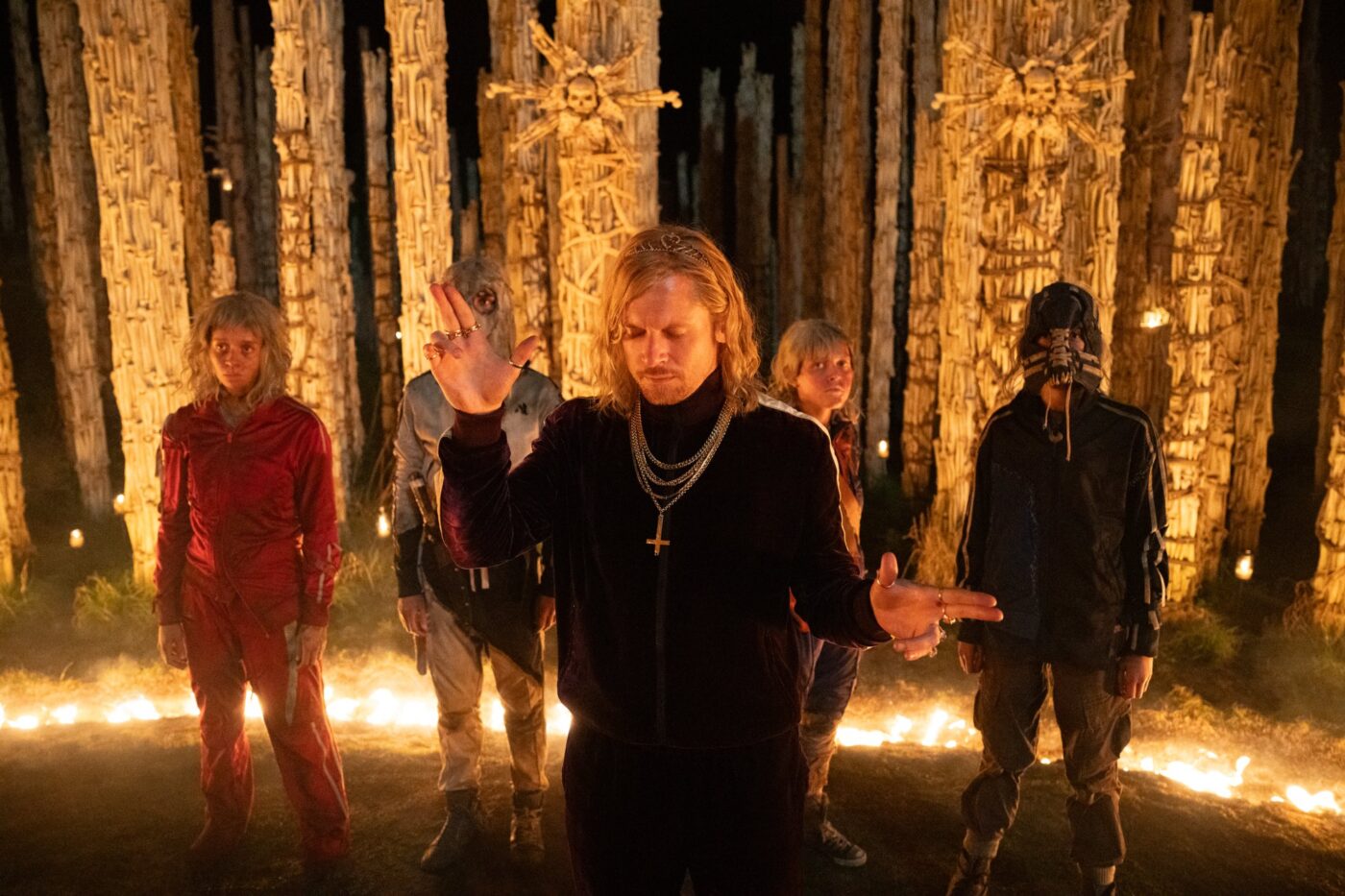
Meanwhile, Kelson infiltrates Jimmy Crystal’s cult by posing as a demonic figure. His staging of fire, symbols, music, and theatricality works. Still, it also reveals something disturbing: Crystal does not seek redemption or enlightenment, but rather to justify violence and perpetuate the sacrifice of innocents. Recognizing Spike among the cult members, Kelson breaks his own plan and dictates one last “divine order”: Jimmy Crystal must be crucified, just like the son of God he claims to venerate so much.
Very soon, Spike realizes that Sir Jimmy is a Satanist and is shocked by what he witnesses while spending time with the gang in the days that follow. At one point, with their ranks depleted, Jimmy visits Kelson and asks him to pretend to be Satan to help them keep the remaining Jimmy’s under control. Forced to obey, Kelson lends himself to the game, dosing the gang with a hallucinogenic substance before performing a lip-synching pyrotechnic performance of Iron Maiden’s “The Number of the Beast.” However, realizing that Spike is now among them, tries to convince Jimmy to crucify their boss in an attempt to free the teenager he first met in the previous film.
Jimmy stabs Kelson, and in the ensuing chaos, Spike does the same to the deformed gang leader. In the end, Ink crucifies Jimmy on an inverted cross before leaving with Spike (revealing that his real name is Kelly). Samson, now fully recovered and lucid, shows up on the scene and thanks the dying Kelson before taking him away. As for Jimmy, is killed by an infected after having a hallucination in which Samson is Satan.
This is where we leave the protagonists of 28 Years Later: The Bone Temple, but there is a final scene that confirms Cillian Murphy’s return as Jim: this is not a spoiler or a big surprise, as Danny Boyle himself confirmed that the character would return in the finale 28 years later: Temple of Bones with a brief cameo and then return in 28 Years Later: Part 3 with a more central role in the story.
28 Years Later: The Bone Temple doesn’t have a post-credit scene, but the final moments of the sequel present the great return of the Oscar-winning star and prepare the ground for the third chapter: after the defeat of Sir Lord Jimmy Crystal, they decorate the cottage last seen at the end of 28 Days Later of 2002. Inside, Jim is helping his daughter study for a history exam…but at one point, the two hear a noise outside and see Spike (Alfie Williams) and Kelly (Erin Kellyman) in the distance, being chased by a horde of infected people.
Grabbing the gun, Jim reassures his daughter that they will help the two boys, implying that the protagonist of 28 Days Later and the young protagonist of 28 Years Later will finally meet in the next chapter. A little gem for longtime fans of the franchise: the scene is accompanied by the theme song from 28 Days Later, “In the House – In a Heartbeat”, which plays in the background. Now all eyes will be on what Cillian Murphy will do again as Jim in 28 Days Later: Part 3, the conclusion of the Danny Boyle and Alex Garland trilogy.
The Fall of Jimmy Crystal and the Sacrifice of Kelson?
Chaos breaks out. Jimmy Ink, until then subdued, takes advantage of the moment to rebel. Spike confronts Crystal directly and mortally wounds him, ending his reign of terror. However, Crystal manages to fatally stab Kelson before falling. The scientist dies knowing that his work has not been in vain and that he has saved both Samson and Spike from an even worse fate. In one of the most symbolic scenes of the film, Samson appears at the end to collect Kelson’s body. It is not clear whether he does it as an act of gratitude, mourning, or as part of a new ritual, but the gesture confirms that something has changed in him. He is no longer just an infected person guided by anger.
Is There Really a Cure for the Virus?
The film does not offer a definitive answer. Kelson’s treatment works in Samson, but we don’t know if it is permanent or temporary. The important thing is that, for the first time in decades, there is tangible proof that the virus can be treated. Hope, although fragile, is no longer an illusion.
Jim’s Return and the Future of the Saga
Before the credits, the story takes a key turn with the return of Jim, the protagonist of 28 Days Later. He lives hidden with his daughter in a small, seemingly stable community. When Spike and Jimmy Ink arrive, fleeing the infected, Jim comes to their aid, finally connecting the different generations of survivors. This scene not only closes The Bone Temple but sets the stage for the final chapter of the trilogy, where the past, present, and future of the rage virus are destined to collide.
In short, 28 Years Later: The Bone Temple closes its history with a mixture of sacrifice, redemption, and contained hope. The world remains a brutal place, but for the first time since the beginning of the plague, humanity seems to have found a crack through which to believe again in a different tomorrow.
