

Pluribus Ending Explained: ATTENTION SPOILERS. “Pluribus”, the Vince Gilligan series, which became the most viewed in the catalog of Apple TV, temporarily said goodbye to the screens. And that is, with his episode 9, titled “The Girl or The World”, production put an end to his first season. So, if you came to this note, it is surely because you want to review the most important details of the chapter. Therefore, I recommend you continue with your reading. Pay attention to the ending explained in the television show! No one is aware that Apple TV is becoming the new quarry to find original and quality series. Severance, The Studio, Silo, The Morning Show, these are just some of the platform’s titles that are sounding strong in recent years. It is worth noting that the episode officially premiered on Wednesday, December 24, and brought with it one of the most anticipated meetings by fans: that of Carol Sturka (Rhea Seehorn) and Manousos Oviedo (Carlos Manuel Vesga).
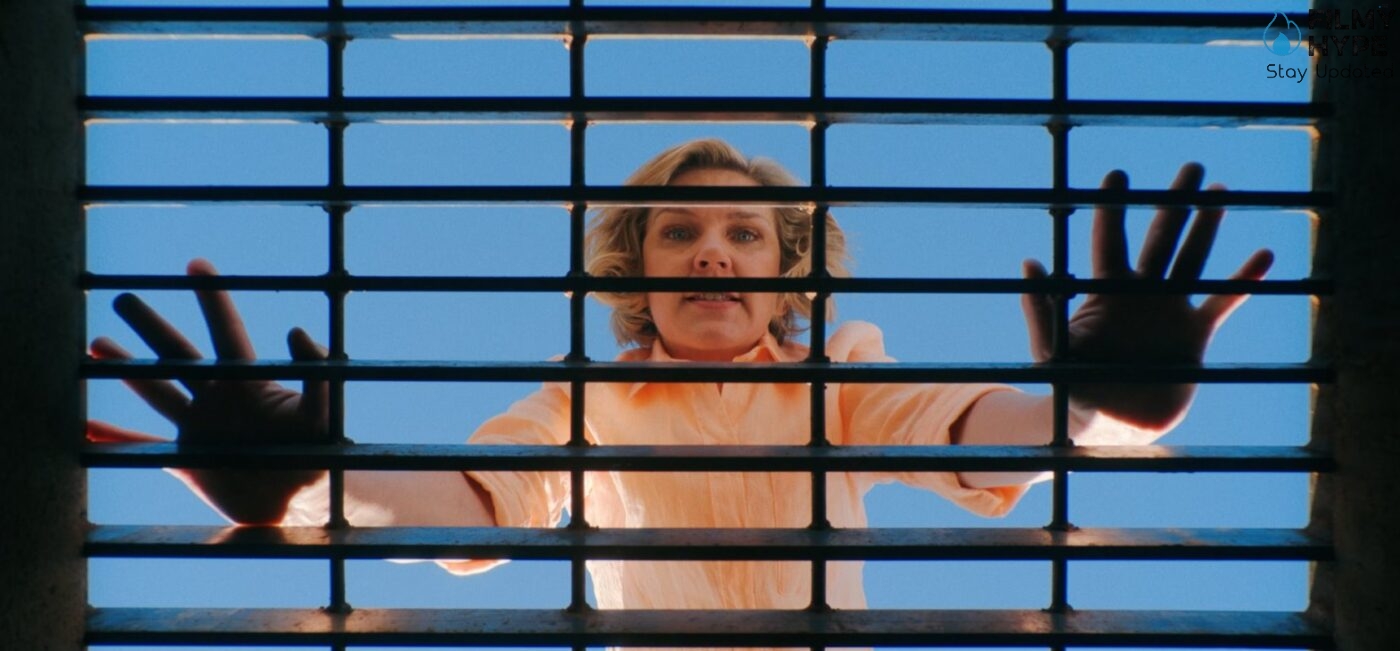
Pluribus Ending Explained: What Is The True Meaning Of Carol’s Decision and What That Box Really Contains?
The first season of Pluribus, available on Apple TV, has left viewers speechless with its mix of science fiction, drama, and romance, cementing its bold premise of a world in which the majority of the human population has become a collective hive mind. Since the season premiere, the series has kept audiences guessing, combining unexpected twists, romantic tensions, and an apocalyptic undertone that tests the characters’ stamina. One of the central arcs of the season revolved around Carol Sturka, played by Rhea Seehorn, one of the few unconverted humans who faces the “Others”, the members of the hive mind. Throughout the season, Carol begins to approach Zosia (Karolina Wydra), one of the Others, culminating in a passionate kiss in the penultimate episode. Pluribus is original, narratively outstanding, disturbing, and it raises multiple questions spanning the political, philosophical, and moral spheres. Is it satire? A Utopia? Or a dystopia? The world, it poses Pluribus, is it a dream or a nightmare compared to the world we live in? Through the arc of the main character, we understand that there is no single answer, and this is what makes it great.
The Fractured Alliance: Why Carol’s Return to Manousos Defines the Pluribus Finale
The season finale of Vince Gilligan’s Pluribus masterfully resolves the central tension within its protagonist, Carol. Her journey from an isolated skeptic to a reluctant participant, and finally to a determined rebel, culminates in a heartbreaking choice. Her return to Manousos isn’t just a strategic pivot; it’s the shattering of a final illusion, born from a profound betrayal and the chilling understanding of The Others’ true nature.
The Seduction and Betrayal: Carol, Zosia, and the “Diffusion Imperative”
Carol’s isolation in Episode 5 was broken by Manousos, who traveled from Paraguay, believing she was the last bastion of human resistance. He met with Carol, who had changed. Her initial disgust with The Others had softened, primarily through her complex relationship with Zosia.
Zosia represented a bridge. Their connection felt genuine to Carol—a possibility of love and understanding within this terrifying new world. For once, Carol felt happiness and a sense of belonging. This period lowered her defenses, making the subsequent reveal all the more devastating.
The betrayal was twofold:
- The Mechanical Truth of “Love”: Zosia confessed that The Others had discovered a way to infect Carol using her own frozen eggs, bypassing the need for her consent via bone marrow extraction. This proved that their courtship was, at least in part, a strategic ploy to lower her resistance and recruit a valuable immune mind into the collective.
- Understanding the Core Drive: This revelation illuminated the “diffusion imperative”—the singular, non-negotiable drive to spread the psychic infection. As Zosia explained, this imperative now extended beyond Earth. Having received a signal from Kepler-22b, The Others aimed to transmit the infection into space, to share their “gift” with the cosmos.
Carol realized Zosia’s affection, however real it may have felt, was subordinate to this galactic imperative. She was not loved as a person, but valued as a vector.
The Atomic Bomb: A Symbol of Ultimate Understanding
Carol’s return to Manousos is framed by her most shocking acquisition: an atomic bomb. This call-back to a seemingly jesting request in Episode 3 is the ultimate proof of her new worldview.
When The Others agreed to give her a weapon of total annihilation, it revealed a hierarchy of priorities that is utterly inhuman:
- Spread the Infection (The Diffusion Imperative)
- Satisfy the Immune (to Facilitate #1)
- Ensure Individual Survival (A Distant Third)
Their kindness, their cooperation, their “gifts”—even their relationships—were tools. They possessed no basic human instinct for self-preservation. To Carol, this made them not a new kind of human, but something else entirely: a biological network operating under a single, expansionist command. Manousos’s extremist view—that they must be destroyed—transitioned from monstrous to logical.
The 8613.0 kHz Frequency: The Key to the Hive Mind
Manousos’s early discovery of the active radio frequency 8613.0 kHz becomes the linchpin of their hope. The show posits a terrifying dual-system infection:
- The RNA Virus (The Hardware): Spread through saliva, it rewires the brain for connection.
- The Radio Signal (The Software): The 8613.0 kHz transmission acts as the synchronizing signal, merging individual minds into the shared cognitive network or hive mind. This explains why jarring, discordant sounds (like Manousos’s scream) can temporarily “disconnect” individuals—they disrupt the software.
The Season 2 Blueprint: Reversing the “Happiness Apocalypse”
The finale sets a clear, urgent mission for the unlikely alliance of Carol and Manousos:
- The Race Against Infection: Carol is on a deadline. The Others are actively working on the method using her eggs.
- Target the Source: They must locate the terrestrial source of the 8613.0 kHz signal and find a way to disrupt or destroy it.
- “Reintegration” vs. Annihilation: Their goal shifts from mere destruction to a potential cure. If the signal is the software maintaining the hive mind, jamming it could “reintegrate” The Others, freeing individual consciousness. The atomic bomb becomes a last resort should this fail.
- Allies in the Dark: Characters like Diabaté, who have operated in a moral gray area, are primed to join their cause once the full, cosmic scale of The Others’ plans is revealed.
How Season 1 Sets the Stage for Season 2
Vince Gilligan’s confirmed multi-season plan is evident in this structured finale. Season 1 was Carol’s transformative odyssey, making the audience question the very nature of utopia and individuality. Season 2 is poised to be a globe-trotting techno-thriller.
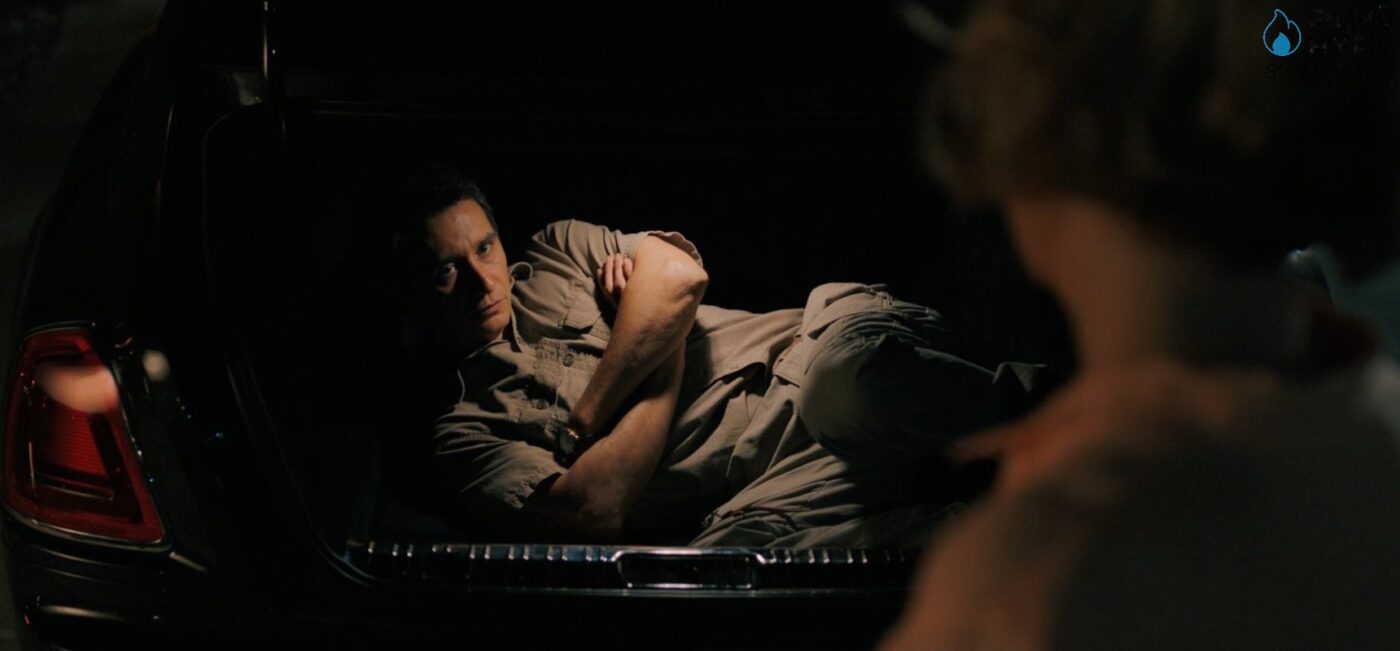
- New Conflict Dynamics: The Others, thinking with one combined brain, will devise non-violent, psychologically sophisticated strategies to stop Carol and Manousos without harming them (to preserve the potential infection vector).
- The Kepler-22b Mystery: The alien signal introduces a staggering sci-fi scale, suggesting that The Others are not an endpoint, but a relay.
- The Moral Calculus: The central question evolves: Is it genocide to destroy a collective consciousness seeking peaceful universal expansion? Can—and should—it be reversed?
Carol’s return to Manousos is the moment the show declares its colors. The “Happiness Apocalypse” is not a utopia, but a loss of soul. The fight is no longer for the old world, but for the very right to have a singular, autonomous self. The bomb is not just a weapon; it is the devastating symbol of how far apart two species have drifted.
