
Mrs Playmen Series Review: A Magazine as A Place of Experimentation and Freedom of Expression
Arrived on Netflix this Wednesday, Mrs Playmen is a miniseries that looks to the past for questioning the present. At the heart of the tale is Adelina Tattilo, a figure who really existed and the director of the first Italian erotic magazine, Submersible. It’s what plays her Carolina Crescentini, which returns a character of strength and vulnerability, of idealism and pragmatism, capable of embodying and, at the same time, questioning, the image of the emancipated woman of the seventies. The series, set in Rome in the early ’70s, opens onto a world that sees contradictions. On the one hand, the desire for freedom and renewal. On the other hand, the weight of a Catholic and patriarchal tradition is still deeply rooted in the social fabric. In this scenario, Adelina suddenly finds herself alone: her husband, Saro Balsamo (played by Francesco Colella), co-founder of the magazine, runs away, leaving her in debt and hunted by Buon Costume. But rather than give up, Adelina chooses to turn failure into rebirth, taking over the reins of the magazine and reinventing its identity.
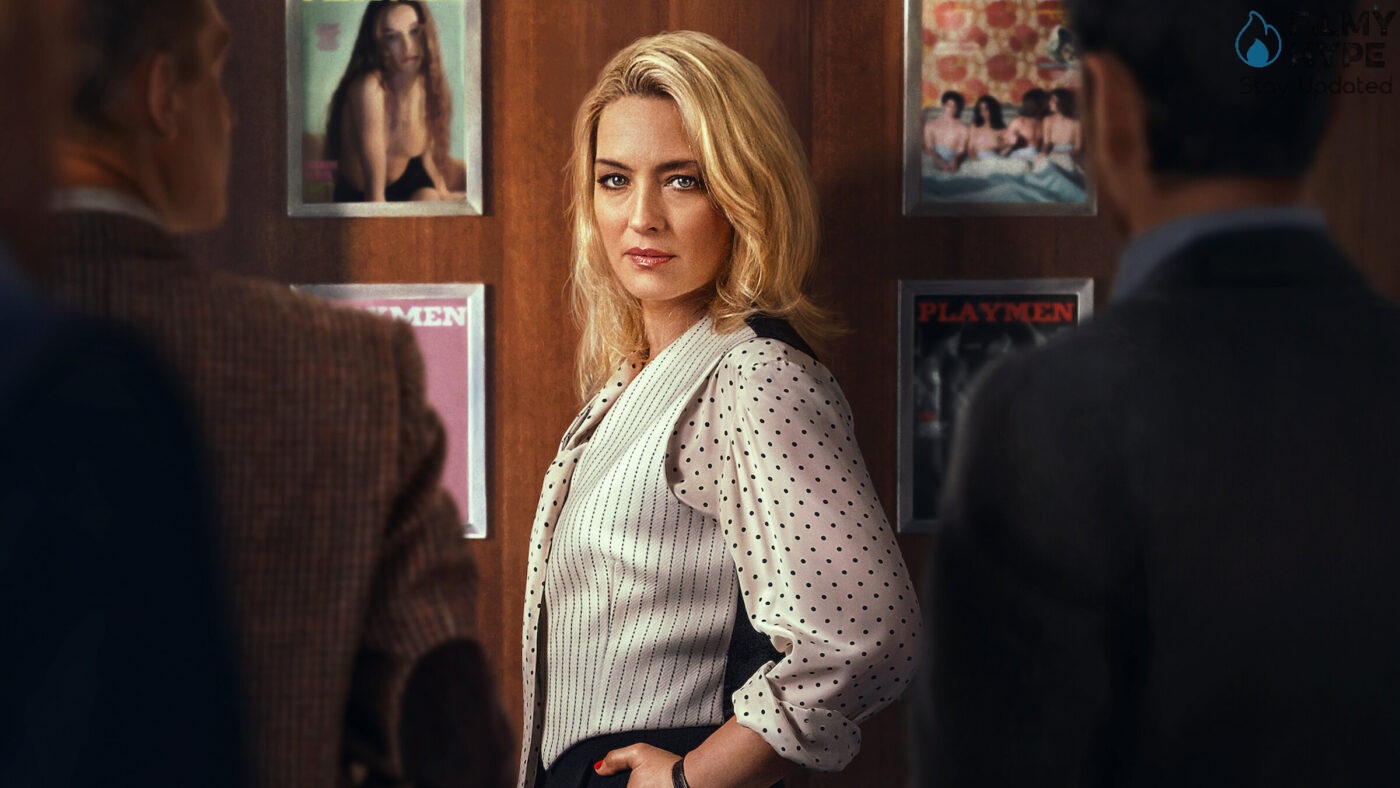
Adelina Tattilo was a woman who knew how to break every convention, who took the power she deserved and then shaped a more interesting and transversal editorial reality, where eroticism was no longer an end in itself but a powerful means of communication. Mrs Playmen, up Netflix, tells precisely this: the story of one of the most discussed newspapers of the last century and of the woman who brought it to the fore by giving it depth. Carolina Crescentini is perfect for the role and gives her Adelina a character that makes her authentic and effective: the perfect catalyst for a story that tells not only the historic director of Playmen but the Italy of the early seventies. The words, said to Saro Balsamo, husband of Adelina Tattilo, director of the first Italian erotic magazine, a revolutionary force in the conservative and moralistic Rome of the years ’70, publisher of the magazine, explain a lot about the Italian socio-cultural climate, even women’s breasts were an invention of man – perhaps it will not be a coincidence if we think that women were born, according to the Book par excellence and par excellence, from Adam’s rib? Saro Balsamo is editor of the magazine, but then, when the boat is about to sink, Balsamo, like a true man who takes on his responsibilities, entrusts Playmen to his wife, making her the responsible director. The series, in its 7 episodes, investigates the story behind the woman who has become a cultural phenomenon, not only erotic but also intellectual and provocative, capable of speaking to both men and women.
Mrs Playmen Series Review: The Story Plot
Italy, 70s: underway powerful social revolution that seeks to counter austerity and the excessive morality of the time. To contribute to this process, there’s Playmen: a magazine born along the lines of the American Playboy, forbidden in Italy, which gives the public the eroticism they crave so much. Saro and Adelina Balsamo run the magazine, with all the problems that they face: being considered by the authorities as material obscene, he is repeatedly kidnapped, and the director in chief is arrested. But soon, moral problems, yes, add economic problems, and Saro will have no problem doing so to make ends meet at all costs, just to keep the newspaper in business. So, when Saro leaves the stage, all the responsibilities will fall on Adelina, the new director in charge, so she will have the revolution. Once released from prison, the woman will resume handling the fate of Playmen and, with a little wit and a little feminine touch, it will give the magazine a new face.
Mrs Playmen Series Review and Analysis
It is an erotic-political fable, a stylized tale in which Italy in the seventies becomes the scene of a collective awakening. The series never claims to be a faithful biography. Indeed, he declared it right from the start: Adelina Tattilo is a starting point. The authors build around her a universal history of emancipation and resilience, bending the facts to the logic of the story. In that sense, Mrs Playmen, it is more the work of imagination than of memory. Real events are redesigned to create a clear narrative path. Censorship, trials, and moralisms are the backdrop to a personal drama that becomes collective. And even if the antagonists appear at times somewhat stereotyped,’ dull policemen and magistrates, respectable journalists – what matters is not the veracity of the details, but the final message: the idea that freedom is not a goal, but a process.
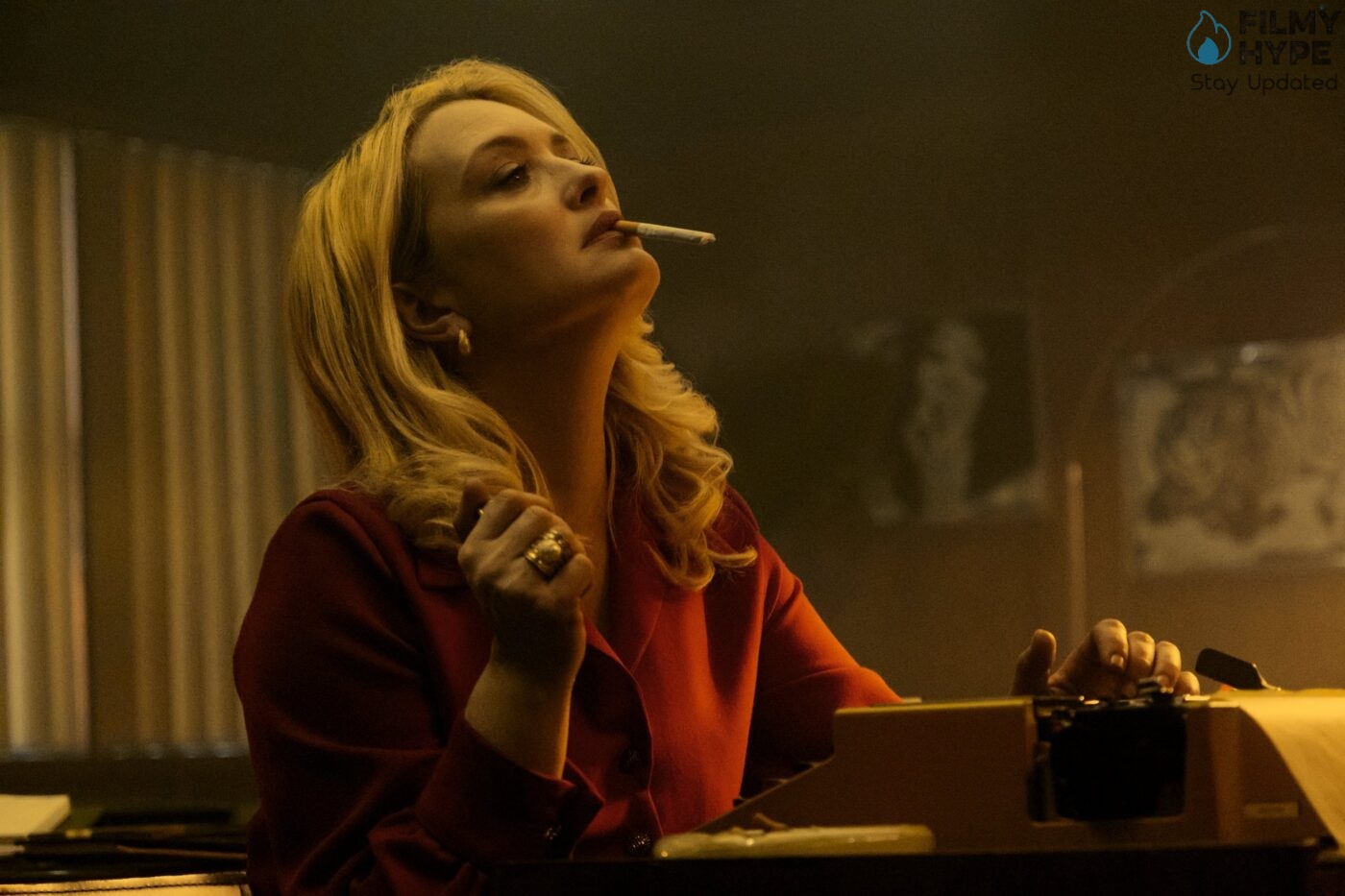
Netflix builds a flowing, seductive story that smacks of a popular novel and a contemporary manifesto. There is something deeply relevant about the battle of Adelina to control her own body and narrative. Watching Mrs Playmen, it is impossible not to think about how many of those achievements – sexual freedom, professional equality, the right to express oneself – are still today a battleground. This series reminds us that every revolution, even the most intimate, is very fragile. In the end, it’s not just the story of a woman who starts a scandalous magazine. It is the story of a country that begins to look at itself in the mirror and discovers that it no longer recognizes itself. It is a story of bodies and ideas, of desires and fears.
Mrs Playmen immediately proves to be much more than a series about an old one erotica magazine: Mrs Playmen tells a moral conflict that continues to be dramatically current. This is denoted by many phrases, many gestures that are still there, neighbors: blaming the woman in case of rape, lo exploitation of the female body, and judgment by the men of what women can or cannot do, of deciding their place in the world. Definitely, all these themes will also be better articulated with the subsequent episodes, in detail, with the growth of Adelina’s character. But already in these first two episodes, present examples of sexism: Elsa was judged for posing for naked photos, which were later published unbeknownst to her, she is raped for it, and then again violated in the police station with the poisonous insinuations of a policeman taking his complaint. Adelina immediately frowned upon by all the men who work in the magazine: Playmen, it doesn’t seem to be a suitable place for a woman. And so she fights even more to establish yourself in an environment where she is not recognized as a leader and is not well-liked.
If on the one hand you can hear the echoes of a patriarchy that is still strongly rooted, on the other hand, yes, they begin to hear the first notes of the change: it is often mentioned in these two episodes is the project of a law on divorce, which then arrived with law n.898/1970. Emblem of the new company, Adelina’s son and new girlfriend are certainly nascent, who, in the innocence of the first times, discover themselves, and yes, they find themselves fighting for causes that perhaps they still don’t even fully understand. The two young people fit into a period characterized by fervent student movements in Italy, as in the rest of the Western world (Warm Autumn, anti-war movements in Vietnam). What is for them is the simple occupation of their high school is actually a piece that fits into a much bigger picture.
In the reality of Mrs Playmen, you still don’t just have a retrograde figure of the woman, but in general, everything related to sex is considered inappropriate. The moment Adelina finds herself talking to a newlywed about how to relate to her husband from a sexual point of view, she is shocked by the language used by the other woman. Precisely because of this vision so closed on the sexual sphere, Adelina seems to want to give a new address to Playmen, adding content that helps women relate to sex and experience it to the fullest with their own husbands. Another theme that emerges from these first two episodes of Mrs Playmen it’s exactly the demeanor, or, rather, the secrecy that is reserved for homosexuality. It is soon made clear to the viewer chartreux sexual orientation: this is usual to attend the illegal gay clubs, and it does so with a certain confidentiality of its own because, in such an era, this was yet another taboo.
We all have a role to respect and Adelina, interpreted in Mrs Playmen from a wonderful one Carolina Crescentini, until now it has been this, it is this at the beginning, a goddess at the top of the mountain, it is a wife and a mother who must carry everything on her shoulders, her husband’s legal problems, his endless escapades (and not only), editorial errors. Adelina waits, justifies, takes what her husband gives her, and puts it into action, even while her husband runs away. “Porn will save us,” and the woman performs, without perhaps fully understanding what her husband asks of her, the tools she must use. Adelina is a woman of her time, rich, bourgeois; she experiences many of the typical problems of the female universe, especially in that specific historical period in which family, work, sentimental and sexual spheres, and public affairs are changing in a radical way. She blindly trusts and couldn’t do anything else, what they tell her (the question of the photos from the first episode), representing an internalized chauvinism, the son of a macho society and culture, which uses women; it will take time to break many chains with which and in which she was born and raised.
Now she breaks the cliché and listens to the women, she wants to hear their voice, she advises a bride who in return defines her “perverted”, asks what he thinks of Playmen to Lella (Lidia Vitale), Saro’s secretary, who knew everything, and just like Adelina lives on internalized chauvinism.
Adelina: “Playmen is the last thing I have.”
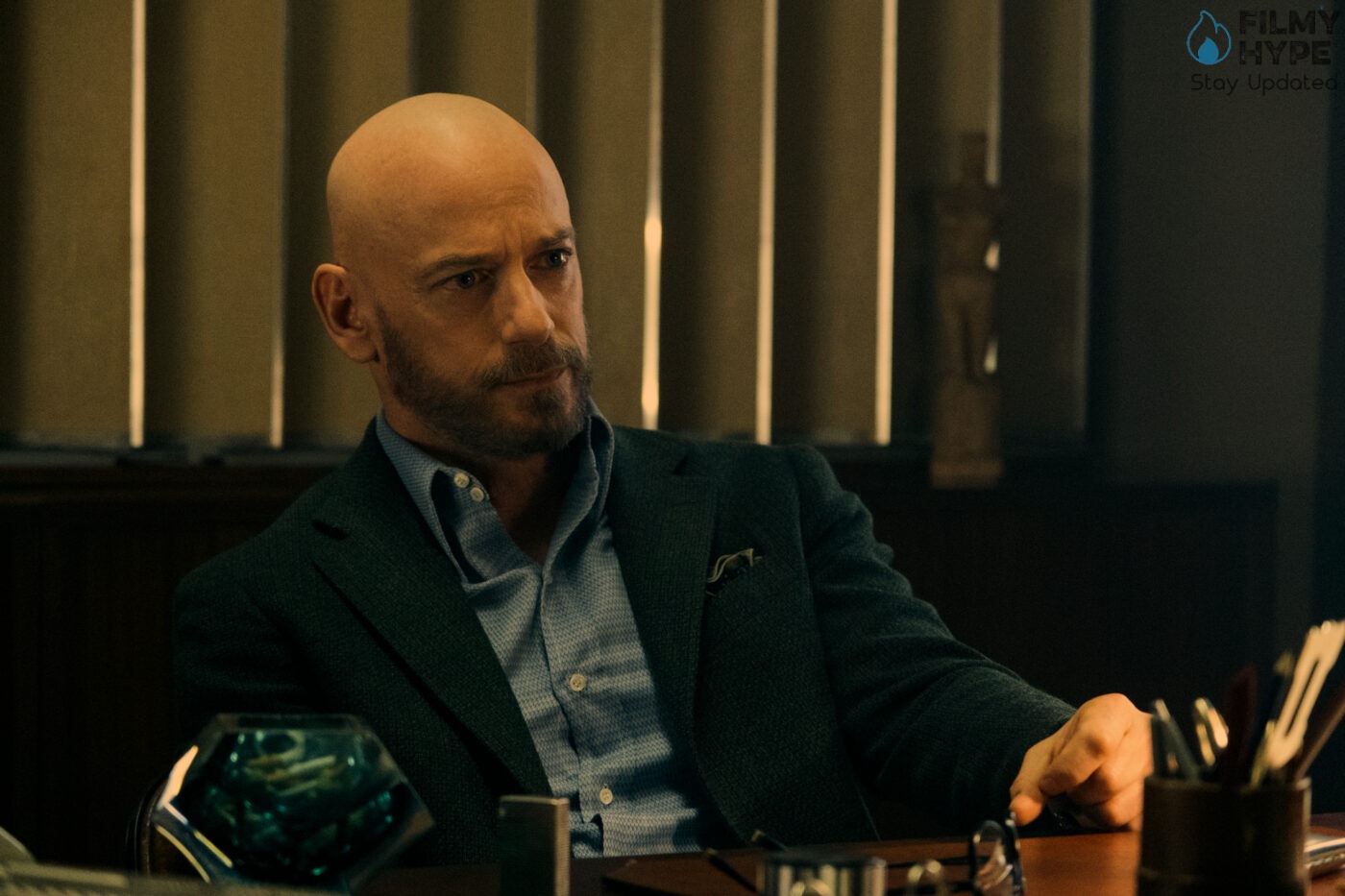
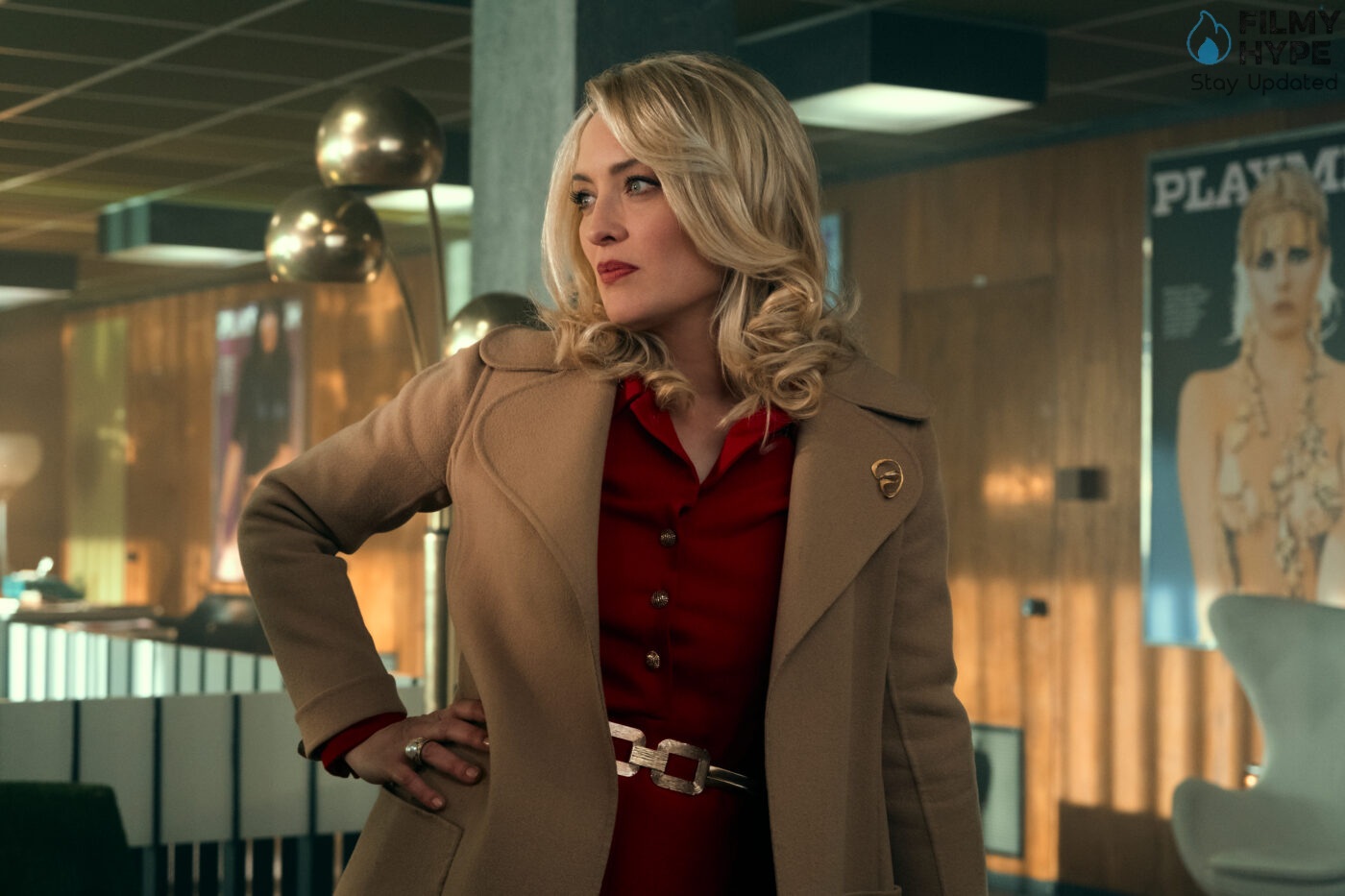
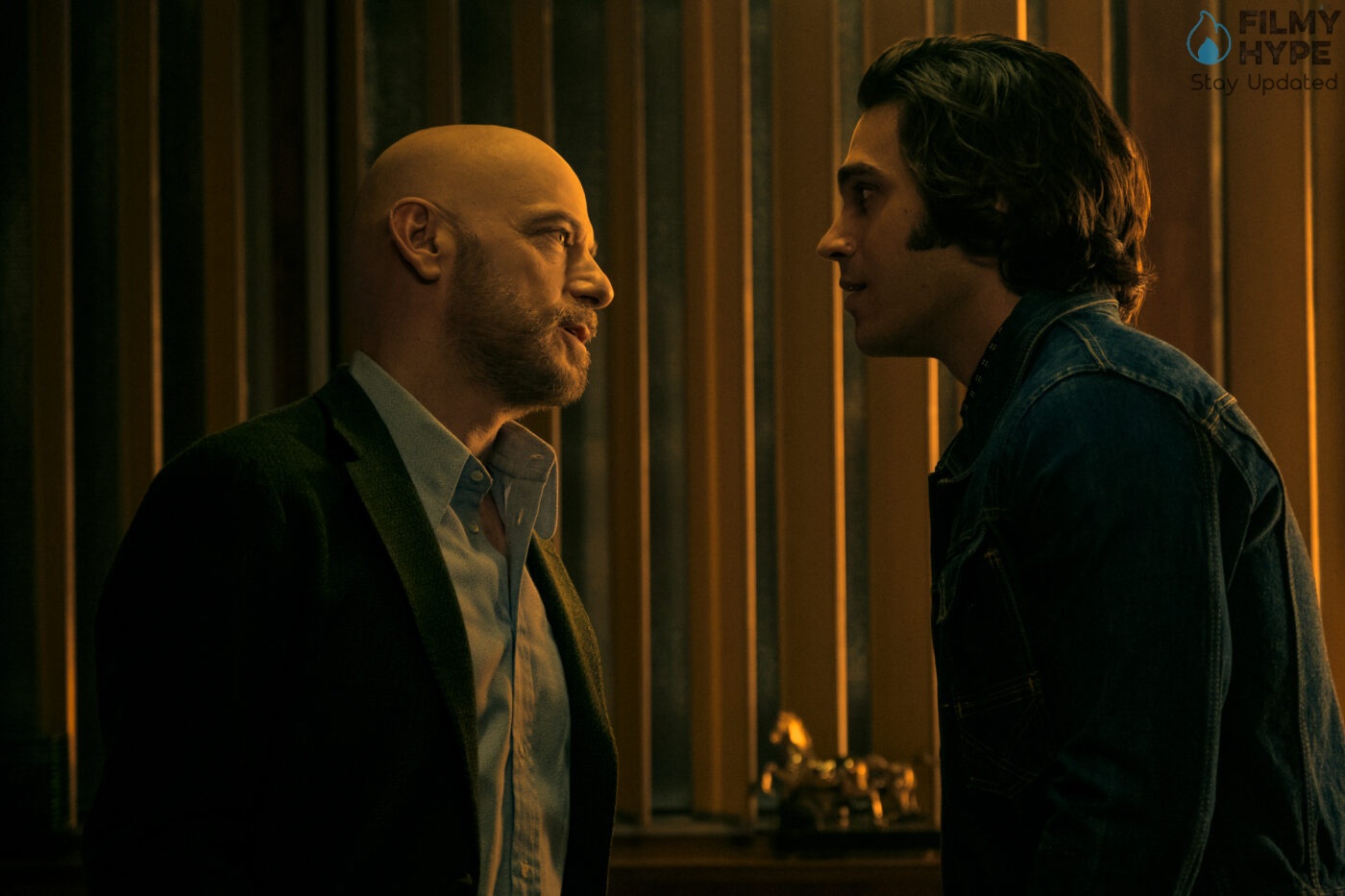
They don’t listen to the woman in court because they already have their whole hand, they give her a chance, sell for “don’t get bitter blood”, she doesn’t have to worry. Tattilo decides this is his magazine, and he will do everything to keep it from failing. She is a woman among many men who indulge her but then make her do what they want (Chartroux, played by Filippo Nigro, Luigi Poggi by Giuseppe Maggio). She will have to fight, fall, and learn from her own stumbles. Fundamental moment when Playmen she joined Tattilo Edizioni, no longer Saro Balsamo Edizioni, a crucial date because from that moment on the project really belonged entirely to Adelina, who introduced herself as Tattilo and no longer Mrs. Balsamo.
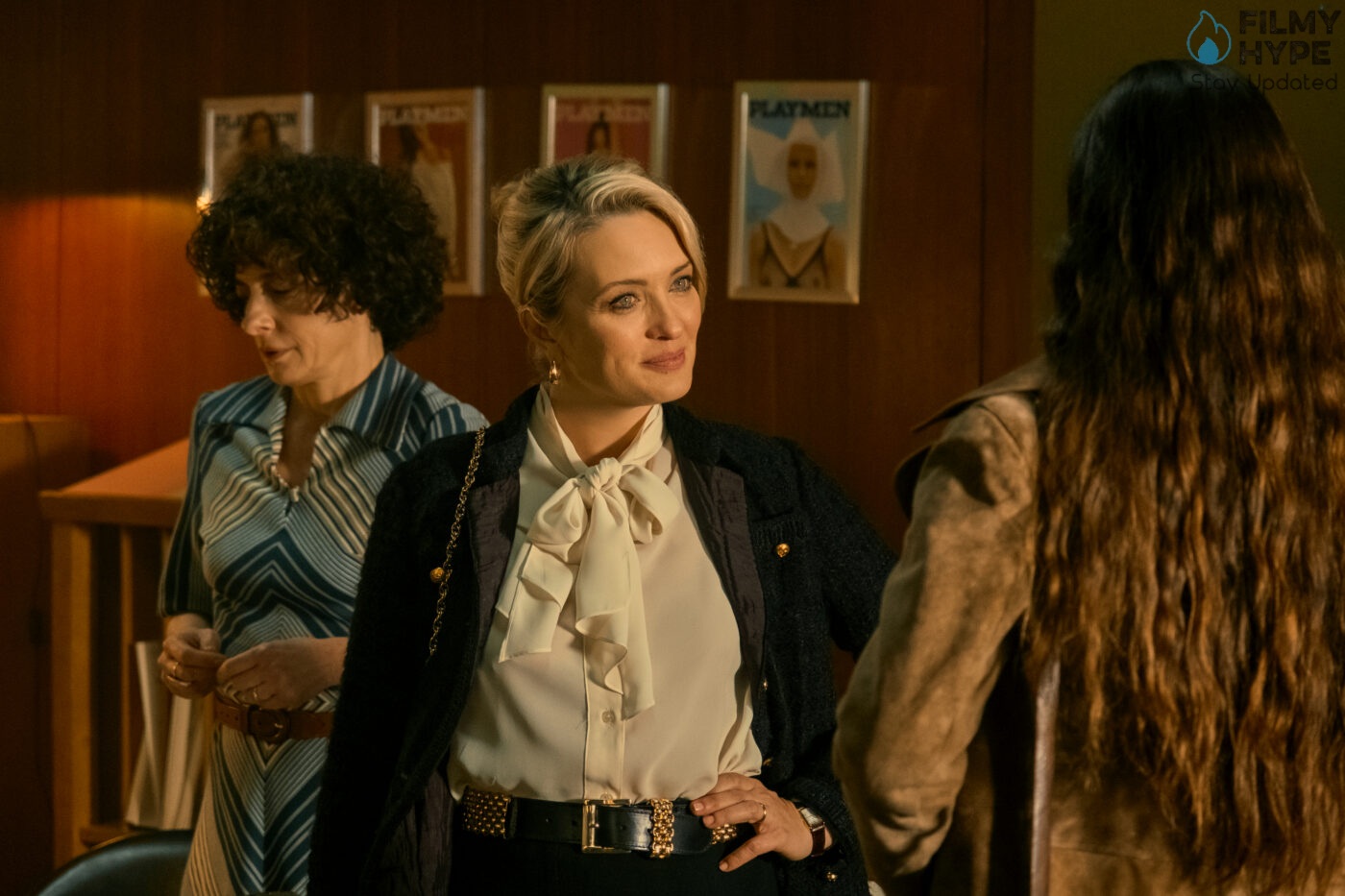
Adelina, framed by her husband as a woman, will become the director in all respects, who makes her own decisions even against the wishes of her colleagues and her husband. Her journey is not an easy one; she will have to clash with herself and with what she has introjected over the years of teaching. An error is already present in the first episode: the photos stolen from Elsa, the girl from the Herd who ended up on the cover of Playboy, which will give dramatic consequences. Adelina, however, always wants to do her best; she knows when she makes mistakes or when, not having all the elements in hand, she is led to make decisions that are enemies of her own “sisters”. What it shows Mrs Playmen is a society that still has a lot of progress to make and which is, dramatically, still too close to ours. Within so many sentences and so many themes that emerge from the episodes, there is a moral conflict that is dramatically current – we think that in November, in addition to being released, this series was also released, Terrace Feeling. Sexism, secondary blaming, the exploitation of the female body, men’s judgment of what women can and cannot do, and the decisions made for them are topics that are still discussed and debated, despite the many battles and past years.
Precisely in the relationship between Adelina and Elsa and between them and the worlds they live in –although very different -, we can understand many things about Italy that the viewer is faced with: Elsa is judged for posing naked photos and published without her knowledge, she is raped (“What’s that?! First be a whore and then a goody-goody”) and the so-called shotgun wedding is proposed to her, and then violated again in the police station (“how many centimeters?” because under a certain number, the law says, it is only a “act of lust”) with the poisonous insinuations of the policeman taking up his complaint. Elsa is immediately frowned upon by all the men who work in the magazine, like in reality, Adelina herself, who is accepted only because she is Saro’s wife. So one could say that Playmen it’s not a place for women (Luigi Poggi says: “that woman makes me feel sorry for her”, Chartroux says: “she has to understand that this place is not for her”), yet numbers are built on their bodies and profit from them.
“Today a breast, tomorrow a butt, and then? And then we will have pornography everywhere, even in the hands of De Cesari’s kids.”
The magazine, little by little, becomes a place of experimentation and freedom of expression, the reports become a snapshot of a social issue (divorce, pill, sexual freedom), hosting talented authors and helping to modernize Italian culture. With a different look, she is capable of bringing themes such as the right to female pleasure, divorce, abortion, and eroticism as a means of freedom and awareness. The retrograde whispers of patriarchy that are still strongly rooted – those that still whisper in the ears of many today and unfortunately also of many – there are strong and still powerful – you have to stay with your husband, even if he beats, even if he has a parallel life, even if love is over because “until death do us part”- however, there are also the first notes of the change: in these two episodes the project for a law on divorce, which later arrived with the 1970 law, is often mentioned.
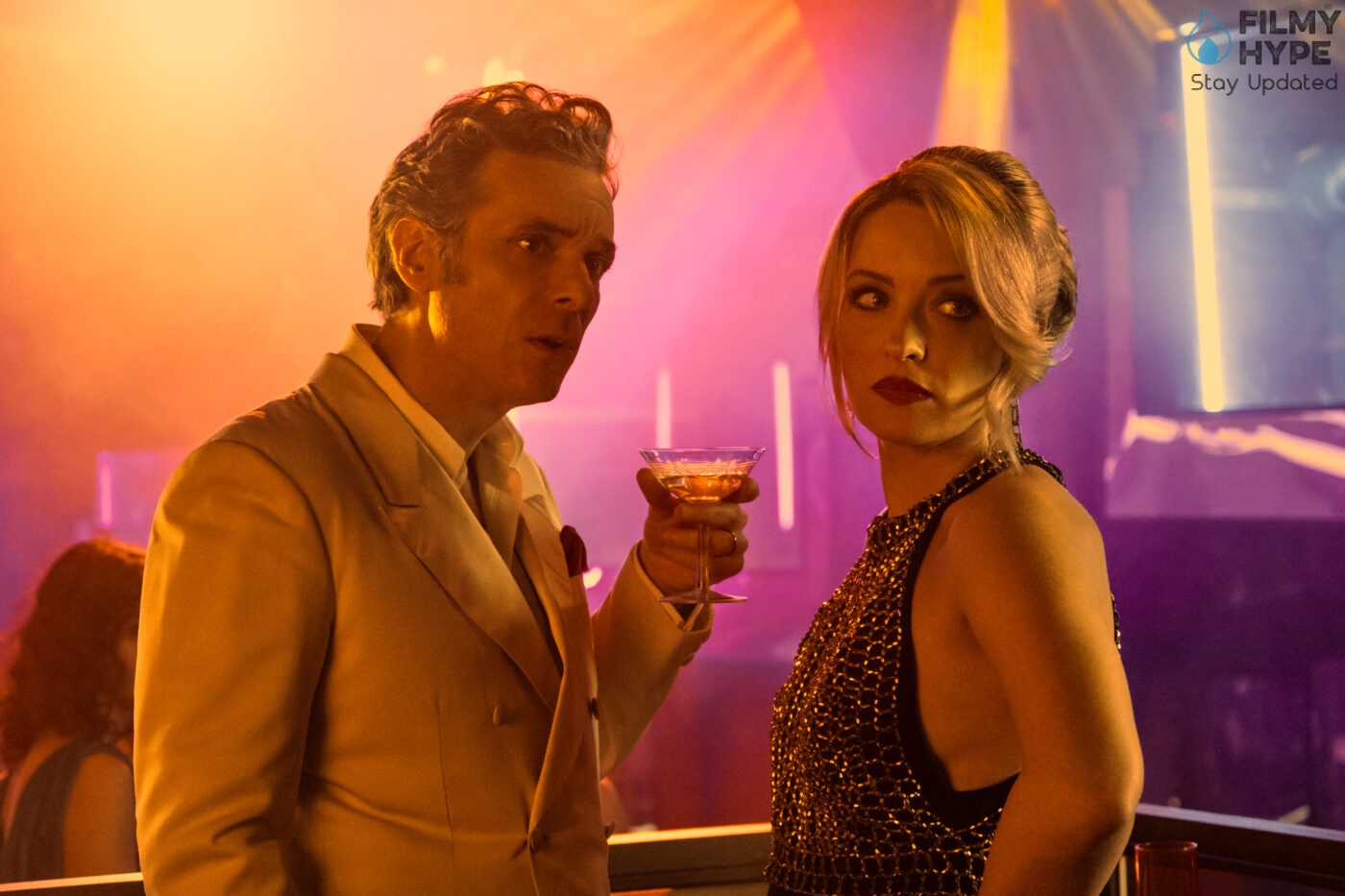
Right from the title “The erotic bride”, instead of the one about the Casati family – with the private photos of his dead wife – who talks about virginity and first times, Adelina changes gear and decides how she will want to talk to women who, as she says, “they want to have fun”, despite, as she is reminded, Playmen sell “boobs and asses to men”.
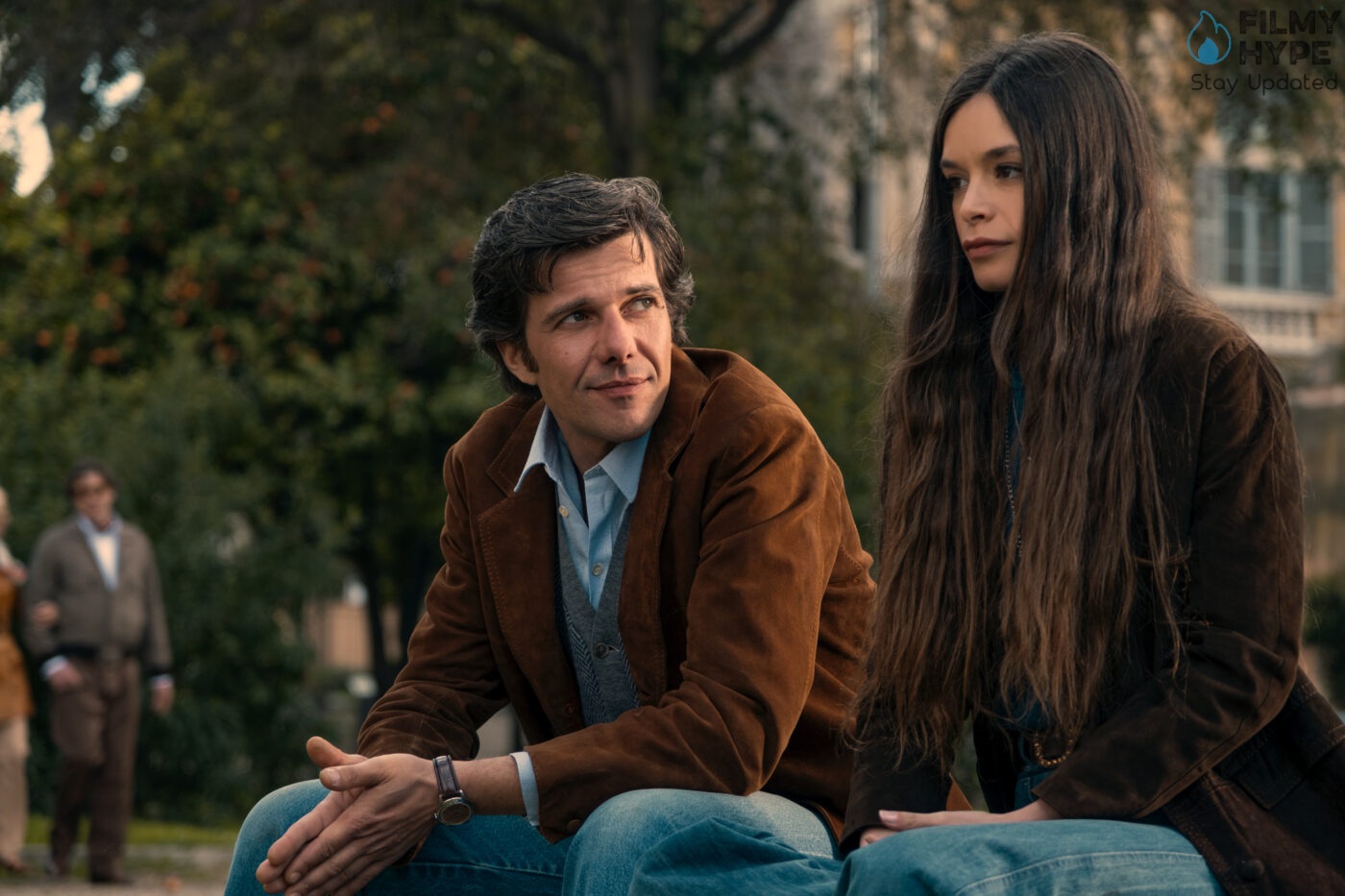
Elsa, Adelina’s son, represents a new thought, an Italy that thinks about tomorrow and that wants to break down many clichés, stylistic features resulting from retrograde ideas. Inevitably, we still have a figure of the woman linked to the past – and for this reason, during viewing, spectators may feel annoyed by the attitudes and tones used towards women, and an inappropriate or, in other cases, taboo representation of sex, but anyway, Playmen becomes an open window to the world. This is a society in turmoil (the Hot Autumn, the movements against the war in Vietnam), characterized by student movements, by feminism that speaks to women and asks them to raise their heads to find a freedom perhaps never fully had. An important theme also emerges: homosexuality. Those who are homosexual are silent; they hide. Chartreux himself frequents clandestine gay clubs, just like Luigi. A right-wing man carries internalized homophobia that does not allow him to be himself, and rather “fights” against himself and what he represents.
Mrs Playmen, it is an interesting snapshot of what we have been and what we are, which starts from the body entering the folds of society. It becomes an erotic analysis of being women and men in the years ’60, but which also makes us reflect on the erotic and sexual geography of today. Carolina Crescentini gives substance to a courageous but also fragile, rebellious, and free woman, but also entangled in many cultural legacies, children of yesterday, she knows her own desiring body and wants the others to be free too, even to desire, just like her. In front of or behind the erotic body of the bride, the woman, the wife who experiences the changes of this period full of dreams and thoughts aimed at the future, there is also an Italy that also fights to free itself, not to fear its own body, its own sexual and non-sexual urges, to rebuild that granite family that had become a symbol and model of life. Supporting everything is the music of those years that represents the female figure well, free, independent, revolutionary, ready to dance alone.
Mrs Playmen Series Review: The Last Words
Mrs Playmen is an imperfect but fascinating series, which finds the deepest reason for its value in the underlying message. It’s a series you look at with curiosity and where you glimpse something deeper: the story of freedom that comes from the courage to expose yourself. Adelina Tattilo is not an irreproachable heroine nor a martyr of progress, but a living woman, full of contradictions, who dares to be herself in a world that would like her to be different. This, in the end, is the heart of the series: not the revolution of customs, but that of the gaze. Looking differently – yourself, others, desire, power – is the first step to really changing things. And in a time when freedom seems like a fragile good again, Mrs Playmen, it reminds us that every conquest always begins with an act of disobedience and from a page to browse without fear.
Cast: Carolina Crescentini, Filippo Nigro, Francesco Colella, Giuseppe Maggio, Domenico Diele, Francesca Colucci
Directed: Richard Woman
Streaming Platform: Netflix
Filmyhype.com Ratings: 3/5 (three stars)